Tiotropium: Long-Acting Bronchodilator for COPD and Asthma
Understanding tiotropium's role in managing chronic respiratory conditions
What Is Tiotropium?
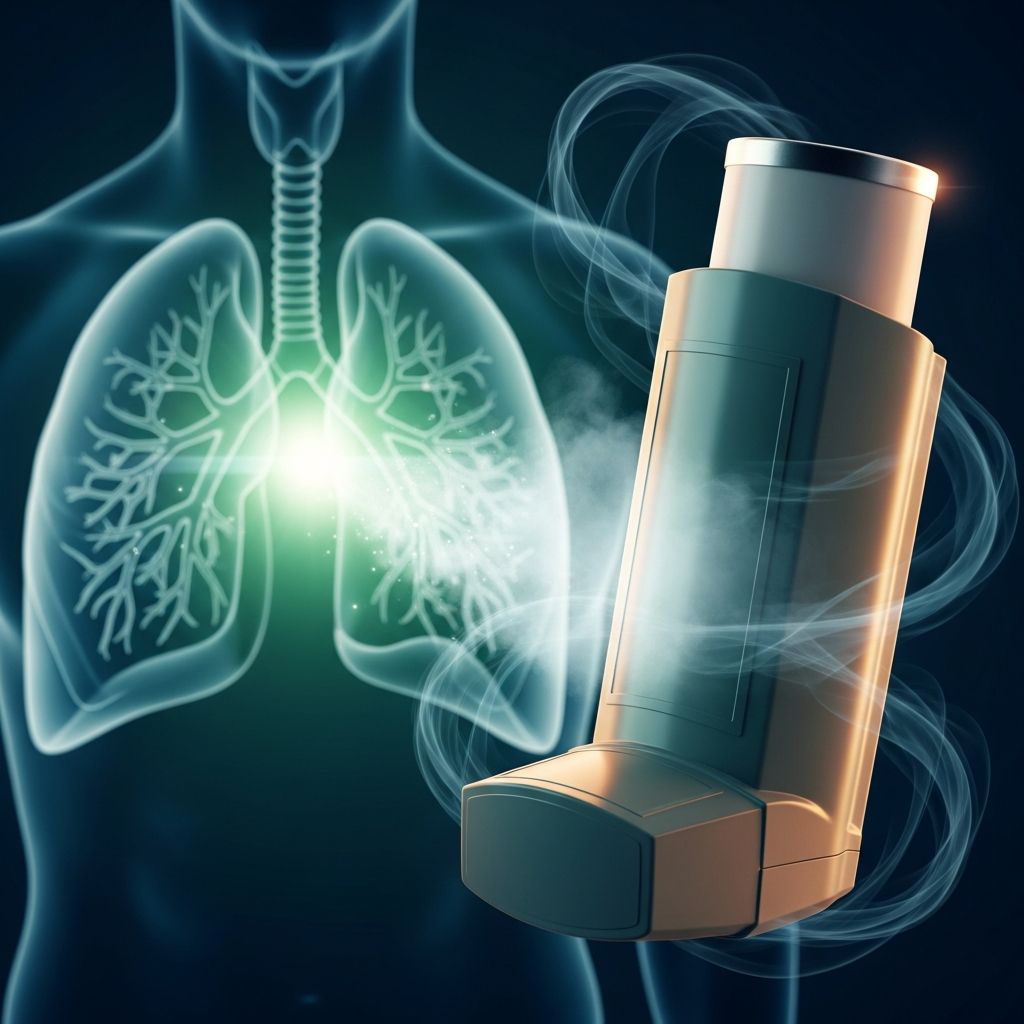
Tiotropium is a prescription medication belonging to a class of drugs known as anticholinergic bronchodilators, commonly marketed under the brand name Spiriva. It represents a significant advancement in respiratory medicine, particularly for individuals managing chronic obstructive pulmonary disease (COPD) and asthma. Unlike medications taken multiple times throughout the day, tiotropium offers the convenience of once-daily dosing, which has revolutionized how patients approach their respiratory treatment regimens.
The medication is delivered through inhalation, allowing it to act directly on the airways where it is needed most. This targeted delivery method ensures effective bronchodilation while minimizing systemic absorption, making it a preferred choice for long-term maintenance therapy in respiratory conditions characterized by airflow obstruction.
Understanding the Mechanism of Action
The therapeutic effectiveness of tiotropium stems from its interaction with specific receptors in the lungs. Tiotropium functions as an antagonist of muscarinic receptors, particularly the M1, M2, M3, M4, and M5 receptor subtypes. The primary mechanism responsible for its bronchodilating effect involves the inhibition of the M3 receptor, which is located in the smooth muscle tissue of the airways.
When acetylcholine, a neurotransmitter, binds to M3 receptors under normal circumstances, it causes the smooth muscles surrounding the airways to contract, narrowing the air passages. Tiotropium blocks this interaction by occupying these receptors, preventing acetylcholine from triggering muscle contraction. This blockade allows the smooth muscle to relax, widening the airways and improving airflow to the lungs.
What distinguishes tiotropium from earlier anticholinergic medications is its kinetic selectivity. The drug exhibits a particular affinity for M1 and M3 receptors and possesses a notably slow dissociation rate from these receptors, meaning it remains bound for an extended period. Additionally, tiotropium contains a quaternary ammonium structure, which limits systemic absorption and prevents the medication from crossing the blood-brain barrier, thereby reducing the risk of central nervous system side effects.
Clinical Applications and Uses
Tiotropium is primarily prescribed for two major respiratory conditions:
- Chronic Obstructive Pulmonary Disease (COPD): This progressive lung disease encompasses emphysema (characterized by damage to air sacs) and chronic bronchitis (inflammation of airways). Tiotropium serves as a first-line maintenance therapy for symptomatic COPD management.
- Asthma: The medication is approved for maintenance treatment in adults and children six years of age and older with persistent asthma.
The primary objective of tiotropium therapy is preventive rather than rescue-oriented. It functions to prevent the onset of respiratory symptoms including wheezing, shortness of breath, coughing, and chest tightness. By maintaining consistent bronchodilation throughout the day and night, tiotropium reduces the frequency and severity of breathing difficulties.
Effectiveness and Clinical Evidence
Clinical trials have demonstrated substantial benefits associated with tiotropium therapy. Treatment with tiotropium has been associated with improved lung function, decreased exacerbation frequency, extended time to first exacerbation, and enhanced quality of life. The medication consistently outperforms placebo in clinical assessments and shows comparable or superior effectiveness compared to other bronchodilator options.
Related Stories



In comparative studies with ipratropium, an older anticholinergic medication, tiotropium demonstrated superior performance. Patients receiving tiotropium experienced significantly greater improvements in FEV1 (forced expiratory volume in one second), a key measure of lung function. Within 30 minutes of the first dose, baseline FEV1 increased by 15%, reaching a peak improvement of 23% at three hours post-inhalation, with sustained improvements of 21% at six hours.
Beyond pulmonary function testing, tiotropium improved patients’ subjective experiences. A higher proportion of tiotropium-treated patients achieved clinically meaningful improvements in dyspnea and quality of life scores compared to those receiving ipratropium. Notably, patients using tiotropium required approximately four fewer rescue medication inhalations per week and experienced 39% fewer exacerbation days per year compared to ipratropium users.
Dosage and Administration
Tiotropium is available in two primary inhalation formulations: the HandiHaler device and Respimat inhalation spray. The once-daily dosing regimen represents a major advantage in terms of patient compliance and convenience. Most patients use a single inhalation daily, typically at the same time each day, to maintain consistent therapeutic levels.
The medication’s long duration of action—extending well beyond 24 hours—allows for reliable once-daily dosing while maintaining continuous bronchodilation. Even after cessation of therapy, the FEV1 response gradually returns to baseline within two to three weeks without evidence of rebound deterioration.
Common Side Effects and Tolerability
Tiotropium demonstrates a generally favorable safety profile, with most adverse effects being mild and manageable. The most commonly reported side effects include dry mouth, sore throat, cough, and sinus infections.
Additional side effects that may develop during treatment include:
- Headache and dizziness
- Hoarseness or voice changes
- Heartburn and indigestion
- Frequent urination
- Runny or stuffy nose and sneezing
- Throat discomfort or sore throat
- Stomach upset or discomfort
Many of these side effects diminish as the body adjusts to the medication over time. Dry mouth, while more common with tiotropium than with some alternative medications, can often be managed through simple measures such as increased fluid intake or sugar-free lozenges.
Serious Side Effects and Warnings
While uncommon, tiotropium can produce serious adverse effects that require immediate medical attention. These include:
- Paradoxical Bronchospasm: In rare instances, tiotropium may cause breathing to worsen rather than improve. This life-threatening paradoxical reaction requires immediate discontinuation of the medication and emergency medical care.
- Allergic Reactions: Signs include hives, itching, skin rash, difficulty breathing or swallowing, and swelling of the face, lips, tongue, or throat.
- Eye Problems: Changes in vision including eye pain, discomfort, blurred vision, visual halos, and colored images with red eyes may indicate glaucoma and warrant ophthalmologic evaluation.
- Cardiac Symptoms: Fast, pounding, or irregular heartbeat requires medical evaluation.
- Severe Infections: Fever, chills, and signs of respiratory infection should be reported to healthcare providers.
Patients should contact their healthcare provider immediately if they experience any of these serious symptoms while using tiotropium.
Comparison with Alternative Treatments
| Feature | Tiotropium | Ipratropium | Beta-2 Agonists (Salmeterol) |
|---|---|---|---|
| Dosing Frequency | Once daily | Multiple times daily | Once or twice daily |
| Duration of Action | 24+ hours | 6-8 hours | 12 hours |
| Receptor Type | Anticholinergic | Anticholinergic | Beta-adrenergic |
| Patient Compliance | High (once daily) | Moderate (multiple daily) | Moderate to High |
| Exacerbation Reduction | Superior | Baseline comparison | Comparable |
Special Populations and Considerations
Tiotropium is approved for pediatric use in asthma management in children six years and older, offering a maintenance option for younger patients with persistent asthma. However, elderly patients and those with certain comorbidities require careful monitoring, particularly regarding eye changes and urinary symptoms.
Patients with a history of closed-angle glaucoma, urinary retention, or severe kidney disease should discuss tiotropium use with their healthcare providers, as the medication may exacerbate these conditions. Additionally, individuals with cardiac arrhythmias or hypersensitivity to anticholinergic medications should use tiotropium under close medical supervision.
Drug Interactions and Contraindications
While tiotropium has a favorable interaction profile due to minimal systemic absorption, combining it with other anticholinergic medications may increase the risk of systemic anticholinergic effects. Patients using multiple medications should inform their healthcare providers to ensure safe concurrent use.
The medication is contraindicated in patients with documented hypersensitivity to tiotropium or any formulation components. Additionally, tiotropium should not be used as rescue therapy during acute bronchospasm, as its slow onset of action makes it unsuitable for emergency management of breathing difficulties.
Patient Education and Best Practices
Proper inhalation technique is essential for maximizing tiotropium’s therapeutic benefits. Patients should receive comprehensive instruction on their chosen delivery device, whether HandiHaler or Respimat, to ensure medication reaches the lower airways effectively. Common errors include inadequate inspiration depth, poor seal around the mouthpiece, and rapid exhalation immediately after inhalation.
Patients should be advised to:
- Use tiotropium at the same time daily for consistent therapeutic levels
- Rinse the mouth after inhalation to reduce dry mouth and prevent oral infections
- Report any worsening of symptoms, vision changes, or urinary difficulties to their healthcare provider
- Keep backup rescue inhalers available despite tiotropium maintenance therapy
- Avoid exposure to respiratory irritants and maintain regular follow-up appointments
Frequently Asked Questions
How quickly does tiotropium work?
Unlike rescue medications that work within minutes, tiotropium requires regular daily use to build its full effect. Improvements in lung function begin within days, but optimal benefits typically develop over weeks of consistent use.
Can tiotropium be used during acute breathing difficulties?
No. Tiotropium is a maintenance medication and should never be used as rescue therapy during acute asthma attacks or COPD exacerbations. Patients require a separate short-acting rescue inhaler for emergency use.
Is tiotropium safe for long-term use?
Yes. Tiotropium has been extensively studied for long-term safety and efficacy. Clinical evidence supports its use as a maintenance therapy for extended periods with appropriate medical monitoring.
What should I do if I miss a dose?
Take the missed dose as soon as remembered, then resume the regular schedule the next day. Do not double-dose to compensate for a missed dose.
Can tiotropium be combined with other respiratory medications?
Yes, tiotropium is frequently combined with other bronchodilators and corticosteroids in comprehensive COPD and asthma management plans. Your healthcare provider will determine the appropriate combination based on your condition.
Conclusion
Tiotropium represents an important therapeutic option for patients with chronic respiratory conditions requiring maintenance bronchodilation. Its once-daily dosing, extended duration of action, favorable safety profile, and demonstrated superiority in reducing exacerbations and improving quality of life have established it as a first-line agent in COPD management and asthma maintenance therapy. By understanding how tiotropium works, recognizing potential side effects, and using it correctly, patients can optimize their respiratory health and maintain improved quality of life. Healthcare providers should work collaboratively with patients to ensure proper technique, monitor for adverse effects, and adjust therapy as clinical conditions evolve.
References
- Tiotropium: Uses, Interactions, Mechanism of Action — DrugBank. Accessed February 2026. https://go.drugbank.com/drugs/DB01409
- Tiotropium (Spiriva): a once-daily inhaled anticholinergic medication — National Center for Biotechnology Information (NCBI). https://pmc.ncbi.nlm.nih.gov/articles/PMC1200675/
- Tiotropium (inhalation route) – Side effects & dosage — Mayo Clinic. Accessed February 2026. https://www.mayoclinic.org/drugs-supplements/tiotropium-inhalation-route/description/drg-20066394
- Tiotropium Oral Inhalation: MedlinePlus Drug Information — U.S. National Library of Medicine. Accessed February 2026. https://medlineplus.gov/druginfo/meds/a604018.html
- Side effects of tiotropium inhalers — NHS. Accessed February 2026. https://www.nhs.uk/medicines/tiotropium-inhalers/side-effects-of-tiotropium-inhalers/
- Spiriva® Respimat® (tiotropium bromide) Inhalation Spray — Boehringer Ingelheim. Accessed February 2026. https://patient.boehringer-ingelheim.com/us/products/spiriva/
Similar Articles








Read full bio of medha deb