Tips to Cheat Safely on Your Healthy Diet
Learn how to enjoy your favorite treats while maintaining your healthy eating goals.
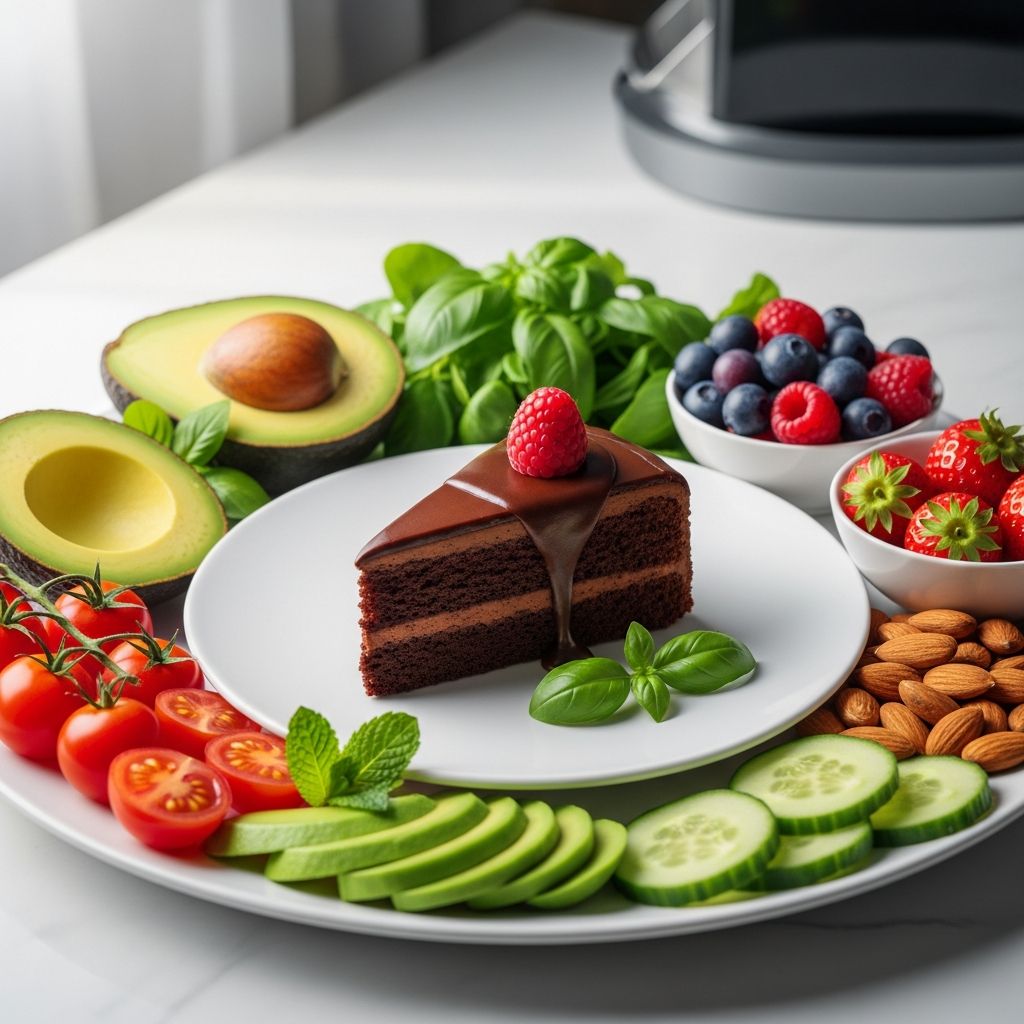
Maintaining a healthy diet doesn’t mean you have to give up all your favorite foods forever. The key to long-term dietary success is finding a sustainable balance between nutritious eating and occasional indulgences. Many people struggle with the all-or-nothing mentality when it comes to dieting, which often leads to frustration and abandonment of their health goals. Instead, learning how to cheat safely on your healthy diet can actually help you stay committed to your overall wellness objectives while still enjoying the foods you love.
The Harvard Healthy Eating Plate provides a framework for building balanced meals that prioritize nutrient-dense foods. By understanding this foundation, you can make informed decisions about when and how to incorporate treats without compromising your health.
Understanding the Foundation of Healthy Eating
Before you can cheat safely, you need to understand what constitutes a truly healthy diet. The Harvard Healthy Eating Plate recommends that half your plate consist of vegetables and fruits, one-quarter from whole grains, and one-quarter from protein sources like fish, poultry, beans, and nuts. This framework ensures you’re consuming adequate fiber, vitamins, minerals, and other essential nutrients your body needs to function optimally.
The plate also emphasizes choosing healthy plant oils in moderation, staying hydrated with water, coffee, or tea, and limiting dairy products to one or two servings per day. Understanding these guidelines gives you a baseline for what truly nourishes your body, making it easier to identify when you’re veering off course and how much flexibility you actually have.
The Psychology Behind Dietary Restrictions
One of the most important aspects of maintaining a healthy diet long-term is understanding the psychology of food restriction. When we label foods as “forbidden” or “bad,” we often create an unhealthy relationship with eating. This restrictive mentality can lead to intense cravings, binge eating episodes, and ultimately, the abandonment of healthy eating habits altogether.
Research has shown that people who follow flexible dieting approaches—those that allow for occasional indulgences—are more likely to maintain their healthy eating patterns over time. By allowing yourself planned treats, you reduce the psychological tension that comes with complete restriction. This approach aligns with the principles behind the Harvard Diet, which emphasizes creating sustainable eating habits rather than following temporary fad diets.
Plan Your Indulgences Strategically
The most effective way to cheat safely on your healthy diet is to plan your indulgences in advance. Rather than spontaneously reaching for unhealthy foods when cravings strike, designate specific times when you’ll allow yourself to enjoy treats. This might be once a week, twice a month, or whatever frequency works for your lifestyle and health goals.
Benefits of planned indulgences include:
– Reduced impulsive eating decisions- Better portion control during treat meals- Maintained motivation toward health goals- Improved psychological relationship with food- Increased likelihood of long-term dietary adherence
When you know you have a planned treat coming, you’re less likely to feel deprived in your daily eating. This reduces the likelihood of giving up entirely or binge eating when temptation strikes.
Practice Portion Control and Moderation
One of the safest ways to enjoy your favorite foods is through portion control. You don’t necessarily have to eliminate foods you love; instead, you can reduce the quantity you consume. A small serving of ice cream, a few chips, or a single slice of pizza can satisfy your craving without derailing your progress.
Related Stories



The key is being intentional about portions rather than eating directly from the container or package. Serve yourself a measured portion on a plate, then put the rest away. This physical separation makes it easier to enjoy your treat without overdoing it. Studies show that people who practice portion awareness maintain healthier weights and are more successful at long-term weight management.
Another effective strategy is to pair smaller portions of indulgent foods with larger portions of healthier options. For example, enjoy a smaller serving of pizza alongside a large salad, or have a small dessert after a vegetable-rich dinner. This approach satisfies your craving while ensuring you’re still meeting your nutritional needs.
Make Smarter Choices Within Your Favorite Categories
You don’t have to completely avoid the types of foods you enjoy; instead, look for healthier alternatives within those categories. If you love chocolate, choose dark chocolate with a higher cocoa content, which contains beneficial antioxidants and often has less added sugar than milk chocolate. If you enjoy baked goods, look for whole grain options or those made with less refined flour.
Examples of smarter swaps:
– Ice cream → Frozen yogurt or sorbet- Fried foods → Baked or grilled versions- Regular soda → Diet soda or flavored sparkling water- White bread → Whole wheat bread- Full-fat cheese → Reduced-fat versions- Sugary desserts → Fruit-based desserts
These substitutions allow you to enjoy the types of foods you crave while reducing empty calories, excess sugar, and unhealthy fats. Over time, your palate may adjust, and you might find yourself naturally preferring the healthier options.
Time Your Treats Around Physical Activity
The timing of your indulgences can significantly impact how they affect your body. Eating treats around the time of physical activity means your body is more likely to use those calories for energy rather than storing them as fat. Consider enjoying your cheat meal or treat after a workout when your muscles are primed to absorb nutrients and your metabolism is elevated.
The Harvard Healthy Eating Plate emphasizes the importance of staying active as part of overall health and weight management. By combining planned indulgences with regular physical activity, you create a more balanced approach to health that allows for flexibility without compromise.
Stay Hydrated and Manage Your Appetite
Adequate hydration plays a crucial role in appetite regulation and can help prevent overeating. Often, we mistake thirst for hunger, which can lead to unnecessary snacking. By drinking water throughout the day, you can better distinguish between true hunger and thirst-related cravings.
The Harvard Healthy Eating Plate recommends drinking water, coffee, or tea with little or no sugar, and limiting milk and juice consumption. Following these hydration guidelines helps reduce overall calorie intake while keeping you feeling satisfied. When you do indulge in treats, staying well-hydrated helps your body process them more effectively.
Focus on the Quality of Your Daily Eating
The foundation of safe cheating is maintaining high-quality nutrition most of the time. If 80-90% of your diet consists of whole vegetables, fruits, whole grains, lean proteins, and healthy fats, then 10-20% can be more flexible. This approach aligns with the Harvard Diet principles, which emphasize that sustainable healthy eating is about creating lasting habits rather than perfection.
When you prioritize nutrient-dense foods as your baseline, your occasional treats have minimal impact on your overall health. Your body receives the essential nutrients it needs, and your metabolism functions optimally, making it much easier to enjoy indulgences without negative consequences.
Avoid Keeping Temptations Readily Available
One practical strategy for safe cheating is environmental control. While you don’t need to eliminate unhealthy foods from your life entirely, you also don’t need to keep them constantly available in your home. When unhealthy foods are out of sight, you’re less likely to eat them impulsively.
Reserve your favorite indulgences for planned occasions or designated locations, such as restaurants or specific outings. When these foods require a deliberate choice to access them—rather than being a convenient grab from your pantry—you’re more likely to be mindful about consumption and less likely to binge eat.
Track and Reassess Your Progress
Monitoring your dietary choices and health metrics helps you understand the impact of your indulgences and adjust your approach as needed. Keep a food journal, track your weight or body measurements, or simply note how you feel energy-wise and overall. This information helps you determine if your current approach to cheating is sustainable and effective for your individual goals.
If you find that planned indulgences are becoming too frequent or if they’re preventing you from reaching your health goals, you can adjust your strategy. Conversely, if you discover that moderate treats are helping you maintain long-term adherence to healthy eating, you know you’ve found an approach that works for you.
The Importance of Mindful Eating
Whether you’re enjoying a planned treat or eating your regular healthy meals, practicing mindful eating enhances satisfaction and prevents overeating. Mindful eating involves paying full attention to the eating experience: noticing the flavors, textures, and aromas of your food; eating slowly; and stopping when you’re satisfied rather than stuffed.
When you eat mindfully, smaller portions feel more satisfying because you’re actually present and appreciating the experience. This approach transforms indulgent eating from a guilt-ridden, rushed experience into a genuinely enjoyable moment. Over time, mindful eating practices become habit, making it easier to maintain balanced nutrition without feeling deprived.
Consider the Bigger Picture
Remember that one meal, one day, or even one week of eating less-than-perfectly won’t derail your long-term health. What matters most is your overall pattern of eating over weeks and months. Research shows that people who follow healthy eating patterns like the Harvard Diet consistently reduce their risk of chronic diseases like heart disease, type 2 diabetes, and certain cancers.
The occasional treat is a small part of this bigger picture. As long as your baseline eating pattern remains nutritious and balanced, your body can easily handle periodic indulgences. This perspective reduces the anxiety and guilt that often accompanies cheat meals, making your overall dietary journey more sustainable and enjoyable.
Frequently Asked Questions
Q: How often can I safely cheat on my diet?
A: The frequency depends on your individual health goals and current health status. For most people, one planned indulgence per week is sustainable and won’t significantly impact health goals. Some people do well with two to three times per week, while others prefer less frequent treats. The key is finding a frequency that helps you maintain consistent, healthy eating without feeling deprived.
Q: Will occasional treats prevent weight loss?
A: Not necessarily. Weight loss is determined primarily by overall calorie intake versus expenditure. If your planned treats fit within your daily calorie needs and you maintain healthy eating most of the time, they won’t prevent weight loss. In fact, allowing occasional indulgences often improves dietary adherence, which can actually support long-term weight loss success.
Q: What’s the difference between cheating safely and binge eating?
A: Safe cheating involves planned, measured portions of foods you enjoy, eaten mindfully and infrequently. Binge eating typically involves unplanned consumption of large quantities, often accompanied by feelings of loss of control and guilt. Safe cheating is intentional and guilt-free, while binge eating usually leaves you feeling regretful. If you find it difficult to stop eating once you start, or if you regularly eat until uncomfortably full, consider speaking with a healthcare provider.
Q: Should I exercise more on days I plan to indulge?
A: You don’t need to dramatically increase exercise to compensate for occasional treats. However, timing indulgences around physical activity means your body is better positioned to use those calories. Maintaining consistent, regular physical activity as part of your lifestyle—regardless of when you eat treats—is the most important factor for overall health and weight management.
Q: Is it better to completely avoid certain foods?
A: Complete avoidance often leads to increased cravings and a greater likelihood of binge eating. Research on dietary psychology suggests that flexible approaches to eating, which allow occasional indulgences, are more sustainable long-term than restrictive approaches. The goal is developing a healthy relationship with all foods, not labeling them as completely forbidden.
Q: How do I know if my approach to cheating is working?
A: Assess whether you’re maintaining your energy levels, feeling satisfied with your eating patterns, reaching your health goals, and experiencing improved overall health markers (like blood pressure, cholesterol, or blood sugar levels). If you feel better, have more energy, and are still progressing toward your goals, your approach is working. If you’re struggling or not seeing results, consider adjusting your strategy or consulting with a registered dietitian.
References
- Healthy Eating Plate — Harvard School of Public Health, The Nutrition Source. 2024. https://nutritionsource.hsph.harvard.edu/healthy-eating-plate/
- The Harvard Diet May Increase Your Chances of Living Longer by 20% — Healthline. 2023-03-22. https://www.healthline.com/health-news/harvard-diet-may-help-you-live-longer
- Guidelines for Nutrition & Fitting Healthy Eating into the Day — Harvard Medical School Continuing Education. 2022-10-26. https://www.youtube.com/watch?v=w2hVQA51zG8
Similar Articles








Read full bio of medha deb