Metal Mouth: Causes, Treatments, And Expert Tips For Relief
Discover practical strategies to eliminate metallic taste and restore normal flavor perception.
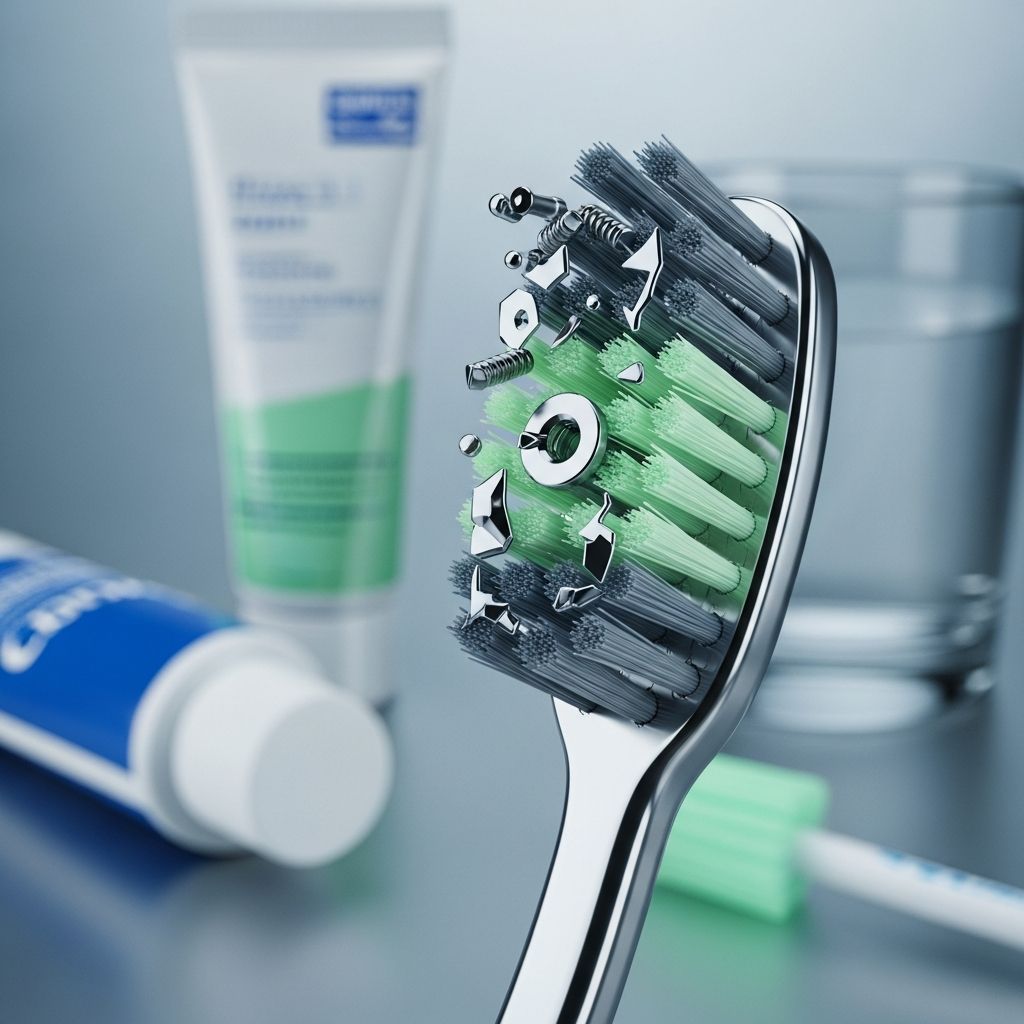
A metallic taste in your mouth can be an uncomfortable and persistent problem that affects your quality of life and enjoyment of food. This sensation, medically known as dysgeusia, can range from mild and occasional to severe and constant. Understanding the underlying causes and learning effective strategies to combat this issue is essential for restoring your normal sense of taste and improving your overall well-being.
Understanding Metallic Taste: What Is Metal Mouth?
Metallic taste, or “metal mouth,” refers to an abnormal taste sensation that feels like you have been sucking on a piece of metal or coin. This condition can occur suddenly or develop gradually over time. While it is rarely a sign of a serious medical condition, it can significantly impact your quality of life by making food taste unpleasant and reducing your appetite. The sensation may be constant or intermittent, and it can affect your ability to enjoy meals and maintain proper nutrition.
Common Causes of Metallic Taste
Understanding the root cause of your metallic taste is crucial for finding an effective solution. Several factors can contribute to this unpleasant sensation:
Medications and Medical Treatments
One of the most common causes of metallic taste is medication side effects. Certain medications including antibiotics, antihistamines, blood pressure medications, metronidazole, and zopiclone can cause this symptom as an adverse reaction. If you suspect your medication is causing the metallic taste, do not stop taking it without consulting your healthcare provider. Instead, speak with your pharmacist about potential alternatives or ways to manage this side effect.
Poor Oral Hygiene and Dental Issues
Gum disease, such as gingivitis or periodontitis, is a significant contributor to metallic taste. When your gums are inflamed or bleeding due to poor oral hygiene, they can produce a metallic taste sensation. Regular brushing, flossing, and professional dental check-ups every six months are essential preventive measures.
Infections and Respiratory Conditions
Sinus infections, colds, and upper respiratory infections can alter your sense of smell and taste, often resulting in a metallic taste. This occurs because these infections affect the olfactory receptors and taste buds. Fortunately, this type of metallic taste typically resolves once the infection clears.
Cancer Treatments
Chemotherapy and radiotherapy can significantly alter taste buds, leading to a persistent metallic taste. Cancer patients undergoing these treatments often experience changes in taste perception as a side effect of the therapy. This is a temporary condition that may improve as treatment progresses or concludes.
Nutritional Deficiencies
Deficiencies in essential vitamins and minerals, particularly vitamin B12 and zinc, can cause taste disturbances including metallic taste. These nutrients are crucial for maintaining healthy taste receptors and proper sensory function.
Acid Reflux and Indigestion
Gastroesophageal reflux disease (GERD) and indigestion can cause a metallic taste in your mouth. The stomach acid that backs up into the esophagus can trigger this unusual taste sensation. Addressing the underlying acid reflux problem often resolves the metallic taste.
Related Stories



Other Contributing Factors
Pregnancy-related hormonal changes, chemical exposure (such as lead or paint fumes), and certain neurological conditions can also cause metallic taste. Additionally, anxiety and stress can contribute to dry mouth and taste alterations.
Effective Home Remedies for Metallic Taste
Before seeking medical intervention, several home remedies can help alleviate metallic taste:
Saltwater Rinse
A simple saltwater rinse can help cleanse your mouth and reduce metallic taste sensations. Mix half a teaspoon of salt in warm water and rinse your mouth thoroughly. This remedy helps eliminate bacteria and can provide temporary relief from the metallic sensation.
Baking Soda Mouthwash
Baking soda has natural cleansing properties that can help neutralize metallic taste. Mix baking soda with water to create a mouthwash, and use it regularly to rinse your mouth. This can help restore a more neutral taste in your mouth.
Citrus Fruits and Juices
Citric acid from lemons, limes, and oranges can help mask and reduce metallic taste. Consuming citrus fruits or drinking fresh citrus juices can stimulate your taste buds and help counteract the metal flavor. The acidic nature of these fruits helps cleanse your palate.
Stay Hydrated
Drinking plenty of water throughout the day is one of the most effective ways to combat metallic taste. Adequate hydration helps flush out toxins from your system and keeps your mouth clean. Aim to drink at least eight glasses of water daily, and consider increasing your intake if you experience a persistent metallic taste.
Use a Tongue Scraper
A tongue scraper can remove bacteria and debris from your tongue’s surface, which may be contributing to the metallic taste. Gently scraping your tongue each morning can improve your overall oral hygiene and taste perception.
Improve Your Oral Hygiene
Regular brushing with a soft-bristled toothbrush, daily flossing, and using a mouthwash can significantly improve metallic taste caused by dental issues. Ensure you brush your teeth at least twice daily and floss once daily.
Dietary Adjustments
Ensuring a balanced diet with adequate vitamins and minerals, especially B12 and zinc, can help improve taste disturbances. Consider incorporating more nutrient-rich foods into your diet or taking supplements if recommended by your healthcare provider. Additionally, eating stronger-tasting foods like ginger, spices, and flavorful herbs can help mask the metallic taste temporarily.
Chewing Sugar-Free Gum or Mints
Sugar-free gum or mints can help stimulate saliva production and mask the metallic taste sensation. Chewing gum throughout the day can provide temporary relief and freshen your breath.
Medical Treatment Options
Addressing the Underlying Cause
The most effective way to treat metallic taste is to identify and address its root cause. Treatments may include:
- Adjusting or changing medications that cause metallic taste as a side effect
- Treating infections with appropriate antibiotics or antivirals
- Managing acid reflux with medications or lifestyle changes
- Supplementing deficient vitamins or minerals
- Adjusting cancer treatment protocols if applicable
Dental Treatment
If your metallic taste is caused by gum disease or other dental issues, your dentist may recommend professional cleaning, root planing, or other periodontal treatments to restore your oral health and eliminate the metallic taste.
Stress Management and Anxiety Treatment
Since anxiety and stress can contribute to metallic taste and dry mouth, implementing stress management techniques is important. Consider incorporating exercise, yoga, meditation, or professional counseling into your routine. Cognitive behavioral therapy has been shown to help reduce symptoms related to taste and oral discomfort.
When to See a Doctor
While metallic taste is often harmless and self-resolving, you should consult a healthcare provider if:
- The metallic taste persists for more than a few days without an obvious cause
- It is accompanied by other serious symptoms such as difficulty breathing, chest pain, or severe headaches
- You experience signs of infection, including fever, swelling, or pus
- You suspect it is related to a newly started medication or serious health condition
- Home remedies fail to provide relief after several weeks
- The taste disturbance significantly impacts your ability to eat and maintain proper nutrition
A healthcare provider can perform a thorough evaluation, which may include reviewing your medical history, conducting a physical examination, and possibly ordering blood tests or imaging studies to determine the underlying cause. Treatment will then be tailored based on the identified cause.
Practical Tips for Daily Management
Food and Beverage Choices
When dealing with metallic taste, be mindful of your food choices. Avoid foods that may exacerbate the metallic sensation, such as red meat or foods cooked in metal cookware. Instead, opt for softer foods, poultry, fish, and foods prepared in non-metal containers. Consuming cold foods and beverages may also help mask the metallic taste.
Maintaining Consistent Oral Care
Establish a consistent oral hygiene routine that includes brushing twice daily, flossing once daily, and using mouthwash. Consider using a toothpaste specifically designed for sensitive mouths or one that contains anti-bacterial properties.
Regular Dental Check-ups
Schedule dental appointments every six months to ensure your teeth and gums remain healthy. Early detection and treatment of dental problems can prevent or quickly resolve metallic taste issues.
Comparison of Treatment Approaches
| Treatment Method | Effectiveness | Cost | Time to Relief | Best For |
|---|---|---|---|---|
| Home Remedies (saltwater, hydration) | Moderate | Very Low | Hours to Days | Mild cases, temporary relief |
| Medication Adjustment | High | Varies | Days to Weeks | Medication-induced metallic taste |
| Dental Treatment | High | Moderate | Weeks | Gum disease or dental issues |
| Medical Treatment for Infections | High | Varies | Days to Weeks | Infection-related metallic taste |
| Nutritional Supplementation | Moderate to High | Low | Weeks to Months | Vitamin or mineral deficiencies |
Frequently Asked Questions About Metallic Taste
Q: Is metallic taste dangerous?
A: Metallic taste itself is rarely dangerous, but it can indicate an underlying condition that requires attention. If accompanied by severe symptoms, seek medical care immediately.
Q: How long does metallic taste typically last?
A: The duration depends on the cause. Infection-related metallic taste may resolve in days to weeks, while medication-induced or nutritional deficiency-related cases may take longer. Seek medical advice if it persists beyond a few weeks.
Q: Can metallic taste be prevented?
A: Yes, maintaining good oral hygiene, addressing infections promptly, ensuring adequate nutrition, and managing stress can help prevent metallic taste in many cases.
Q: What medications commonly cause metallic taste?
A: Antibiotics, antihistamines, blood pressure medications, metronidazole, and zopiclone are among the most common medications that can cause this side effect.
Q: Should I stop taking medication if it causes metallic taste?
A: Never stop taking prescribed medication without consulting your healthcare provider. Instead, discuss the side effect with your doctor or pharmacist who may adjust your dose or recommend an alternative medication.
Q: Can pregnancy cause metallic taste?
A: Yes, hormonal changes during pregnancy can result in metallic taste. This typically resolves after pregnancy, but inform your healthcare provider for monitoring.
Q: How can I improve my diet to help with metallic taste?
A: Ensure adequate intake of B12, zinc, and other essential vitamins and minerals. Consider consulting a nutritionist for personalized dietary recommendations.
References
- Why do I have the taste of metal in my mouth? Doctor explains 6 causes — Cleveland Clinic. 2024. https://health.clevelandclinic.org/common-causes-for-metallic-taste-in-your-mouth
- Effective Home Remedies to Eliminate Metallic Taste from Your Mouth Quickly — Health Education Resources. 2024. https://www.dhgate.com
- Anxiety and Oral Health: Burning Lips and Taste Disturbances — Vinmec International Hospital. 2024. https://www.vinmec.com
- Taste Disorders — National Institute on Deafness and Other Communication Disorders (NIDCD), National Institutes of Health. https://www.nidcd.nih.gov/health/taste-disorders
- Medications That Cause Taste Disturbances — U.S. Food and Drug Administration. https://www.fda.gov
Similar Articles








Read full bio of Sneha Tete