Tips for First-Time Gardeners: Start Your Journey
Begin your gardening journey with expert tips for soil prep, seed selection, and plant care success.
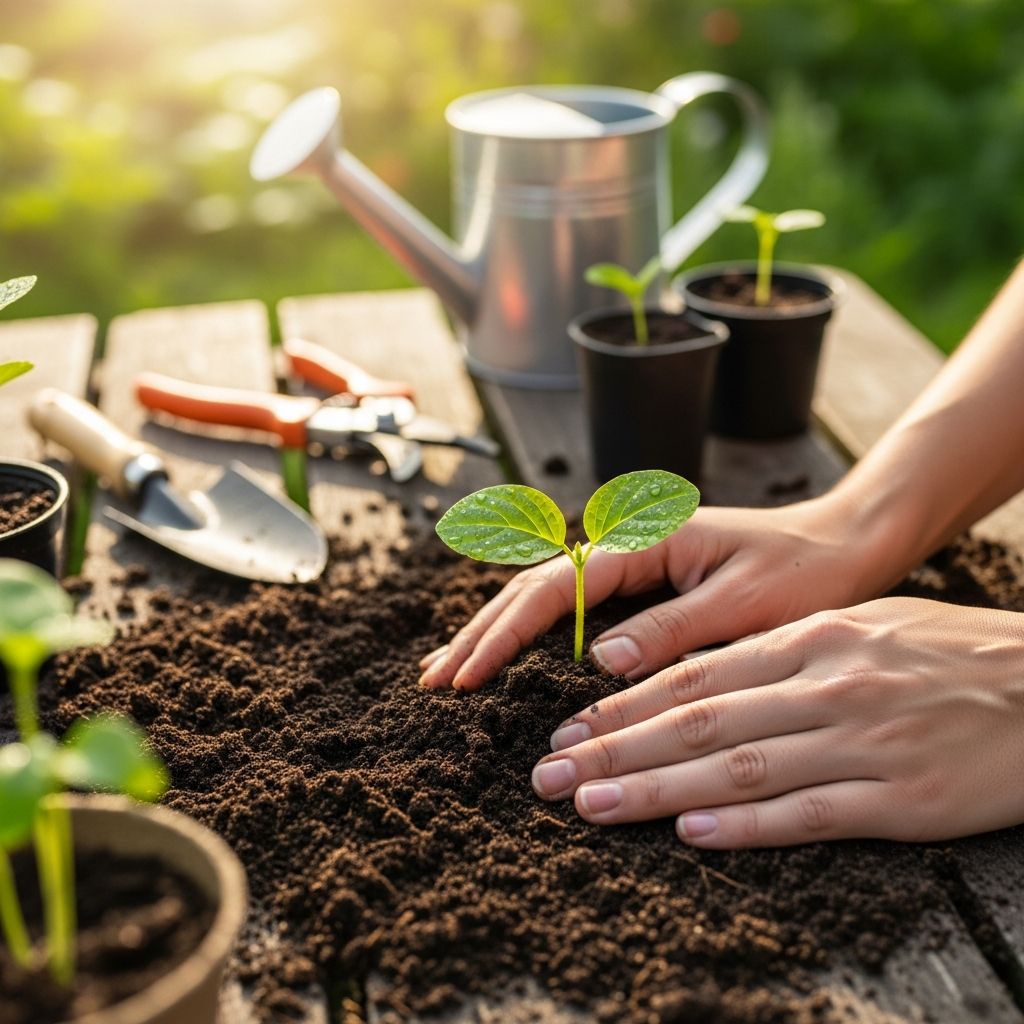
Gardening is a rewarding way to get physical activity, enjoy fresh air and sunshine, and connect with nature while reducing stress. Vegetable gardening offers significant benefits, including saving money on grocery bills, reducing your environmental impact, and improving your diet quality. Research demonstrates that people who garden tend to eat more fruits and vegetables than those who don’t, primarily because gardening makes accessing fresh, healthy food convenient and rewarding. Whether you have a large yard or limited space, starting a garden is achievable with proper planning and effort.
Understanding Your Seed Options
Seeds are the foundation of any successful garden. Selecting the right seeds requires careful consideration of several factors, including the type of plants you want to grow, your local climate, and the space available. Understanding the different seed varieties helps you make informed decisions aligned with your gardening goals and experience level.
Types of Seeds Available
Three main varieties of seeds are available to gardeners: conventional, organic, and heirloom seeds. Conventional seeds are typically bred for high yields and strong resistance to pests and diseases, making them an excellent choice for beginner gardeners who want reliable results. Organic seeds are grown without synthetic pesticides or fertilizers, appealing to those prioritizing chemical-free gardening. Heirloom seeds are generally passed down from generation to generation and offer unique varieties with historical significance, though they may require more gardening experience to cultivate successfully.
Preparing and Understanding Your Soil
Healthy soil is foundational to growing healthy plants. Good soil should possess three essential characteristics: it should be loose and well-aerated, well-drained to prevent waterlogging, and rich in organic matter that supplies necessary nutrients. Many beginning gardeners underestimate the importance of soil quality, but investing time in soil preparation pays dividends throughout the growing season.
Improving Soil Quality
You can significantly improve soil quality by adding compost or other organic matter such as dried leaves, grass clippings, or peat moss. These materials enhance soil structure, increase nutrient content, and improve water retention. Most home improvement stores carry these amendments, making them readily accessible. Additionally, the U.S. Department of Agriculture recommends testing your soil to ensure it is safe and does not contain elevated lead levels, which is particularly important if you’re growing food for consumption. Professional soil testing can identify nutrient deficiencies and pH levels, allowing you to make targeted improvements before planting.
Selecting the Right Location for Your Garden
Location selection significantly impacts gardening success. Before you start digging, carefully evaluate several factors specific to your gardening goals and plant choices. The right location sets the stage for thriving plants and abundant harvests.
Key Location Considerations
- Sunlight Requirements: Plants requiring full sun need a location providing at least 6 hours of direct sunlight daily. Understanding your plants’ specific sunlight needs ensures optimal growing conditions.
- Garden Size: Consider the space available and the size of garden you want to create. Starting small allows you to gradually expand as you gain experience.
- Plant Types: Different vegetables and fruits have varying spatial requirements and growing conditions. Plan your location based on what you want to grow.
- Climate Compatibility: Choose plants suited to your local climate to increase success rates and reduce the need for special care or equipment.
- Time and Resource Investment: Realistically assess how much time and money you can invest. A smaller, well-maintained garden outperforms a large, neglected one.
Related Stories



Planning Your Garden Layout
After choosing a location, sketch out your garden plan on paper, detailing where each plant will grow. This planning step prevents overcrowding and ensures each plant has adequate space and resources. Consider these important factors when designing your layout:
- Soil Depth Requirements: Some plants, such as carrots and potatoes, require deep soil to develop properly. Research each plant’s root depth before placement.
- Plant Size and Spread: Large plants need more space to spread without shading or competing with neighbors. Proper spacing promotes air circulation and reduces disease.
- Time Availability: Be honest about how much time you can dedicate to gardening. More complex gardens require more maintenance.
- Your Skill Level: Beginner gardeners should start with easy-to-grow plants that tolerate minor mistakes and produce reliable results.
Starting Your Vegetable Garden
Launching a vegetable garden involves several sequential steps that build on one another. Understanding the process from preparation through harvest helps you anticipate challenges and achieve success.
Site Preparation and Setup
Begin by clearing your chosen location of weeds and debris. If you’re establishing an in-ground garden, you’ll need to till the soil, which you can accomplish by hand using a shovel, rake, and hoe, or by renting a rototiller for larger areas. This process breaks up compacted soil and incorporates amendments. Using a weed barrier before planting significantly reduces the time you’ll spend pulling unwanted vegetation that could compete with your plants for nutrients and water.
Obtaining Your Plants
There are two primary methods for obtaining plants: starting from seeds or purchasing seedlings. Starting from seeds is the least expensive approach but requires patience, as seeds take longer to germinate and grow. Seeds are also more vulnerable to being washed away during heavy watering. An alternative approach involves starting seeds indoors in trays under grow lights, then transplanting them outdoors when they’re established enough to survive outdoor conditions. The third option involves purchasing already-grown seedlings from a nursery or garden center. While more expensive upfront, seedlings provide a head start and higher success rates, making them ideal for beginners.
Caring for Seedlings
If you choose to start seeds indoors, proper seedling care is critical for developing strong plants ready for transplanting. Follow these essential practices:
- Keep soil consistently moist but not waterlogged or soggy, which can cause damping-off disease
- Once seedlings sprout, thin them by removing weaker seedlings so only one strong seedling remains per pot or cell
- Continue regular watering and fertilizing as seedlings develop their first true leaves
- Begin the hardening-off process about 7-10 days before transplanting by gradually exposing seedlings to outdoor conditions, which acclimates plants to temperature fluctuations, wind, and direct sunlight, significantly reducing transplant shock
Planting and Initial Care
Proper planting technique establishes a strong foundation for plant growth. Space plants according to seed packet instructions or seedling container recommendations. Inadequate spacing forces plants to compete for sunlight, water, and nutrients, resulting in stunted growth and reduced productivity. Water newly planted seedlings gently and consistently, keeping soil moist without saturating it.
Basic Plant Care and Maintenance Guidelines
Successful gardens require consistent, appropriate care throughout the growing season. Several key practices ensure healthy plant development and abundant harvests.
Watering Best Practices
Water management is fundamental to gardening success. Most plants require at least 1 inch of water weekly, though this varies based on climate, soil type, and plant variety. Water at the base of plants rather than overhead to minimize disease and reduce water waste through evaporation. Morning watering is ideal, allowing foliage to dry quickly and preventing fungal issues. Overwatering is a common beginner mistake that can cause root rot and plant death, while underwatering results in dry leaves, wilting, and eventually plant demise. Monitor soil moisture by inserting a finger 1-2 inches into the soil; if it feels dry, watering is needed.
Spacing and Air Circulation
Proper plant spacing cannot be overstated in importance. Crowded plants compete for resources, resulting in weaker growth and increased disease susceptibility. Adequate spacing ensures good air circulation, which reduces fungal and bacterial diseases while promoting stronger stems and fuller foliage.
Harvesting Strategies
Regular harvesting encourages continued production throughout the season. As you remove mature vegetables, the plant receives signals to produce more flowers and fruit. Waiting too long to harvest results in overripe produce that tastes less appealing and discourages further plant production. Establish a regular harvesting schedule to maximize yield and eating quality.
Essential Gardening Tools
Having the proper tools makes gardening easier, more efficient, and more enjoyable. Basic tools every gardener should have include:
- Shovel: Essential for digging and turning soil
- Hoe: Useful for breaking up soil clumps and removing weeds
- Rake: Helps level soil and gather debris
- Trowel: Perfect for planting transplants and small tasks
- Watering Can or Hose: Critical for consistent irrigation
Investing in quality tools pays dividends through years of reliable use. Proper tool maintenance, including cleaning and occasional sharpening, extends their lifespan and improves effectiveness.
Beginner-Friendly Plants to Grow
Success builds enthusiasm for continued gardening. Starting with reliable, easy-to-grow plants ensures you experience quick wins that motivate continued effort. Some excellent choices for beginners include:
- Tomatoes: Prolific producers that thrive in most climates with proper support
- Lettuce and Salad Greens: Fast-growing and perfect for small spaces, ready for harvest in 30-45 days
- Green Beans: Reliable producers with quick growing times
- Zucchini: Extremely productive plants that often produce abundantly
- Carrots: Rewarding to grow when soil is properly prepared
- Herbs: Among the easiest plants to grow, providing culinary value and often producing abundantly
Understanding Plant Timing
Each plant has optimal planting times based on your local climate and frost dates. Seed packets contain crucial information about when to plant in your region. Timing affects germination rates, growing season length, and overall success. Consulting local cooperative extension services or gardening centers helps you understand your area’s specific planting calendar, ensuring you plant at the most advantageous time.
Resources for Continued Learning
Successfully starting your gardening journey doesn’t require being an expert from day one. Numerous resources support beginner gardeners through the learning process:
- Local Libraries: Offer gardening books, guides, and resources
- College and University Extension Services: Provide research-based information and often offer workshops
- Local Nurseries: Staff can offer region-specific advice and product recommendations
- Home Improvement Stores: Often have gardening experts available and carry supplies
- Cooperative Extension Websites: Offer free, research-backed gardening information
Frequently Asked Questions
Q: When is the best time to start a garden?
A: The best planting time depends on your climate and the plants you want to grow. Most vegetables are planted in spring after the last frost date. Check seed packets and consult your local cooperative extension service for region-specific timing guidance.
Q: How much space do I need to start a garden?
A: You can start successfully with just a small corner of your yard or even with container gardens on a patio. Begin small and expand as you gain experience and confidence. Many productive gardens occupy only 4 x 8 feet or smaller.
Q: What if I don’t have good soil?
A: Poor soil can be significantly improved by adding organic matter like compost, aged leaves, or grass clippings. Alternatively, you can create raised beds filled with quality soil mixtures, or start a container garden with potting soil.
Q: How often should I water my garden?
A: Most plants need about 1 inch of water per week, but this varies based on climate, plant type, and soil conditions. Water when the top 1-2 inches of soil feel dry, usually every 2-3 days during hot weather.
Q: Can I garden if I only have limited sunlight?
A: Most vegetables need at least 6 hours of direct sunlight daily, but some plants like lettuce, spinach, and herbs tolerate partial shade. Assess your available light and choose shade-tolerant plants accordingly.
Q: What should I do with my harvest?
A: Enjoy fresh vegetables immediately for maximum flavor and nutrition. Excess produce can be preserved through freezing, canning, or drying. Sharing abundances with family, friends, and neighbors builds community while reducing waste.
References
- Tips for First-Time Gardeners — Academy of Nutrition and Dietetics. 2024. https://www.eatright.org/food/planning/food-security-and-sustainability/tips-for-first-time-gardeners
- Spring Garden Starter Tips — Eat Right Massachusetts. March 7, 2022. https://blog.eatrightma.org/2022/03/07/spring-garden-starter-tips/
- Kids in the Garden: A Nutritious and Fun Experience — Academy of Nutrition and Dietetics. 2024. https://www.eatright.org/food/planning/food-security-and-sustainability/kids-in-the-garden-nutritious-and-fun
- Start or Participate In a Community Garden — Academy of Nutrition and Dietetics. 2024. https://www.eatright.org/food/planning/food-security-and-sustainability/community-gardens
- Start a Container Garden with Your Family — Academy of Nutrition and Dietetics. 2024. https://www.eatright.org/food/planning/food-security-and-sustainability/start-a-container-garden-with-your-family
Similar Articles








Read full bio of medha deb