Better Sleep In Summer: 6 Expert Tips For 2025
Expert strategies to beat summer heat, light, and disruptions for restorative sleep all season long.
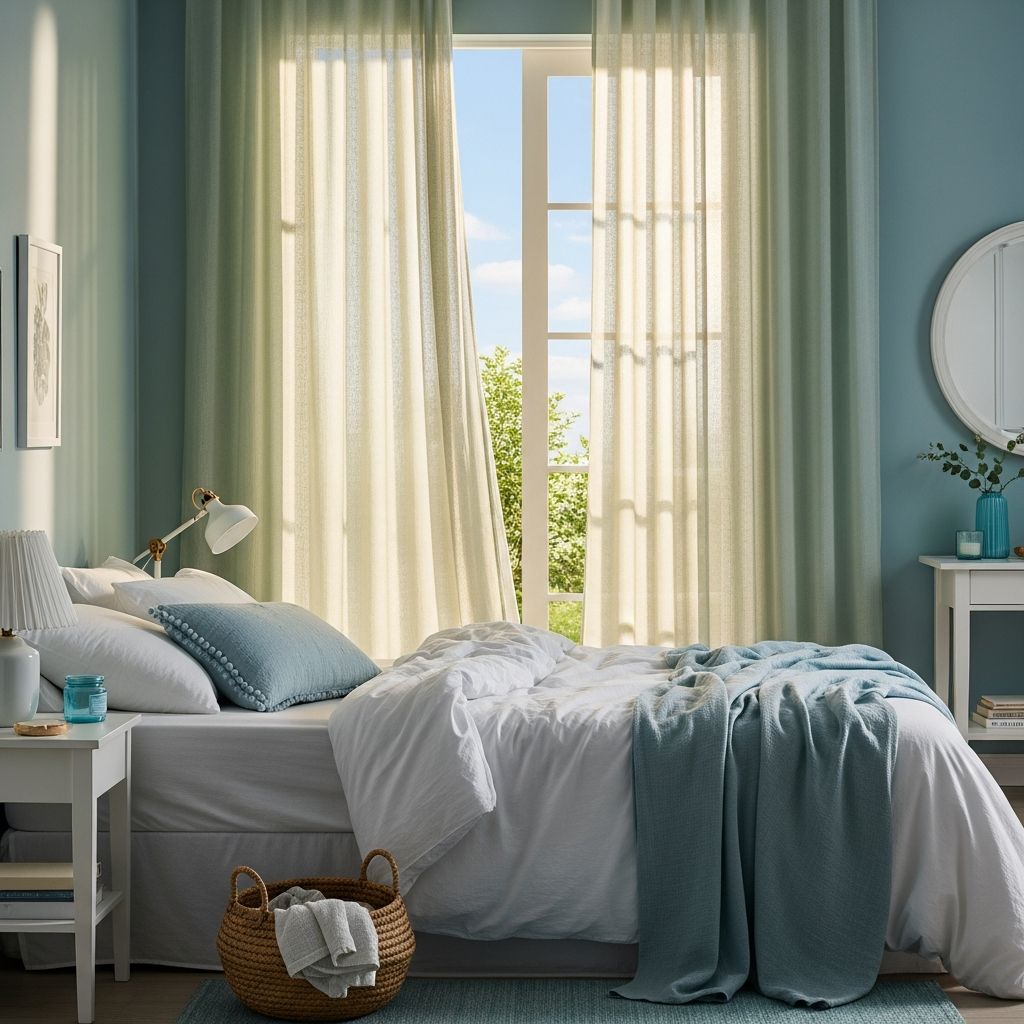
Summer brings longer days, higher temperatures, and lifestyle changes that can disrupt your sleep. With extended sunlight exposure and warmer nights, maintaining restful sleep becomes challenging, potentially leading to fatigue, impaired cognitive function, and health risks like increased heart disease or weakened immunity. This guide covers proven strategies to enhance sleep quality, drawing from expert recommendations on light management, cooling techniques, routines, and more.
Why Summer Disrupts Sleep
Higher evening temperatures prevent the natural drop in body temperature needed for sleep onset, while prolonged daylight suppresses melatonin production, the hormone regulating sleep-wake cycles. Studies show extreme heat reduces REM sleep, essential for memory and restoration. Additionally, social activities and screen time contribute to ‘social jet lag,’ delaying bedtimes and fragmenting sleep.
Consistent sleep schedules are vital; irregular bedtimes hinder circadian rhythm regulation, making it harder to feel rested. Adults need 7-9 hours nightly for optimal health, including cardiovascular protection.
Use Sunlight Wisely
Morning sunlight signals wakefulness to your brain, boosting mood and energy. Open shades immediately upon waking or step outside to align your internal clock. Natural light during the day supports deeper sleep later.
- Get sunlight exposure early: Enhances alertness and prepares for evening wind-down.
- Avoid evening light: Later sunsets delay melatonin; dim lights 2 hours before bed.
Block sunlight during the day with shades to keep rooms cooler and reduce light pollution at night, but ensure morning exposure to maintain rhythms.
Maintain a Consistent Sleep Schedule
Go to bed and wake at the same times daily, even weekends, to stabilize your circadian rhythm. The Sleep Foundation notes consistent schedules increase feelings of being well-rested. Aim for 7+ hours; avoid staying up late due to screens or summer events.
‘Social jet lag’ from late nights mimics time zone shifts, impairing sleep quality. Prioritize routine over variability for better adaptation to summer’s demands.
Cool Your Bedroom Effectively
The ideal sleep temperature is 65-68°F (18-20°C); heat traps prevent this drop, causing wakefulness. Use fans, AC, breathable bedding, and cooling methods:
- Fans and AC: Circulate air; set AC to 65°F or run briefly before bed.
- Shades/Blinds: Close during day to block heat and light.
- Cooling Bedding: Choose cotton, bamboo, linen, or moisture-wicking sheets/pillows that dissipate heat.
- Mattress: Opt for natural materials over synthetic foam to avoid heat retention.
| Method | Benefits | Tips |
|---|---|---|
| Fan + AC | Reduces humidity, circulates cool air | Set fan to exhaust hot air; AC at 70°F max |
| Breathable Sheets | Wicks moisture, promotes airflow | Bamboo or linen; avoid heavy fabrics |
| Shades | Blocks daytime heat buildup | Blackout for light control too |
Optimize Your Evening Wind-Down
As sun sets, mimic nature: Dim lights, avoid screens 1-2 hours before bed—their blue light mimics sunlight, suppressing melatonin. Replace with reading, meditation, or calming music.
Related Stories



- Turn off devices 30-60 minutes pre-bed; bed is for sleep only.
- Avoid exercise near bedtime; schedule earlier to prevent temperature spikes.
Watch Diet and Substances
Heavy meals, caffeine, nicotine, and alcohol disrupt sleep. Caffeine lingers 8 hours; alcohol fragments cycles, reducing quality by up to 39%. Eat consistently timed, light evening meals.
- No caffeine post-noon; limit alcohol 3+ hours before bed.
- Skip nicotine; it acts as a stimulant.
Exercise 30 minutes daily, 5 days/week, for deeper sleep—but not late.
Enhance Sleep Hygiene Practices
Sleep hygiene encompasses habits for quality rest:
- Consistent meals and exercise.
- Sunlight by day, darkness at night.
- Cool, dark, quiet room.
Take a lukewarm (not cold) bath 1-2 hours before bed; it draws core heat via circulation, aiding cooldown. Consider light pajamas or sleeping nude for breathability.
Frequently Asked Questions (FAQs)
What’s the best room temperature for sleep in summer?
Aim for 65-68°F; use fans/AC to achieve this, as heat hinders deep sleep stages.
Should I exercise before bed in hot weather?
No—earlier workouts prevent body temperature elevation that delays sleep onset.
Do screens really affect summer sleep?
Yes, blue light blocks melatonin like evening sun; stop 2 hours prior.
Is a warm bath helpful for hot nights?
Yes, lukewarm baths 2 hours before bed promote cooling via blood flow.
How much morning sunlight do I need?
Brief exposure upon waking sets your circadian rhythm for better night sleep.
Long-Term Benefits of Summer Sleep Optimization
Implementing these tips reduces risks like obesity, diabetes, and hypertension linked to poor sleep. Better rest enhances immunity, cognition, and mood, helping you thrive in summer heat.
Track progress with a sleep diary; consult specialists if issues persist, like at sleep centers.
References
- Tips For Better Sleep During Summer Months — Weill Cornell Medicine. 2023. https://weillcornell.org/news/tips-for-better-sleep-during-summer-months
- How Summer Affects Sleep — Navarro Regional Hospital. 2023-07. https://www.navarrohospital.com/health-library/439
- Keep your cool – and stay healthy – with these hot-weather sleep tips — American Heart Association. 2025-08-19. https://www.heart.org/en/news/2025/08/19/keep-your-cool-and-stay-healthy-with-these-hot-weather-sleep-tips
- Tips for better sleep in summer — Patient.info. 2023. https://patient.info/features/healthy-living/tips-for-better-sleep-in-summer
Similar Articles








Read full bio of Sneha Tete