Dry January: 6 Expert Tips To Succeed in 2025
Expert strategies to succeed in Dry January, boost health, improve sleep, mood, and build lasting habits for a healthier year.
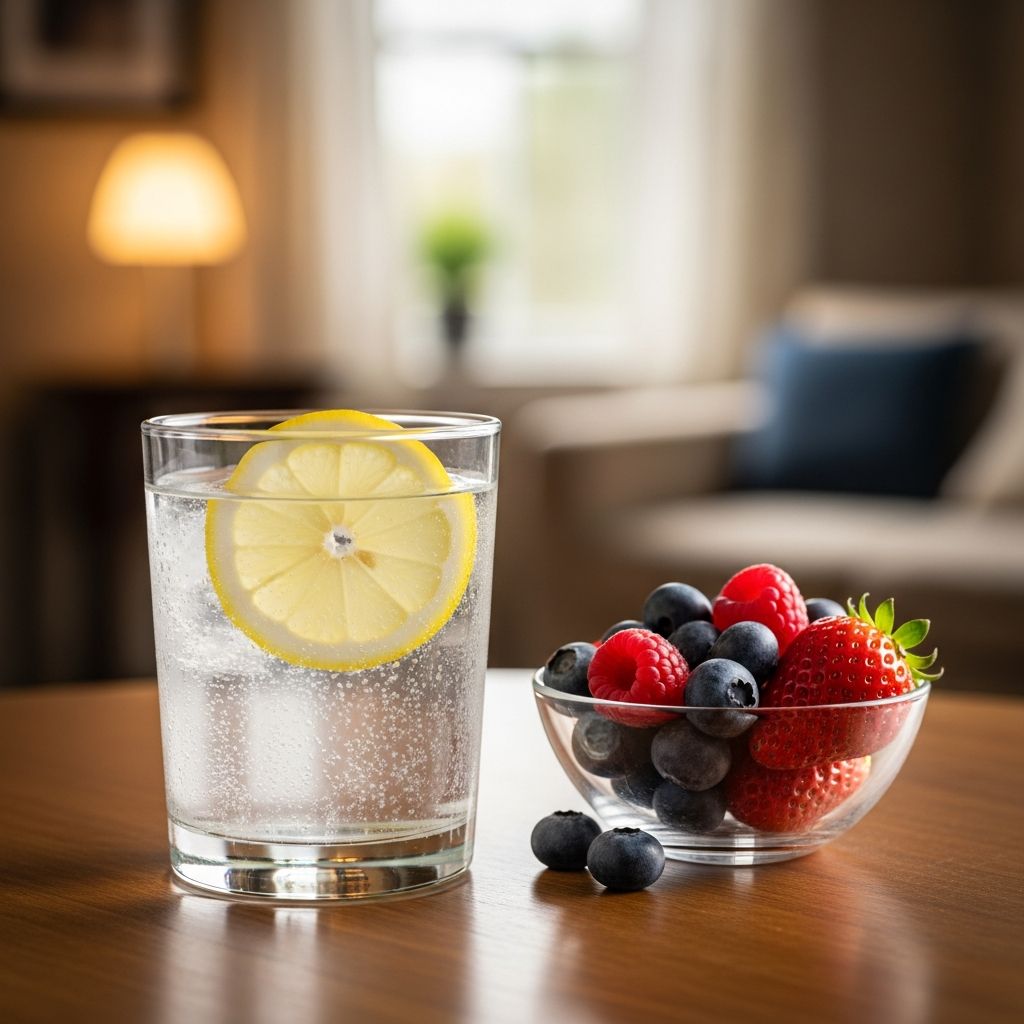
Dry January challenges participants to abstain from alcohol for the entire month of January, offering a structured opportunity to reset habits and experience notable health improvements. This initiative, popularized in recent years, helps individuals assess their relationship with alcohol while reaping benefits like enhanced sleep, elevated mood, weight management, and reduced disease risk.
What Is Dry January?
**Dry January** is a public health campaign encouraging people to avoid alcoholic beverages throughout January, typically following holiday overindulgence. Originating from initiatives like those by Alcohol Change UK, it has gained traction globally, with participants reporting sustained reductions in alcohol consumption post-challenge. Even partial reductions, dubbed ‘Damp January,’ yield health gains by lowering intake frequency and volume.
Health experts from institutions like UC Davis Health and UCLA Health emphasize its value for renewing health, replenishing nutrition, and rethinking beverage choices. Abstaining provides 31 days to observe personal patterns, cultivate non-alcoholic coping mechanisms, and note improvements in energy, sleep, and vitality.
Health Benefits of Dry January
Quitting alcohol temporarily delivers rapid and profound benefits, supported by research and expert insights. A review of 16 studies involving over 150,000 participants found improvements in sleep, mood, and overall health, with most maintaining moderated drinking afterward.
- Improved Sleep: Alcohol disrupts REM sleep cycles; abstinence restores deeper, restorative sleep, reducing fatigue and enhancing daily alertness.
- Better Mood and Energy: Reduced inflammation and stabilized blood sugar elevate mood, combat anxiety, and boost vitality, as noted by UCLA Health experts.
- Weight Loss: Alcoholic drinks contribute empty calories and added sugars; cutting them aids dietary restraint and fat reduction, including liver fat.
- Increased Physical Activity: Higher energy levels encourage exercise, further amplifying health gains.
- Reduced Cancer and Disease Risk: Even low alcohol intake raises cancer risk; a 2022 study linked reductions to lower alcohol-related and all-cause cancer incidence. The U.S. Surgeon General highlighted alcohol’s role in six cancers.
- Liver Regeneration: Within 30 days, the liver heals, reducing fat buildup and improving function.
- Cognitive Enhancements: Less brain inflammation sharpens memory, clarity, and executive function.
- Other Gains: Lower blood pressure, better digestion, and financial savings from skipped bar tabs.
Long-term, adhering to
Dietary Guidelines for Americans (2020–2025)
—limiting to 1 drink/day for women and 2 for men—minimizes risks, though less is optimal.Tips to Succeed in Dry January
Success hinges on preparation, mindfulness, and alternatives. Experts from NIAAA and Brown University School of Public Health offer these strategies.
1. Set Clear Goals and Track Progress
Define your ‘why’—health reset, better sleep, or curiosity. Journal daily benefits like improved energy to sustain motivation. Apps or planners track streaks, reinforcing commitment.
2. Plan Non-Alcoholic Alternatives
Stock
mocktails
and infused waters. Use fruits, herbs, and spices for flavor without calories or sugars.- Berry Basil Sparkler: Muddle berries and basil, add sparkling water, lemon squeeze. Prep: 5 minutes.
- Cucumber Ginger Fizz: Slice cucumber and ginger, infuse in water overnight, top with soda. Antioxidant-rich.
- Virgin Mojito: Mint, lime, soda, stevia—refreshing and low-cal.
Related Stories



3. Navigate Social Situations
Alcohol-centric events challenge resolve. Opt for early arrivals/departures, designate as driver, or suggest alcohol-free venues. Communicate goals to friends for support; group challenges amplify success.
4. Manage Cravings and Stress
Cravings peak early; distract with walks, meditation, or hobbies. Hydrate extensively—thirst mimics alcohol urges. Healthy snacks curb munchies from better sleep.
5. Build a Support System
Involve friends or join online communities. UCLA’s ‘Damp January’ accommodates moderation for social drinkers.
6. Post-January Plan
Avoid rebound; set mindful limits per guidelines. Many sustain lower intake, per Brown University research. Heavy drinkers: Consult physicians before quitting abruptly.
Who Should Avoid Alcohol Entirely?
Certain groups must abstain completely:
- Pregnant individuals or those planning pregnancy.
- Those under 21.
- People with AUD history or control issues.
- Individuals on conflicting medications.
- Those driving/operating machinery.
- People with conditions like liver disease.
Mocktail Recipes for Dry January
These nutritious swaps add fiber and antioxidants.
| Recipe | Ingredients | Prep Time | Benefits |
|---|---|---|---|
| Berry Basil Sparkler | Fresh berries, basil leaves, sparkling water, lemon | 5 min | Antioxidants, hydration |
| Cucumber Ginger Fizz | Cucumber slices, ginger, sparkling water | 10 min (infuse overnight) | Digestion aid, low-cal |
| Spiced Apple Warmer | Apple juice, cinnamon, cloves, hot water | 5 min | Warming, vitamin C |
| Herbal Citrus Punch | Orange, grapefruit, mint, soda water | 7 min | Vitamin boost, refreshing |
Potential Challenges and Solutions
Challenge: Social Pressure – Solution: Pre-rehearse polite declines like ‘I’m doing Dry January for health.’
Challenge: Boredom – Solution: New routines like gym classes or reading.
Challenge: Sleep Disruption Initially – Solution: Consistent bedtime, no screens.
Frequently Asked Questions (FAQs)
What if I slip up during Dry January?
Refocus without self-judgment; one slip doesn’t erase progress. Note triggers for future avoidance.
Is Dry January safe for heavy drinkers?
No—sudden cessation risks withdrawal. Seek medical guidance first.
Will benefits last beyond January?
Yes, with planning; studies show sustained moderation.
What counts as one drink?
Per guidelines: 12 oz beer, 5 oz wine, 1.5 oz spirits.
Can non-drinkers participate?
Absolutely—to reinforce healthy habits and support others.
Maintaining Momentum Year-Round
Ride January’s wave into ‘Dry February’ or mindful drinking. Integrate habits like meatless meals or Mediterranean diet for compounded benefits. Track via journals; celebrate non-alcohol rewards.
Dry January isn’t just a month—it’s a catalyst for lifelong wellness, rethinking social norms, and prioritizing health amid a booze-friendly culture.
References
- Dry January: Why cutting out alcohol this month can boost your health, sleep, mood and more — UC Davis Health. 2025-12. https://health.ucdavis.edu/blog/cultivating-health/dry-january-why-cutting-out-alcohol-this-month-can-boost-your-health-sleep-mood-and-more/2025/12
- Support for ‘Dry January’ — UCLA Health. https://www.uclahealth.org/news/article/support-dry-january
- Kicking off the new year with Dry January? Here are six tips for success — National Institute on Alcohol Abuse and Alcoholism (NIAAA). https://www.niaaa.nih.gov/about-niaaa/directors-page/niaaa-directors-blog/kicking-new-year-with-dry-january-here-are-six-tips-success
- Thinking of Dry January? One month without alcohol linked to better sleep, mood and health — Brown University School of Public Health. 2025-12-03. https://sph.brown.edu/news/2025-12-03/dry-january
- Dry January: Eight Health Benefits of Going Alcohol Free — South Shore Health. https://www.southshorehealth.org/wellness/blog/dry-january-eight-health-benefits-going-alcohol-free
- Should you do Dry January? Experts weigh in — MD Anderson Cancer Center. https://www.mdanderson.org/cancerwise/should-you-do-dry-january-experts-weigh-in.h00-159703068.html
Similar Articles








Read full bio of Sneha Tete