Prostate Health: 6 Essential Steps For Men Over 40
Essential advice and lifestyle tips to maintain prostate health and reduce risks of prostate-related conditions.
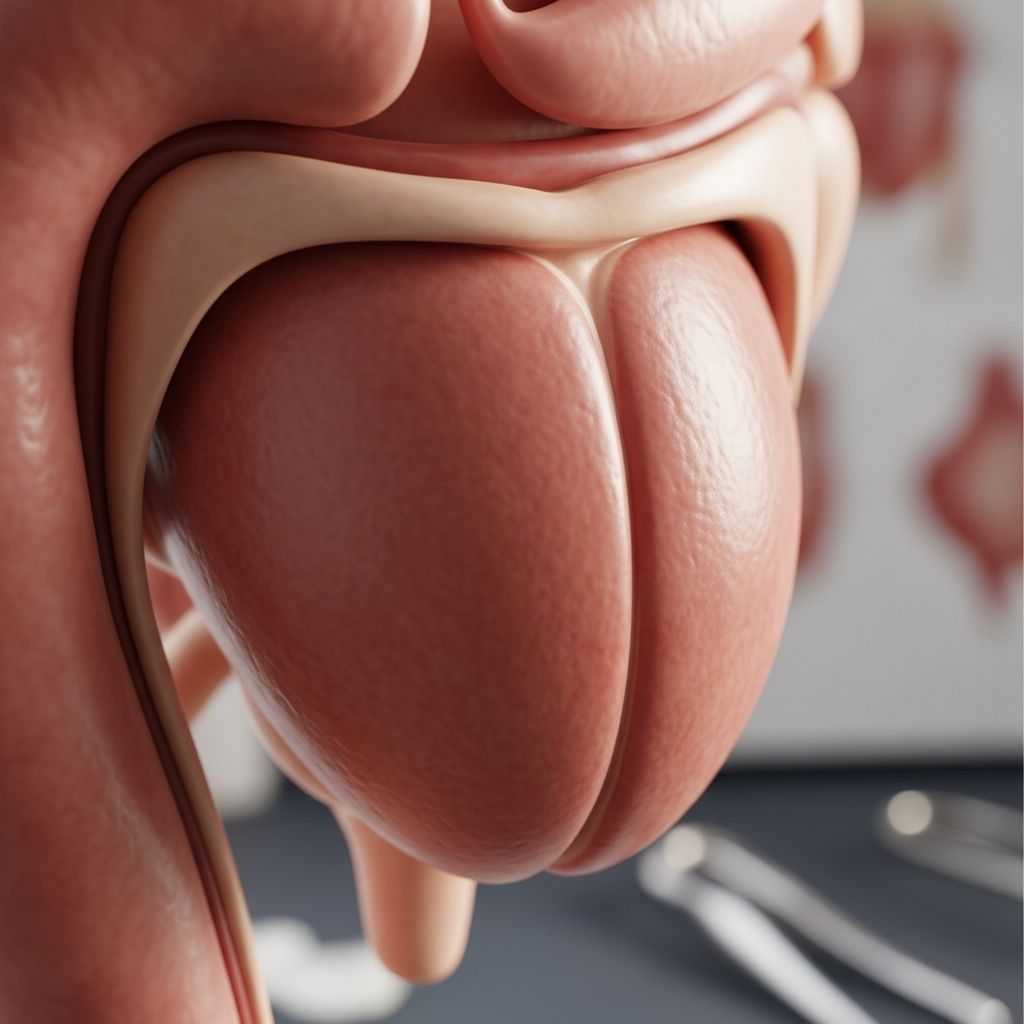
Understanding the Importance of Prostate Health
The prostate is a small gland located below the bladder in men, playing a crucial role in reproductive and urinary health. As men age, particularly after 40, maintaining prostate health becomes increasingly important to prevent common conditions such as benign prostatic hyperplasia (BPH), prostatitis, and prostate cancer.
Johns Hopkins Medicine provides comprehensive advice on practical steps men can take to keep their prostate healthy and detect any issues early.
Common Prostate Conditions
- Prostatitis: Inflammation of the prostate often caused by bacterial infections, leading to urinary discomfort.
- Benign Prostatic Hyperplasia (BPH): A noncancerous enlargement of the prostate gland, which can press on the urethra and cause urinary difficulties.
- Prostate Cancer: One of the most common cancers affecting men. Early detection through screenings greatly improves treatment success.
}
The Role of Diet in Prostate Health
Dietary choices significantly influence prostate health. The Mediterranean diet is widely recommended for its beneficial impact on overall wellness, including the prostate. This diet focuses on:
- Fresh fruits and vegetables rich in antioxidants and fiber.
- Whole grains that support digestive health.
- Healthy fats such as extra virgin olive oil, nuts, and seeds.
- Fatty fish and seafood, which provide omega-3 fatty acids.
- Moderate intake of dairy products and limited red meat consumption.
}
Johns Hopkins experts emphasize avoiding unproven supplements and vitamin E, as some studies suggest vitamin E may increase prostate cancer risk. Instead, maintaining vitamin D levels through diet or safe sun exposure is beneficial.
Exercise and Physical Activity
Regular exercise supports prostate health by enhancing circulation, reducing inflammation, and helping maintain a healthy body weight. Aiming for at least 30 minutes of moderate activity most days of the week—such as brisk walking, cycling, or swimming—can contribute positively to prostate health and reduce risks of chronic diseases.
Importance of Regular Prostate Screenings
Early detection of prostate problems allows for timely management and better outcomes. The key screening methods include:
- Prostate-Specific Antigen (PSA) Test: A blood test measuring levels of PSA, a protein produced by the prostate. Elevated levels may indicate prostate enlargement, inflammation, or cancer.
- Digital Rectal Exam (DRE): A physical exam where a healthcare provider feels the prostate through the rectal wall to detect abnormalities.
}
Men should discuss with their healthcare providers when to start screening and how frequently it should be done based on personal risk factors like age, family history, and ethnicity.
Practical Prostate Health Checklist
To maintain optimal prostate health, Johns Hopkins Medicine recommends the following checklist:
- Annual Physical Exams: Include prostate health discussions even without symptoms.
- PSA Testing: Regular as advised by your physician to monitor changes.
- Prostate-Healthy Diet: Emphasize low-fat, high-fiber, and antioxidant-rich foods.
- Physical Activity: Engage in daily moderate exercise routines.
- Know Your Risk Factors: Be aware of family history and discuss genetic risks with your doctor.
- Stay Educated: Keep informed about new advances in prostate health and treatment options.
}
Related Stories



Managing Sexual Health Post-Prostate Treatment
Treatment for prostate conditions can sometimes affect sexual function. Consulting with a urologist who specializes in sexual dysfunction may be helpful. Various treatment options include:
- Oral medications such as sildenafil (Viagra) or vardenafil (Levitra).
- Vacuum pumps and penile injections.
- Penile implants for more severe cases.
}
These treatments should be tailored to the individual’s condition and preferences following careful medical evaluation.
When to Seek Specialist Care
If you notice symptoms such as difficulty urinating, blood in urine, or persistent discomfort, consult your healthcare provider promptly. An evaluation may include urinalysis, blood tests, imaging studies, and specialist referrals, such as to a urologist or nephrologist, depending on findings.
Early and accurate diagnosis facilitates appropriate treatment plans, which may range from medication and lifestyle modifications to surgery or advanced cancer therapies.
Frequently Asked Questions (FAQs)
At what age should men start prostate screenings?
Men at average risk typically begin prostate screenings at age 50, but those with higher risk factors such as African American ethnicity or family history should consider starting at age 40-45. Discuss with your doctor to determine the best schedule.
Can lifestyle changes alone prevent prostate cancer?
While lifestyle changes such as a healthy diet, regular exercise, and avoiding harmful supplements reduce risk, they cannot guarantee prevention. Regular screenings remain critical for early detection.
What symptoms indicate prostate problems?
Symptoms may include frequent urination, weak urine stream, difficulty starting or stopping urination, blood in urine or semen, and pain in the pelvic area or lower back. However, many prostate conditions are asymptomatic in early stages.
Is a digital rectal exam painful?
A DRE is generally brief and may feel uncomfortable but should not be painful. It is quick and helps detect abnormalities in prostate size and texture.
Are supplements recommended for prostate health?
Most specialists, including Johns Hopkins Medicine, recommend focusing on diet and lifestyle rather than supplements, especially avoiding vitamin E, which may increase cancer risk. Always consult your doctor before taking any supplements.
References
- Tips for Keeping a Healthy Prostate — Johns Hopkins Medicine. 2024-02-15. https://www.hopkinsmedicine.org/health/wellness-and-prevention/tips-for-keeping-a-healthy-prostate
- Understanding Prostate Health and Screenings for Men — University of Arizona. 2024-04-12. https://lifework.arizona.edu/news/2024/understanding-prostate-health-and-screenings-men
- Men’s Health Focus: Your Essential Prostate Health Checklist — Urology Experts. 2025-01-10. https://urologyexperts.com/mens-health-focus-your-essential-prostate-health-checklist/
Similar Articles








Read full bio of Sneha Tete