Reheating Leftovers Safely: 5 Essential Steps To Follow
Master safe leftover reheating techniques to prevent food poisoning and reduce waste.
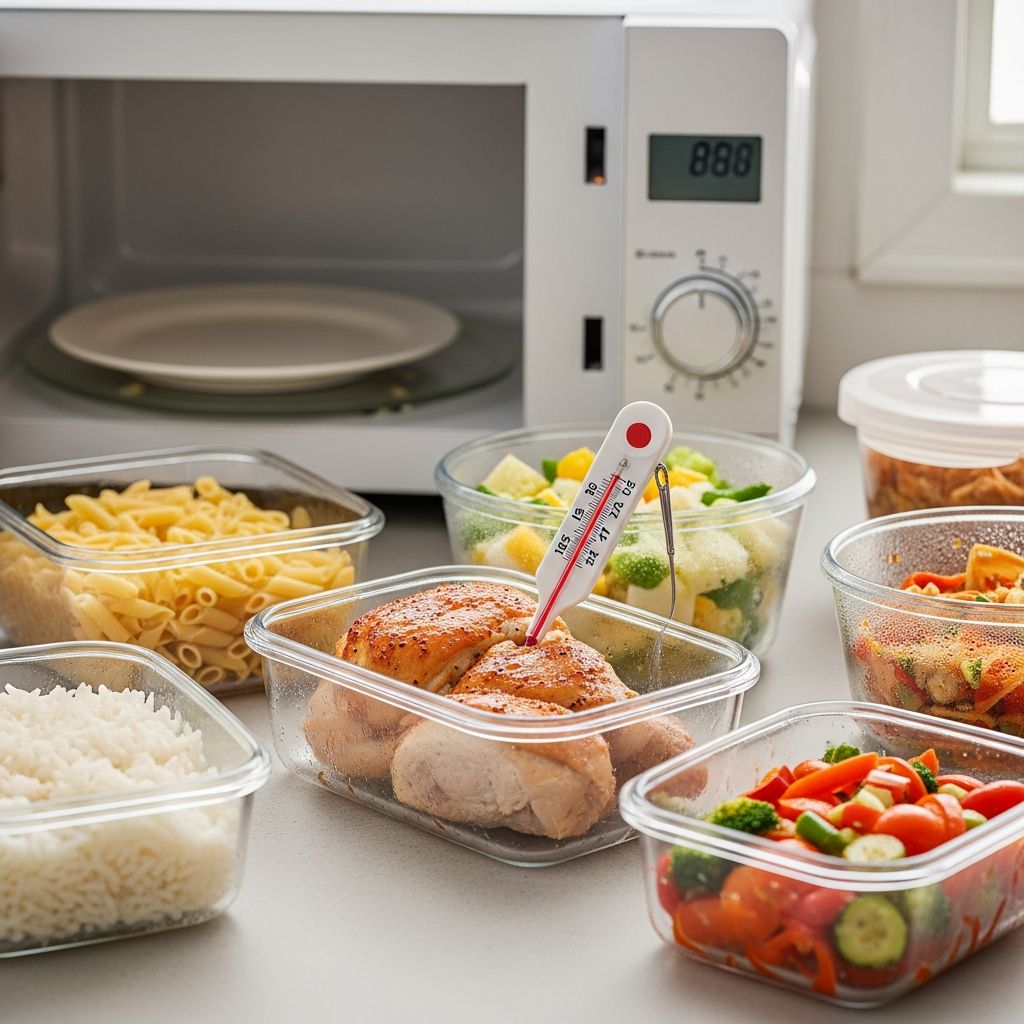
Saving leftovers to eat later is an excellent strategy for avoiding overeating while also saving money and combating food waste. However, improper handling of leftovers can lead to foodborne illness and serious health consequences. Whether you’re storing yesterday’s dinner or reheating takeout containers from a restaurant, following proper food safety guidelines is essential. This comprehensive guide provides practical, evidence-based tips for safely storing, labeling, and reheating your leftovers to protect your family’s health.
Essential Steps Before You Reheat and Eat
Before enjoying your leftovers, it’s critical to follow these fundamental food safety steps to reduce your risk of food poisoning:
- Avoid the danger zone: Do not let leftovers sit at room temperature for longer than two hours. If the ambient temperature exceeds 90°F, reduce this window to one hour. Bacteria multiply rapidly in this temperature range, making prompt refrigeration essential.
- Use proper storage containers: Store leftovers that need reheating in the refrigerator (set at 40°F or below according to a refrigerator thermometer) in a clean, airtight container. Many leftovers can also be stored in a freezer (set to 0°F), which extends their shelf life significantly.
- Reheat to safe temperature: Reheat leftovers to an internal temperature of 165°F. A food thermometer is the only reliable way to ensure safety and determine the doneness of cooked foods.
- Label your containers: Be sure to label leftovers with the date they were made to keep track of storage time. This simple step prevents confusion and helps you remember when items need to be discarded.
- When in doubt, throw it out: If you’re uncertain about whether a leftover is safe to eat, the safest choice is to discard it rather than risk foodborne illness.
Understanding Different Meal Reheater Personalities
Everyone has different habits when it comes to preparing and consuming leftovers. Understanding these common patterns can help you identify where you might improve your food safety practices:
The Refrigerator Raider
Many Americans don’t know what temperature to set their refrigerators to, which can significantly impact leftover safety. If you’re a refrigerator raider who frequently pulls items from the fridge, use a refrigerator thermometer to ensure your appliance is always set below 40°F. Bacteria can shorten your leftovers’ lifespan when temperatures are too warm, potentially doubling bacterial growth rates. Investing in an inexpensive appliance thermometer is one of the easiest ways to safeguard your stored foods.
The Repeater Eater
Many people reheat leftovers before eating them rather than consuming them cold directly from the refrigerator. However, do you use a food thermometer to ensure doneness of reheated leftovers? Next time you reheat, use a food thermometer to verify that food reaches the proper internal temperature of 165°F before you eat. This temperature is critical for killing harmful bacteria that may be present in the food.
The Pizza Prowler
Believe it or not, some people admit to eating leftover pizza from the night before when it hasn’t been refrigerated overnight. Pizza, like all perishable foods, follows the two-hour rule: If pizza has been sitting at room temperature for more than two hours, toss it immediately. This applies regardless of how the pizza looks, smells, or tastes. Visual and olfactory cues are unreliable indicators of food safety.
The Doggie Bag Diner
Taking leftovers home from restaurants is increasingly common. When eating out, many restaurant patrons leave with a doggie bag or leftovers to eat for another meal. If you’re a doggie bag diner, write the date of purchase on your take-out container immediately and remember to discard leftovers within three to five days. Restaurant leftovers follow the same safety guidelines as home-prepared meals.
The Microwave Maniac
The microwave is the most popular appliance for reheating leftovers in American kitchens. If your microwave isn’t equipped with a turntable, you may need to take extra precautions to ensure leftover food is cooked throughout. First, make sure to cover foods before reheating to prevent splattering and moisture loss. When cooking in the microwave, rotate food one-half turn midway through the heating time and give it a stir to eliminate cold spots where bacteria can survive. Then let food stand for at least two minutes before inserting a food thermometer to ensure food has reached the proper internal temperature of 165°F. These standing times allow heat to distribute evenly throughout the food.
Related Stories



The Dinner Defroster
Nearly half of Americans use their microwaves to defrost frozen meat. Since juices from raw meat may carry harmful bacteria such as Salmonella and E. coli, dinner defrosters should take special precautions to avoid cross-contamination. Use separate plates—one to defrost meat and another to serve cooked meat—or wash plates in warm, soapy water between uses to eliminate bacteria. Never reuse a plate that held raw meat without thoroughly washing it first.
Proper Storage Guidelines for Maximum Shelf Life
Storing leftovers correctly is the foundation of safe reheating. Follow these comprehensive storage guidelines:
Refrigerator Storage
- Keep leftovers refrigerated at 40°F or lower
- Store leftovers in clean, airtight containers to prevent contamination and cross-flavoring
- Place large amounts of soups or stews in shallow or smaller containers to cool faster and reach safe temperatures more quickly
- Most leftovers will last three to four days in the refrigerator
- Label all containers with the date prepared for easy tracking
Freezer Storage
- Make sure your freezer is set at 0°F or below
- Cut meat into pieces that can be frozen and reheated safely
- Divide food into portions you can realistically consume at one given time
- Wrap items such as bread tightly in plastic wrap to avoid freezer burn
- Most leftovers will last up to six months in the freezer when properly stored
- Label frozen goods with the name of the dish and the date using a permanent marker on tape
The Critical Reheating Temperature
The most important factor in preventing foodborne illness when consuming leftovers is reaching the correct internal temperature. Reheat all leftovers to a minimum internal temperature of 165°F. A food thermometer is the only reliable way to ensure this critical temperature is reached. Don’t rely on color, texture, or smell to determine if food is done—these visual and olfactory cues can be deceiving and may not indicate that harmful bacteria have been killed.
Insert your food thermometer into the thickest part of the food, away from bone or fat, for the most accurate reading. Wait for the thermometer to stabilize before recording the temperature. If the food hasn’t reached 165°F, continue reheating and check again in a few minutes.
Reheating Methods and Best Practices
Different foods may reheat best using different methods. Regardless of your chosen method, always aim for that critical 165°F internal temperature:
Microwave Reheating
Cover foods before reheating to trap steam and ensure even heating. Rotate food one-half turn midway through the heating time and stir to eliminate cold spots. Allow food to stand for at least two minutes after heating to let the temperature equalize throughout. Then use a food thermometer to verify the food has reached 165°F in the center of the thickest portion.
Stovetop Reheating
For soups, stews, and sauces, reheat on the stovetop over medium heat, stirring occasionally. This method allows you to monitor the reheating process and distribute heat evenly. Continue heating until the entire mixture reaches 165°F when measured with a food thermometer.
Oven Reheating
For casseroles and other solid foods, preheat your oven to 350°F and place the covered leftover in a shallow container. Heat until the internal temperature reaches 165°F, which typically takes 15-20 minutes depending on portion size.
Storage Duration Guidelines
| Storage Method | Duration | Temperature |
|---|---|---|
| Refrigerator | 3-4 days | 40°F or below |
| Freezer | Up to 6 months | 0°F or below |
| Room Temperature (Danger Zone) | 2 hours max (1 hour if above 90°F) | 40°F to 140°F (DO NOT STORE) |
| Restaurant Leftovers (Refrigerated) | 3-5 days | 40°F or below |
Recognizing When to Discard Leftovers
Many people rely on mold and odors to determine if food has gone bad, but these sensory cues aren’t always reliable indicators of food safety. Some harmful bacteria don’t produce visible mold or noticeable odors. Instead, follow these guidelines:
- Discard refrigerated leftovers after three to four days, regardless of appearance or smell
- Discard restaurant takeout leftovers after three to five days of refrigeration
- Never leave perishable foods at room temperature for longer than two hours (one hour if above 90°F)
- When in doubt, throw it out—the cost of a meal is much less than the cost of treating foodborne illness
Frequently Asked Questions (FAQs)
Q: How can I tell if my leftovers have gone bad?
A: You cannot reliably determine food safety by taste, smell, or appearance alone. Follow storage time guidelines and use a refrigerator thermometer to ensure proper temperature. When in doubt, discard the food to avoid the risk of foodborne illness.
Q: Can I refreeze leftovers that have been thawed?
A: It’s generally safe to refreeze cooked leftovers that have been properly thawed in the refrigerator. However, avoid refreezing raw meat or poultry that has been thawed, as this increases the risk of bacterial growth.
Q: What’s the difference between the “danger zone” and safe temperatures?
A: The “danger zone” is between 40°F and 140°F, where bacteria multiply rapidly. Keep food either below 40°F (refrigerated) or above 140°F (hot) to prevent bacterial growth. Never leave food in this temperature range for extended periods.
Q: Is a food thermometer really necessary?
A: Yes, a food thermometer is the only reliable way to ensure that leftovers reach the safe internal temperature of 165°F. Visual cues like color and texture can be misleading.
Q: Why do I need to let reheated food stand for two minutes?
A: Standing time allows heat to distribute evenly throughout the food, ensuring that cold spots where bacteria might survive are brought to the proper temperature. This is especially important when using microwave reheating.
Q: How should I store takeout containers from restaurants?
A: Write the date of purchase directly on the container using a permanent marker. Refrigerate immediately at 40°F or below, and consume within three to five days. Follow the same reheating guidelines as home-prepared leftovers.
References
- Tips for Reheating Leftovers — Academy of Nutrition and Dietetics. Accessed January 2026. https://www.eatright.org/food/home-food-safety/safe-cooking-and-prep/tips-for-reheating-leftovers
- Leftover Safety — Academy of Nutrition and Dietetics. Accessed January 2026. https://www.eatright.org/food/home-food-safety/safe-food-storage/leftover-safety
- Food Safety: How to Store and How Long to Keep Leftovers — American Heart Association. Accessed January 2026. https://www.heart.org/en/healthy-living/healthy-eating/cooking-skills/storing/food-safety—how-to-store-and-how-long-to-keep-leftovers
- Cook — The Basics — Academy of Nutrition and Dietetics. Accessed January 2026. https://www.eatright.org/food/home-food-safety/safe-cooking-and-prep/cook—the-basics
- Holiday Food Safety: From Planning to Leftovers — Academy of Nutrition and Dietetics. Accessed January 2026. https://www.eatright.org/food/cultural-cuisines-and-traditions/holidays-and-celebrations/holiday-food-safety-planning-to-leftovers
Conclusion
Properly reheating and storing leftovers is a straightforward process that requires attention to a few critical details. By maintaining proper refrigeration temperatures, using a food thermometer to verify internal temperatures reach 165°F, and following recommended storage time limits, you can safely enjoy your leftovers while reducing food waste and saving money. Remember that foodborne illness cannot always be detected by appearance, smell, or taste, so following these evidence-based guidelines is essential for protecting your family’s health. Whether you’re a refrigerator raider, microwave maniac, or doggie bag diner, these principles apply universally to all leftover food safety practices.
Similar Articles








Read full bio of medha deb