Stress Eating: Practical Strategies To Regain Control
Learn practical strategies to break the stress-eating cycle and build a healthier relationship with food.

Understanding Stress Eating: What It Is and Why It Happens
Stress eating is a common phenomenon that affects millions of people worldwide. It represents the tendency to eat more—or sometimes less—than is nutritionally healthy in response to stress and emotional triggers. While hunger is indeed a physiological signal that prompts us to eat, it is far from the only reason we consume food. Eating serves multiple psychological and emotional functions in our lives, including as a distraction from difficult situations, a method to relieve tension, and a source of comfort during challenging times.
The relationship between stress and eating is deeply rooted in our biological systems and psychological patterns. Understanding this connection is the first step toward managing stress eating effectively and developing a healthier approach to food and emotions.
The Physiological Impact of Stress on Eating
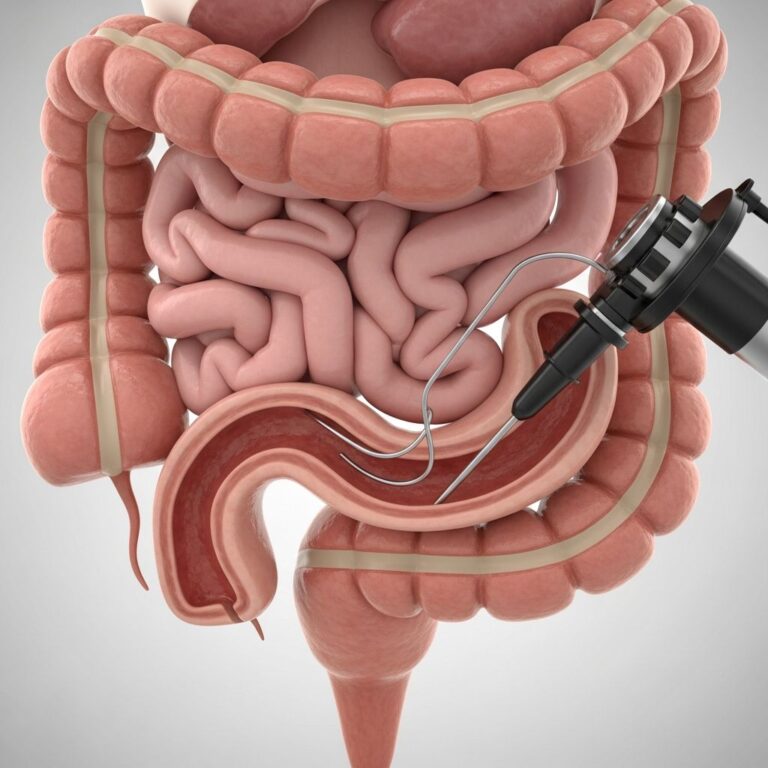
Stress and the digestive system are intimately connected through the body’s “fight or flight” response. When you experience stress, your body releases hormones that can either suppress or accelerate stomach function. This physiological reaction explains why some people lose their appetite during stressful situations, while others experience nausea or difficulty eating.
Why You Can’t Eat During High Stress
During intense stress or perceived danger, your body enters a heightened state of alert. In this state, digestion becomes a lower priority as your body directs resources toward addressing the immediate threat. High levels of stress can trigger constant anxiety, making it literally difficult to consume and digest food. This response explains why individuals facing acute stressors often report that they simply cannot eat, regardless of hunger levels.
Why You Eat Too Much During Mild Stress
Interestingly, milder forms of stress and anxiety often produce the opposite effect. Instead of suppressing appetite, moderate stress levels can trigger excess eating for distraction, comfort, or tension relief. When under stress, people tend to eat more quickly, reach for high-calorie foods, and consume meals more frequently than they normally would. This pattern can quickly derail even the most well-intentioned dietary goals.
Common Triggers and Patterns of Stress Eating
Stress eating rarely occurs in isolation. Instead, it typically occurs alongside other behavioral changes that compound the problem. Understanding these patterns helps you recognize when stress eating might be affecting your health.
Identifying Your Personal Triggers
Different individuals have different stress eating triggers. Some people eat when facing work deadlines, others when experiencing relationship conflicts, and still others when dealing with financial concerns. Additionally, for individuals with true eating disorders such as anorexia nervosa, bulimia nervosa, and binge eating disorder, stress can trigger relapse into disordered eating patterns. Keeping track of when and why you eat is essential for identifying your personal triggers.
Food Choices During Stress
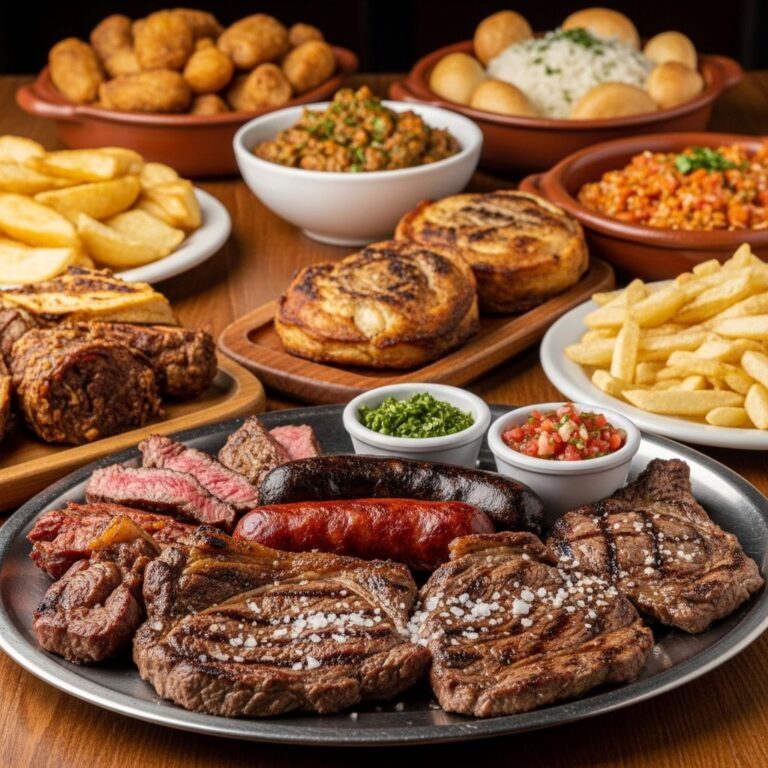
When stressed, people often abandon their usual dietary preferences in favor of highly palatable, calorie-dense foods. This typically includes sugary snacks, fatty foods, and processed items that provide quick sensory satisfaction. These foods offer temporary emotional relief but often lead to guilt and regret afterward, creating a negative cycle that intensifies stress and emotional distress.
Related Stories



Developing Practical Strategies for Management
Planning and Preparation
One of the most effective ways to manage stress eating is through advance planning. Consuming a healthful diet is entirely possible even when your schedule is hectic, provided you take time to prepare ahead. Start by planning your meals in advance to avoid eating on the go or making impulsive food decisions. Create a grocery list focused on healthful foods you genuinely enjoy, then stock your home with these items.
Keep a supply of low-calorie, nutritious snacks readily available at work and at home. Designate specific snack options such as fresh fruit, vegetables with hummus, nuts, or Greek yogurt. By making healthy choices convenient and accessible, you reduce the likelihood of reaching for unhealthy alternatives when stress hits.
Meal Timing and Frequency
Skipping meals significantly increases the likelihood of overeating later and makes you more vulnerable to stress-induced eating. Aim to eat every four to five hours throughout the day to maintain stable blood sugar levels and consistent energy. This regular eating schedule helps prevent extreme hunger that often leads to poor food choices.
Avoid relying on caffeine as a stress management tool, as it can increase anxiety and make stress eating worse. Instead, focus on balanced meals and snacks that stabilize your mood and energy throughout the day.
The Food Journal Technique
Keeping a food journal for at least seven days provides valuable insights into your eating patterns and emotional triggers. Record not only the foods and beverages you consume and their portions, but most importantly, how you felt at the time of eating. Were you genuinely hungry, mildly hungry, or not hungry at all? This awareness helps you distinguish between physical hunger and emotional eating.
Over time, patterns will emerge. You may discover that you eat when bored, anxious, lonely, or frustrated. Once you identify these patterns, you can develop alternative coping strategies specific to each trigger.
Breaking the Stress-Eating Cycle
The Importance of Recognition
Negative changes in eating habits often serve as a warning sign that something significant is not well in your life. If your weight or eating patterns have shifted due to stress, you can be confident that your overall health is being affected in multiple ways. This recognition is not meant to induce guilt or shame, but rather to motivate positive change.
Understanding that stress eating is a symptom of underlying stress rather than a personal failure is crucial for developing compassion toward yourself as you work on solutions.
Lifestyle Assessment
Take time to honestly evaluate your lifestyle and identify elements that create stress. Look for opportunities to reduce or eliminate unnecessary stressors. This might include setting better boundaries at work, delegating tasks, simplifying your schedule, or seeking support from friends, family, or professionals.
Not all stress can be eliminated, but many stressors can be reduced or managed more effectively through intentional lifestyle changes.
Non-Food Coping Strategies
The key to breaking the stress-eating cycle lies in developing alternative coping mechanisms that do not involve food or beverages. These healthy alternatives provide stress relief while supporting your overall wellness goals.
Physical Activity
Exercise is one of the most effective stress management tools available. Physical activity reduces stress hormones, improves mood through endorphin release, and provides a healthy outlet for stress energy. Whether it’s a brisk walk, bike ride, swim, or gym session, regular exercise directly combats the urge to stress eat.
Relaxation and Mindfulness Techniques
Explore structured relaxation methods such as meditation, visualization, and progressive muscle relaxation. These techniques activate your parasympathetic nervous system, directly counteracting the stress response that triggers eating urges.
Yoga combines physical movement with mindfulness and breathing techniques, making it particularly effective for stress management. Even ten to fifteen minutes of daily practice can significantly reduce stress levels and decrease emotional eating episodes.
Enjoyable and Engaging Activities
Develop a personal list of activities that bring you joy and peace. These might include reading a favorite book, watching a beloved movie, taking a hot bath, or spending time in nature. Keep this list accessible so that when stress strikes and the urge to eat arises, you have readily available alternatives.
Social connection is also powerful. Talking with friends, joining a club, or participating in group activities provides both stress relief and emotional support.
Understanding Eating Disorders and Serious Concerns
While stress eating is common and manageable, it is important to distinguish between normal stress-related eating patterns and clinical eating disorders. Disordered eating refers to irregular eating patterns that may not meet diagnostic criteria for an eating disorder but can still harm your health, including emotional eating, binge eating, and restrictive dieting.
True eating disorders such as anorexia nervosa, bulimia nervosa, and binge eating disorder are serious mental health conditions requiring professional intervention. If you believe you are experiencing an eating disorder, seek help from a healthcare provider, therapist, or specialized eating disorder treatment program.
Building a Sustainable Approach
Long-Term Perspective
Managing stress eating is not about perfection or short-term fixes. Instead, focus on developing sustainable habits that support your long-term health and well-being. Life will continue to bring stress, and how you choose to address it will directly impact your weight, mental health, and overall quality of life.
Self-Compassion and Progress
Approach this journey with self-compassion. There will be days when stress eating happens despite your best efforts. Rather than responding with guilt or shame, view these moments as opportunities to learn more about your patterns and refine your strategies.
When to Seek Professional Help
If stress eating is significantly impacting your health, weight, or emotional well-being, consider reaching out to healthcare professionals. Registered dietitians can provide personalized nutrition guidance tailored to your specific needs and challenges. Mental health professionals can help you develop coping skills and address underlying stress or anxiety.
Many organizations offer support resources. If you’re struggling with an eating disorder or need immediate support, crisis hotlines and helplines are available to provide confidential assistance and referrals to appropriate treatment.
Frequently Asked Questions
Q: Is stress eating the same as binge eating?
A: While stress eating and binge eating can overlap, they are not identical. Stress eating involves eating more than usual in response to stress, while binge eating is characterized by consuming large quantities of food in a short time period, often accompanied by feelings of loss of control and distress. Binge eating disorder is a clinical condition requiring professional treatment.
Q: Can I completely stop stress eating?
A: While you may not eliminate stress eating entirely, you can significantly reduce its frequency and severity through awareness, planning, and healthy coping strategies. The goal is to develop a balanced approach where occasional stress eating does not derail your overall health.
Q: What are the best foods to keep on hand to prevent stress eating?
A: Stock your home with nutrient-dense foods you genuinely enjoy, such as fresh fruits and vegetables, nuts, yogurt, whole grains, and lean proteins. Include a few satisfying options so you do not feel deprived. The goal is to make healthier choices convenient and appealing.
Q: How long does it take to break the stress-eating habit?
A: Habits typically take several weeks to months to change. The food journal technique should be practiced for at least seven days to identify patterns. Consistently practicing new coping strategies for 3-4 weeks helps establish new neural pathways. Individual timelines vary based on stress levels and personal circumstances.
Q: Should I eliminate certain foods to manage stress eating?
A: Rather than strict elimination, focus on balance and moderation. Completely restricting favorite foods often increases cravings and stress. Instead, enjoy these foods in moderation as part of a balanced diet while emphasizing whole, nutrient-dense foods that support stable mood and energy.
References
- Manage Stress With Healthful Eating — Johns Hopkins University, Imagine JHU. 2021-08-18. https://imagine.jhu.edu/blog/2021/08/18/manage-stress-with-healthful-eating/
- Understanding and Managing Stress Eating — Living F.R.E.E. Lab. https://livingfreelab.org/understanding-and-managing-stress-eating/
- Weight Management: Nutritional Support and Therapy — Hopkins Medical Association. https://hopkinsmedicalassociation.com/services/weight-management/
- How We Treat Eating Disorders at Johns Hopkins Medicine — Johns Hopkins Medicine. https://www.youtube.com/watch?v=cPihAWNRQAM
- Eating Disorder Hotlines for 24/7 Crisis Help — Eating Disorder Hope. https://www.eatingdisorderhope.com/treatment-for-eating-disorders/eating-disorder-hotlines
Similar Articles








Read full bio of Sneha Tete