Tirbanibulin Ointment: Key 5-Day AK Treatment Benefits
Effective short-course topical treatment for actinic keratoses on face, scalp, and sun-damaged skin with rapid resolution.
What is tirbanibulin ointment?
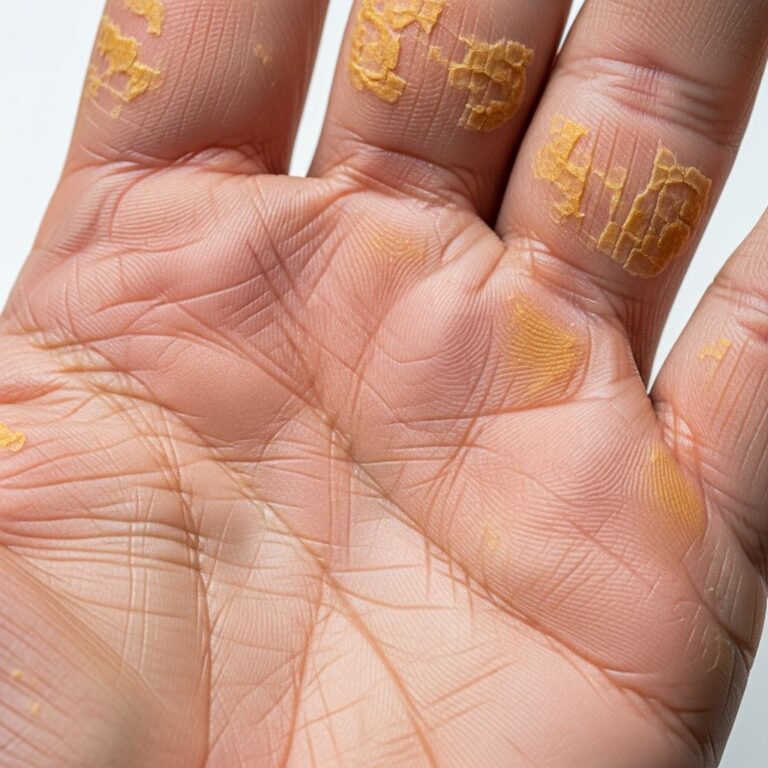
Tirbanibulin ointment, marketed as Klisyri®, is a topical medication specifically developed for treating non-hyperkeratotic actinic keratoses (AKs) on the face, scalp, and other sun-damaged areas such as the forearms. Actinic keratoses are precancerous skin lesions caused by chronic ultraviolet (UV) radiation exposure, appearing as rough, scaly patches on sun-exposed skin. These lesions carry a small risk of progressing to squamous cell carcinoma if untreated.
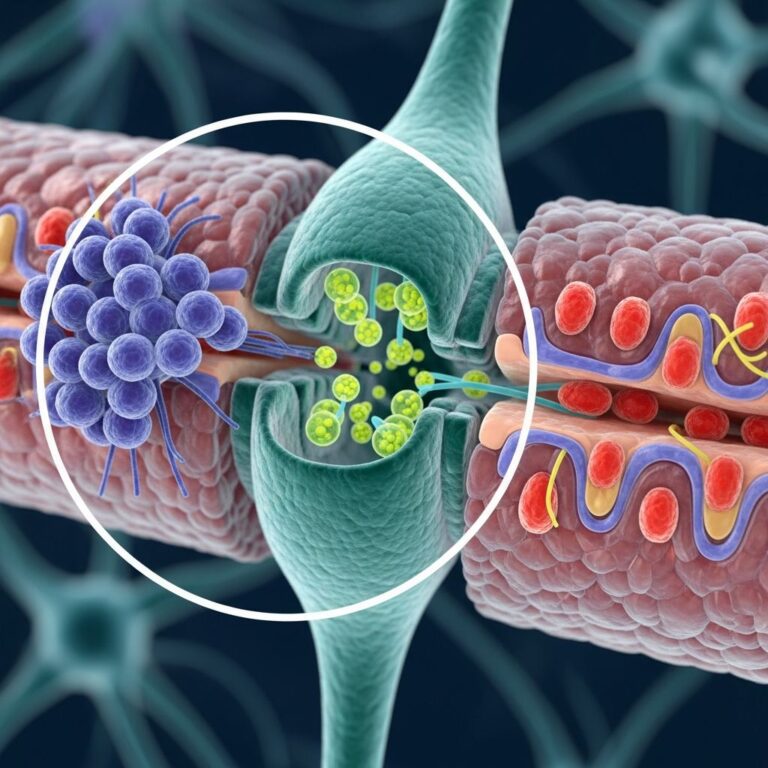
Tirbanibulin is a synthetic small molecule that acts as a potent inhibitor of tubulin polymerization and protein kinase signaling pathways, disrupting microtubule formation essential for cell division in rapidly proliferating abnormal keratinocytes. This mechanism selectively targets dysplastic cells while sparing healthy skin to a greater extent compared to traditional therapies. Licensed in the USA, UK, Germany, and European Union in 2021, it represents a field-directed therapy suitable for contiguous areas up to 25 cm² (approximately a 5×5 cm square).
Its standout feature is the ultra-short treatment duration: once-daily application for just 5 consecutive days, contrasting with weeks-long regimens of alternatives like 5-fluorouracil (5-FU) or imiquimod. This brevity enhances patient adherence and minimizes disruption to daily life. Clinical trials demonstrated complete clearance rates of 44-54% and partial clearance (≥75% lesion reduction) in 64-74% of treated areas at 8 weeks post-treatment, outperforming vehicle controls significantly.
Who gets actinic keratoses?
Actinic keratoses predominantly affect fair-skinned individuals (Fitzpatrick skin types I-III) over age 40 with a history of significant sun exposure, such as outdoor workers, farmers, sailors, surfers, gardeners, or avid sunbathers. Risk factors include:
- Chronic UV exposure from sun or tanning beds.
- Light skin, blonde/red hair, blue/green eyes, and freckling tendency.
- Previous skin cancers or immunosuppression (e.g., organ transplant recipients).
- Genetic predispositions like xeroderma pigmentosum.
Lesions often cluster in photodamaged ‘cancerization fields’ on the face, scalp (especially in balding men), ears, neck, dorsal hands, and forearms. Early detection prevents progression to invasive squamous cell carcinoma.
What is the mechanism of action of tirbanibulin?
Tirbanibulin exerts its therapeutic effect through dual inhibition: primarily by binding tubulin, preventing microtubule polymerization required for mitosis in hyperproliferative keratinocytes, and secondarily by blocking Src kinase and other tyrosine kinases involved in cell signaling and survival. This induces rapid apoptosis (programmed cell death) in AK cells, leading to crusting, scaling, and eventual clearance.
Unlike cytotoxic agents like 5-FU, tirbanibulin’s targeted action results in a contained local skin response (LSR) that peaks around day 8 and resolves by day 15-29, facilitating quick recovery. Emerging evidence suggests ancillary benefits: inflammation-triggered cytokine release (e.g., TGF-β) may stimulate collagen production and dermal remodeling, contributing to improved skin texture.
Clinical efficacy
Pivotal phase 3 trials (two identical studies, n=351 each) evaluated tirbanibulin 1% ointment on face/scalp AKs (4-8 lesions in 25 cm²). Key outcomes at day 57:
| Endpoint | Tirbanibulin | Vehicle | P-value |
|---|---|---|---|
| Complete Clearance | 44-54% | 5% | <0.001 |
| Partial Clearance (≥75%) | 64-74% | 15% | <0.001 |
.
Sustained clearance at 12 months was 55% with lesion-directed therapies post-field treatment. Real-world data confirm high efficacy (>75% resolution) with excellent tolerability. Compared to diclofenac gel (40% clearance, 90 days) or 5-FU (67%, 4 weeks), tirbanibulin offers superior speed and convenience.
Related Stories



Unexpected benefits: Anti-aging effects
Beyond AK clearance, tirbanibulin demonstrates cosmetic improvements in photodamaged skin. A 2023 Italian case series (University Hospital of Messina) reported patients experiencing enhanced skin turgor, reduced fine wrinkles, improved texture, and marked lightening of solar lentigos and mottled pigmentation post-5-day treatment. Dermoscopy showed near-complete resolution of Olsen grade 2 AKs alongside pigment normalization, unprecedented among AK therapies.
Hypothesized mechanisms include: (1) inflammatory cytokine-mediated collagen neosynthesis reversing elastosis; (2) apoptosis of hyperactive melanocyte units in lentigos. Unlike PDT or 5-FU, no prior reports noted such profound skin lightening. Patients achieved ‘two birds with one stone’: lesion clearance plus rejuvenation, with no LSR in some cases. Larger studies are warranted to confirm these serendipitous outcomes.
How do you use tirbanibulin ointment?
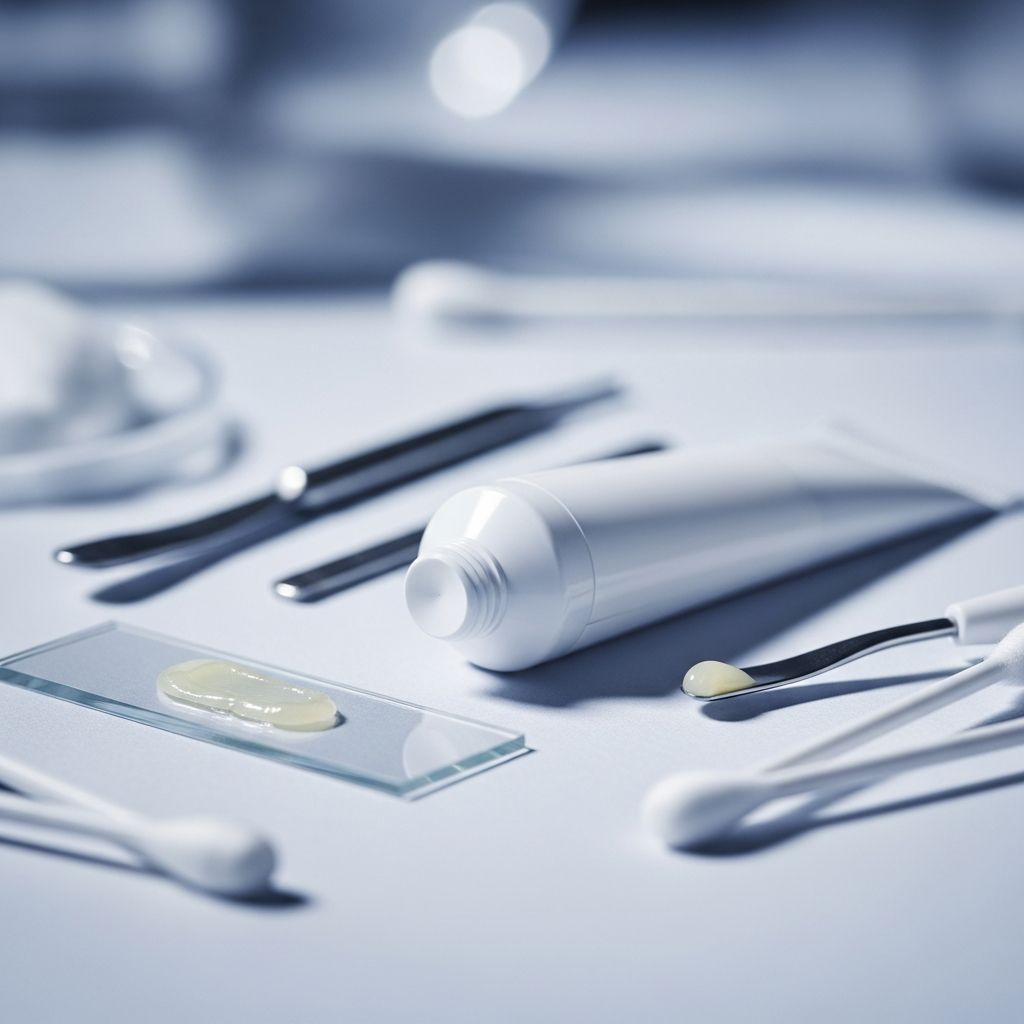
Tirbanibulin 1% ointment comes in single-use 250 mg sachets (2.5 mg tirbanibulin). Instructions:
- Wash hands and affected area with mild soap/water; pat dry.
- Apply thin even layer to clean, dry lesion field (≤25 cm²); rub in gently.
- Once daily for 5 consecutive days; use one sachet per area.
- Avoid eyes, mouth, mucosa, broken/unhealed skin; no occlusion.
- Leave on ≥8 hours; then wash off if desired. Expect LSR peaking day 8.
- Follow-up at 8 weeks; re-treat if needed after 8 weeks.
Sun protection (SPF 30+, hats) essential during/after treatment.
Side effects and local skin response
Common LSR includes erythema, flaking/scaling, crusting, pruritus, pain, swelling, erosion/ulceration, affecting >50% of patients but mild-moderate and self-limiting. Symptoms peak day 8, resolve by day 15-29. Application-site adverse events:
- Pruritus/pain: More severe vs. vehicle but transient.
- Redness, dryness, peeling: Resolve rapidly post-treatment.
- Rare: Blistering, infection; discontinue if severe.
No systemic absorption detected; safe in pregnancy category unassigned but avoid.
Contraindications and precautions
Contraindications: Hypersensitivity to tirbanibulin; application to eyes/mucosa/mucous membranes.
Precautions:
- Not for hyperkeratotic/thick AKs or trunk/extremities beyond trials.
- Avoid sun/tanning; use sunscreen.
- Immunosuppressed patients: Monitor closely.
- Pregnancy/breastfeeding: Insufficient data; use barrier contraception.
Comparison with other AK therapies
| Therapy | Duration | Complete Clearance | LSR Intensity |
|---|---|---|---|
| Tirbanibulin | 5 days | 44-54% | Mild, short |
| 5-FU 5% | 2-4 weeks | 67% | Moderate-severe |
| Imiquimod 5% | 2-4 weeks | 45-85% | Moderate-severe |
| Diclofenac 3% | 60-90 days | 40% | Mild |
| PDT | 1-2 sessions | 70-90% | Painful |
.
Tirbanibulin excels in brevity and cosmesis.
Frequently Asked Questions
Q: How quickly does tirbanibulin work?
A: LSR begins days 3-5; clearance assessed at 8 weeks, with 50% complete response.
Q: Is tirbanibulin painful?
A: Mild pruritus/pain common, peaks day 8, manageable with emollients; less intense than fluorouracil.
Q: Can it improve skin appearance?
A: Yes, real-life data show reduced wrinkles, pigmentation, enhanced texture post-treatment.
Q: What if I miss a dose?
A: Apply ASAP; if near next dose, skip and resume schedule.
Q: Is sun exposure okay during treatment?
A: Minimize; use broad-spectrum SPF 30+ daily.
References
- Tirbanibulin ointment — DermNet NZ. 2021 (updated). https://dermnetnz.org/topics/tirbanibulin-ointment
- Anti-aging Effects of Tirbanibulin 1% Ointment: A Real-Life Experience — PMC (Dermatol Ther (Heidelb)). 2024-05-30. https://pmc.ncbi.nlm.nih.gov/articles/PMC11169325/
- Tirbanibulin (Klisyri) for Actinic Keratosis — American Academy of Family Physicians (AAFP). 2021-11-01. https://www.aafp.org/pubs/afp/issues/2021/1100/p519.html
- Tirbanibulin (topical) — Mayo Clinic. Accessed 2026. https://www.mayoclinic.org/drugs-supplements/tirbanibulin-topical-application-route/description/drg-20506427
- Klisyri (tirbanibulin) — European Medicines Agency (EMA). 2021. https://www.ema.europa.eu/en/medicines/human/EPAR/klisyri
- Tirbanibulin ointment — Cleveland Clinic. Accessed 2026. https://my.clevelandclinic.org/health/drugs/23721-tirbanibulin-ointment
Similar Articles








Read full bio of Sneha Tete