Tirzepatide Injection (Mounjaro): Uses, Dosage & Side Effects
Complete guide to tirzepatide (Mounjaro): how it works, dosing, side effects, and important safety information.
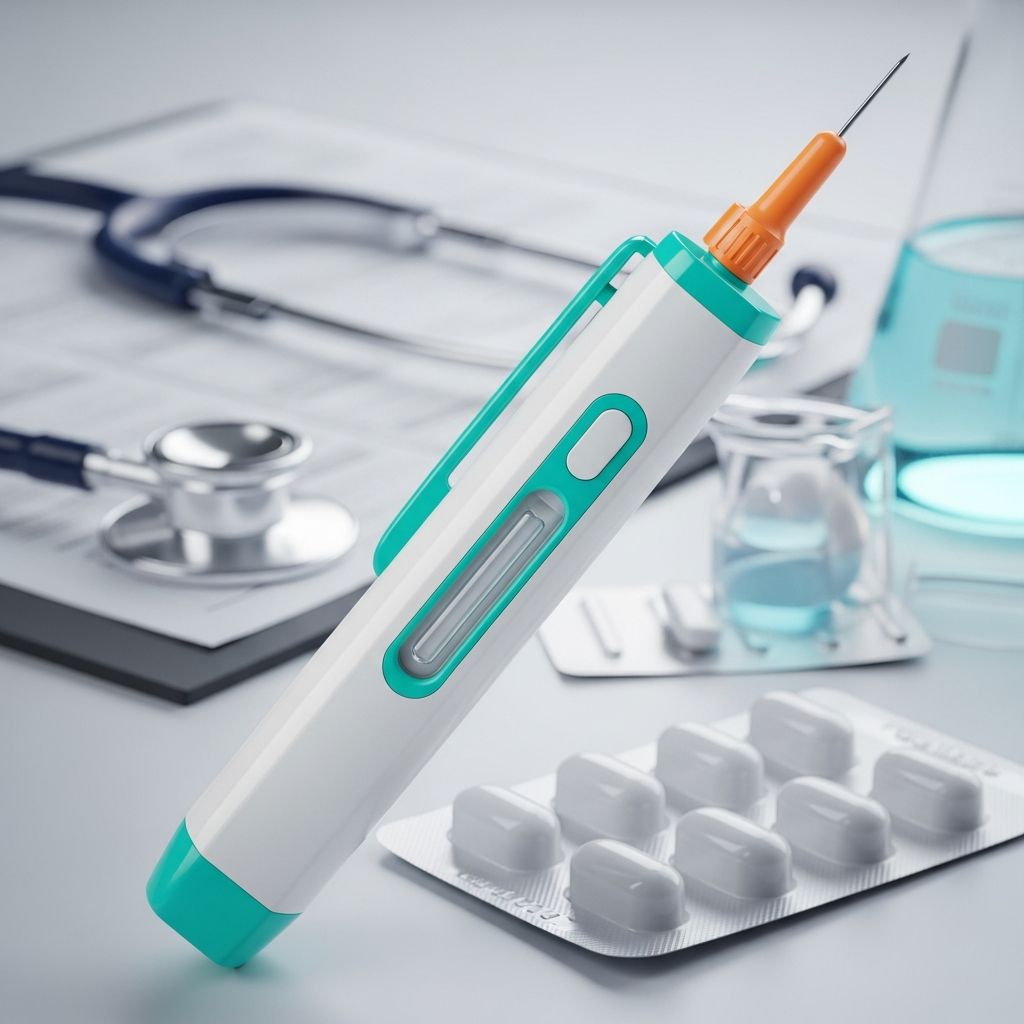
What Is Tirzepatide?
Tirzepatide, marketed under the brand name Mounjaro, is a prescription medication used to treat type 2 diabetes mellitus. It represents a significant advancement in diabetes management and weight loss treatment, functioning as a dual agonist that targets two important hormone receptors in the body. This medication was approved by the US Food and Drug Administration (FDA) in May 2022 for treating type 2 diabetes, and has since demonstrated remarkable efficacy in improving glycemic control and promoting weight reduction in patients with type 2 diabetes mellitus (T2DM). The medication works through a unique mechanism that sets it apart from other diabetes treatments currently available on the market.
How Tirzepatide Works
Tirzepatide functions by activating receptors for two critical hormones: glucagon-like peptide-1 (GLP-1) and glucose-dependent insulinotropic polypeptide (GIP). This dual-action mechanism produces multiple beneficial effects throughout the body. The medication increases insulin levels in your body, which directly decreases blood sugar levels. Additionally, tirzepatide reduces the amount of sugar released into your bloodstream and slows down your digestion, helping to regulate glucose absorption. By slowing digestion, the medication helps you feel fuller for longer, which naturally reduces appetite and can lead to significant weight loss. This comprehensive approach to blood sugar management makes tirzepatide particularly effective for patients struggling with both diabetes and obesity.
Indications and Uses
Tirzepatide is primarily indicated for the treatment of type 2 diabetes in adults. Beyond its primary indication, research has demonstrated that tirzepatide provides significant benefits for weight management in patients with obesity. The medication helps patients achieve improved glycemic control while simultaneously supporting weight reduction, maximizing benefits similar to other GLP-1 medications such as semaglutide. Many patients find that the dual benefits of blood sugar control and weight loss make this medication an attractive option for comprehensive diabetes management.
Weight Loss Benefits
Clinical trials have shown impressive weight loss results with tirzepatide therapy. In the SURMOUNT-1 trial, patients who took a 15-mg injection of tirzepatide showed a 17.8% difference in weight loss compared with a placebo group over 72 weeks. Real-world data from Cleveland Clinic research indicates that those who remained on tirzepatide at high maintenance dosages achieved approximately 18.0% body weight loss, demonstrating that the benefits observed in clinical trials can be achieved in everyday practice when patients maintain consistent treatment.
Dosage and Administration
How to Take Tirzepatide
Tirzepatide is administered as a subcutaneous injection, meaning it is injected under the skin. You will be taught how to prepare and give the injection by your healthcare provider. The medication is given once every week, specifically every 7 days. This convenient weekly dosing schedule makes it easier for patients to remember their medication compared to daily medications. It is essential that you keep taking tirzepatide unless your healthcare provider tells you to stop. Do not discontinue the medication on your own without consulting your medical team.
Dosage Schedule
The standard tirzepatide dosing follows a specific titration protocol designed to minimize side effects while achieving optimal glycemic control:
- Week 1: Initial dose of 2.5 mg administered subcutaneously once weekly
- Week 4: Increase to 5 mg once weekly
- Week 8: Increase to 7.5 mg once weekly
- Week 12: Increase to 10 mg once weekly
- Maximum dose: 15 mg once weekly
The dosage can be increased based on efficacy, as defined by HbA1c levels, body weight, and your ability to tolerate adverse effects. Your healthcare provider may adjust your dose at follow-up visits. If you miss a dose of tirzepatide, it should be administered within 4 days (96 hours) if feasible; otherwise, skip the missed dose and return to your regular once-weekly schedule.
Related Stories



Injection Technique
When using tirzepatide with insulin, you should inject this medication and the insulin separately. Do not mix them together in the same injection. Additionally, do not give the injections right next to each other. Change (rotate) injection sites with each injection to prevent lipodystrophy and ensure consistent absorption of the medication.
Common Side Effects
While tirzepatide is generally well-tolerated, some patients may experience side effects, particularly when first starting the medication or during dose escalation. The most common side effects include nausea and diarrhea. These gastrointestinal symptoms typically occur as the body adjusts to the medication and often improve over time as you continue treatment.
Managing Side Effects
Many side effects associated with tirzepatide can be managed through lifestyle modifications and dietary adjustments. Taking the medication with food, eating smaller meals, staying hydrated, and avoiding fatty or greasy foods can help minimize gastrointestinal symptoms. Your healthcare provider may recommend over-the-counter medications to help manage nausea or diarrhea. It is important to discuss any side effects you experience with your medical team, as they can provide personalized strategies for managing them or may adjust your dosage if needed.
Monitoring and Follow-Up Care
Regular Blood Work
You may need blood work done while you are taking tirzepatide. Your care team will monitor your HbA1C, also known as A1C. This test shows what your average blood sugar (glucose) level was over the past 2 to 3 months and is the gold standard for assessing long-term glycemic control. Regular monitoring helps your healthcare provider determine if your current dose is effective or if adjustments are needed.
Importance of Regular Visits
It is important to visit your healthcare provider regularly when you take tirzepatide. These appointments allow your medical team to assess how well the medication is working, monitor for any side effects or complications, and make any necessary adjustments to your treatment plan. Consistent follow-up care is essential for achieving optimal outcomes with tirzepatide therapy.
Important Safety Considerations
Hypoglycemia Awareness
Know the symptoms of low blood sugar and know how to treat it. Symptoms of hypoglycemia include shakiness, sweating, rapid heartbeat, anxiety, and confusion. Always carry a source of quick sugar with you, such as hard sugar candy, glucose tablets, or juice boxes. Examples of appropriate treatments include 15 grams of fast-acting carbohydrates. Make sure others know that you can choke if you eat or drink when your blood sugar is too low and you are unable to care for yourself. Get medical help at once if you experience severe hypoglycemia or loss of consciousness.
Medical Conditions and Contraindications
Your healthcare provider needs to know if you have any conditions that might affect your tirzepatide therapy. Certain medical conditions may make tirzepatide inappropriate or require special monitoring. Be sure to inform your doctor about all of your medical history, including any thyroid problems, pancreatitis, gallbladder disease, kidney disease, or heart conditions.
Special Populations
Hepatic Impairment
According to the manufacturer’s product information, no dosage adjustment of tirzepatide is suggested for patients with hepatic impairment. However, patients with severe liver disease should still discuss their specific situation with their healthcare provider to ensure safe use of the medication.
Medication Interactions
Inform your healthcare provider about all medications you are taking, including over-the-counter medications, supplements, and herbal products. Some medications may interact with tirzepatide or may affect how well it works. Your healthcare provider can review your complete medication list and advise you about any potential interactions.
Lifestyle Modifications
Tirzepatide is most effective when combined with lifestyle modifications including diet and exercise changes. A reduced-calorie diet and increased physical activity enhance the medication’s effectiveness and support better long-term outcomes. Your healthcare provider may recommend working with a registered dietitian or certified diabetes educator to develop a personalized nutrition and exercise plan that complements your tirzepatide therapy.
Clinical Trial Results
Research demonstrates the effectiveness of tirzepatide in real-world settings. Cleveland Clinic research found that among patients who remained on tirzepatide treatment without discontinuation, the average weight loss was 11.9% body weight after one year. Those who maintained high-dose treatment achieved even greater results, with average weight loss of 18.0% of their body weight. These results underscore the importance of treatment adherence and maintaining consistent dosing for optimal outcomes.
Frequently Asked Questions
Q: How often do I need to inject tirzepatide?
A: Tirzepatide is injected once every seven days. This weekly dosing schedule makes it convenient to remember and integrate into your routine.
Q: Can I mix tirzepatide with insulin?
A: No, you should not mix tirzepatide with insulin. Inject them separately and not next to each other. Your healthcare provider will provide specific instructions on proper injection technique.
Q: What should I do if I miss a dose?
A: If you miss a dose, inject it within 4 days (96 hours) if possible. If more than 4 days have passed, skip the missed dose and resume your regular weekly schedule on the next scheduled day.
Q: How quickly will I see weight loss results?
A: Weight loss typically begins within the first few weeks, but the full benefits are usually seen after several months of consistent treatment. Individual results vary based on your starting weight, lifestyle modifications, and adherence to the medication regimen.
Q: What should I do about nausea?
A: Nausea is a common side effect, particularly when starting the medication. Try eating smaller meals, avoiding fatty foods, staying hydrated, and taking the medication as directed. Talk to your healthcare provider if nausea persists or is severe.
Q: Can I stop taking tirzepatide on my own?
A: No, you should not stop taking tirzepatide without consulting your healthcare provider. Discontinuing the medication without medical guidance may result in return of high blood sugar levels and weight regain.
Q: How does tirzepatide compare to other diabetes medications?
A: Tirzepatide is a dual GLP-1/GIP receptor agonist that provides superior glycemic control and weight loss compared to many other diabetes medications. Your healthcare provider can help determine if it is the best option for your specific situation.
References
- Tirzepatide Injection (Mounjaro): How It Works & Side Effects — Cleveland Clinic. Accessed December 1, 2025. https://my.clevelandclinic.org/health/drugs/23789-tirzepatide-injection
- Tirzepatide – StatPearls — National Center for Biotechnology Information (NCBI). Accessed December 1, 2025. https://www.ncbi.nlm.nih.gov/books/NBK585056/
- TIRzepatide for the Treatment of Obesity in Patients With Atrial Fibrillation — Cleveland Clinic Clinical Trials. Accessed December 1, 2025. https://my.clevelandclinic.org/clinical-trials/2174-tirzepatide-for-the-treatment-of-obesity-with-atrial-fibrillation
- Cleveland Clinic Research Finds Injectable Medications for Obesity Produce Smaller Weight Loss in Real-World Setting — Cleveland Clinic Newsroom. June 10, 2025. https://newsroom.clevelandclinic.org/2025/06/10/cleveland-clinic-research-finds-injectable-medications-for-obesity-produce-smaller-weight-loss-in-a-real-world-setting-compared-to-randomized-clinical-trials
- Tirzepatide Adds Significant Weight Loss Even After Lifestyle Changes — Cleveland Clinic Journal of Medicine. Accessed December 1, 2025. https://www.ccjm.org/page/obweek-2023/tirzepatide-loss
Similar Articles








Read full bio of Sneha Tete