TMJ Disorder Symptoms: Signs, Causes & Relief
Understand TMJ disorder symptoms, causes, and effective treatment options for jaw pain relief.

Understanding TMJ Disorder Symptoms and Treatment Options
Temporomandibular joint (TMJ) disorders, also known as temporomandibular disorders (TMD), affect millions of people and can significantly impact quality of life. The temporomandibular joint connects the lower jaw to the skull, allowing essential functions like chewing, speaking, and swallowing. When this joint experiences problems, it can lead to a range of uncomfortable and sometimes debilitating symptoms. Understanding the signs of TMJ disorder is crucial for early recognition and effective management.
What Is TMJ Disorder?
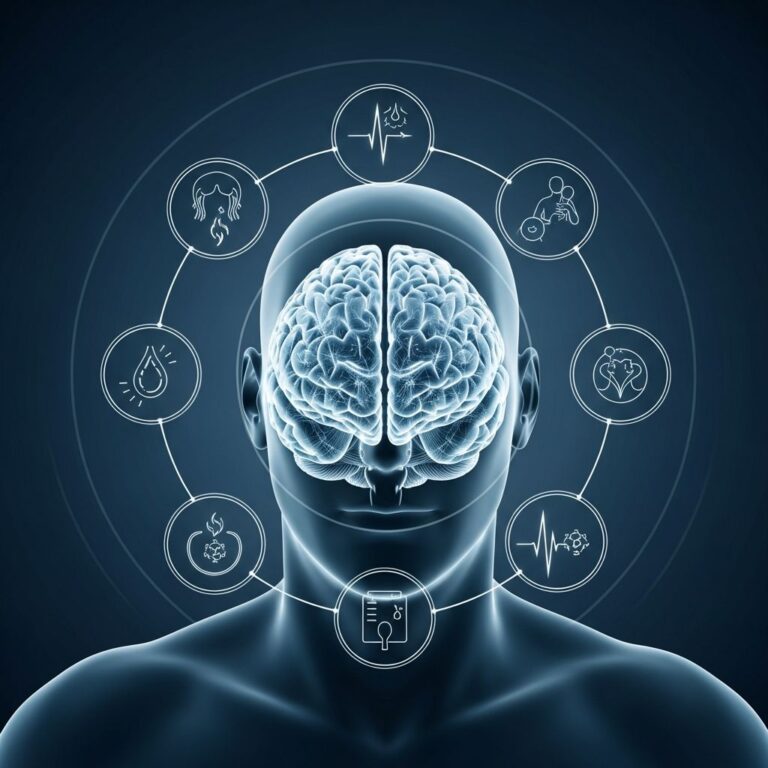
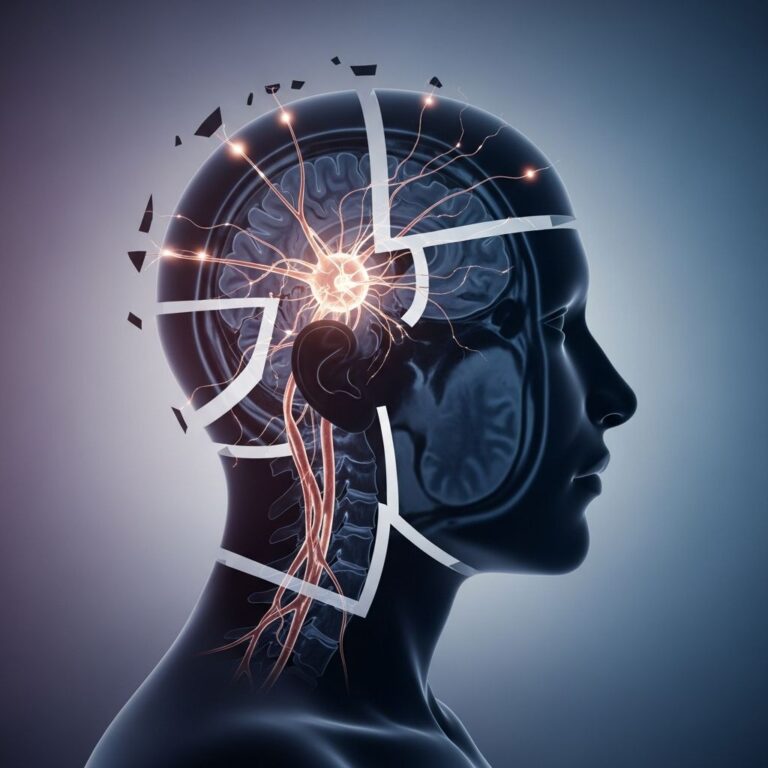
TMJ disorder refers to a group of conditions involving the jaw joint and surrounding tissues. The condition is characterized by pain in the temporomandibular joint and associated muscles, as well as limitations in jaw movement. Research indicates that TMJ disorder is a complex, multi-system condition that extends far beyond just the jaw and teeth. Scientists have found that 85% of patients with TMJ disorder also suffer from other chronic conditions in different parts of the body, suggesting that TMJ disorder is interconnected with various bodily systems including the circulatory, digestive, immune, and nervous systems.
Common Symptoms of TMJ Disorder
TMJ disorder symptoms can vary significantly from person to person, ranging from mild discomfort to severe, debilitating pain. Some individuals may experience no pain but still have difficulty moving their jaws. Here are the most common symptoms:
- Jaw pain and tenderness – Pain or tenderness in the jaw is one of the hallmark symptoms, occurring in one or both temporomandibular joints.
- Ear pain – Aching pain in and around the ear is frequently reported, along with pressure, fullness, or ringing in the ears (tinnitus).
- Difficulty chewing – Having a hard time chewing or experiencing pain while chewing is common, making eating challenging.
- Facial pain – Aching facial pain often accompanies jaw discomfort and may spread to the face, shoulder, neck, or back.
- Jaw locking – The joint may lock, making it hard to open or close the mouth completely.
- Headaches – Chronic headaches are prevalent in TMJ disorder patients and are often caused by tension in the masticatory muscles.
- Neck and shoulder pain – Pain frequently extends beyond the jaw to the neck and shoulders.
- Clicking or popping sounds – A click, crepitus, or pop when opening or closing the mouth may indicate anterior disc displacement or osteoarthritis.
- Eye pain – Some patients experience discomfort behind or around the eyes.
- Tooth pain – Tooth pain that occurs along with jaw tenderness may be associated with TMJ disorder.
- Vision problems and dizziness – Less common but still reported symptoms include vision issues and vertigo.
- Bite changes – A bite that feels “off” or a change in bite alignment between upper and lower teeth can occur.
It is important to note that occasional clicking or discomfort in the jaw joint is common and not always a cause for concern. Often, the problem resolves on its own within several weeks to months.
Causes of TMJ Disorder
The exact cause of TMJ disorder is often difficult to identify, as multiple factors may contribute to its development. In many cases, the condition results from a combination of causes rather than a single factor. Understanding potential causes can help with prevention and management:
- Disc displacement – The disk erodes or moves out of its proper relationship between the ball and socket of the joint, disrupting normal jaw movement.
- Ligament and soft tissue injury – A sprain or strain in the ligaments or soft tissues associated with the TMJ can lead to disorder development.
- Arthritis – Arthritis can damage the joint’s cartilage, leading to pain and dysfunction.
- Trauma or injury – A blow or another impact to the jaw can damage the joint and trigger TMJ disorder.
- Muscle spasms – Jaw muscles may experience spasms that contribute to TMJ disorder symptoms.
- Muscle fatigue – Overuse of jaw muscles through activities like excessive chewing or prolonged talking can lead to myogenic pain.
- Poor posture – Incorrect head and neck positioning can strain the jaw joint and surrounding muscles.
- Stress and tension – Psychological stress often manifests as jaw clenching or teeth grinding, contributing to TMJ disorder.
- Sleep disorders – Poor sleep quality and sleep-related disorders are commonly associated with TMJ disorder development.
TMJ Disorder and Comorbid Conditions
Research has revealed that TMJ disorder rarely occurs in isolation. Studies show that 85% of patients with TMJ disorder also suffer from other chronic pain and non-pain conditions in different parts of the body. These conditions are called “comorbid” because they occur together more often than chance can explain, and they share similar risk factors, symptoms, and underlying disease mechanisms.
Common comorbid conditions include:
- Chronic headaches and migraines
- Chronic fatigue syndrome
- Fibromyalgia
- Neck and low back pain
- Sleep disorders (insomnia, poor sleep quality)
- Irritable bowel syndrome
- Allergies
- Rheumatoid arthritis
- Sinusitis
- Anxiety and depression
- Post-traumatic stress disorder
- Systemic lupus erythematosus
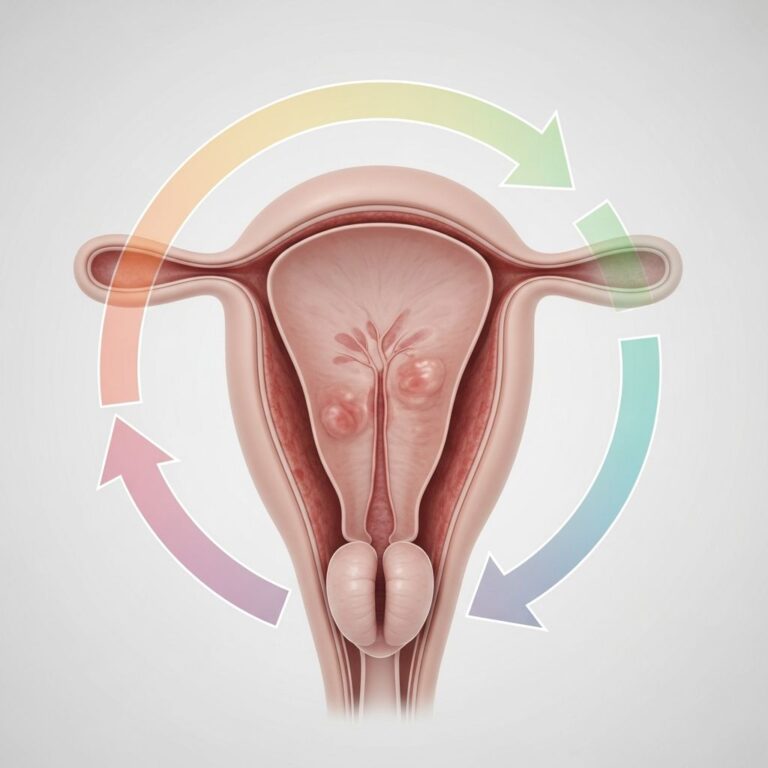
- Endometriosis
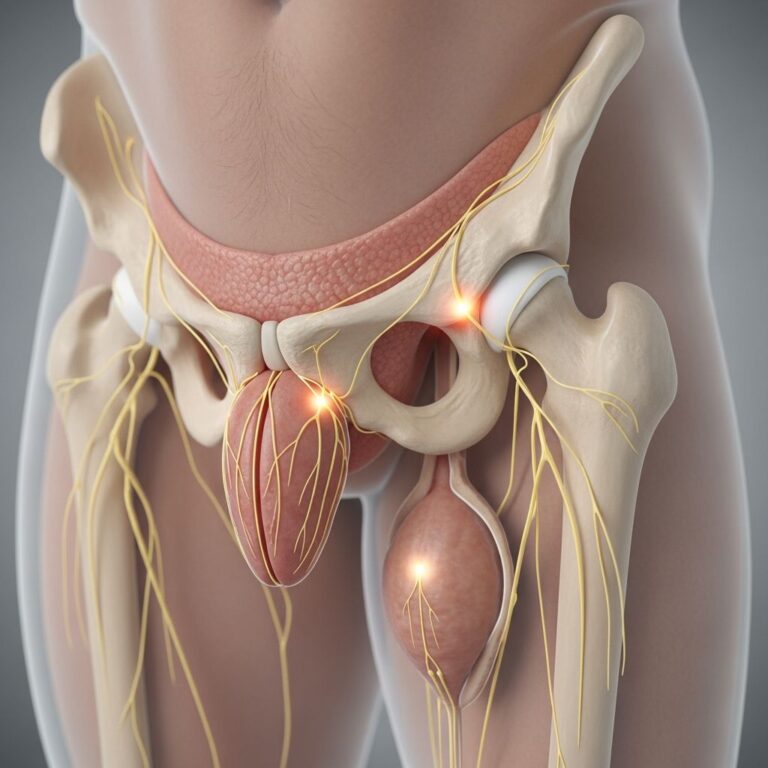
- Interstitial cystitis
Related Stories



The relationship between TMJ disorder and these conditions suggests that TMJ is a complex multi-systems condition involving multiple body systems rather than a localized joint problem. This understanding has important implications for treatment, as addressing only the jaw symptoms may be insufficient without considering overall health.
Who Is Most Affected by TMJ Disorder?
TMJ disorders can affect people of any age, but certain populations are at higher risk. The condition is much more common in teens, especially adolescent girls, and women are significantly more affected than men overall. The prevalence of TMJ disorder in the general population is high, with most people showing some signs of the condition, though only a fraction require clinical treatment.
How Is TMJ Disorder Diagnosed?
Diagnosis of TMJ disorder typically involves a comprehensive evaluation by a healthcare provider. The diagnostic process may include:
- A detailed medical history and symptom review
- Physical examination of the jaw joint and surrounding muscles
- Assessment of jaw movement, range of motion, and function
- Evaluation of bite alignment
- Blood tests, sometimes recommended to rule out other medical conditions that may mimic TMJ symptoms
- Imaging studies such as X-rays, MRI, or CT scans if indicated
Many symptoms of TMJ disorder are self-limiting and may resolve without intervention, so healthcare providers often recommend conservative approaches first.
Impact on Daily Life and Quality
TMJ disorder’s classic triad—pain in the temporomandibular joint, reduced mandibular range of motion, and functional clicking—can significantly impair patients’ ability to perform everyday tasks. Simple activities like eating, speaking, yawning, and making facial expressions can become difficult or painful. The condition can affect a person’s ability to breathe, chew, swallow, and maintain normal facial expressions, substantially impacting their overall quality of life and psychological well-being.
Treatment Approaches for TMJ Disorder
Treatment for TMJ disorder typically begins with conservative methods, which have shown positive results in most patients. Common treatment approaches include:
- Pain management – Over-the-counter pain relievers and anti-inflammatory medications can help manage discomfort
- Physical therapy – Exercises and stretches can strengthen jaw muscles and improve mobility
- Jaw exercises – Targeted exercises designed to improve function and reduce pain
- Oral appliances – Night guards or bite splints can reduce jaw clenching and grinding
- Heat and cold therapy – Application of heat or cold packs can provide symptomatic relief
- Stress management – Techniques to reduce stress and tension, which often contributes to jaw clenching
- Lifestyle modifications – Avoiding hard foods, reducing excessive talking, and maintaining proper posture
- Behavioral changes – Awareness and modification of habits like nail-biting or pen-chewing
More advanced treatments may be considered if conservative measures fail to provide relief after a reasonable trial period. These may include prescription medications, injections, or in some cases, surgical intervention.
Frequently Asked Questions About TMJ Disorder
Q: Is TMJ disorder permanent?
A: Many TMJ disorder symptoms resolve on their own within weeks to months without treatment. However, some people experience chronic symptoms requiring ongoing management. The condition is not necessarily permanent, but individual outcomes vary significantly.
Q: Can stress cause TMJ disorder?
A: Yes, stress can significantly contribute to TMJ disorder development and symptom severity. Stress often leads to jaw clenching and teeth grinding, which strain the temporomandibular joint and surrounding muscles, potentially triggering or worsening symptoms.
Q: When should I see a doctor about jaw pain?
A: You should consult a healthcare provider if jaw pain persists for more than a few weeks, if symptoms are severe or worsening, if the jaw locks or becomes difficult to move, or if the pain significantly impacts your ability to eat or speak.
Q: What is the difference between TMJ and TMD?
A: TMJ refers to the temporomandibular joint itself, while TMD (temporomandibular disorder) refers to disorders affecting this joint and surrounding structures. The terms are often used interchangeably in clinical practice.
Q: Can children develop TMJ disorder?
A: Yes, TMJ disorder can affect children of any age, though it is much more common in teenagers, particularly adolescent girls. The condition can develop due to similar causes as in adults, including trauma, poor posture, stress, and muscle tension.
Q: Are there any preventive measures for TMJ disorder?
A: While not all TMJ disorders are preventable, certain measures may reduce risk, including maintaining good posture, managing stress effectively, avoiding excessive jaw use (hard foods, prolonged talking), not chewing gum excessively, and addressing teeth grinding through use of a night guard.
References
- TMJ Disorders – Symptoms and Causes — Mayo Clinic. 2024. https://www.mayoclinic.org/diseases-conditions/tmj/symptoms-causes/syc-20350941
- TMJ Basics — The TMJ Association. 2025. https://tmj.org/living-with-tmj/basics/
- Temporomandibular Syndrome — StatPearls, National Center for Biotechnology Information (NCBI), U.S. National Library of Medicine. 2024. https://www.ncbi.nlm.nih.gov/books/NBK551612/
- TMJ Disorders — Nemours KidsHealth. 2024. https://kidshealth.org/en/parents/tmj.html
- Temporomandibular Disorders: Rapid Evidence Review — American Academy of Family Physicians. January 2023. https://www.aafp.org/pubs/afp/issues/2023/0100/temporomandibular-disorders.html
- Temporomandibular Joint (TMJ) Disorder — Jefferson Health. 2024. https://www.jeffersonhealth.org/conditions-and-treatments/temporomandibular-joint-disorder
Similar Articles








Read full bio of medha deb