TMJ Disorders: Symptoms, Causes, and Treatment
Comprehensive guide to TMJ disorders: Understand symptoms, identify causes, explore effective treatments, and learn self-care strategies for jaw pain relief.
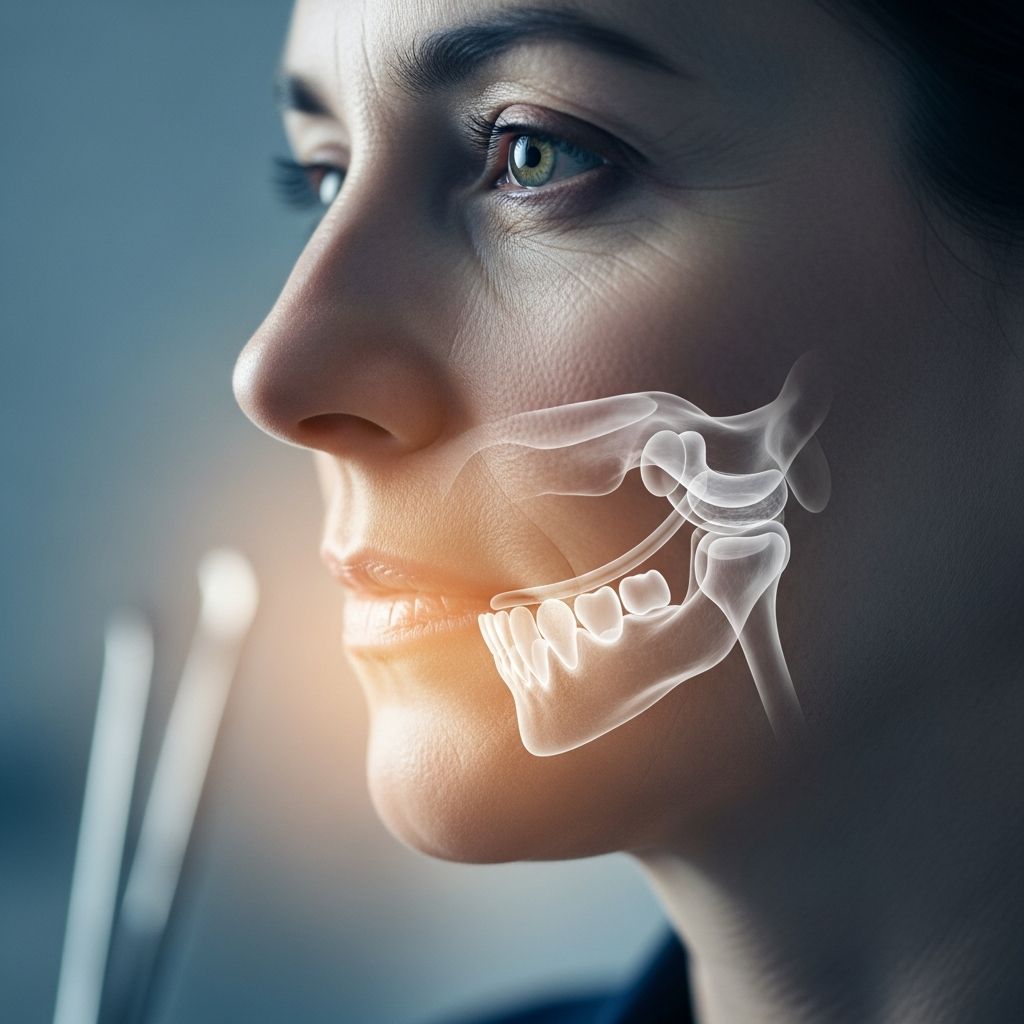
Temporomandibular disorders (TMDs), often referred to as TMJ disorders, encompass over 30 conditions affecting the jaw joint (TMJ) and surrounding muscles, causing pain and dysfunction in jaw movement. These issues impact 5-12% of the population, with women aged 35-44 twice as likely to experience them as men.
What Is TMJ?
The temporomandibular joint (TMJ) is a sliding hinge connecting the jawbone to the skull, located just in front of each ear. You can feel it by placing fingers there while opening your mouth. TMDs affect this joint, masticatory muscles, or associated headaches, leading to discomfort during chewing, speaking, or yawning.
While sounds like clicking without pain are normal and common, persistent symptoms warrant attention. TMDs can be acute, resolving quickly, or chronic, co-occurring with conditions like fibromyalgia or irritable bowel syndrome.
Symptoms of TMJ Disorders
The hallmark symptom is pain in the chewing muscles or jaw joint, often spreading to the face, neck, or ears. Key symptoms include:
- Pain or tenderness in the jaw, face, or around the ear, worsened by chewing.
- Limited jaw movement, stiffness, or locking, making opening/closing difficult.
- Clicking, popping, or grating sounds in the jaw, painful when present.
- Headaches, often tension-type or migraines, neck pain, or dizziness.
- Ear-related issues like ringing, fullness, or perceived hearing loss.
- Changes in bite or tooth fit, difficulty chewing.
These symptoms may fluctuate; many cases resolve without intervention, but chronic pain affects daily life, from eating to sleeping.
Causes of TMJ Disorders
Exact causes remain unclear in most cases, with no single trigger. Contributing factors include:
- Injury to the jaw, joint, or surrounding areas from trauma or habits like clenching.
- Muscle tension from neck/shoulder tightness (e.g., trapezius, sternocleidomastoid) or stress-induced grinding (bruxism).
- Arthritis types like osteoarthritis or rheumatoid, disc disorders, or hypermobility.
- Psychological factors: Stress, anxiety, depression, or pain perception influencing onset and duration.
- Genetics and conditions: Predisposition, fibromyalgia, or connective tissue diseases.
- Habits: Gum chewing, nail biting, smoking, or poor posture.
Research points to a mix of genes, stressors, and individual pain responses.
Risk Factors for TMJ Disorders
Certain groups face higher risks:
| Risk Factor | Description |
|---|---|
| Gender | Twice as common in women, peak 35-44 years. |
| Age | Primarily adults; 11-12 million U.S. adults affected. |
| Arthritis | Rheumatoid, osteoarthritis increase susceptibility. |
| Stress/PTSD | Psychological strain heightens risk. |
| Habits | Bruxism, clenching, gum chewing. |
| Other Conditions | Fibromyalgia, sleep issues, ankylosing spondylitis. |
Prevalence: 5-12% population-wide.
Diagnosis of TMJ Disorders
Diagnosis starts with a history and physical exam: checking jaw tenderness, movement, clicking, and bite alignment. Providers rule out other causes like tooth pain or sinus issues.
Imaging may include:
- X-rays for bone issues.
- MRI for disc/joint soft tissues.
- CT for detailed bone structure.
No single test confirms TMD; it’s based on symptoms and exam.
Related Stories



Treatment Options for TMJ Disorders
Treatments prioritize conservative, reversible approaches; many symptoms self-resolve. Avoid permanent changes like surgery unless necessary.
Self-Care and Home Remedies
- Apply moist heat/ice packs 10-15 minutes several times daily.
- Soft diet; avoid gum, hard foods.
- Massage jaw muscles gently.
- Stress reduction: relaxation, meditation.
- Posture improvement; avoid clenching.
Medications
- NSAIDs (ibuprofen) for pain/inflammation.
- Muscle relaxants short-term.
- Tricyclic antidepressants for chronic pain.
- Corticosteroid injections rarely.
Non-Invasive Therapies
Physical Therapy: Key for relief; includes exercises for jaw mobility, strength, posture. Hinge Health-style programs target muscles, prevent flares.
Example exercises:
- Resisted opening: Place fist under chin, gently open against resistance (5-10 reps).
- Jaw side-to-side: Slide jaw left/right slowly (10 reps/side).
- Goldfish exercise: Partial mouth opening with tongue on roof, 6 reps.
- Chin tucks for neck support.
Oral Appliances: Night guards prevent grinding.
Other Interventions
- Prolotherapy: Injections for dislocation/hypermobility.
- BTX (Botox): Relaxes overactive muscles temporarily.
- Arthrocentesis: Fluid flushing for locked joints.
Surgical Options (Last Resort)
Open-joint surgery or TMJ implants (FDA-approved 3 types) for severe cases: injury, ankylosis, failed conservative treatments.
TMJ Exercises for Pain Relief
Regular exercises build resilience:
- Relaxation Jaw Stretch: Rest tongue on roof, let jaw hang open 5 seconds, 10 reps.
- Resisted Mouth Closing: Fingers on chin, close against gentle pressure.
- Neck Stretches: Tilt head side-to-side, hold 30 seconds.
- Posture Drill: Align ears over shoulders daily.
Consult a PT for personalized plans; consistency prevents chronicity.
When to See a Doctor for TMJ Pain
Seek care if:
- Pain persists >1-2 weeks or worsens.
- Jaw locks repeatedly.
- Severe headaches, ear pain, or bite changes.
- Difficulty eating/speaking.
Dentists, oral surgeons, or ENT specialists diagnose/treat.
Prevention Tips for TMJ Disorders
- Avoid extreme jaw positions (yawning wide).
- Manage stress proactively.
- Use night guards if grinding.
- Maintain good posture.
- Strengthen jaw/neck via exercises.
Frequently Asked Questions (FAQs)
What is the difference between TMJ and TMD?
TMJ refers to the joint; TMD describes disorders affecting it and muscles.
Do TMJ disorders go away on their own?
Many acute cases resolve without treatment; chronic ones need management.
Is TMJ pain serious?
Often not, but untreated chronic pain impacts quality of life; early intervention helps.
Can stress cause TMJ issues?
Yes, via clenching and muscle tension.
Are TMJ exercises effective?
Yes, they relieve pain, improve mobility, and prevent flares when done consistently.
References
- TMD (Temporomandibular Disorders) — National Institute of Dental and Craniofacial Research (NIDCR). Accessed 2026. https://www.nidcr.nih.gov/health-info/tmd
- TMJ disorders and pain: causes, treatments, and exercises for relief — Hinge Health. Accessed 2026. https://www.hingehealth.com/resources/articles/tmj-pain/
- TMJ disorders – Symptoms and causes — Mayo Clinic. 2024-12-24. https://www.mayoclinic.org/diseases-conditions/tmj/symptoms-causes/syc-20350941
- Temporomandibular Disorders: Rapid Evidence Review — American Academy of Family Physicians (AAFP). 2023-01-00. https://www.aafp.org/pubs/afp/issues/2023/0100/temporomandibular-disorders.html
Similar Articles








Read full bio of medha deb