Toasted Skin Syndrome: Causes, Symptoms, and Prevention
Learn what toasted skin syndrome is, how it develops, and effective ways to prevent this heat-related skin condition.
What is Toasted Skin Syndrome?
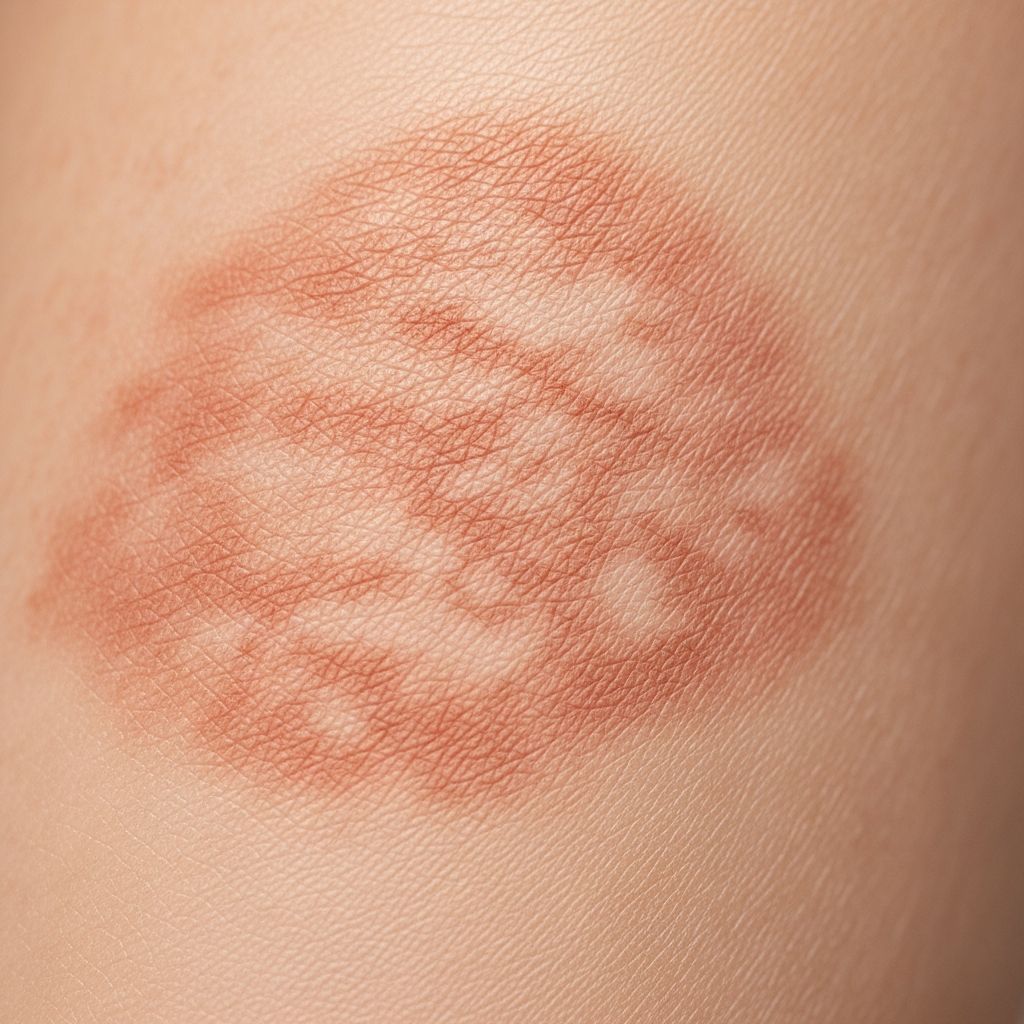
Toasted skin syndrome is a skin condition caused by chronic exposure to low-level heat sources over extended periods. The medical term for this condition is Erythema Ab Igne (EAI), which is Latin for “redness from fire”. Despite its unusual name, this condition is a legitimate dermatological concern that occurs when skin is repeatedly exposed to heat that isn’t hot enough to cause an immediate burn but is significantly warmer than room temperature.
According to pediatric dermatologist Dr. Daniel Grove, “EAI results from chronic exposure to low level heat. The chronic heat exposure causes damage to the skin resulting in a red (acute form) or brown (chronic form) lacy net-like patterned rash”. The condition was historically associated with crowding around household heating devices such as wood burning stoves, but modern cases typically result from everyday electronic devices and heating appliances.
Understanding the Symptoms and Appearance
Toasted skin syndrome presents distinct visual characteristics that develop progressively. The condition typically begins as pink or red patches on the skin and gradually transitions into brown discoloration in a distinctive reticulated or fishnet-like pattern. This patterned appearance is one of the most recognizable features of the condition and develops directly over the area of repeated heat exposure.
Beyond the visible discoloration, individuals may experience associated symptoms including:
- Burning sensations on the affected skin
- Occasional itching
- Scaling of the skin surface
- Skin sensitivity in the affected area
It’s important to note that in many cases, the rash is asymptomatic and may be discovered incidentally during routine observations or medical examinations. The severity and timeline for symptom development varies between individuals, as there is no universally established timeframe for when toasted skin syndrome develops.
Common Heat Sources That Cause Toasted Skin Syndrome
Modern lifestyles expose us to numerous heat sources that can potentially trigger toasted skin syndrome if used improperly or excessively. Understanding these common culprits is essential for prevention and early awareness.
- Laptop computers: Placing laptops directly on the thighs or lap is one of the most frequently reported causes, particularly among students and professionals who work from home
- Car seat heaters: Prolonged use of heated car seats, especially during winter months, can lead to chronic heat exposure on areas of direct contact
- Heating pads and blankets: Chronic use for pain management or comfort, particularly when applied directly to skin without barriers
- Hot water bottles: Extended use for therapeutic warmth or pain relief
- Space heaters: Positioning space heaters too close to the body or directing them at specific body areas for extended periods
- Occupational heat exposure: Certain trades such as glass blowing involve chronic occupational heat exposure
These heat sources typically emit temperatures under 115 degrees Fahrenheit—warm enough to cause cumulative skin damage but not hot enough to cause an immediate, noticeable burn.
Who is at Risk for Toasted Skin Syndrome?
While toasted skin syndrome can develop in anyone with repeated and prolonged heat exposure, certain populations face higher risk levels. Children and adolescents are at elevated risk because their skin is often more sensitive than adults’, making them more susceptible to heat-induced damage. However, this condition can occur at any age.
The highest-risk individuals are those who:
- Chronically use heating pads or blankets daily for pain management
- Work at desks with space heaters running underneath for extended periods
- Place laptops directly on their skin or clothing for extended work sessions
- Work in trades requiring chronic heat exposure, such as glass blowing
- Use heated car seats regularly during cold months
- Are middle-aged to elderly adults with chronic musculoskeletal pain
Related Stories



Individuals with chronic pain conditions who rely on heating pads for relief are particularly vulnerable, especially if they apply heat multiple times throughout the day for extended periods.
How Does Toasted Skin Syndrome Develop?
The development of toasted skin syndrome involves specific physiological changes occurring at the cellular level. Prolonged exposure to heat sources causes changes in the skin’s superficial blood vessels, cells, and fibers. Research suggests that radiant infrared energy enters the dermis and activates lysosomes, causing enzymes to diffuse into tissue and digest susceptible substances such as collagen and elastic fibers.
With chronic exposure, these damaged structures condense and produce elastosis—degenerative changes with increased deposition of elastin—resulting in the characteristic reticulated rash associated with toasted skin syndrome. The repeated heat exposures lead to marked erythema, hyperpigmentation, and occasionally epidermal atrophy.
The condition fundamentally differs from heat rash. While heat rash is a temporary reaction to blocked sweat glands that leads to small bumps or blisters, toasted skin syndrome is related to the dilation of blood vessels when exposed to prolonged, low-level heat. This distinction is important for proper diagnosis and treatment approaches.
Health Risks and Complications
While toasted skin syndrome is generally considered a benign condition in terms of immediate health danger, it carries potential long-term health implications that warrant serious attention. In general, the condition itself isn’t acutely dangerous, but avoiding prolonged heat exposure is advisable.
The most concerning potential complication involves skin cancer risk. According to Dr. Grove, “EAI has been linked with skin cancer. Chronic heat exposure causes cumulative epidermal damage, which increases the long-term risk of squamous cell skin cancer or Merkel cell carcinoma. Fortunately, the malignancy risk is very low”. Cases of skin cancer have been reported in connection with toasted skin syndrome, but such occurrences are extremely rare.
Histologically, toasted skin syndrome resembles actinic keratosis, with the epidermis showing atypical cells and associated accumulation of dermal elastic tissue—an early sign of both UV radiation and heat-induced skin damage. This cellular similarity to sun-damaged skin underscores the importance of preventing chronic heat exposure.
Beyond cancer risk, individuals with chronic heat exposure may experience permanent skin discoloration. For some chronic heat users, the skin discoloration is permanent, even after discontinuing the heat source.
Prevention Strategies and Best Practices
Prevention is far superior to treatment when it comes to toasted skin syndrome. The most important approach is recognizing risk factors and implementing protective measures before damage occurs.
General Prevention Tips
- Create physical barriers: Separate your skin from heat sources by using a pillow or laptop pad under your computer
- Use lowest heat settings: When using heating devices, always select the lowest effective heat setting rather than maximum temperatures
- Set automatic timers: Program space heaters and heating pads to automatically shut off after specific time periods to prevent inadvertent overuse
- Maintain safe distances: Keep space heaters at least 2 feet or more away from your skin, and rotate where the heat hits your body to prevent concentration on one area
- Use protective clothing: When using heating pads and blankets, ensure there is a clothing barrier between the heat source and your skin. Never place heat sources directly on bare skin
- Monitor for early signs: Watch for patchy redness on skin where you apply heat—this is your body’s warning sign of excessive exposure
Workplace and Home Modifications
For individuals who must use heat sources regularly, implementing environmental modifications can significantly reduce risk. Those who use heating pads for chronic pain should speak with their physician about alternative treatment options. If heat therapy is medically necessary, using the device only as prescribed and employing protective barriers becomes essential.
In workplaces where space heaters are necessary, positioning them appropriately and rotating body position regularly can help minimize risk. Workers should avoid concentrating heat on the same body area throughout their shift.
Treatment Options
Treatment for toasted skin syndrome focuses primarily on removing the heat exposure source. “The most important treatment is early recognition and removal of the heat exposure. If diagnosed early enough, the hyperpigmentation may resolve with time,” explains Dr. Grove.
The recommended treatment approach includes:
- Immediate heat source removal: Eliminate or significantly reduce exposure to the offending heat source
- Decrease frequency and duration: If complete elimination isn’t possible, reduce how often, how long, and how close the heat source contacts your skin
- Topical treatments: Your physician may prescribe a low-potency topical steroid cream to help calm inflammation if you show signs of toasted skin syndrome
- Time and patience: With early intervention, some discoloration may resolve naturally over time as skin regenerates
However, it’s important to understand that there is no definitive cure for established toasted skin syndrome. This reality underscores why prevention is vastly preferable to treatment. For individuals with chronic heat exposure habits, eliminating or substantially reducing heat source use remains the only reliable approach to preventing further damage and potentially allowing existing lesions to improve.
Distinguishing Toasted Skin Syndrome from Other Conditions
Healthcare providers distinguish toasted skin syndrome from other heat-related skin conditions based on specific characteristics. Heat rash, for example, is a temporary reaction to blocked sweat glands and leads to small bumps or blisters on the skin, sometimes with swelling, whereas toasted skin syndrome results from blood vessel dilation related to prolonged, low-level heat exposure.
The distinctive reticulated or fishnet-like pattern of discoloration in toasted skin syndrome helps differentiate it from other dermatological conditions. Diagnosis is typically based on clinical findings and supporting history of heat exposure.
Frequently Asked Questions
Q: How long does it take to develop toasted skin syndrome?
A: There is no specific amount of time or number of exposures universally known to always produce toasted skin syndrome. Development varies among individuals based on factors including heat intensity, exposure frequency, duration, and individual skin sensitivity. However, if you notice prolonged patchy redness where you apply heat, it signals excessive exposure.
Q: Can toasted skin syndrome be reversed?
A: If diagnosed early and heat exposure is removed promptly, the hyperpigmentation may resolve with time. However, for some individuals with chronic heat use, the skin discoloration may be permanent. Early intervention offers the best chance for improvement.
Q: Is toasted skin syndrome dangerous?
A: In general, toasted skin syndrome is not immediately dangerous, though it should be avoided through prevention. The main concern is a slightly increased long-term risk of certain skin cancers, though this risk remains very low.
Q: Can children get toasted skin syndrome?
A: Yes, children are at higher risk than adults because their skin is often more sensitive. This is particularly relevant given increased laptop and electronic device use among students and young people.
Q: What should I do if I suspect toasted skin syndrome?
A: If you notice patchy redness or brown discoloration in a reticulated pattern on your skin corresponding to heat exposure, consult a healthcare provider. Stop or significantly reduce exposure to the heat source, and follow your physician’s recommendations for treatment.
Q: Are there medical treatments for toasted skin syndrome?
A: While no definitive cure exists, physicians may prescribe low-potency topical steroids to reduce inflammation. The primary treatment remains removing the heat source, which may allow existing discoloration to resolve over time.
References
- What is toasted skin syndrome? — Akron Children’s Hospital. 2023-09-01. https://www.akronchildrens.org/inside/2023/09/01/what-is-toasted-skin-syndrome/
- Can heating pads or space heaters cause ‘toasted skin syndrome’? — Ohio State University College of Medicine. https://health.osu.edu/health/skin-and-body/what-is-toasted-skin-syndrome
- What is toasted skin syndrome? Why this skin condition pops up in winter — George Washington University School of Medicine and Health Sciences Department of Dermatology. https://dermatology.smhs.gwu.edu/news/what-toasted-skin-syndrome-why-skin-condition-pops-winter
- Erythema ab igne: Toasted Skin Syndrome — PubMed Central, National Institutes of Health. https://pmc.ncbi.nlm.nih.gov/articles/PMC10324760/
Similar Articles








Read full bio of medha deb