Tobramycin for Eye Infections: Uses and Administration
Complete guide to tobramycin eye drops for bacterial infections and proper administration techniques.
About Tobramycin for Eye Infections
Tobramycin eye drops are prescribed to treat bacterial eye infections by helping to kill the germs that cause the infection. This antibacterial eye preparation is available in multiple forms and is used for both adults and children to manage various types of ocular infections.
| Aspect | Details |
|---|---|
| Type of Medicine | Antibacterial eye preparation |
| Used For | Eye infections in adults and children |
| Brand Names | Tobrex® (USA); Tobradex® (combined with dexamethasone) |
| Available Forms | Eye drops and eye ointment |
| Drug Class | Aminoglycoside antibiotic |
Understanding Eye Infections and Conjunctivitis
Eye infections are a common cause of conjunctivitis, a condition where the eye becomes inflamed and uncomfortable. Symptoms of conjunctivitis include a gritty sensation in the eye, excessive watering, redness of the white part of the eye, and swollen eyelids that may stick together with discharge upon waking. Initially, only one eye may be infected, but the infection often spreads to both eyes if left untreated.
Although some cases of infective conjunctivitis may resolve without treatment, more severe infections or those that persist require intervention. Antibiotic eye drops like tobramycin are helpful in managing these more serious cases. Additionally, tobramycin is available in combination with dexamethasone as Tobradex®, which helps prevent infection and reduce inflammation following eye cataract surgery.
Tobramycin is an effective antibiotic commonly used in managing various systemic and ocular infections. As an aminoglycoside antibiotic, it is active against aerobic gram-negative bacteria, including Pseudomonas aeruginosa, making it particularly valuable for treating resistant bacterial strains. The FDA approves tobramycin for ophthalmic use to treat external ocular infections caused by susceptible organisms in both adults and children.
How Tobramycin Works
Tobramycin operates by killing bacteria responsible for eye infections. The antibiotic belongs to a class of medications called aminoglycosides and works by disrupting bacterial cellular functions. This mechanism of action makes it effective against a broad spectrum of bacteria, including those resistant to other antibiotics like gentamicin.
The medication can be used alone or in combination with other medicines for eye infections. Both the drops and ointment forms may be used either separately during the day or together, with drops used during daytime hours and ointment applied at night for enhanced treatment effectiveness.
Before Using Tobramycin Eye Drops
Before starting tobramycin eye drops, it is essential that your doctor is aware of your complete medical history and current medications. Inform your healthcare provider about the following conditions:
- If you are pregnant or breastfeeding
- Any previous allergic reactions to antibiotics or other eye drops
- Current medications, including over-the-counter, herbal, or complementary medicines
- Muscle weakness conditions such as myasthenia gravis or Parkinson’s disease, as aminoglycoside antibiotics can worsen muscle weakness
- Use of contact lenses, as these should not be worn during treatment
Contact lens users should not wear contact lenses during the treatment of eye infections with tobramycin. This precaution helps ensure the medication can work effectively and reduces the risk of complications or reduced treatment efficacy.
Related Stories



How to Use Tobramycin Eye Drops
Proper administration of tobramycin eye drops is crucial for effective treatment. Follow these step-by-step instructions:
- Wash your hands thoroughly before beginning the application process
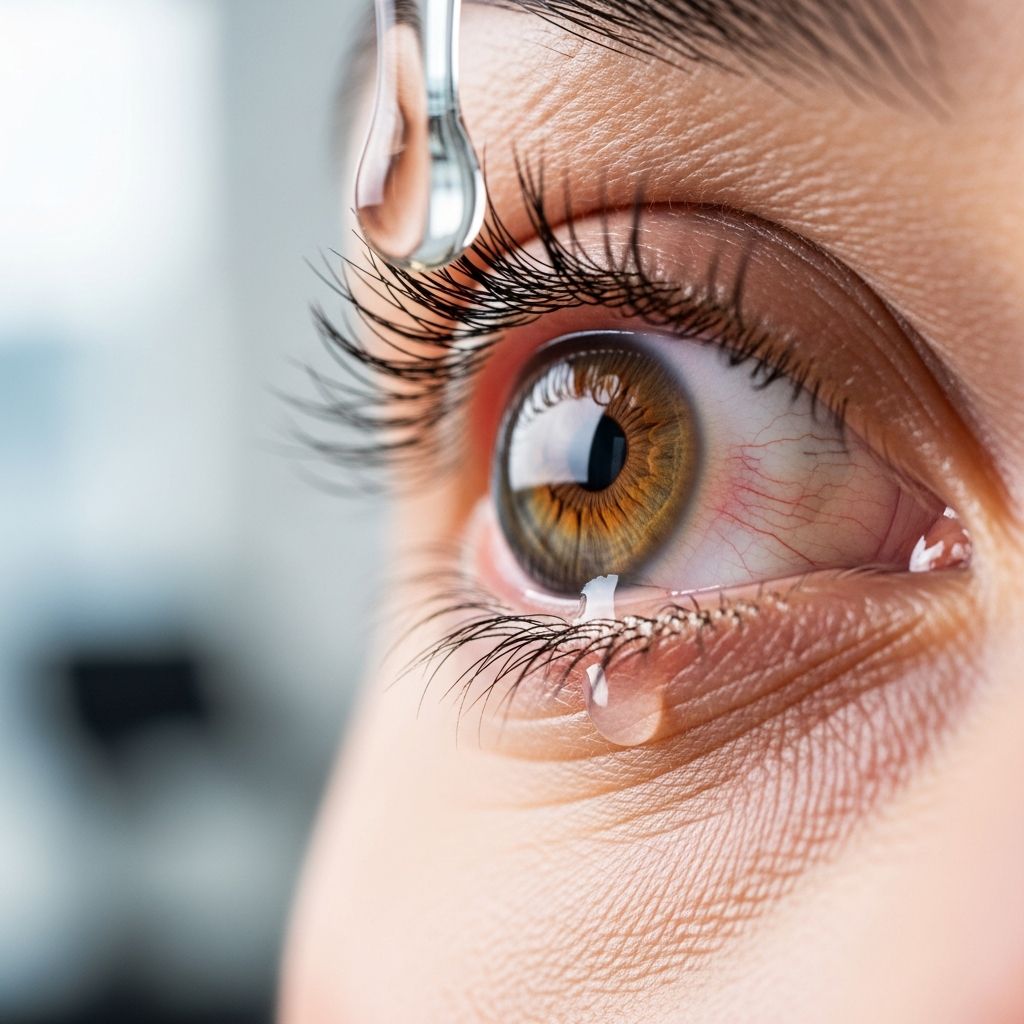
- Tilt your head back and use your index finger to gently pull down the lower eyelid, creating a small space between the eyelid and eye
- Gently press the base of the bottle to release one drop into the created space in your eye
- Only use a second drop if the first drop missed entering the eye
- Close your eye gently and press on the inner corner of your eye (where the corner meets the nose) for one to two minutes
- This gentle pressure helps prevent the drop from draining away and keeps the medication in contact with the infection
- Repeat the process in your other eye if your doctor has instructed you to use drops in both eyes
- Replace the cap immediately after use to keep the medication as germ-free as possible
Important safety note: Do not touch the applicator tip to any surface, including your eye, to prevent contamination and infection. Keep your eyes closed and avoid blinking during the one to two-minute period after instillation, as this allows the medicine to properly contact the infected area.
Dosage and Treatment Duration
The dosage of tobramycin depends on the severity of your eye infection and the form of medication prescribed:
Eye Drops
- Mild to moderate infections: One drop every four hours
- Severe infections: One drop every hour until improvement occurs
- Standard treatment: Use drops twice daily (morning and evening) for seven days unless otherwise directed by your doctor
Eye Ointment
- Mild to moderate infections: Apply every eight to twelve hours
- Severe infections: Apply every three to four hours until improvement occurs
- Frequency: Usually applied two to four times daily
If your infection is particularly severe, your doctor may instruct you to use the drops four times on the first day. Try not to miss any doses, but if you do forget to apply the drops on time, do so as soon as you remember. Continue using the drops for the full seven-day course even if your symptoms have disappeared, as premature discontinuation may result in incomplete treatment and recurring infection.
Follow the directions on your prescription label carefully, and do not use more or less medication or apply it more frequently than prescribed by your doctor. If your infection shows no improvement after seven days of treatment, make another appointment with your doctor for further evaluation and possible treatment adjustment.
Side Effects and Precautions
When you first apply tobramycin eye drops, they may cause temporary blurred vision. This blurring should quickly resolve, but it is important to ensure clear vision before driving or operating machinery or tools. Do not drive or use tools until your vision has completely cleared to prevent accidents or injuries.
Additional important precautions include:
- Do not wear contact lenses until your symptoms have completely disappeared
- Keep the medication bottle tightly closed when not in use
- Store the medication according to the package instructions
- Do not share your eye drops with others, even if they have similar symptoms
- If you experience severe vision problems or signs of allergic reaction, seek immediate medical attention
Completing Your Treatment Course
To help clear up your eye infection completely, keep using tobramycin for the full time of treatment, even if your symptoms have disappeared. Stopping the medication too early can lead to incomplete treatment and allow the infection to return or worsen. Do not miss any doses during your treatment course.
If your infection does not show improvement after the recommended treatment period, or if new symptoms develop, contact your healthcare provider promptly. They may need to examine your eye, confirm the diagnosis, or adjust your treatment plan with alternative medications if bacterial resistance is suspected.
Frequently Asked Questions
Q: Can tobramycin eye drops be used for viral eye infections?
A: No, tobramycin is an antibiotic specifically designed to treat bacterial eye infections and will not be effective against viral infections such as viral conjunctivitis. Your doctor will determine the cause of your infection and prescribe appropriate treatment.
Q: How long does it take for tobramycin to work?
A: While some improvement may be noticed within a few days, the full treatment course of seven days should be completed as prescribed. Symptoms typically begin to improve within the first few days of treatment, but completing the entire course ensures complete elimination of the infection.
Q: Can I use tobramycin with other eye medications?
A: Tobramycin may be used with other medications, but you should inform your doctor of all medications and eye preparations you are currently using. Your doctor will determine if combination therapy is appropriate for your specific situation.
Q: Is tobramycin safe for children?
A: Yes, tobramycin eye ointment is safe for children over 1 year old at the same dosage as adults. However, always follow your pediatrician’s specific instructions for your child’s treatment.
Q: What should I do if I miss a dose?
A: If you forget to apply the drops on time, do so as soon as you remember. However, if it is almost time for your next scheduled dose, skip the missed dose and resume your normal schedule. Do not apply double doses to make up for a missed application.
Q: Can I wear contact lenses while using tobramycin?
A: No, contact lenses should not be worn during treatment with tobramycin for eye infections. Wearing contact lenses during treatment may reduce the medication’s effectiveness and increase the risk of complications. Resume contact lens use only after your symptoms have completely resolved.
Q: Are there any serious side effects I should watch for?
A: While tobramycin is generally well-tolerated when applied topically to the eye, seek immediate medical attention if you experience severe vision problems, eye pain, or signs of allergic reaction such as itching, redness, or swelling.
References
- Tobramycin for eye infections — Patient.info. 2024. https://patient.info/medicine/tobramycin-for-eye-infections
- Tobramycin (ophthalmic route) – Side effects & dosage — Mayo Clinic. 2024. https://www.mayoclinic.org/drugs-supplements/tobramycin-ophthalmic-route/description/drg-20066406
- Tobramycin Ophthalmic: MedlinePlus Drug Information — National Library of Medicine. 2024. https://medlineplus.gov/druginfo/meds/a682660.html
- Tobramycin eye ointment 3 mg/g – Patient Leaflet — Seafarma. 2023. https://seafarma.nl/wp-content/uploads/2023/06/Patient-leaflet-Tobramycin-3mg-g-eye-ointment.pdf
- Tobramycin – StatPearls — National Center for Biotechnology Information (NCBI). 2023. https://www.ncbi.nlm.nih.gov/books/NBK551695/
- TOBREX® (tobramycin ophthalmic solution) 0.3% – FDA Label — U.S. Food and Drug Administration. 2012. https://www.accessdata.fda.gov/drugsatfda_docs/label/2012/050541s024lbl.pdf
Similar Articles








Read full bio of medha deb