Toenail Falling Off: Guide To Causes, Care, & Recovery
Causes, treatments, recovery timeline, and prevention tips for when your toenail detaches or falls off completely.
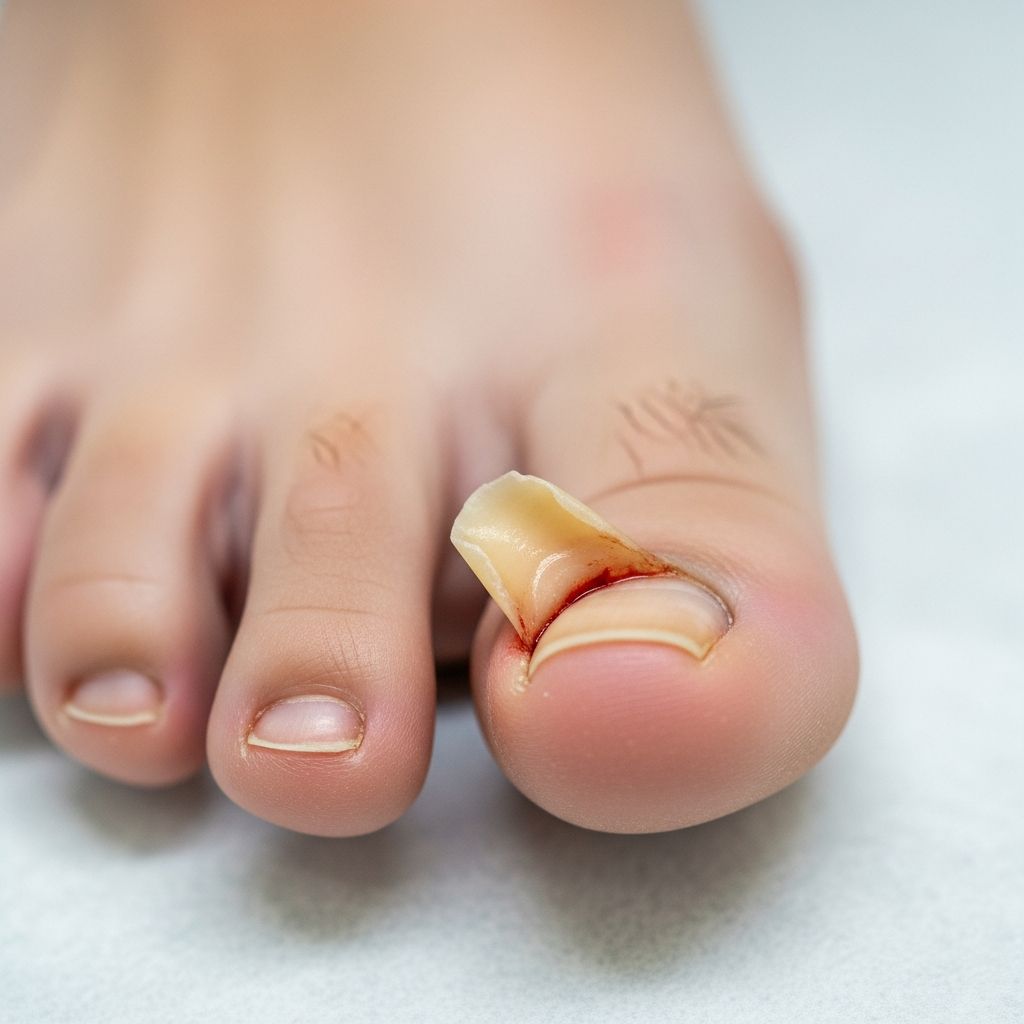
A toenail falling off, medically known as onycholysis when partially detached, can be alarming and painful. This condition occurs when the nail separates from the nail bed, often due to trauma, infection, or underlying health issues. While typically not life-threatening, proper care is essential to prevent infection and ensure healthy regrowth, which can take 12-18 months.
Understanding the triggers and responses helps manage discomfort and promotes healing. This guide covers everything from immediate first aid to long-term prevention, drawing from medical experts’ advice.
What Causes a Toenail to Fall Off?
Several factors can lead to toenail detachment. The most frequent include physical injury, fungal infections, and skin conditions like psoriasis. Rarer causes involve medications or systemic illnesses.
Injury or Trauma
Injury is the leading cause of toenail loss. Even minor impacts, such as stubbing your toe on furniture, dropping a heavy object, or repetitive stress from running, cycling, or tight shoes, can damage the nail bed.
When trauma occurs, blood pools under the nail, forming a subungual hematoma—a bruise that appears black or purple. This pressure buildup lifts the nail, causing it to loosen and eventually fall off after weeks. Athletes, dancers, and those in contact sports are particularly prone due to repeated micro-traumas.
Fungal Infections (Onychomycosis)
Fungal infections affect up to 10-20% of adults, making toenails thick, brittle, discolored (yellow or white), and prone to lifting from the bed. Moisture from sweaty shoes or athlete’s foot accelerates spread. Untreated, the nail crumbles or detaches entirely.
Psoriasis and Skin Conditions
Nail psoriasis impacts 50% of psoriasis patients, causing pitting, oil spots, and separation due to rapid skin cell turnover weakening nail attachment. Other conditions like eczema or lichen planus contribute similarly.
Other Causes
- Subungual exostosis: A benign bony growth under the nail tip pushes it upward, leading to detachment. Surgical removal is often needed.
- Chemicals or medications: Exposure to harsh cleaners or drugs like chemotherapy agents can trigger onycholysis.
- Systemic issues: Diabetes slows healing and raises infection risk; rare tumors or poor circulation play roles.
What Does It Look Like When a Toenail Is Falling Off?
Early signs include pain, discoloration (purple-black from hematoma or yellow from fungus), and looseness. The nail may lift at the edges, revealing sensitive pink nail bed underneath. Fully detached nails leave exposed skin that’s tender and prone to bleeding if bumped.
In fungal cases, nails thicken and crumble; psoriasis shows white pits or salmon patches. Distinguishing causes aids treatment—trauma heals faster than infections.
What to Do If Your Toenail Is Falling Off
Act promptly to minimize pain and infection risk. Never forcibly remove a partially attached nail, as this invites bacteria.
Related Stories



Immediate Home Care Steps
- Clean gently: Wash with mild soap and cool water. Pat dry.
- Trim loose parts: Use clean clippers to remove only dangling edges; leave attached portions.
- Apply ointment: Dab antibiotic cream (e.g., Neosporin) on the nail bed.
- Bandage: Cover with sterile gauze and medical tape. Change daily for 7-10 days or until skin toughens.
- Elevate and ice: Raise foot above heart level; soak in cool water 20 minutes, 2-3 times daily to reduce swelling.
- Pain relief: Take ibuprofen for inflammation and discomfort.
| Step | Why It Helps | Frequency |
|---|---|---|
| Cleaning & Ointment | Prevents infection | Daily |
| Bandaging | Protects exposed bed | Change 1-2x/day |
| Elevation/Ice | Reduces swelling/pain | 20 min, several times/day |
| Pain Meds | Manages discomfort | As needed |
Footwear Tips During Healing
Wear open-toed shoes or sandals to avoid pressure. Use moleskin padding if needed. Keep feet dry to deter fungus.
Treatment Options
Home care suffices for trauma, but underlying issues require professional intervention.
- For hematoma: Doctors may drill a hole to drain blood, relieving pressure.
- Fungus: Oral antifungals (e.g., terbinafine) or topicals for 3-6 months. Laser therapy emerging.
- Psoriasis: Topical steroids, biologics.
- Surgery: Nail avulsion for severe cases or exostosis removal.
How Long Does It Take for a Toenail to Grow Back?
Toenails grow slowly—about 1mm per month. Full regrowth takes 12-18 months, longer for big toe (up to 2 years if matrix damaged). New nail emerges from the base; protect until fully formed.
Factors affecting timeline:
- Age: Slower in elderly.
- Health: Diabetes delays healing.
- Cause: Infections prolong vs. simple trauma.
Complications and When to See a Doctor
Monitor for infection: increased redness, pus, fever, or worsening pain. Seek care if bleeding won’t stop, severe throbbing, diabetes present, or unknown cause.
Complications include paronychia (edge infection), cellulitis, or permanent deformity if matrix scarred. Podiatrists assess via exam; may culture for fungus or biopsy rare tumors.
How to Prevent Toenail Falling Off
- Trim nails straight across, short enough to avoid snags.
- Wear properly fitted, breathable shoes; alternate pairs.
- Keep feet dry; use antifungal powder if prone to athlete’s foot.
- Protect toes in sports with proper gear.
- Treat skin conditions promptly.
Frequently Asked Questions (FAQs)
Is it bad if your toenail falls off?
Not usually—it’s common and regrows if cared for. But treat underlying causes to avoid recurrence.
Will my toenail grow back if it falls off completely?
Yes, in 12-18 months, unless the nail matrix is destroyed.
Should I pull off a loose toenail?
No—let it detach naturally or see a doctor to prevent infection.
Can toenail fungus cause it to fall off?
Yes, advanced onychomycosis lifts and detaches nails.
How do you treat a subungual hematoma?
Home: Ice, elevate. Doctor: Drainage if large.
References
- Toenail falling off: What to do, causes, and removal — Medical News Today. 2023-05-15. https://www.medicalnewstoday.com/articles/321124
- Toenail Falling Off: What to Do, Causes, and Recovery Time — Healthline. 2023-08-22. https://www.healthline.com/health/toenail-falling-off
- Toenail Falling Off? Here’s What It Means and What to Do Next — University Foot and Ankle Institute. 2024-02-10. https://balancehealth.com/resources/toenail-falling-off-heres-what-it-means-and-what-to-do-next/university-foot-and-ankle-institute/
- Why Your Toenail May Fall Off and What to Do — Healthgrades. 2023-11-05. https://resources.healthgrades.com/right-care/skin-hair-and-nails/toenail-falling-off
- Toenail Trouble: When a nail falls off, here’s what to do — Beyond Podiatry. 2024-01-18. https://beyond-podiatry.com/toenail-trouble-when-a-nail-falls-off-heres-what-to-do/
Similar Articles








Read full bio of Sneha Tete