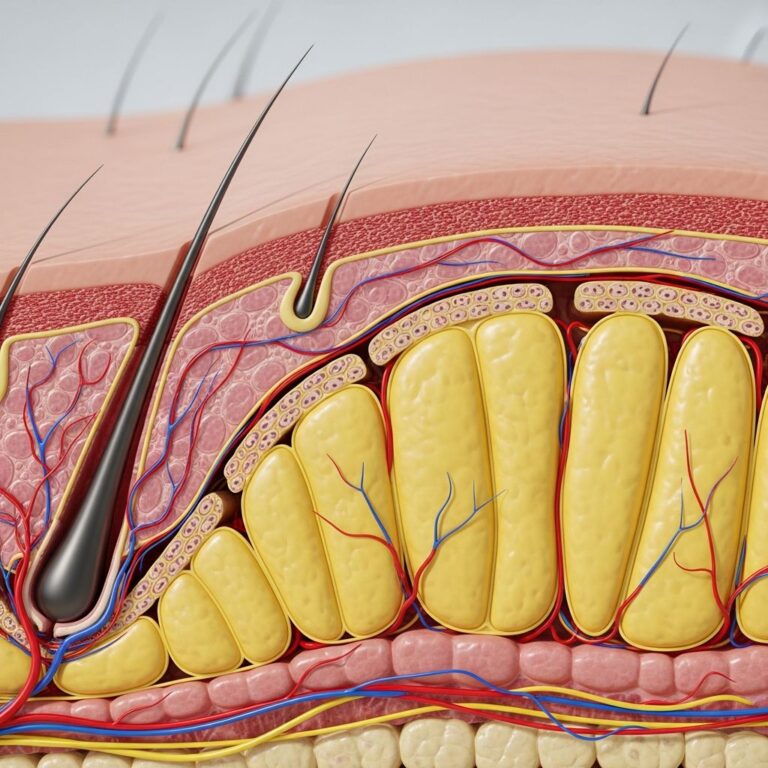
Toenail Fungus: Causes, Symptoms, and Treatment Options
Complete guide to understanding, treating, and preventing toenail fungus infections.
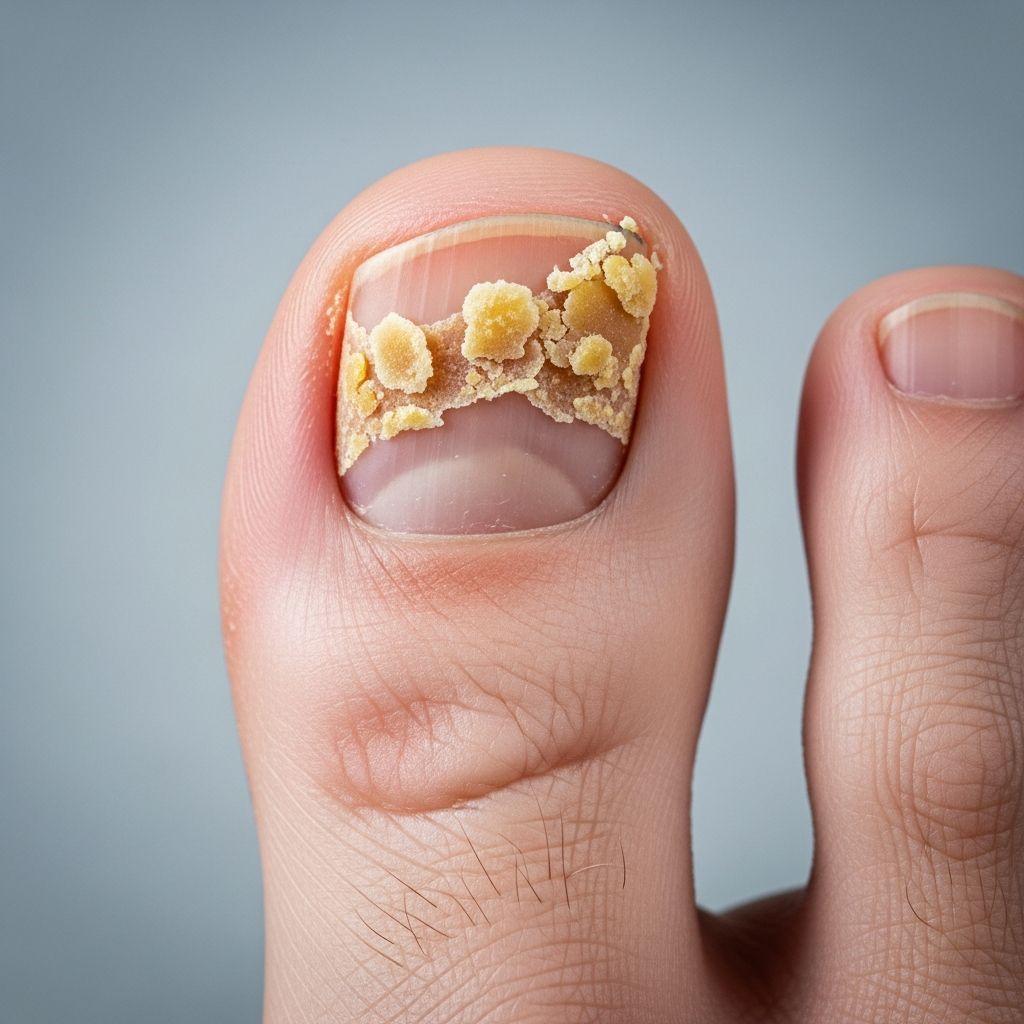
What is Toenail Fungus?
Toenail fungus, medically known as onychomycosis, is a common fungal infection that affects the toenails and causes them to become discolored, thickened, and brittle. While many people consider it primarily a cosmetic concern, untreated toenail fungus can lead to pain, discomfort, and more serious complications over time. This comprehensive guide will help you understand what toenail fungus is, identify its causes, recognize its symptoms, and explore the most effective treatment and prevention strategies.
Definition and Overview
Toenail fungus is an infection caused by fungi that invade the nail bed and nail plate, thriving in warm, moist environments. The infection typically starts as a white or yellow spot under the tip of the toenail and gradually spreads deeper into the nail structure. According to medical research, nail fungus affects more than 1 in 10 people in the United States, making it one of the most common nail conditions. The infection occurs when fungi, such as dermatophytes, non-dermatophyte molds, and yeasts invade the nail through microscopic cracks or cuts in the skin or nail.
How Toenail Fungus Develops
Understanding how toenail fungus develops is crucial for early detection and prevention. Fungal infections in the toenails begin when fungi invade the nail through tiny cracks or cuts in the skin or nail. Once inside, the fungus multiplies and feeds on the keratin that makes up the nail structure. The infection can gradually spread to other nails and, in severe cases, to the surrounding skin, potentially causing additional complications.
Primary Causes of Toenail Fungus
Several factors contribute to the development of toenail fungus:
- Fungal Infections: The most common cause is a fungal infection, typically caused by dermatophytes, which account for approximately 80% of toenail infections. Yeasts and molds can also cause onychomycosis, especially in people with compromised immune systems.
- Nail Injury: Trauma to the nail, such as stubbing your toe or dropping something on it, can create an entry point for fungi.
- Poorly Ventilated Footwear: Shoes that are tight or don’t allow adequate air circulation create a warm, moist environment that encourages fungal growth.
- Improperly Sanitized Pedicure Tools: Getting pedicures with tools that haven’t been properly sterilized increases infection risk.
- Chronic Health Conditions: Conditions like diabetes or HIV compromise the immune system, making fungal infections more likely.
- Nail Deformities: Existing nail diseases or deformed nails create favorable conditions for fungal colonization.
Risk Factors for Toenail Fungus
Several environmental and personal factors increase your susceptibility to developing toenail fungus:
- Wearing closed-toe shoes that retain moisture
- Sweaty feet, especially when confined inside shoes
- Damp or wet socks
- Walking barefoot in public areas such as pools, showers, and locker rooms
- Sharing towels, shoes, or nail clippers
- Living in warm, humid environments
- Poor foot hygiene practices
- Advanced age or weakened immune system
- Existing athlete’s foot (tinea pedis) or ringworm infection
Symptoms and Stages of Toenail Fungus
Recognizing the symptoms of toenail fungus at various stages helps you seek treatment early and prevent progression to more severe infections.
Related Stories



Early Stage Symptoms
The earliest stage of toenail fungus typically involves:
- Slight yellow, whitish, or brownish nail discoloration
- Subtle nail bed lifting
- Mild nail thickening
- White or yellow spots appearing under the nail tip
Advanced Stage Symptoms
When nail fungus is advanced, you may experience:
- Severe nail thickening, discoloration, and structural changes
- Nail crumbling and brittleness
- Nearly complete nail detachment from the nail bed
- Chronic pain or difficulty walking
- Nail becoming whitish-yellow or brownish in color
Chronic Stage Symptoms
A chronic nail fungus health concern may cause:
- Complete nail detachment and damage
- Severe pain
- Lower likelihood of nail regrowth
- Higher chance of infection spreading to surrounding nails
Timeline of Toenail Fungus Progression
Treating the fungus as soon as possible prevents it from destroying your nail. Understanding the timeline helps you recognize the urgency of treatment:
- Early Stage: 4 to 6 weeks
- Moderate Stage: 2 to 3 months
- Advanced Stage: Occurs after the infection persists for at least 6 months
- Chronic Stage: May start after 1 year
Treatment Options for Toenail Fungus
Several effective treatment approaches are available, ranging from topical creams to oral medications. The choice depends on the severity of the infection and individual health factors.
Topical Treatments
Topical treatments are often the first line of defense against toenail fungus:
- Over-the-Counter Antifungal Creams and Ointments: These are available without a prescription and can be effective for mild cases.
- Jublia (Efinaconazole): This is a clear solution applied to the nails once daily and has been proven to be the most effective topical treatment. Clear nail was achieved in 19.7% of patients at week 52, meaning clinical signs of the fungus had been treated, with treatment success leaving less than 10% of the affected toenail seen in 42.6% of patients.
- Ciclopirox (Penlac): A prescription topical treatment for more persistent infections.
- Medicinal Nail Polishes and Varnishes: These can be used as part of a comprehensive treatment plan.
Proper Application: It’s crucial to follow the instructions carefully for applying topical treatments to ensure they penetrate the nail and reach the fungus beneath.
Oral Medications
Tablets are often needed to get rid of a fungal nail infection, particularly for more advanced cases. Common oral medications include:
- Itraconazole: A systemic antifungal medication commonly prescribed for nail fungus.
- Terbinafine: Another effective oral antifungal medication for treating toenail infections.
Treatment Duration: Tablets for treating toenail infections often must be taken for at least three months, though fingernail infections may only require six weeks of treatment. Important Note: Treatment can take up to one year for complete resolution, and tablets may have side effects such as stomach or bowel problems.
Prevention Strategies
Preventing toenail fungus is significantly easier than treating an established infection. Implement these preventive measures into your daily routine.
Daily Hygiene Practices
Good hygiene is key to preventing toenail fungus:
- Daily Washing and Drying: Wash your feet daily with soap and water, and dry them thoroughly, especially between the toes.
- Regular Nail Care: Keep your nails trimmed and clean to reduce the risk of fungal infections.
- Proper Foot Hygiene: Maintain limited foot hygiene and avoid leaving feet wet after bathing.
Environmental Protection
Protect your feet from fungal exposure in communal environments:
- Avoid Walking Barefoot: Always wear flip-flops or sandals in communal showers, locker rooms, and swimming pools to protect your feet from fungi.
- Proper Footwear: Choose the right footwear that allows air circulation and doesn’t trap moisture.
- Change Damp Socks: Avoid wearing damp socks and change them immediately if your feet become wet.
Health Management
Being mindful of potential risk factors can reduce your chances of developing toenail fungus:
- Manage Athlete’s Foot: Treating and preventing athlete’s foot is important, as it can lead to toenail fungus.
- Boost Immune Health: A strong immune system can help your body fight off fungal infections. Focus on a balanced diet, regular exercise, and adequate sleep.
- Avoid Nail Injuries: Be careful with pedicures and avoid trauma to the nails, which can create an entry point for fungi.
- Regular Monitoring: Look for any changes in nail color, thickness, or shape that could indicate a fungal infection.
Monitoring and Early Detection
Regular monitoring of your feet is essential for catching toenail fungus early:
- Check Feet Regularly: Look for any changes in nail color, thickness, or shape that could indicate a fungal infection.
- Professional Foot Care: Regular visits to a podiatrist are especially important for people at higher risk, such as diabetics or those with poor circulation.
Managing Recurrence
Toenail fungus can be persistent and may recur even after successful treatment. Understanding why recurrence happens and how to prevent it is crucial for long-term nail health.
Why Toenail Fungus Recurs
Several factors can lead to recurrence:
- Reinfection from the Environment: Fungi can linger in shoes, socks, or communal areas, leading to reinfection.
- Incomplete Treatment: Stopping treatment too early can allow the fungus to return.
- Underlying Health Conditions: Conditions like diabetes or poor circulation can make it harder to completely eliminate toenail fungus.
Preventing Recurrence
Preventing recurrence requires ongoing care:
- Continue Preventive Care: Maintain good foot hygiene and nail care even after the fungus has cleared.
- Regular Follow-Ups: Monitor your nails after treatment to catch any signs of recurrence early.
- Treat Your Footwear: Use antifungal sprays and powders on shoes and socks to reduce the risk of reinfection.
- Long-Term Management: Implement sustainable practices that support ongoing nail health and prevent future infections.
What Worsens Toenail Fungus
Fungus thrives in moist environments. Several factors may cause or worsen toenail fungus:
- Tight-fitting shoes
- Sweaty feet, mainly when confined inside shoes
- Damp socks
- Shared towels, shoes, or nail clippers
- Warm, humid environments
- Limited foot hygiene
- Bare feet in public pools and showers
- Feet remaining wet after bathing
- Nail polish used on the infection
Frequently Asked Questions
Q: How long does it take to treat toenail fungus?
A: Treatment duration varies depending on the severity and type of infection. Topical treatments may take several months to show results, while oral medications typically require at least three months of treatment for toenails and six weeks for fingernails. Complete resolution may take up to one year.
Q: Can toenail fungus be cured completely?
A: Yes, toenail fungus can be cured with proper treatment, though it requires patience and consistent adherence to the treatment plan. Early detection and treatment significantly improve the chances of complete cure and nail regrowth.
Q: Is toenail fungus contagious?
A: Yes, toenail fungus can be contagious. It can spread to other nails and to other people through shared personal items like nail clippers, towels, or shoes. Avoid sharing these items and practice good foot hygiene to prevent transmission.
Q: What is the most effective treatment for toenail fungus?
A: Efinaconazole (Jublia) is considered the most effective topical treatment, achieving clear nails in 19.7% of patients and treatment success in 42.6% of patients. For more severe infections, oral medications like terbinafine or itraconazole may be more effective, though they require longer treatment duration.
Q: Can I prevent toenail fungus?
A: Yes, you can significantly reduce your risk by maintaining proper foot hygiene, keeping nails trimmed and clean, wearing breathable footwear, avoiding walking barefoot in communal areas, and managing underlying health conditions. Regular monitoring for early signs is also important.
Q: Should I see a doctor for toenail fungus?
A: Yes, it’s advisable to consult a healthcare professional or podiatrist, especially if the infection is severe, spreading to multiple nails, or causing pain. Professional guidance ensures proper diagnosis and the most appropriate treatment plan for your specific situation.
References
- Understanding and Managing Toenail Fungus — Heart and Health. January 2026. https://heartandhealth.com/understanding-and-managing-toenail-fungus/
- The Stages of Nail Fungus: Symptoms, Risk Factors, and More — Healthline. January 2026. https://www.healthline.com/health/fungal-infection/stages-of-nail-fungus
- The Facts About Nail Fungus — Balance Health. January 2026. https://balancehealth.com/resources/the-facts-about-nail-fungus/bay-area-foot-care/
- Overview: Nail Fungus — InformedHealth.org, NCBI Bookshelf. January 2026. https://www.ncbi.nlm.nih.gov/books/NBK279547/
Similar Articles








Read full bio of medha deb