Toenail Fungus: Causes, Symptoms, and Treatment Options
Complete guide to understanding, diagnosing, and treating toenail fungus infections effectively.
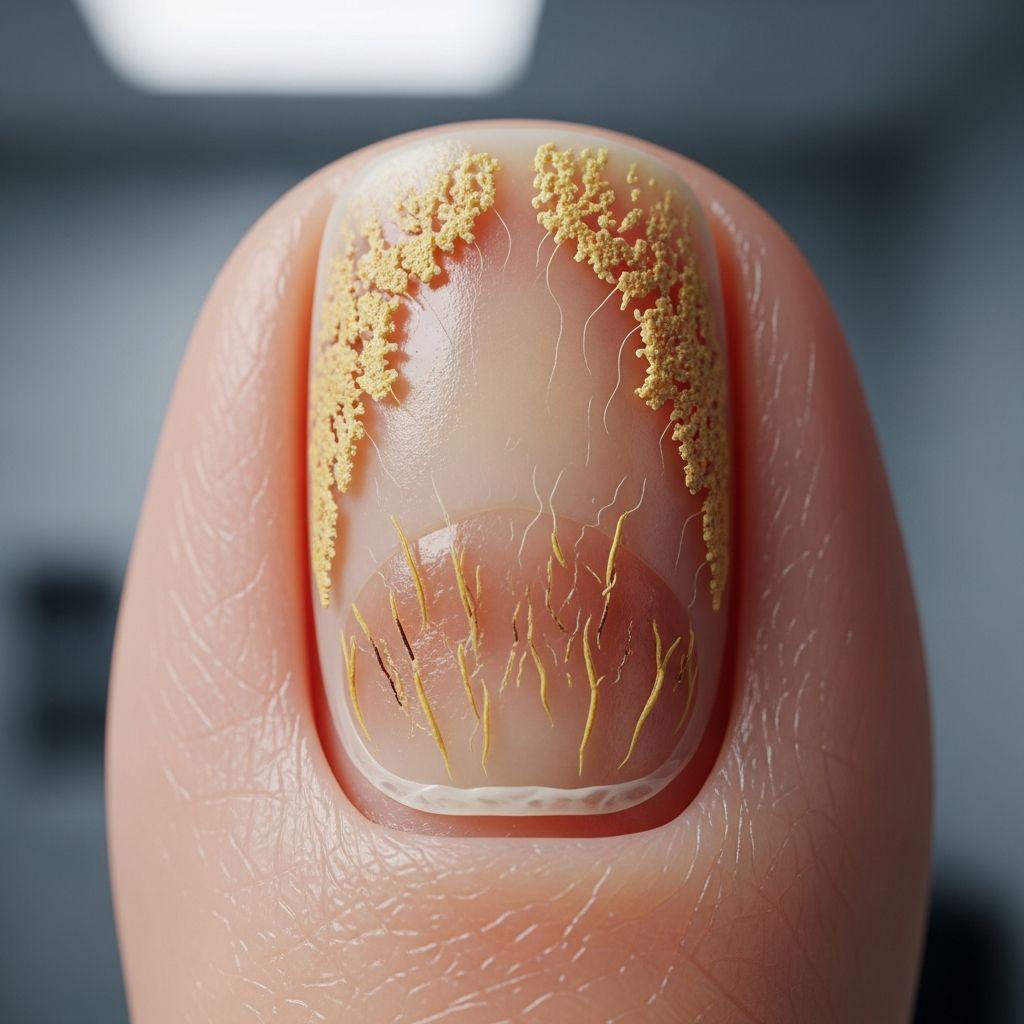
Understanding Toenail Fungus
Toenail fungus, medically known as onychomycosis or tinea unguium, is one of the most common nail infections affecting millions of people worldwide. This contagious infection causes your nails to become thick, discolored, and brittle, often appearing yellow with white spots and streaks. While toenail fungus typically targets your toenails, it can also affect your fingernails, though this is less common. The condition is caused by a type of mold called a dermatophyte, which is responsible for approximately 90% of all toenail fungal infections.
The primary reason dermatophytes thrive on nails is their ability to feed on keratin, the main structural protein that makes your nails hard and resilient. This fungus spreads easily from person to person and can persist for extended periods if left untreated. While toenail fungus may not cause physical pain, many people find it cosmetically bothersome and seek professional treatment to restore the appearance of their nails.
What Causes Toenail Fungus?
Toenail fungus develops when dermatophytes or other fungal organisms gain access to the nail bed and begin to multiply. These fungi thrive in warm, moist environments, which is why toenail infections are more prevalent than fingernail infections. Several risk factors increase your susceptibility to developing toenail fungus, including age, a weakened immune system, diabetes, nail trauma, or regularly walking barefoot in communal areas such as pools, locker rooms, and public showers.
The infection typically starts at the edge of the nail and gradually spreads toward the nail bed. Once established, the fungus becomes increasingly difficult to treat, as it becomes embedded deeper within the nail structure. People who frequently visit nail salons or share personal grooming tools also face heightened risk of contracting toenail fungus.
Recognizing Symptoms of Toenail Fungus
Identifying toenail fungus early can lead to more successful treatment outcomes. The most common symptoms include:
– Nails becoming abnormally thick and brittle- Discoloration ranging from yellow to brown or white- White spots, streaks, or patches appearing on the nail surface- Nail separation from the nail bed- Debris accumulating underneath the nail- Potential crumbling or flaking of the nail- In some cases, mild discomfort or pain in the affected toe
As the infection progresses, the nail may become increasingly fragile and prone to breaking. If you notice any of these symptoms, it is important to seek professional evaluation to confirm the diagnosis and begin appropriate treatment.
Diagnosis of Toenail Fungus
While healthcare providers can sometimes identify toenail fungus through visual examination alone, confirming the diagnosis typically requires laboratory testing. Your healthcare provider will begin by carefully examining the affected toenail and assessing your symptoms. However, to confirm a fungal infection and identify the specific type of fungus responsible, additional diagnostic measures are usually necessary.
The most common diagnostic method involves taking a small sample from underneath or around the affected nail. This sample is then examined under a microscope to identify fungal elements. If the initial test is negative but fungal infection is still suspected, your healthcare provider may send a nail scraping to a laboratory where it can be cultured. This culturing process allows the fungus to grow, making identification easier and helping determine which antifungal medications will be most effective against the specific organism.
Related Stories



Treatment Options for Toenail Fungus
Toenail fungus treatment is notoriously challenging and often requires several months of consistent therapy. The most effective approach depends on the severity of your infection, your overall health status, and your personal preferences. Your healthcare provider will customize a treatment plan specifically suited to your situation. Here are the primary treatment options available:
Oral Antifungal Medications
Oral antifungal medications are often considered the most effective treatment option and are frequently the first-line choice for moderate to severe toenail fungus infections. These prescription medications help a new nail grow free of infection, slowly replacing the infected portion. Common oral antifungals include terbinafine (Lamisil®), itraconazole (Sporanox®), and fluconazole (Diflucan®). Patients typically take these medications daily for six to twelve weeks, though some cases may require longer treatment periods. However, the benefits are not immediately visible, as you must wait for the new, uninfected nail to grow completely, which can take four months or longer. The success rates for oral antifungals are generally high, though they may be lower in adults over age 65. Your healthcare provider may monitor your treatment with blood tests to check for potential side effects, as these medications can affect liver function and may interact with other drugs you are taking.
Topical Antifungal Medications
Topical antifungal medications come in various forms, including creams, gels, solutions, and medicated nail polishes. These medications are applied directly to the affected nail and work over time to treat the fungal infection. Common topical options include ciclopirox (Penlac), efinaconazole (Jublia), and tavaborole (Kerydin). Topical medications are most effective for surface-level fungal infections and work best when the nails are first thinned or trimmed by a healthcare provider. These treatments typically require daily application for an extended period, often up to a year, before visible improvement occurs. Topical medications are most effective when combined with oral antifungals, providing a comprehensive approach to treatment. To maximize effectiveness, you should soak your nails in warm water before application to help the medication penetrate the nail surface.
Laser and Light Therapy
Laser treatment represents a newer option for toenail fungus management. During this procedure, your healthcare provider directs a high-tech laser beam and specialized lights at the affected toenail to treat the fungus. The laser heats the nail layers where the fungus resides and attempts to destroy its genetic material. Each treatment session typically takes about 30 minutes. While the FDA has approved laser treatment for the “temporary increase of clear nail” in nail fungus cases, it is not considered a cure. Most patients require at least two treatment sessions spaced five to six weeks apart, with visible results appearing approximately two months after the initial treatment. Cure rates for laser treatment are notably lower than those achieved with oral and topical medications, so lasers are typically not used as first-line treatments. Additionally, laser treatment is usually not covered by insurance, making it a more costly option.
Nail Removal
In cases of severe or longstanding infections that have resisted other treatments, your healthcare provider may recommend nail removal. This can be accomplished either surgically or nonsurgically. For nonsurgical removal, your doctor applies urea ointment to the infected nail surface and wraps it in plastic and tape. The ointment softens the nail bed, and after approximately ten days, the infected nail can be removed or the diseased portion trimmed away. For surgical removal, your doctor administers local anesthesia, then uses a special tool to loosen the skin around the nail before carefully removing the nail from the toe. This surgical approach is rarely performed. After nail removal, your doctor will typically prescribe a cream or other treatment to apply to the nail bed during the regrowth period to prevent fungal reinfection. A new nail usually grows back, though it may take a year or longer for complete regrowth.
Prevention and Protection Strategies
Preventing toenail fungus is significantly easier than treating an established infection. Implementing these preventive measures can substantially reduce your risk of developing toenail fungus:
– Keep your feet clean and dry at all times- Wear shower shoes or flip-flops on wet pool decks, in public bathrooms, and in locker rooms- If a family member has toenail fungus, use shower shoes in shared showers or use a separate shower when possible- Change your shoes and socks daily, choosing styles that breathe and fit comfortably- Wear sanitized acrylic socks rather than cotton, as they better manage moisture and sweat- Ensure that nail salons properly sanitize all tools before use- Clean nail clippers regularly at home- Soak your nails in warm water before cutting them, or trim them immediately after showering when they are softer- Trim toenails short and straight across, avoiding rounded edges- Keep toenails shorter than the edge of your toes to prevent fungal entry points- Avoid intentionally ripping or tearing your nails, as fungus can easily enter through damaged nail tissue- Consult your doctor promptly if you suspect toenail fungus has returned
When to Seek Professional Help
You should contact your healthcare provider if you experience any of the following:
– Visible signs of toenail fungus such as discoloration, thickening, or white spots- Nails that are crumbling, flaking, or separating from the nail bed- Pain or discomfort in the affected nail area- Concerns about the appearance or health of your nails- Suspected recurrence of a previous toenail fungus infection
Frequently Asked Questions About Toenail Fungus
Q: How long does it take to cure toenail fungus?
A: Treatment duration varies depending on the severity of infection and chosen treatment method. Oral medications typically require six to twelve weeks of daily use, but complete cure may take four months or longer as the new, uninfected nail grows. Topical treatments may take up to a year of daily application.
Q: Can toenail fungus spread to other parts of my body?
A: Yes, toenail fungus can potentially spread to other toenails, fingernails, and skin if left untreated. This is why early detection and treatment are important.
Q: Are over-the-counter treatments effective for toenail fungus?
A: Over-the-counter products are best suited for mild toenail fungus cases and may take months to show results. For moderate to severe infections, prescription medications are usually necessary for effective treatment.
Q: Is toenail fungus contagious?
A: Yes, toenail fungus is contagious and can spread to other people through direct contact or shared items like nail clippers, shower floors, and towels.
Q: What questions should I ask my healthcare provider about toenail fungus?
A: Consider asking: What type of fungus do I have? What treatment option is best for my situation? How long will treatment take? What side effects should I expect? How can I prevent recurrence? What is the success rate of my recommended treatment?
Conclusion
Toenail fungus is an incredibly common infection that, while not typically painful, can be cosmetically concerning and emotionally bothersome. The condition is notoriously difficult to treat and often recurs, making prevention and early intervention crucial. Fortunately, several effective treatment options are available, ranging from oral antifungal medications and topical treatments to laser therapy and surgical nail removal. The most effective approach depends on your specific situation, symptoms, and overall health. A dermatologist or podiatrist can provide expert guidance on the treatment option most likely to address your concerns while protecting your overall health. If you suspect you have toenail fungus or notice any signs of infection, consult a healthcare professional promptly to begin appropriate treatment and prevent the infection from spreading.
References
- Toenail Fungus (Onychomycosis/Tinea Unguium) — Cleveland Clinic. 2024. https://my.clevelandclinic.org/health/diseases/11303-toenail-fungus
- Nail Fungus – Diagnosis and Treatment — Mayo Clinic. 2024. https://www.mayoclinic.org/diseases-conditions/nail-fungus/diagnosis-treatment/drc-20353300
- How to Stop Toenail Fungal Infections — WebMD. 2024. https://www.webmd.com/skin-problems-and-treatments/treat-toenail-fungus
- Onychomycosis: Pathogenesis, Diagnosis, and Management — National Center for Biotechnology Information. https://pmc.ncbi.nlm.nih.gov/articles/PMC88888/
- Fungal Nail Infection: Assessing the New Treatment Options — Cleveland Clinic Journal of Medicine, Vol. 70, No. 2. https://www.ccjm.org/content/ccjom/70/2/110.full.pdf
Similar Articles








Read full bio of Sneha Tete