Tofu: Making a Place for Plant-Based Nutrition
Discover how tofu can transform your diet with complete nutrition and heart-healthy benefits.
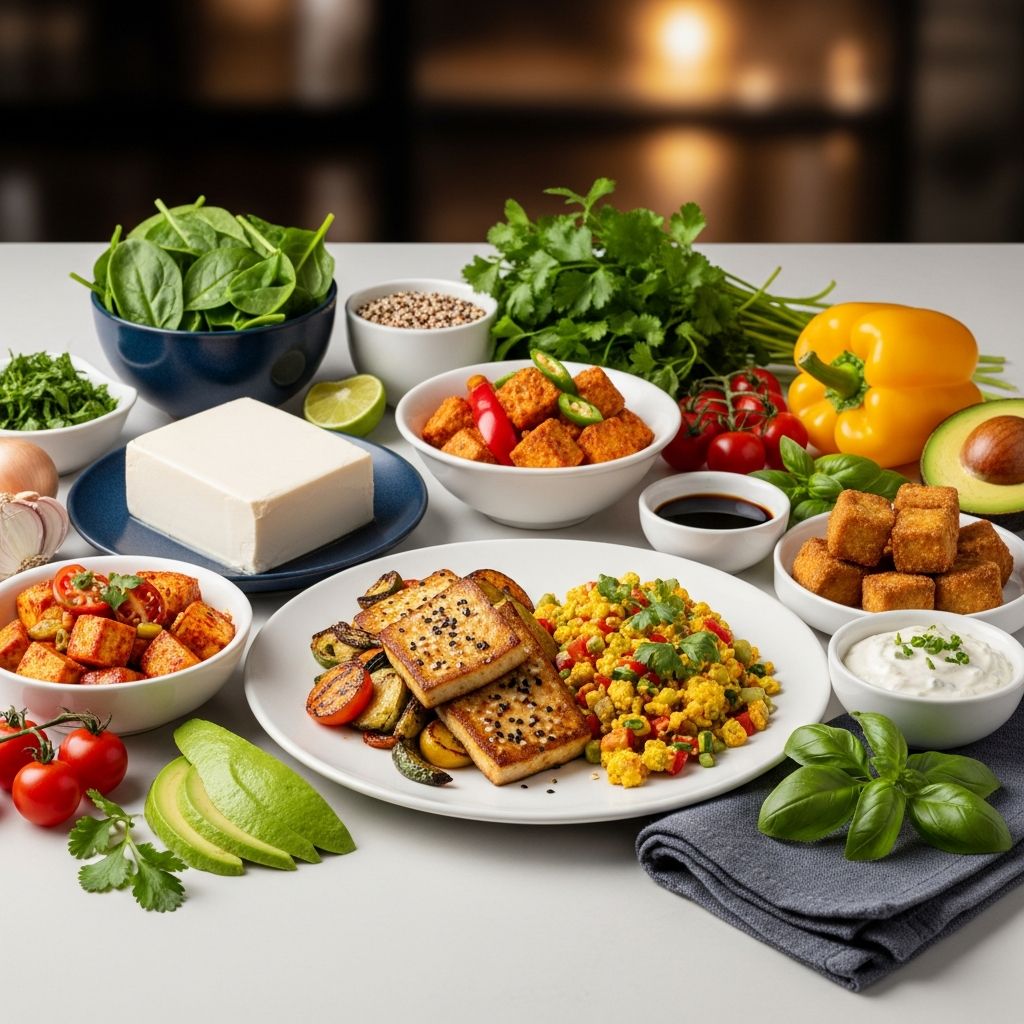
Tofu: Making a Place for This Nutritious Plant-Based Food in Your Diet
Tofu has become increasingly popular as a protein-rich plant-based alternative to meat, yet many people remain uncertain about whether it truly belongs in a healthy diet. The good news is that nutrition experts across leading health institutions agree: tofu is an excellent nutritional choice for most people. Whether you’re vegetarian, vegan, or simply looking to reduce your meat consumption, tofu offers a compelling combination of complete protein, essential minerals, and heart-protective compounds that make it worthy of a regular place on your dinner table.
The transformation of soybeans into tofu dates back approximately 2,000 years, originating in China around 200 B.C. What began as a preservation and nutrition technique has evolved into a global staple that now appears in supermarkets worldwide. Today, tofu represents one of the most versatile and nutrient-dense foods available to health-conscious eaters. Understanding its nutritional profile and health benefits can help you confidently incorporate this plant-based powerhouse into your daily meals.
What Is Tofu and How Is It Made?
Tofu, sometimes called bean curd, is a relatively simple food created from just three basic ingredients: soybeans, water, and a coagulant such as calcium sulfate. The coagulant works similarly to how rennet works in cheese production, causing the soy protein to separate from the liquid whey. This mixture is then pressed into blocks of varying firmness levels, with the texture determined by how much water is removed during processing.
In U.S. supermarkets, you’ll typically encounter tofu sorted by firmness categories that directly reflect water content. Understanding these varieties helps you select the right type for your intended recipe. Silken tofu, the softest variety, remains unpressed and maintains a custard-like consistency, making it ideal for blending into smoothies, desserts, and creamy sauces. Firm and extra-firm varieties increasingly resemble soft cheese in texture and hold their shape during cooking, making them perfect for stir-fries, grilling, and baking. Across Asia, where tofu originated, the ingredient takes on many additional forms including fermented varieties, smoked versions, sheets, and sticks, though all these variations fall under the tofu umbrella.
Complete Nutritional Profile
One of tofu’s most significant advantages is that it provides a complete protein source, containing all nine essential amino acids that your body cannot manufacture on its own. This complete amino acid profile distinguishes tofu from many other plant-based proteins, making it particularly valuable for vegetarians and vegans who need to ensure they’re obtaining all necessary protein building blocks.
Macronutrient Composition
According to the U.S. Department of Agriculture, a half-cup serving of firm tofu delivers 21.8 grams of protein with only 181 calories and 11 grams of fat. Importantly, most of that fat consists of the healthy polyunsaturated variety, which supports cardiovascular health rather than compromising it. This makes tofu significantly more efficient than many animal proteins in terms of protein delivery relative to calorie content. For comparison, a 3-ounce serving of typical firm tofu contains varying amounts of these macronutrients depending on the specific brand and processing method.
Related Stories



Micronutrient Richness
Beyond its impressive protein content, tofu naturally contains and is enriched with crucial minerals and vitamins essential for optimal health. Tofu is an excellent source of:
– Calcium: Most tofu brands add calcium sulfate during the thickening process, making tofu a significant calcium source for those avoiding dairy products- Iron: Particularly important for vegetarians and vegans who may struggle to obtain sufficient iron from plant sources- Manganese: Supports bone health and metabolic function- Vitamin B5 (Pantothenic acid): Crucial for energy production and hormone synthesis- Vitamin A: Important for vision and immune function
The calcium content in tofu varies considerably by brand due to differences in the coagulant used and processing methods, so checking nutrition labels is wise if you’re relying on tofu as a major calcium source.
Heart Health and Cardiovascular Benefits
Among tofu’s most compelling health benefits is its protective effect on cardiovascular health. Research from Harvard T.H. Chan School of Public Health has provided particularly strong evidence supporting tofu consumption for heart disease prevention. In a landmark 2020 study published in Circulation examining data from over 210,000 U.S. health care professionals, researchers discovered that those consuming at least one serving of tofu weekly had an 18% lower risk of heart disease compared to colleagues who rarely ate tofu.
This cardiovascular benefit likely stems from multiple mechanisms working in concert. Tofu is high in heart-healthy polyunsaturated fats, vitamins, and minerals while remaining low in saturated fat—the type linked with heart disease risk. Additionally, people who regularly consume tofu may naturally reduce their red meat intake, which itself is associated with elevated cardiovascular risk. A large long-term study of more than 43,000 health professionals found that replacing red meat with plant proteins including soy foods, beans, and nuts was associated with a 14% lower risk of heart disease.
While earlier research suggested that soy protein might directly lower harmful LDL cholesterol levels, more recent investigation indicates this effect is modest. Studies suggest that consuming approximately 50 grams of soy protein daily—equivalent to about 1.5 pounds of tofu—might lower LDL cholesterol by roughly 3%. However, tofu likely benefits the heart through multiple pathways beyond simple cholesterol reduction, particularly through its polyunsaturated fat content and nutrient density.
Bone Health and Beyond
Tofu’s combination of calcium, magnesium, and protein makes it an excellent choice for building and maintaining strong bones. The mineral density alone supports skeletal health, while the protein component provides amino acids necessary for bone matrix formation and repair. This makes tofu particularly valuable for older adults concerned with osteoporosis prevention and for anyone seeking to optimize long-term bone strength.
Research has also explored tofu’s potential protective effects against various cancers. Men living in countries with diets high in soy foods, including tofu, demonstrate lower rates of prostate cancer compared to Western populations with minimal soy consumption. Studies across multiple countries confirm that men consuming substantial quantities of soy foods face reduced prostate cancer risk, possibly due to isoflavones—plant compounds in soy that function as weak forms of estrogen.
Similarly, historical concerns about soy increasing breast cancer risk have been thoroughly debunked by modern research. Much of the early concern originated from rodent studies, as animals process soy fundamentally differently than humans. Research in human subjects consistently demonstrates that tofu contains insufficient plant estrogens to promote breast cancer development. Some evidence even suggests that soy foods like tofu might help prevent breast cancer.
Weight Management and Satiety
For individuals pursuing weight loss goals, tofu presents a strategically advantageous food choice. Like other high-protein foods, tofu requires more energy and time for your body to digest and process compared to carbohydrates or fats. This extended digestive process leaves you feeling satisfied longer, reducing overall calorie intake throughout the day. With just 100 calories in a three-quarter cup serving of firm tofu, the calorie density is remarkably low relative to the protein content delivered.
This combination of high protein and low calories makes tofu substantially more efficient than many alternative protein sources when weight management is a priority.
Addressing Common Concerns
Despite tofu’s impressive nutritional credentials, various myths and misconceptions persist in popular culture. The most prevalent concern involves claims that soy products cause infertility or other reproductive problems in men. These concerns stem from the fact that isoflavones in soy function as weak forms of estrogen. However, there is no scientific basis for these worries.
Qi Sun, an associate professor in the Departments of Nutrition and Epidemiology at Harvard T.H. Chan School of Public Health, emphasizes that tofu is “a very nutritious food” and that “for the vast majority of people, it should be reasonable to incorporate tofu in their daily diet without any issues.” Sun’s own family eats tofu approximately three times weekly, and he stresses that as long as tofu is prepared without excessive sugar, salt, or saturated fat, it can be considered “a very healthy food, almost universally.”
Comparing Tofu to Other Protein Sources
When evaluating whether to incorporate tofu into your diet, it’s helpful to understand how it compares nutritionally to other common protein sources.
| Protein Source | Protein per Serving | Calories per Serving | Fat Type | Calcium Content | Key Advantages |
|---|---|---|---|---|---|
| Tofu (3 oz firm) | ~22g | ~181 | Mostly polyunsaturated | High | Complete amino acids, calcium-rich, low saturated fat |
| Chicken Breast (3 oz) | ~26g | ~128 | Mixed (varies with skin) | Low | Higher protein, versatile, lean when skinless |
| Eggs (1 large) | ~6g | ~78 | Mixed | Moderate | Complete protein, choline for brain health, eye nutrients |
Tofu and eggs provide similar amounts of protein, but eggs contain more fat and calories per serving and include cholesterol, which can be problematic for individuals with elevated blood cholesterol. Tofu provides substantially more calcium, while eggs offer additional nutrients like choline (beneficial for brain health) and lutein and zeaxanthin (beneficial for eye health). Both can certainly be part of healthy diets.
Compared to chicken, the choice depends on your nutritional priorities. Ounce for ounce, chicken provides more protein. However, if you’re seeking calcium and fiber along with your protein, tofu is superior. Chicken skin contains high saturated fat, but deep-fried tofu similarly increases fat content, so preparation method matters significantly for both.
Incorporating Tofu into Your Daily Diet
Tofu’s remarkable versatility makes it easy to incorporate into various cuisines and dishes. While tofu has minimal flavor on its own, this characteristic is actually an advantage—it functions like a sponge, readily absorbing whatever flavors surround it. This means tofu adapts beautifully to any cuisine, from Asian stir-fries and marinades to Italian pasta dishes and even desserts.
Silken tofu blends seamlessly into smoothies, creating creamy texture without dairy products. It purées into desserts, soups, and sauces. Firm tofu cubes beautifully in stir-fries, can be pressed and crumbled for taco filling, sliced and grilled for kebabs, or baked with various seasonings.
Key Takeaways
Tofu represents a genuinely nutritious food that deserves a regular place in most people’s diets. Its combination of complete protein, essential amino acids, minerals, and heart-healthy fats makes it an exceptional choice for vegetarians, vegans, and anyone looking to eat less meat. The scientific evidence supporting tofu’s cardiovascular benefits is particularly compelling, with research demonstrating measurable reductions in heart disease risk among regular consumers.
Rather than viewing tofu as a niche health food, consider it a practical staple protein source offering nutritional benefits that many animal proteins cannot match. The key to maximizing tofu’s health benefits is preparing it in ways that minimize added sugar, salt, and saturated fat.
Frequently Asked Questions
Q: Is tofu really healthy despite being made from soy?
A: Yes, tofu is healthy for most people. While concerns about soy and estrogen persist in popular culture, scientific research consistently shows these concerns lack merit. Tofu contains insufficient plant estrogens to cause hormonal problems, and it may even help prevent certain cancers.
Q: Does tofu provide complete protein?
A: Yes, tofu is one of the few plant-based proteins containing all nine essential amino acids your body cannot produce independently. This makes it an excellent protein source for vegetarians and vegans.
Q: How much tofu should I eat to see health benefits?
A: Studies show that consuming tofu at least once weekly is associated with measurable health benefits, including an 18% lower risk of heart disease. You don’t need large quantities to experience positive effects.
Q: Is tofu better for weight loss than other proteins?
A: Tofu is excellent for weight loss because it combines high protein content with very low calories. The high protein increases satiety and requires more digestive energy, helping you feel fuller longer on fewer calories.
Q: What’s the difference between silken and firm tofu?
A: The difference is water content and resulting texture. Silken tofu remains unpressed and has a custard-like consistency, ideal for blending into smoothies and creamy dishes. Firm tofu has more water removed, creating a cheese-like texture suitable for stir-fries and grilling.
Q: Can I eat tofu if I have a history of hormone-sensitive cancers?
A: Research suggests tofu may actually help prevent hormone-sensitive cancers rather than increasing risk. However, individuals with specific cancer concerns should consult with their healthcare provider about their personal situation.
References
- Health Benefits of Tofu — WebMD. 2024. https://www.webmd.com/food-recipes/benefits-tofu
- Is tofu healthy? Yes, says Harvard Chan expert — Harvard T.H. Chan School of Public Health News. October 24, 2022. https://hsph.harvard.edu/news/is-tofu-healthy-yes-says-harvard-chan-expert/
- Clearing up questions on whether tofu is healthy — American Heart Association. October 10, 2022. https://www.heart.org/en/news/2022/10/10/clearing-up-questions-on-whether-tofu-is-healthy
- Straight Talk About Soy — The Nutrition Source, Harvard T.H. Chan School of Public Health. 2024. https://nutritionsource.hsph.harvard.edu/soy/
Similar Articles








Read full bio of Sneha Tete