Tolcapone For Parkinson’s: Reduce Off Time By 1.7 Hours
Explore how tolcapone enhances levodopa therapy for better Parkinson's symptom control and daily living.

Tolcapone serves as an important adjunct medication for individuals with Parkinson’s disease, particularly those experiencing wearing-off effects from levodopa-based treatments. By targeting a specific enzyme, it helps maintain steadier dopamine levels in the brain, potentially improving motor control and quality of life.
Understanding Parkinson’s Disease and Levodopa Challenges
Parkinson’s disease progressively impairs movement due to dopamine deficiency in the brain. Levodopa, converted to dopamine, remains the cornerstone treatment, often combined with carbidopa to prevent peripheral breakdown. Over time, however, patients face motor fluctuations, where symptom relief diminishes between doses, leading to ‘off’ periods of rigidity and slowed movement.
These fluctuations arise because levodopa’s benefits shorten as the disease advances. Additional therapies like COMT inhibitors, including tolcapone, address this by prolonging levodopa’s action.
How Tolcapone Works: The Science Behind It
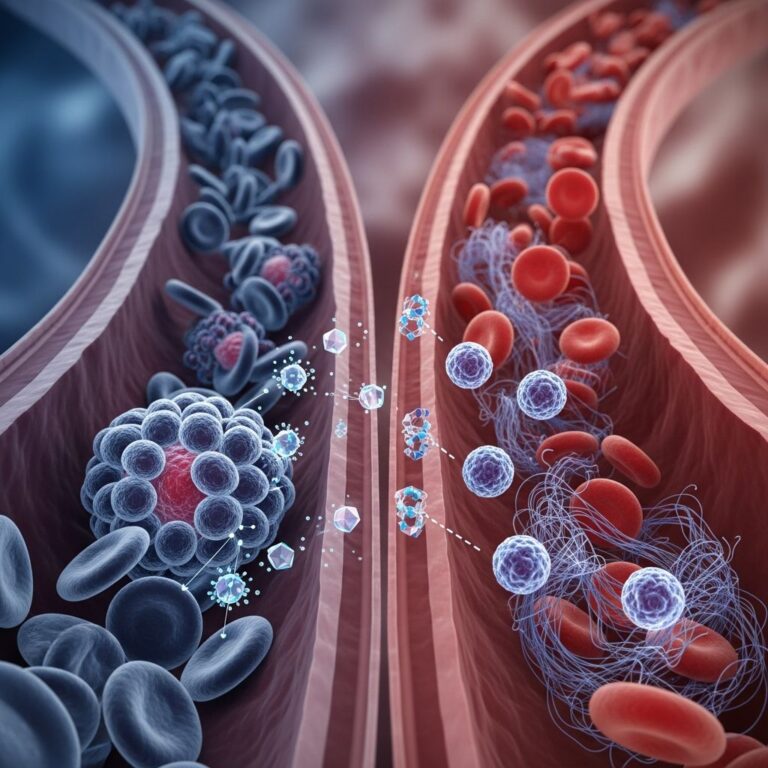
Tolcapone selectively inhibits catechol-O-methyltransferase (COMT), an enzyme that breaks down levodopa into 3-O-methyldopa, a compound competing with levodopa for brain entry. By blocking COMT in both peripheral tissues and the central nervous system, tolcapone increases levodopa availability and sustains dopamine levels in the brain.
This dual action—peripheral and central—distinguishes tolcapone from similar drugs like entacapone, which primarily act outside the brain. Resulting benefits include reduced ‘off’ time and smoother symptom control without needing higher levodopa doses.
- Increases levodopa plasma levels for sustained delivery.
- Reduces 3-OMD formation, minimizing competition at the blood-brain barrier.
- Promotes consistent dopaminergic stimulation.
Clinical Applications and Patient Selection
Healthcare providers prescribe tolcapone for patients on levodopa/carbidopa whose symptoms fluctuate despite optimized regimens. It is not a standalone treatment but an add-on for those not responding well to other adjuncts like dopamine agonists.
Ideal candidates include those with significant ‘off’ episodes impacting daily activities. Studies show it can extend ‘on’ time by 1-2 hours daily, enhancing mobility and independence.
| Patient Profile | Suitability for Tolcapone |
|---|---|
| Advanced PD with motor fluctuations | High |
| Early PD without fluctuations | Low |
| History of liver disease | Contraindicated |
| Taking non-selective MAO inhibitors | Contraindicated |
Dosage Guidelines and Administration
The standard starting dose is 100 mg three times daily, taken orally with or without food. Maximum daily dose is 600 mg, spaced evenly—typically morning, midday, and evening. Providers may adjust levodopa doses downward by 10-30% upon initiation to counter potential dyskinesia.
Regular liver function tests (LFTs) are mandatory before starting, monthly for the first year, then every 6 weeks if stable, and periodically thereafter. Discontinue if LFTs exceed three times the upper normal limit.
- Baseline LFTs required prior to first dose.
- Monitor for symptoms like jaundice or abdominal pain.
- No dose escalation without LFT review.
Potential Benefits and Efficacy Data
Clinical trials demonstrate tolcapone reduces ‘off’ time by about 1.7 hours per day compared to placebo, with corresponding increases in functional ‘on’ time. Patients report better performance in activities like walking and dressing.
Beyond motor symptoms, emerging research explores its role in non-motor aspects, such as apathy, due to COMT’s influence on prefrontal dopamine. Animal models suggest antidepressant-like effects, though human data remains preliminary.
Common Side Effects and Management
Most adverse effects stem from enhanced dopaminergic activity or gastrointestinal irritation. They often improve over time or with dose adjustments.
Related Stories



- Gastrointestinal: Diarrhea (more frequent than with entacapone), nausea, abdominal pain.
- Neurological: Dyskinesia, dizziness, hallucinations, somnolence.
- Other: Urine discoloration (harmless yellowing), orthostatic hypotension, dry mouth.
Manage diarrhea with loperamide if needed; reduce levodopa for dyskinesia. Hallucinations may require psychiatric evaluation.
Serious Risks: Liver Toxicity and Rhabdomyolysis
Tolcapone carries a black box warning for potentially fatal liver injury, observed in post-marketing reports (incidence ~10 cases per 10,000 patients). Symptoms include fatigue, jaundice, dark urine, and right upper quadrant pain—prompt medical attention is critical.
Rhabdomyolysis, a rare muscle breakdown leading to kidney damage, presents with severe pain, weakness, or cola-colored urine. History of such events contraindicates reuse.
Stop tolcapone immediately and seek emergency care for: Yellow skin/eyes, unexplained fever, persistent nausea, muscle cramps with dark urine.
Drug Interactions and Contraindications
Avoid combining with non-selective MAOIs due to hypertensive crisis risk. Use caution with other dopaminergic agents, as they amplify side effects. No major cytochrome P450 interactions, but monitor with drugs affecting liver enzymes.
| Interaction Type | Examples | Recommendation |
|---|---|---|
| Contraindicated | Phenelzine, tranylcypromine | Do not use together |
| Caution | Dopamine agonists, amantadine | Dose adjustment |
| Monitor | Antihypertensives | Blood pressure checks |
Liver Monitoring Protocol
Strict LFT surveillance mitigates hepatotoxicity risk. Schedule includes:
- Before treatment.
- Every 2 weeks for first 6 months (per some guidelines).
- Every 8 weeks thereafter.
- Annually if discontinued >6 months before restart.
Normal LFTs do not eliminate risk; vigilance remains essential.
Special Populations: Precautions in Elderly and Comorbidities
Elderly patients, common in PD, face heightened sensitivity to orthostasis and hallucinations. Start low and titrate slowly. In renal impairment, dose unchanged unless severe; hepatic disease prohibits use.
Pregnancy category C—use only if benefits outweigh risks. Limited lactation data advises caution.
Discontinuation and Withdrawal
Abrupt stopping may worsen PD symptoms or cause neuroleptic malignant syndrome-like reactions. Taper gradually while resuming levodopa adjustments. Post-discontinuation, monitor for lingering effects like insomnia or movement disorders.
Patient Education and Lifestyle Tips
Empower patients with knowledge:
- Report liver symptoms promptly.
- Rise slowly to prevent falls from dizziness.
- Maintain hydration to ease GI effects.
- Track ‘on/off’ times in a diary for dose optimization.
Combine with exercise, speech therapy, and nutrition for holistic management.
Future Directions in COMT Inhibition
Ongoing research investigates tolcapone for psychiatric conditions like OCD and schizophrenia negative symptoms, leveraging its central COMT effects. Novel inhibitors aim to minimize liver risks while retaining efficacy.
Frequently Asked Questions (FAQs)
What if I miss a tolcapone dose?
Take it as soon as remembered unless near next dose; do not double up. Consistency aids steady levodopa levels.
Does tolcapone cure Parkinson’s?
No, it manages symptoms by enhancing levodopa; disease progression continues.
How soon do benefits appear?
Within days to weeks; full effects may take months with adjustments.
Is urine discoloration dangerous?
No, it’s benign from metabolites; resolves upon stopping.
Can I drink alcohol on tolcapone?
Limit intake; alcohol stresses the liver and worsens dizziness.
References
- Tolcapone – Wikipedia — Wikipedia contributors. 2023-10-15. https://en.wikipedia.org/wiki/Tolcapone
- Tolcapone (oral route) – Mayo Clinic — Mayo Clinic. 2024-01-12. https://www.mayoclinic.org/drugs-supplements/tolcapone-oral-route/description/drg-20068038
- Tolcapone (Tasmar): Uses, Side Effects – GoodRx — GoodRx. 2025-08-20. https://www.goodrx.com/tolcapone/what-is
- Tolcapone: Uses, Interactions – DrugBank — DrugBank Online. 2024-05-10. https://go.drugbank.com/drugs/DB00323
- Tolcapone – StatPearls – NCBI — NCBI Bookshelf. 2023-11-05. https://www.ncbi.nlm.nih.gov/books/NBK560593/
- Tolcapone: MedlinePlus Drug Information — MedlinePlus. 2024-02-18. https://medlineplus.gov/druginfo/meds/a698036.html
Similar Articles








Read full bio of medha deb