What Color Is Your Tongue? What’s Healthy and What’s Not
Discover what your tongue color reveals about your health and when to seek medical attention.
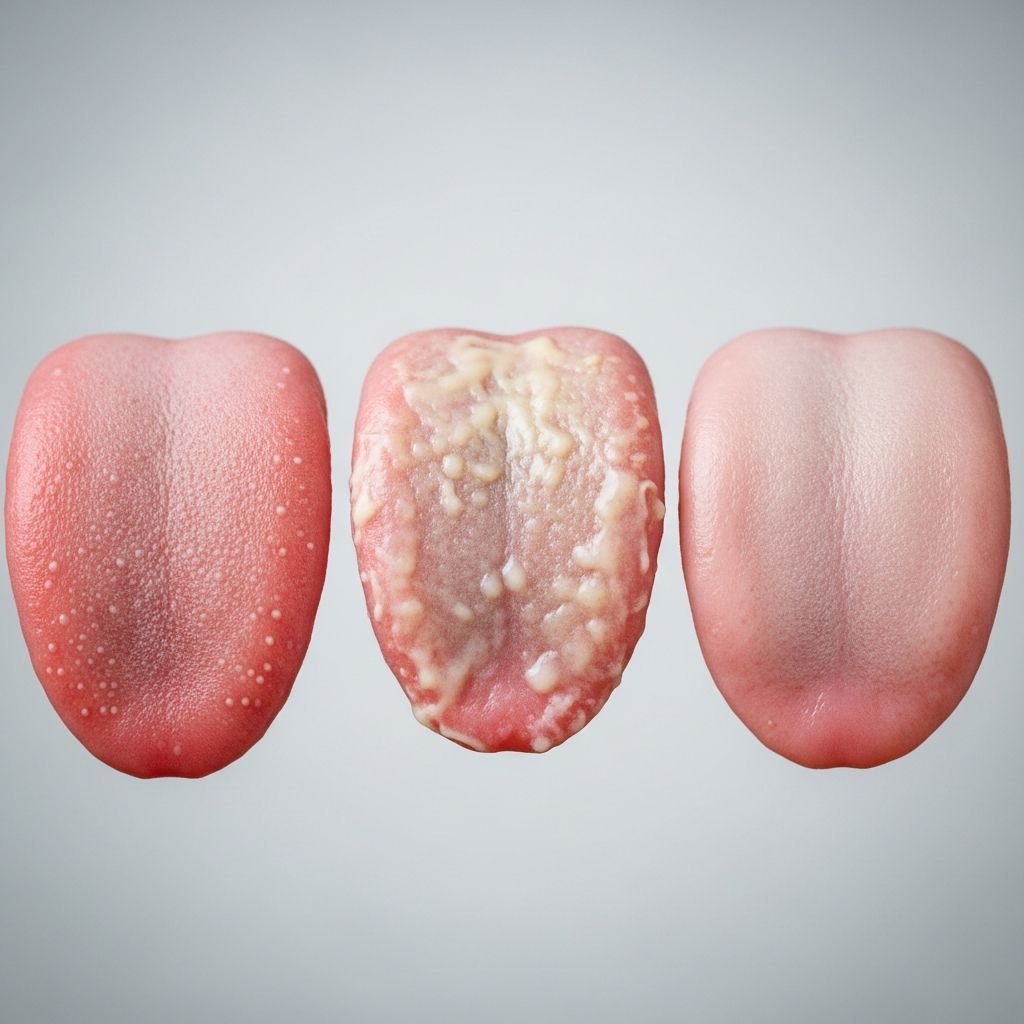
Your tongue is more than just an organ for tasting food and speaking. It serves as a valuable health indicator, revealing important information about your overall well-being. Many health professionals, from traditional Chinese medicine practitioners to modern medical doctors, recognize that changes in your tongue’s color, texture, and coating can signal underlying health conditions. By learning to recognize these signs, you can take proactive steps toward better health management.
Understanding the Normal Tongue
A healthy tongue typically displays a distinctive appearance that serves as the baseline for identifying abnormalities. Knowing what normal looks like is the first step in recognizing when something might be amiss.
Characteristics of a Healthy Tongue
A normal, healthy tongue is predominantly pink in color, indicating good blood circulation and oxygen delivery to the tissue. The surface should feature small, slightly raised bumps called papillae, which contain taste buds and help with food manipulation during chewing and swallowing. These papillae give the tongue its characteristic textured appearance.
The coating on a healthy tongue should be thin and white, consisting of a layer of harmless bacteria and dead cells. This minimal coating is completely normal and doesn’t indicate any health problem. The tongue should also feel moist but not excessively wet, and it should move freely without pain or restriction.
Decoding Tongue Colors and Their Health Meanings
Changes in tongue color can provide valuable clues about your health status. Different colors often correspond to specific conditions or imbalances in your body. Understanding these color changes can help you determine whether a visit to your healthcare provider is necessary.
Pale or Whitish Tongue
A tongue that appears unusually pale or washed out may indicate several underlying conditions. This discoloration often suggests nutritional deficiencies, particularly inadequate levels of iron or vitamin B12, which can lead to anemia. When your body lacks sufficient red blood cells or hemoglobin, tissues throughout your body, including your tongue, may appear paler than normal.
Paleness can also reflect poor circulation, where blood isn’t efficiently reaching all areas of your body. Additionally, a pale tongue might signal low energy levels or indicate you’re not absorbing nutrients properly. If your pale tongue persists for more than two weeks or is accompanied by other symptoms like fatigue or weakness, consult your healthcare provider for evaluation.
Bright Red Tongue
An unusually bright red or scarlet tongue can be striking and concerning to many people. This vibrant coloration often indicates your body is experiencing inflammation or infection. A bright red tongue frequently accompanies fevers and can be a sign of various conditions.
Several specific conditions cause bright red tongues, including:
- Scarlet fever, a bacterial infection that produces a characteristic strawberry-like appearance
- Kawasaki disease, an inflammatory condition that primarily affects children
- Vitamin deficiencies, particularly lacking B3 (niacin), B12, or folic acid
- Oral thrush, a fungal infection that can cause redness and inflammation
- Geographic tongue, though this typically shows patterned redness rather than uniform coloring
Related Stories



If your tongue becomes abnormally red and remains that way for several days, especially if accompanied by fever, sore throat, or difficulty swallowing, seek medical attention promptly.
Purple or Bluish Tongue
A purple or bluish tint to your tongue indicates a potentially serious condition related to oxygen circulation. This discoloration, known as cyanosis, suggests that your tongue isn’t receiving adequately oxygenated blood. This color change warrants particular attention as it may indicate:
- Heart problems or cardiovascular dysfunction
- Respiratory issues affecting oxygen intake
- Circulation disorders preventing proper blood flow
- High cholesterol or other metabolic conditions
While a slightly purplish tinge might be normal in very cold environments, persistent or sudden bluish discoloration requires immediate medical evaluation. This color change can indicate a medical emergency, especially if accompanied by shortness of breath or chest pain.
Yellow Tongue
A yellow coating on your tongue can range from a minor inconvenience to a sign of something more serious. While thick yellow coating sometimes results simply from poor oral hygiene or tobacco use, it can also indicate more significant health concerns.
A persistently yellow tongue might suggest:
- Jaundice, a yellowing of tissues indicating liver dysfunction or bile duct problems
- Fungal infections in the mouth, such as oral thrush
- Bacterial infections affecting oral tissues
- Dehydration combined with poor oral hygiene
- Staining from food, beverages, or tobacco
Improving your oral hygiene routine and staying hydrated often resolves minor yellow coating. However, if the discoloration persists despite good oral care, consult your doctor to rule out more serious conditions.
Black or Hairy Tongue
While alarming in appearance, a black or hairy tongue is usually harmless and highly treatable. This condition, called black hairy tongue, occurs when papillae on your tongue become elongated and trap bacteria and yeast, creating a dark, hair-like appearance.
Common causes include:
- Poor oral hygiene allowing bacteria overgrowth
- Tobacco or marijuana use irritating tongue tissue
- Certain mouthwashes that kill beneficial bacteria
- Antibiotic use that disrupts normal mouth flora
- Oral thrush or other fungal infections
Treatment typically involves improved oral hygiene, gentle tongue brushing, and sometimes antifungal medication. This condition usually resolves within one to two weeks of proper care.
Other Important Tongue Changes
Beyond color changes, your tongue’s texture, coating, moisture level, and shape provide additional health information. Recognizing these variations helps paint a complete picture of your oral and systemic health.
Texture and Coating Abnormalities
A healthy tongue maintains relatively consistent texture with a thin white coating. Changes in this baseline can indicate health issues, particularly related to digestion and nutrient absorption. A thick white coating might suggest oral thrush or poor oral hygiene. The complete absence of coating, conversely, could indicate nutritional deficiencies or digestive problems. Rough or bumpy texture changes warrant attention, as do smooth patches that appear unnaturally bare.
Moisture Level Changes
Your tongue’s moisture level reflects your body’s hydration status and saliva production. A dry, parched tongue frequently indicates dehydration, especially when accompanied by increased thirst and dark urine. Dry mouth can also result from certain medications, autoimmune conditions, or radiation therapy. Conversely, an excessively wet tongue might suggest kidney problems or fluid retention issues requiring medical evaluation.
Size and Shape Variations
Swelling of the tongue, called macroglossia, can result from allergic reactions, infections, or hormonal imbalances. Scalloped edges or indentations along the tongue’s sides, caused by teeth pressing into swollen tissue, suggest fluid retention or spleen health issues in traditional medicine frameworks. These shape changes often indicate underlying health problems requiring professional assessment.
Geographic Tongue and Other Benign Conditions
Geographic tongue is a harmless condition characterized by a map-like pattern of red spots with white borders across your tongue’s surface. These patches can migrate over time, giving the appearance of a changing map. Though researchers haven’t definitively identified the cause, geographic tongue is thought to be linked to stress, allergies, or hormonal fluctuations.
This condition requires no treatment and poses no health risk. However, if the appearance bothers you or you experience discomfort, your dentist can provide management suggestions. Geographic tongue affects approximately 1-3% of the population and is entirely benign.
When to See a Healthcare Provider
While many tongue changes are minor and resolve independently, certain situations warrant professional medical evaluation. Understanding these red flags helps you seek appropriate care timely.
Situations Requiring Medical Attention
Contact your healthcare provider if you experience:
- Persistent color changes lasting more than two weeks despite improved oral hygiene
- Sudden onset discoloration accompanied by other symptoms
- Purple or blue tongue indicating possible circulation problems
- Painful tongue or swelling affecting eating or speaking
- Coating that worsens despite good oral care
- Combination symptoms including fever, rash, or difficulty swallowing
- Changes following new medication introduction
Seek emergency care for severe swelling affecting breathing, sudden appearance of severe symptoms, or purple tongue accompanied by chest pain or breathing difficulty.
Maintaining Tongue Health
Keeping your tongue healthy involves maintaining excellent oral hygiene, staying hydrated, and monitoring for changes. Gentle daily tongue brushing removes bacteria and debris while promoting circulation. Staying well-hydrated supports saliva production, which protects tongue tissue. A balanced diet rich in B vitamins, iron, and other essential nutrients supports tongue health and overall wellness.
Frequently Asked Questions
Q: What does a healthy tongue look like?
A: A healthy tongue is pink with small bumps called papillae, has a thin white coating, feels moist but not excessively wet, and moves freely without pain.
Q: Why is my tongue pale?
A: Paleness can indicate anemia, nutritional deficiencies (particularly iron or B12), poor circulation, or low energy levels. If it persists beyond two weeks, consult your doctor.
Q: Does a bright red tongue always mean infection?
A: Not always, but bright red tongues often indicate fever, inflammation, vitamin deficiencies, or infection. Medical evaluation helps determine the underlying cause.
Q: Is geographic tongue dangerous?
A: No, geographic tongue is a benign condition featuring a map-like pattern. It requires no treatment and poses no health risk, though it may appear concerning.
Q: What causes black hairy tongue?
A: Black hairy tongue results from papillae overgrowth trapping bacteria and yeast, usually caused by poor hygiene, tobacco use, certain mouthwashes, or antibiotics.
Q: Can tongue color indicate liver problems?
A: Yes, a yellow tongue can indicate jaundice, which suggests liver dysfunction. Combined with other symptoms like yellowing skin or eyes, seek immediate medical attention.
Q: Should I be concerned about a purple tongue?
A: Yes, persistent purple or blue tongue indicates potential circulation, heart, or respiratory problems. Seek medical evaluation, especially if accompanied by other symptoms.
Q: How often should I examine my tongue?
A: Examine your tongue regularly during your daily oral hygiene routine, becoming familiar with its normal appearance to quickly notice any changes.
References
- What The Colour Of Your Tongue Reveals About Your Well-Being — Affinity Health. 2024. https://www.affinityhealth.co.za/what-the-colour-of-your-tongue-reveals-about-your-well-being/
- Tongue Diagnosis in Traditional Chinese Medicine — Harvard Health Publishing. 2023. https://www.health.harvard.edu/
- Oral Health and Systemic Disease — National Institute of Dental and Craniofacial Research (NIDCR), National Institutes of Health. 2024. https://www.nidcr.nih.gov/
- Geographic Tongue: Clinical Characteristics and Management — American Dental Association. 2024. https://www.ada.org/
- Nutritional Deficiencies and Oral Health — World Health Organization. 2024. https://www.who.int/
Similar Articles








Read full bio of medha deb