Tongue Scraper: 6 Proven Benefits For Fresher Breath
Discover the benefits of tongue scraping for fresher breath, cleaner mouth, and better oral health—expert tips included.
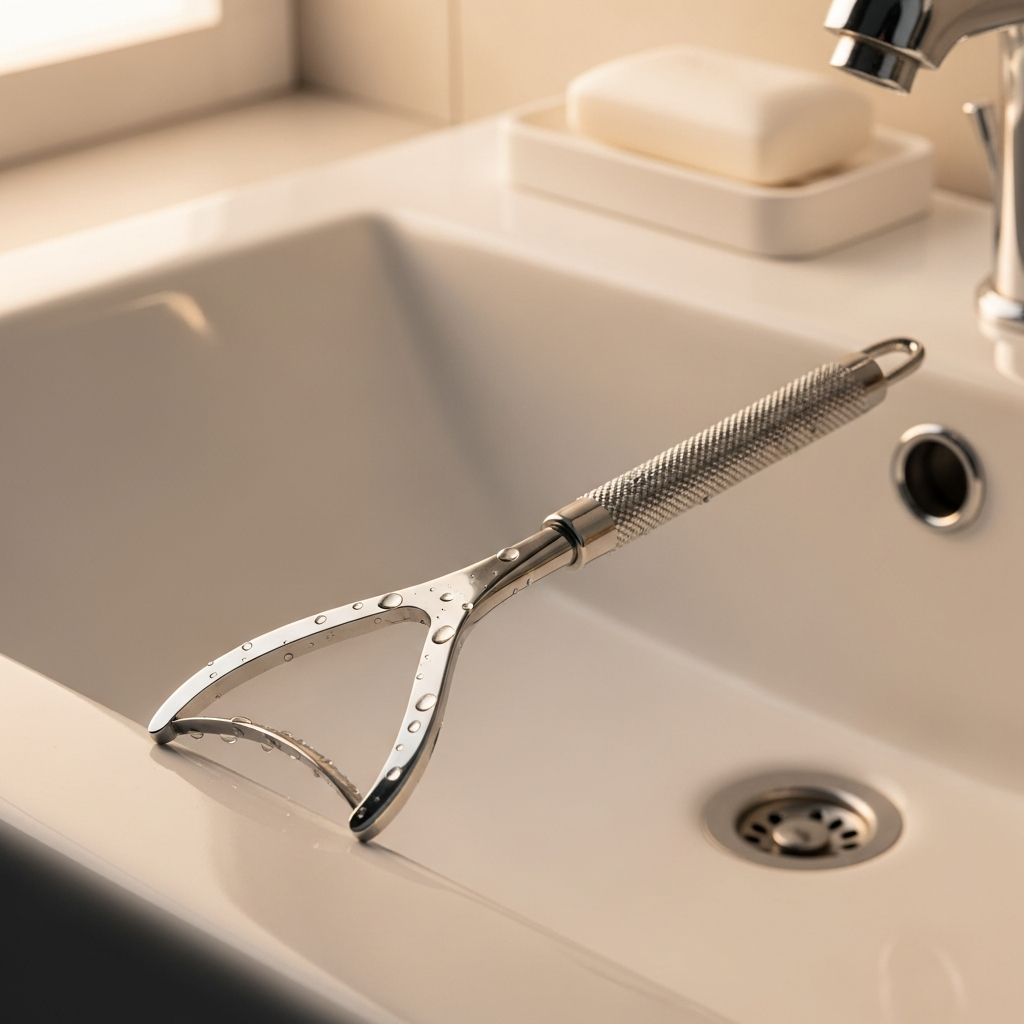
A
tongue scraper
is a simple, effective tool designed to remove bacteria, food debris, and dead cells from the tongue’s surface, promoting optimal oral health and fresher breath. Adding this quick step to your daily routine can significantly improve your mouth’s cleanliness beyond brushing and flossing alone.What Is a Tongue Scraper?
The tongue’s irregular, bumpy surface—covered in papillae—traps bacteria, debris, and dead cells, forming a coating that contributes to bad breath (halitosis) and other issues. A
tongue scraper
, also called a tongue cleaner, is a handheld device typically made of plastic, stainless steel, or copper. It features a curved edge that glides from the back of the tongue to the front, mechanically dislodging buildup without damaging sensitive tissue.Unlike a toothbrush, which only lightly scrubs the surface, a scraper’s design conforms to the tongue’s shape for deeper cleaning. This ancient practice, dating back centuries in Ayurvedic traditions, has gained modern popularity through clinical evidence showing its superiority in reducing volatile sulfur compounds (VSCs)—key culprits of bad breath.
Benefits of Tongue Scraping
Incorporating tongue scraping into your oral hygiene routine offers multiple evidence-based advantages. Here’s a breakdown of the key benefits:
- Reduces Bad Breath (Halitosis): Up to 90% of bad breath originates from the tongue. Scraping removes VSCs-producing bacteria, with studies showing scrapers reduce hydrogen sulfide (H2S)—a major odor compound—more effectively than brushing.
- Balances Oral Microbiome: Excess bacteria disrupt the mouth’s microbial balance, leading to plaque and gum issues. Scraping removes harmful overgrowth while preserving beneficial microbes, unlike aggressive brushing which may harm diversity.
- Removes Bacteria, Debris, and Dead Cells: The tongue harbors 80% of oral bacteria. Daily scraping clears this buildup, preventing it from spreading to teeth and gums.
- Improves Taste Sensation: Clearing the coating enhances taste bud exposure, making flavors more vivid—ideal for food enjoyment and nutrition.
- Lowers Risk of Oral Infections and Disease: Reduces plaque buildup, gingivitis, and thrush by limiting fungal and bacterial proliferation.
- Enhances Overall Oral Hygiene: Complements brushing/flossing for a ‘squeaky clean’ feel; research indicates 30% more bacteria removal than toothbrushes.
A 2022 study confirmed tongue scrapers significantly lower oral malodor immediately after use, with effects lasting longer when done correctly from back to front.
How to Use a Tongue Scraper
Tongue scraping takes under 2 minutes daily and is best done morning and night after brushing/flossing. Follow these steps for optimal results:
- Prepare: Stand before a mirror, rinse your scraper with warm water. Brush and floss teeth first.
- Position: Stick your tongue out fully (avoid pointing) to maximize surface area. Place scraper at the back (as far as comfortable, without gagging).
- Scrape: Apply light-to-firm pressure and pull forward in one smooth motion. Repeat 4-8 times or until clean.
- Clean Up: Rinse scraper between strokes under warm water. Swish mouth with water or mouthwash. Disinfect scraper weekly (boil metal ones).
- Store Dry: Air-dry to prevent bacterial growth.
Pro Tip: Start gently if new to it; build tolerance. Morning scraping clears overnight buildup, evening removes daily debris.
Tongue Scraper vs. Toothbrush
| Aspect | Tongue Scraper | Toothbrush |
|---|---|---|
| Bacteria Removal | 30% more effective; deeper scrape | Surface-level; less efficient |
| Bad Breath Reduction | Significantly lowers VSCs/H2S | Moderate; shorter effect |
| Microbiome Impact | Balances without disrupting diversity | May reduce beneficial bacteria |
| Ease of Use | Quick, targeted | Requires extra time on tongue |
| Durability | Long-lasting (metal) | Wears out bristles |
Scrapers outperform toothbrushes for tongue cleaning, per multiple studies, but use both for comprehensive care.
Types of Tongue Scrapers
Choose based on preference and sensitivity:
- Stainless Steel: Durable, antimicrobial, easy to clean; long-term use.
- Copper: Natural antibacterial properties (though unproven in large trials); eco-friendly.
- Plastic: Affordable, flexible, gentle for beginners/sensitive tongues.
Related Stories



Metal options are preferred for hygiene and longevity.
Is Tongue Scraping Safe?
Yes, when done correctly with light pressure. Avoid gagging by not going too far back. It’s gentler than brushing, preserving microbiome diversity—unlike brushing, which UCLA research links to adverse microbial shifts. Not a brushing replacement; combine with twice-daily brushing, flossing, and mouthwash. Consult a dentist if irritation persists.
Common Myths About Tongue Scraping
- Myth: Brushing is enough. Fact: Scrapers remove 30% more buildup.
- Myth: It’s painful/harsh. Fact: Gentle technique ensures comfort.
- Myth: Only for bad breath sufferers. Fact: Benefits all for proactive hygiene.
- Myth: Plastic is inferior. Fact: Effective if BPA-free; metal preferred for durability.
Frequently Asked Questions (FAQs)
Does tongue scraping stop bad breath?
Yes, it significantly reduces odor-causing bacteria and VSCs, often more than brushing. Results improve with consistent use alongside full oral care.
Are metal tongue scrapers better than plastic?
Metal is more durable and hygienic, but plastic suits sensitive mouths. Both work well.
How often should I use a tongue scraper?
Twice daily, morning and night, after brushing/flossing.
Can tongue scraping improve taste?
Absolutely—removes coating over taste buds for enhanced flavor perception.
Is tongue scraping safe for everyone?
Generally yes, but use gently. Those with sensitivities or injuries should consult a dentist.
Key Takeaways
- Tongue scraping is a simple, science-backed addition to oral care.
- Targets root causes of bad breath and buildup brushing misses.
- Daily use promotes fresher breath, better taste, and healthier gums.
- Choose quality tools and proper technique for best results.
Start today for noticeable improvements in days. Pair with professional check-ups for total oral wellness.
References
- 7 reasons daily tongue scraping is well worth the effort — Women’s Health Mag UK. 2023-approx. https://www.womenshealthmag.com/uk/beauty/body/a42705235/tongue-scraping/
- The Effect of Mechanical Tongue Cleaning on Oral Malodor — PMC/NCBI (Peer-reviewed). 2022-01-13. https://pmc.ncbi.nlm.nih.gov/articles/PMC8751028/
- Why Tongue Scraping Should Be Part of Your Oral Hygiene Routine — Asta Dental. 2023-approx. https://astadental.com/tongue-scraping/
- Tongue Scraping: What to Know — WebMD. 2024-approx. https://www.webmd.com/oral-health/tongue-scraping
- Brushing your tongue could have adverse health effects — UCLA Health (.edu). 2023-approx. https://www.uclahealth.org/news/article/brushing-your-tongue-could-have-adverse-health-effects
Similar Articles








Read full bio of Sneha Tete