Tongue-Tie: Causes, Effects, Diagnosis, and Care
Discover how tongue-tie impacts infants and children, from feeding struggles to speech delays, and explore effective diagnosis and treatment strategies.
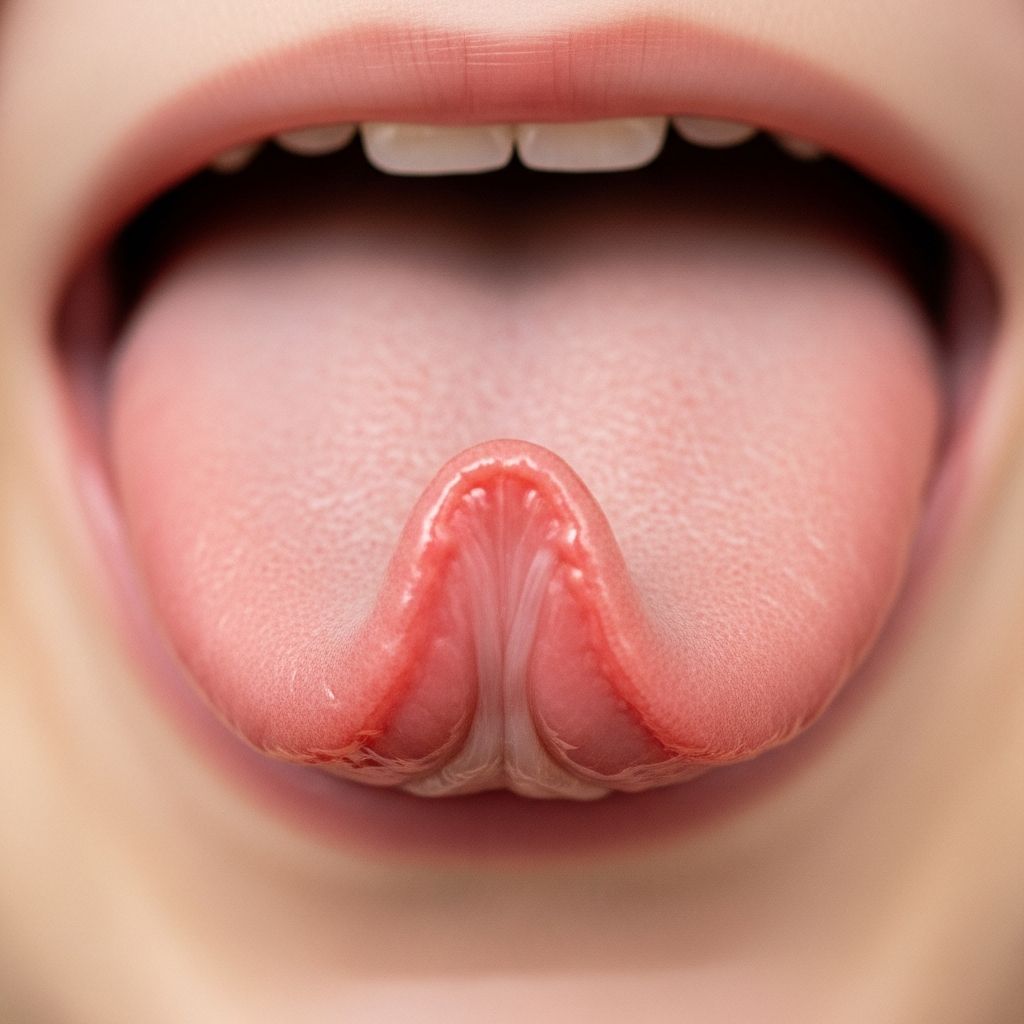
Tongue-tie, medically termed ankyloglossia, occurs when a short, thick, or tight lingual frenulum anchors the tongue too firmly to the floor of the mouth, limiting its mobility.
Understanding the Anatomy of Tongue-Tie
The lingual frenulum is a thin fold of tissue connecting the underside of the tongue to the mouth floor. Normally, it allows full tongue extension, side-to-side movement, and elevation. In tongue-tie cases, this tissue fails to recede properly during fetal development, restricting function.
Severity varies: anterior ties attach near the tongue tip, often visible as a heart-shaped protrusion or notch when extended. Posterior ties involve submucosal tethering, harder to spot without palpation.
Common Signs in Infants and Children
Early detection hinges on recognizing functional limitations. Key indicators include:
- Difficulty latching during breastfeeding, leading to poor milk transfer and maternal nipple pain.
- Inability to lift the tongue to the upper teeth or move it laterally.
- Tongue appearing notched, heart-shaped, or unable to extend past lower gums.
- Prolonged feeding sessions or inadequate weight gain in babies.
In toddlers and older children, signs shift to speech challenges with sounds like ‘t,’ ‘d,’ ‘s,’ or ‘l,’ plus difficulties licking lips or cleaning food from teeth.
Factors Contributing to Tongue-Tie Development
This condition is congenital, arising in utero when the frenulum does not separate adequately. Precise causes remain unclear, but genetic links exist, with higher prevalence in males and familial patterns suggesting heritability.
Research notes possible X-linked inheritance, explaining male predominance. Environmental fetal influences may contribute, though evidence is limited.
Effects on Breastfeeding and Infant Nutrition
Tongue-tie disrupts effective latching, compressing the nipple instead of forming a proper seal around the areola. Infants may fuss, fall asleep hungry, or develop clicking sounds while suckling.
Mothers often report cracked nipples, mastitis risk, or reduced supply from inefficient feeding. Studies link untreated ties to early weaning.
| Impact Area | Infant Signs | Maternal Signs |
|---|---|---|
| Feeding Efficiency | Short feeds, poor weight gain | Painful latch, low supply |
| Tongue Mobility | Heart shape on protrusion | Nipple trauma |
| Long-term | Reflux-like symptoms | Mastitis risk |
Long-Term Developmental Impacts
Beyond infancy, restricted tongue movement affects speech articulation, particularly alveolar sounds. It may contribute to open bites, gaps between incisors, or gingival recession from poor hygiene.
Adults with unresolved ties face challenges playing wind instruments, kissing, or maintaining oral cleanliness, raising decay and gum disease risks.
Accurate Diagnosis Methods
Pediatricians or lactation consultants assess during newborn exams by observing tongue lift, protrusion, and cupping. Tools like the Hazelbaker Assessment score anatomy (0-10) and function (0-14); scores below 11-14 indicate intervention need.
Diagnosis confirms frenulum as sole restrictor, ruling out other issues like short nipples or low milk supply.
Non-Surgical Management Strategies
Not all cases require cutting. Supportive approaches include:
- Lactation consulting for positioning tweaks.
- Myofunctional exercises to strengthen tongue muscles.
- Speech therapy for older children addressing articulation.
Monitoring suffices if no functional impairment exists.
Related Stories



Surgical Interventions Explained
Frenotomy, a quick snip of the frenulum, suits thin anterior ties, often clip-less in-office for newborns with minimal bleeding.
Frenuloplasty involves scissors, laser, or sutures for thicker ties, under local anesthesia. Post-procedure stretches prevent reattachment.
Success rates exceed 90% for breastfeeding improvement when indicated.
Preparation and What to Expect Before Treatment
Consult multidisciplinary teams: ENT specialists, dentists, or pediatricians. Pre-op assessments evaluate severity via photos or videos of tongue function.
Parents receive wound care instructions, emphasizing gentle massages to maintain release.
Recovery Timeline and Aftercare Tips
Most infants resume feeding immediately post-frenotomy, with fussiness lasting 1-2 days. Older patients follow a 2-4 week stretching regimen.
- Day 1-3: Monitor bleeding, apply pressure if needed.
- Week 1-2: Daily stretches 4-6 times.
- Follow-up: Reassess at 1-2 weeks.
Complications like infection or reattachment are rare (<5%).
Debates and Evidence in Tongue-Tie Care
Consensus defines it as restrictive frenulum impairing function, but overtreatment concerns persist for asymptomatic cases. Recent guidelines stress functional impact over appearance alone.
Lip ties, similarly restrictive maxillary frenula, compound issues but require separate evaluation.
Preventive Screening and Family Education
Universal newborn checks aid early detection. Families with history should inform providers. Educating on normal vs. problematic frenula empowers informed choices.
Frequently Asked Questions
Does every tongue-tie need surgery?
No, only if it impairs feeding, speech, or hygiene. Functional assessment guides decisions.
Can tongue-tie resolve without treatment?
Rarely; the frenulum does not lengthen naturally post-infancy.
Is laser frenotomy better than scissors?
Lasers minimize bleeding but lack superior outcomes; provider expertise matters most.
How soon after birth can frenotomy be done?
Safely within hours, ideally before 2 weeks for breastfeeding benefits.
Will treatment affect speech permanently?
Early intervention often resolves issues; therapy supports complex cases.
Supporting Overall Oral Health
Post-release, myofunctional therapy enhances tongue posture, aiding jaw growth and preventing malocclusion. Regular dental visits monitor progress.
References
- Tongue-tie (ankyloglossia) – Symptoms and causes — Mayo Clinic Staff. 2024-08-02. https://www.mayoclinic.org/diseases-conditions/tongue-tie/symptoms-causes/syc-20378452
- Tongue-Tie Explained — Orem Pediatric Dentistry. Accessed 2026. https://orempediatricdentistry.com/from-struggles-to-solutions-a-comprehensive-guide-to-tongue-tie-treatment/
- Understanding Tongue and Lip Ties — Blossom Pediatric Dental. Accessed 2026. https://www.blossompediatricdental.com/blog/understanding-tongue-and-lip-ties-a-comprehensive-guide-for-parents/
- Tongue-Tie (Ankyloglossia) Symptoms, Causes & Treatment — Cleveland Clinic. Accessed 2026. https://my.clevelandclinic.org/health/diseases/17931-tongue-tie-ankyloglossia
- Ankyloglossia (Tongue-Tie) — StatPearls, NCBI Bookshelf. 2023. https://www.ncbi.nlm.nih.gov/books/NBK482295/
Similar Articles








Read full bio of Sneha Tete