Tonic-Clonic (Grand Mal) Seizures: Symptoms, Causes & Treatment
Understanding tonic-clonic seizures: Comprehensive guide to symptoms, causes, diagnosis, and management options.
Tonic-Clonic (Grand Mal) Seizures: A Comprehensive Overview
Tonic-clonic seizures, formerly known as grand mal seizures, represent one of the most dramatic and recognizable forms of seizure activity. These seizures are characterized by a sudden loss of consciousness combined with intense muscle contractions and involuntary jerking movements. The term “grand mal” comes from French, meaning “great sickness,” reflecting the severity and visible nature of these seizures. While most commonly associated with epilepsy, tonic-clonic seizures can also be triggered by various other medical conditions and circumstances.
What Are Tonic-Clonic Seizures?
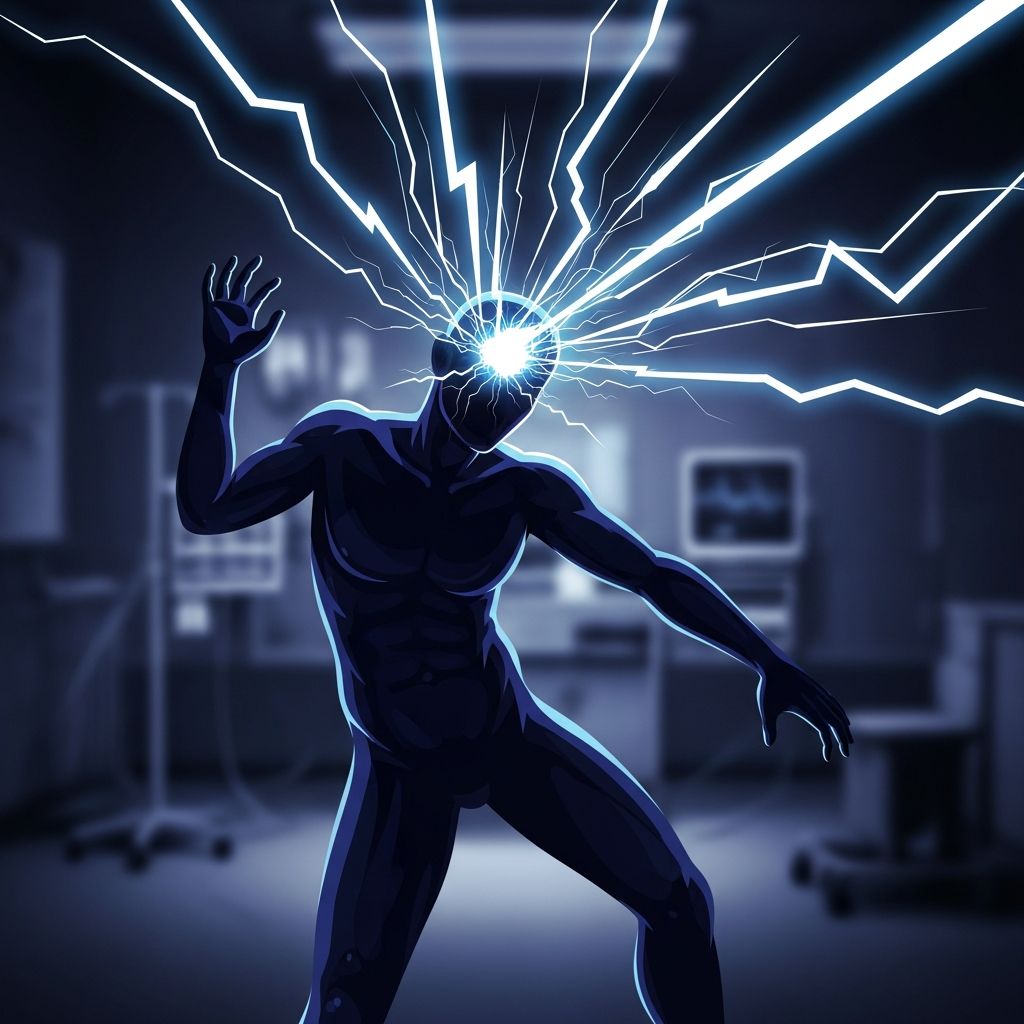
A tonic-clonic seizure occurs when there is a sudden burst of abnormal electrical activity in the brain that spreads across multiple brain regions. During a tonic-clonic seizure, the normal communication between brain cells becomes disrupted. Neurons, which typically send electrical and chemical signals in a controlled manner, instead fire rapidly and uncontrollably. This surge of electrical activity causes dramatic changes in consciousness and muscle function that can be frightening to witness.
These seizures can begin in one specific area of the brain (focal onset) and then spread throughout the entire brain, or they can originate as generalized activity from the start. Regardless of their origin, tonic-clonic seizures result in loss of consciousness and significant motor manifestations, distinguishing them from other seizure types that may not involve complete loss of awareness.
The Two Phases of Tonic-Clonic Seizures
Tonic-clonic seizures are distinctive in their biphasic nature, consisting of two clearly defined phases that occur in sequence. Understanding these phases helps both patients and caregivers recognize what is happening and provides context for the seizure’s progression.
The Tonic Phase
The tonic phase marks the beginning of the seizure and typically lasts approximately 10 to 20 seconds. During this phase, the muscles throughout the body suddenly become rigid and tense. This sudden stiffening often causes the person to fall to the ground, which can pose a risk of injury. At the onset of the tonic phase, many individuals make a sound such as a groan or yell, though this is involuntary and not a sign of pain or distress. Loss of consciousness occurs during the tonic phase, meaning the person is completely unaware of what is happening around them.
During this phase, the rigidity may be so severe that the person’s body becomes completely stiff. The jaw may clench, and the eyes may roll upward. In some cases, breathing may become labored as the respiratory muscles become tense.
The Clonic Phase
Following the tonic phase, the clonic phase begins. This phase is characterized by rhythmic muscle contractions in which muscles alternately flex and relax in a repetitive pattern. The arms and legs typically jerk involuntarily during this phase. The convulsions that occur during the clonic phase usually last between 1 to 2 minutes or less, though the duration can vary between individuals and different seizure episodes. These jerking movements gradually slow down as the seizure concludes.
Related Stories



Symptoms of Tonic-Clonic Seizures
The symptoms of tonic-clonic seizures are varied and can differ significantly from one person to another. While the characteristic muscle stiffness and jerking are present in all tonic-clonic seizures, the accompanying symptoms may not be experienced by everyone.
Primary Symptoms
The primary symptoms that define tonic-clonic seizures include sudden loss of consciousness, muscle stiffness during the tonic phase, and rhythmic jerking movements during the clonic phase. These symptoms occur in every person experiencing a tonic-clonic seizure and are what make these seizures so distinctive and recognizable.
Additional Symptoms
Many individuals experience additional symptoms that accompany the primary manifestations:
- Loss of bowel and bladder function: Some individuals may lose control of their bowel or bladder function during or immediately following a seizure. This can occur involuntarily and may cause embarrassment, though it is a normal physiological response during severe seizures.
- Postictal confusion: After the convulsions end, the person may remain disoriented and confused for several minutes. This postictal confusion is a common occurrence and gradually resolves as the brain recovers from the seizure activity.
- Delayed responsiveness: Even after the convulsions have completely stopped, a person may not regain consciousness for several minutes. During this time, they cannot be awakened and appear unresponsive to stimuli.
- Fatigue and drowsiness: Extreme sleepiness is very common following a tonic-clonic seizure. This fatigue can last for hours and represents the brain’s need to recover from the intense electrical activity.
- Headaches: Many people experience significant headaches after a tonic-clonic seizure. These headaches can range from mild to severe and may persist for hours after the seizure.
Causes of Tonic-Clonic Seizures
Tonic-clonic seizures have multiple potential causes, and in many cases, the exact cause is never definitively identified. Most commonly, these seizures are caused by epilepsy, a neurological condition characterized by a predisposition to recurrent seizures. However, various other medical conditions and circumstances can trigger tonic-clonic seizures.
Epilepsy and Genetic Factors
In the majority of cases, tonic-clonic seizures result from underlying epilepsy, which often has genetic origins. Genetic generalized epilepsy represents a significant portion of tonic-clonic seizure cases, where inherited factors create a predisposition to seizure activity.
Structural and Acquired Causes
Structural problems in the brain can lead to tonic-clonic seizures. These include:
- Traumatic brain injury: Severe head injuries can cause tonic-clonic seizures, either immediately after the injury or years later.
- Infections: Infections such as encephalitis or meningitis can trigger seizures. Previous infections, even those that occurred long ago, can increase seizure risk.
- Stroke: Ischemic or hemorrhagic stroke can cause tonic-clonic seizures as the brain tissue is damaged.
- Neurodegenerative diseases: Conditions like Alzheimer’s disease and other dementias that cause brain degeneration can lead to seizures.
- Brain tumors: Both benign and malignant tumors can disrupt normal brain function and trigger seizures.
- Abnormal blood vessels: Blood vessels in the brain that don’t form properly can predispose individuals to seizures.
Metabolic and Systemic Causes
Imbalances in blood chemistry can precipitate tonic-clonic seizures. These include critically low levels of glucose (hypoglycemia), sodium, calcium, or magnesium. Additionally, high fevers, particularly in children, can trigger febrile seizures that may manifest as tonic-clonic seizures.
Substance-Related Causes
Tonic-clonic seizures can be triggered by substance use or withdrawal. This includes withdrawal from alcohol or other drugs, which can cause seizures as part of the withdrawal syndrome. Acute intoxication with certain substances can also provoke seizures.
Risk Factors for Tonic-Clonic Seizures
Several factors increase the likelihood that a person will experience tonic-clonic seizures. Understanding these risk factors is important for prevention and management.
| Risk Factor | Description |
|---|---|
| Family history | Having relatives with seizure disorders significantly increases personal seizure risk |
| Brain injury | Traumatic head injury, stroke, infection, or other brain insults increase seizure susceptibility |
| Sleep deprivation | Lack of adequate sleep is a common trigger for seizures in susceptible individuals |
| Metabolic abnormalities | Conditions affecting blood mineral and electrolyte balance increase seizure risk |
| Substance use | Both illicit drug use and heavy alcohol consumption increase seizure risk |
| Environmental triggers | Stress, menstrual cycle, fever, flashing lights, and loud noises can precipitate seizures |
Diagnosis of Tonic-Clonic Seizures
Diagnosing tonic-clonic seizures involves a comprehensive evaluation including medical history, physical examination, and specialized testing. A detailed account of the seizure episode from a witness is invaluable, as it provides direct observation of symptoms. Electroencephalography (EEG) is the primary diagnostic tool, recording the brain’s electrical activity to identify abnormal patterns. Brain imaging, such as MRI or CT scans, may be performed to identify structural causes. Blood tests can detect metabolic abnormalities or other systemic conditions contributing to seizures.
Treatment Options
Treatment for tonic-clonic seizures aims to prevent seizures and reduce their frequency and severity. Antiepileptic medications represent the first-line treatment for most individuals. Common medications include valproic acid, lamotrigine, levetiracetam, and topiramate, each with specific benefits and potential side effects. Medication selection depends on individual factors including seizure frequency, other medical conditions, and medication tolerance.
For individuals whose seizures are not adequately controlled by medication, surgical intervention may be considered. Brain surgery can remove or modify the area of the brain responsible for generating seizures. Additionally, neurostimulation devices can help reduce seizure frequency in some patients.
Potential Complications
While most tonic-clonic seizures resolve without permanent injury, complications can occur:
- Injury from falls: The sudden loss of consciousness and fall during a seizure can result in head injuries or broken bones.
- Aspiration: During unconsciousness, saliva or stomach contents may be aspirated into the lungs.
- Drowning: Seizures occurring while swimming or bathing present a significant drowning risk.
- Status epilepticus: A seizure lasting more than five minutes or multiple seizures without recovery between episodes is a medical emergency that requires immediate treatment.
- Sudden Unexplained Nocturnal Death in Epilepsy (SUDEP): Though rare, SUDEP is a concern for individuals with uncontrolled seizures.
Frequently Asked Questions
Q: What is the difference between a tonic-clonic seizure and other types of seizures?
A: Tonic-clonic seizures are distinguished by two phases and loss of consciousness. Other seizure types may involve only partial loss of awareness or lack the characteristic two-phase pattern with muscle stiffness followed by jerking.
Q: Can tonic-clonic seizures be prevented?
A: While seizures cannot always be prevented, antiepileptic medications significantly reduce seizure frequency in many individuals. Avoiding triggers such as sleep deprivation, stress, and alcohol use can also help reduce seizure risk.
Q: How long does a tonic-clonic seizure typically last?
A: The entire tonic-clonic seizure typically lasts 1 to 3 minutes. The tonic phase usually lasts 10 to 20 seconds, followed by the clonic phase lasting 1 to 2 minutes. However, the postictal period of confusion and fatigue can last much longer.
Q: Is it dangerous to restrain someone during a seizure?
A: Yes, restraining someone during a seizure can cause injury. Instead, clear the area of hazards, position the person on their side to maintain an open airway, and stay with them until full consciousness returns.
Q: When should I seek emergency medical care for a seizure?
A: Seek emergency care immediately if a seizure lasts longer than five minutes, if multiple seizures occur in succession, if this is the person’s first seizure, or if the person does not regain consciousness within a few minutes after convulsions stop.
Q: Can lifestyle changes help manage tonic-clonic seizures?
A: Yes, maintaining consistent sleep schedules, managing stress, avoiding alcohol and illicit drugs, taking medications as prescribed, and identifying personal triggers can all help reduce seizure frequency.
References
- Tonic-clonic (grand mal) seizure – Symptoms and causes — Mayo Clinic. 2024. https://www.mayoclinic.org/diseases-conditions/grand-mal-seizure/symptoms-causes/syc-20363458
- Tonic-Clonic (Grand Mal) Seizure: Symptoms & Treatment — Cleveland Clinic. 2024. https://my.clevelandclinic.org/health/diseases/22788-tonic-clonic-grand-mal-seizure
- Generalized Tonic-Clonic Seizure — National Center for Biotechnology Information (NCBI). StatPearls, 2023. https://www.ncbi.nlm.nih.gov/books/NBK554496/
- 3 Key Tonic-Clonic Seizure Symptoms to Watch — Vejthani Hospital. 2024. https://www.vejthani.com/diseases-conditions/tonic-clonic-seizure/
- Tonic-Clonic (Grand Mal) Seizure — Cedars Sinai. 2024. https://www.cedars-sinai.org/health-library/diseases-and-conditions/t/tonic-clonic-grand-mal-seizure.html
- Tonic-Clonic Seizures — Epilepsy Foundation. 2024. https://www.epilepsy.com/what-is-epilepsy/seizure-types/tonic-clonic-seizures
- Generalized Tonic-Clonic Seizure — Mount Sinai. 2024. https://www.mountsinai.org/health-library/diseases-conditions/generalized-tonic-clonic-seizure
Similar Articles








Read full bio of Sneha Tete