Tonic and Clonic Seizures: Types, Symptoms & Treatment
Complete guide to understanding tonic and clonic seizures, their causes, symptoms, and evidence-based treatment options.
Understanding Tonic and Clonic Seizures
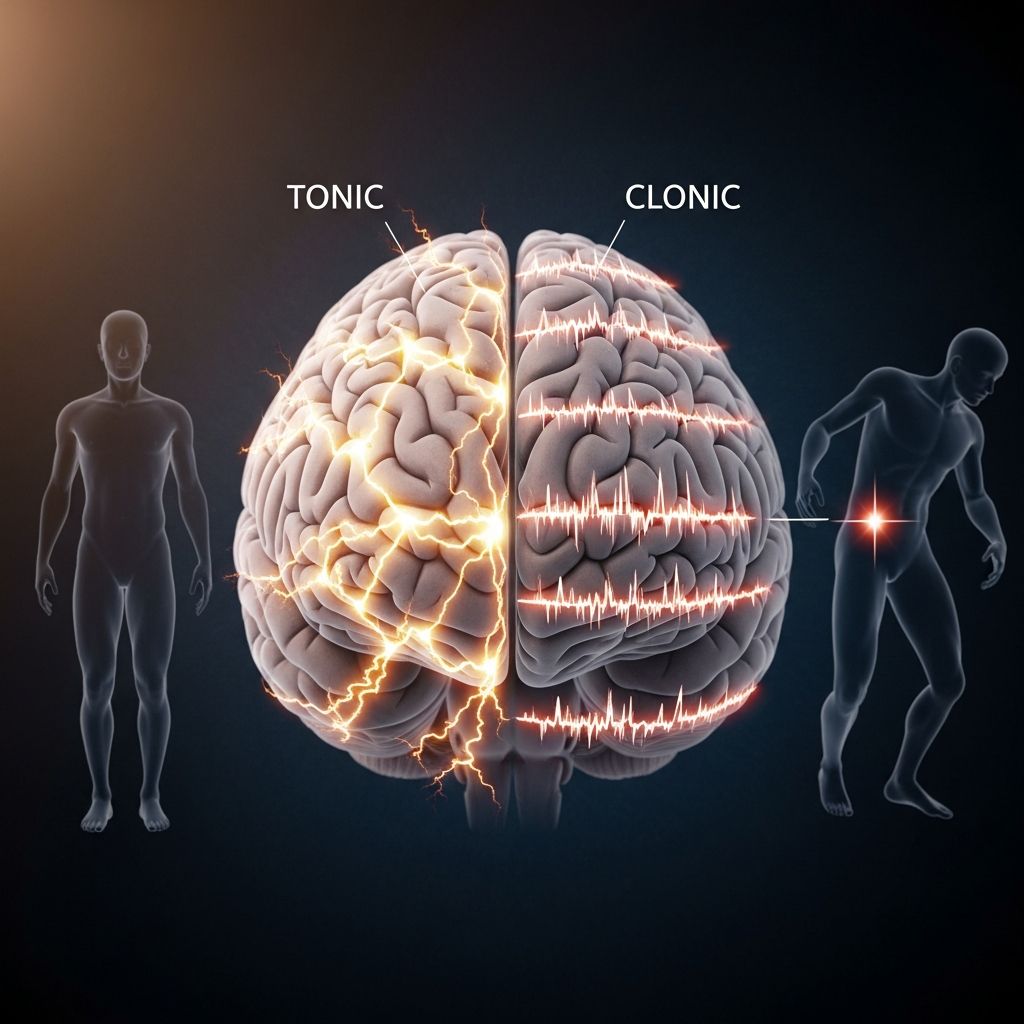
Tonic-clonic seizures, formerly known as grand mal seizures, represent one of the most recognizable types of seizure disorders. These seizures are characterized by a distinctive two-phase pattern: an initial tonic phase involving muscle stiffness, followed by a clonic phase with rhythmic jerking movements. During a tonic-clonic seizure, individuals typically experience a complete loss of consciousness, making these events particularly concerning for patients and their families.
These seizures occur due to abnormal electrical activity that spreads across the brain. The sudden surge of electrical impulses causes the characteristic muscle contractions and loss of awareness. Understanding the nature of tonic-clonic seizures is essential for proper management, emergency response, and long-term seizure control.
The Two Phases of Tonic-Clonic Seizures
The Tonic Phase
The tonic phase marks the beginning of a tonic-clonic seizure and typically lasts between 10 to 20 seconds. During this phase, the muscles throughout the body suddenly become rigid and stiff. Individuals often emit a sound—such as a groan or cry—as air is forced from the lungs due to muscle contraction. This vocalization is involuntary and does not indicate pain or distress. The muscle stiffness is so pronounced that the person typically falls to the ground, and consciousness is lost immediately or very quickly. Some individuals may experience cyanosis, a bluish discoloration of the skin caused by reduced oxygen in the blood during this phase.
The Clonic Phase
Following the tonic phase, the seizure transitions into the clonic phase, which usually lasts between 1 to 2 minutes or less. During this phase, the rigid muscles begin to contract and relax rhythmically and alternately. The arms and legs typically jerk in a coordinated pattern, though the jerking may appear violent and uncontrolled. This rhythmic jerking gradually slows and eventually stops as the seizure concludes. The frequency and intensity of these jerking movements typically decrease over the course of the clonic phase, eventually leading to the postictal period.
Associated Symptoms and Postictal Effects
Beyond the two primary phases, tonic-clonic seizures often involve additional symptoms that can occur during or after the event:
During the seizure: Loss of bowel and bladder control may occur as the muscles relax involuntarily. Breathing may become shallow or temporarily interrupted due to the muscle rigidity and spasms. Some individuals may bite their tongue or cheek, potentially causing minor injuries.
After the seizure: The postictal period refers to the recovery time following seizure activity. During this time, individuals typically experience postictal confusion, appearing disoriented and unable to fully comprehend their surroundings. Memory of the seizure itself is usually absent, as consciousness was lost during the event. Fatigue and sleepiness are extremely common, and individuals may sleep for minutes to hours following a seizure. Many people experience significant headaches after tonic-clonic seizures, and some may have temporary muscle soreness. It may take several minutes to hours for full consciousness and orientation to return.
Related Stories



Causes and Risk Factors
Primary Causes
Tonic-clonic seizures are most commonly associated with epilepsy, a neurological condition characterized by a tendency toward recurrent, unprovoked seizures. In many cases, epilepsy has a genetic basis, meaning it runs in families. Genetic mutations can predispose individuals to abnormal brain electrical activity that leads to seizures.
However, tonic-clonic seizures are not exclusively caused by epilepsy. Acute symptomatic seizures can occur secondary to various medical conditions and injuries, including ischemic or hemorrhagic strokes, traumatic brain injury, infections such as meningitis or encephalitis, and severe metabolic disturbances. These acute seizures may not recur if the underlying cause is treated.
Structural and Developmental Factors
Abnormalities in brain structure can predispose individuals to tonic-clonic seizures. These include improperly formed blood vessels in the brain, brain tumors, areas of scar tissue from previous injury, and congenital brain malformations. Conditions affecting brain development can also increase seizure risk.
Metabolic and Chemical Factors
Severe imbalances in blood chemistry can trigger tonic-clonic seizures. These include critically low glucose levels (hypoglycemia), abnormal sodium, calcium, or magnesium levels, and severe dehydration. Substance abuse, including illicit drug use and excessive alcohol consumption, increases seizure risk. Additionally, withdrawal from alcohol or certain medications can provoke seizure activity.
Environmental and Physiological Triggers
For individuals with epilepsy, specific triggers may precipitate seizures, including sleep deprivation, hormonal changes related to the menstrual cycle in females, psychological stress, fever, intense emotions, strenuous physical exercise, photosensitivity (flashing lights), and loud noises. Identifying and avoiding personal triggers is an important part of seizure management.
Risk Factors for Developing Tonic-Clonic Seizures
Several factors increase the likelihood of experiencing tonic-clonic seizures:
A family history of seizure disorders significantly increases personal risk, reflecting the genetic component of many seizure conditions. Brain injuries from trauma, falls, motor vehicle accidents, or assaults can lead to immediate or delayed seizure onset. Previous strokes increase seizure risk substantially. Infections of the brain or surrounding tissues, particularly if they cause inflammation or scarring, predispose individuals to seizures. Sleep deprivation is a well-established risk factor, as adequate sleep helps regulate normal brain electrical activity. Medical conditions affecting mineral and electrolyte balance create an environment conducive to abnormal electrical activity. Chronic illnesses, such as heart disease or uncontrolled diabetes, can increase seizure risk through various physiological mechanisms.
Diagnosis of Tonic-Clonic Seizures
Accurate diagnosis requires a comprehensive approach combining patient history, witness accounts, and diagnostic testing. Healthcare providers will conduct a detailed history, asking about the circumstances surrounding the seizure, any warning signs or auras experienced beforehand, the sequence of events during the seizure, and the recovery period. Witness testimony is invaluable, as the individual experiencing the seizure typically has no memory of the event.
Electroencephalography (EEG) is the primary diagnostic tool, recording electrical activity in the brain to identify abnormal patterns characteristic of seizure disorders. During a seizure, specific EEG abnormalities are typically evident. Brain imaging studies, including magnetic resonance imaging (MRI) or computed tomography (CT) scans, help identify structural abnormalities that might be causing seizures. Blood tests assess metabolic factors, checking glucose, electrolytes, and other chemical levels that could trigger seizures. A neurological examination evaluates nervous system function and helps determine the seizure type.
Treatment Approaches
Immediate Management During a Seizure
When someone experiences a tonic-clonic seizure, proper emergency response is critical. The person should be placed in the recovery position—lying on their side—to prevent aspiration of saliva or vomit and maintain an open airway. Hard objects should be cleared from the area to prevent injury. Contrary to common misconceptions, nothing should be placed in the mouth, as this can cause dental damage or airway obstruction. Most tonic-clonic seizures resolve spontaneously within 1 to 2 minutes without intervention. However, if a seizure lasts longer than five minutes or if multiple seizures occur in succession without full recovery between events, emergency medical attention is immediately necessary. This condition, called status epilepticus, is a medical emergency requiring rapid treatment to prevent brain damage or death.
Long-Term Medication Management
The primary treatment for recurrent tonic-clonic seizures involves daily antiseizure medications (also called antiepileptic drugs or AEDs). First-line medications commonly prescribed include valproic acid, lamotrigine, and topiramate. These medications work by stabilizing neuronal membranes or enhancing inhibitory neurotransmission, reducing the likelihood of seizure occurrence. Finding the right medication often requires trial and adjustment, as different individuals respond variably to different drugs. Dosages must be carefully titrated to achieve therapeutic plasma levels that effectively prevent seizures while minimizing side effects.
Common side effects of antiseizure medications vary by drug class. Valproic acid carries risks of liver damage, birth defects if used during pregnancy, and pancreatitis. Lamotrigine may cause skin rashes, and topiramate can cause cognitive effects, vision problems including myopia and glaucoma, kidney stones, and metabolic acidosis. Regular blood tests monitor medication levels and assess organ function, particularly liver and kidney health. Compliance with daily medication is essential for seizure control, though some individuals may need additional medications to achieve complete seizure freedom.
Rescue Medications
In addition to daily medications, rescue or emergency medications are prescribed for individuals experiencing breakthrough seizures or clusters of seizures. Benzodiazepines are the preferred first-line rescue medications and can be administered intravenously, intramuscularly, intranasally, or rectally depending on the formulation and clinical situation. Common benzodiazepines used include lorazepam, diazepam, and midazolam. These medications work rapidly to stop ongoing seizure activity and prevent status epilepticus. Patients and caregivers receive specific instructions about when to administer rescue medication, proper administration technique, and when to call emergency services.
Surgical Options
For individuals whose seizures are not adequately controlled by medications—referred to as drug-resistant epilepsy—surgical intervention may be considered. Epilepsy surgery aims to remove or isolate the brain region responsible for seizure generation. Detailed preoperative evaluation using advanced imaging and EEG monitoring helps identify the seizure focus. Success rates vary depending on the location and nature of the epileptogenic zone, but many individuals experience significant seizure reduction or complete cessation following surgery.
Lifestyle Modifications and Dietary Approaches
Beyond medication and surgery, lifestyle changes play an important role in seizure management. Maintaining consistent sleep schedules, avoiding excessive alcohol and recreational drugs, managing stress through relaxation techniques, and maintaining overall good health supports seizure control. For some individuals, particularly children with difficult-to-treat epilepsy, specialized diets such as the ketogenic diet or modified Atkins diet may be recommended. These high-fat, low-carbohydrate diets have shown effectiveness in reducing seizure frequency, though the mechanisms are not fully understood. Regular exercise, appropriate nutrition, and avoiding known personal triggers contribute significantly to seizure management.
Complications and Long-Term Effects
While individual seizures may resolve without lasting damage, recurrent tonic-clonic seizures carry significant long-term health risks. Repeated seizures are associated with increased rates of psychiatric disorders including depression and anxiety. Cognitive impairment, including memory problems and difficulty concentrating, can develop with frequent seizure activity. Sleep disturbances are common and further complicate overall health. Cardiovascular complications, including arrhythmias and increased blood pressure during seizures, pose long-term risks. Bone health may deteriorate due to medication effects and reduced physical activity. Physical injuries during seizures can result in fractures, head trauma, and other trauma-related complications.
One of the most serious complications is Sudden Unexpected Nocturnal Death in Epilepsy (SUDEP), an unexplained death occurring in individuals with epilepsy, often during sleep. Frequent generalized tonic-clonic seizures represent the strongest risk factor for SUDEP. While the exact mechanisms remain unclear, proposed factors include cardiac arrhythmias induced by seizure activity, seizure-induced respiratory depression, and neurogenic cardiorespiratory collapse. Taking prescribed medications consistently, working closely with healthcare providers, and maintaining overall good health may help reduce SUDEP risk.
When to Seek Emergency Care
Immediate emergency services should be contacted if a seizure lasts longer than five minutes, if seizures occur in rapid succession without full recovery between events, if the person does not regain consciousness after the seizure ends, if this is the first seizure the person has experienced, or if injury occurs during the seizure. Additionally, anyone with known seizures who experiences seizures that differ in pattern from their usual events should seek medical evaluation.
Living with Tonic-Clonic Seizures
Successfully managing tonic-clonic seizures requires a partnership between patients, families, and healthcare providers. Regular follow-up appointments ensure medications remain effective and appropriate. Clear communication about seizure patterns, medication side effects, and lifestyle challenges helps optimize treatment. Education about seizure safety, trigger avoidance, and emergency response prepares individuals and families to manage this condition effectively. With appropriate treatment and management strategies, many individuals with tonic-clonic seizures achieve excellent seizure control and lead full, productive lives.
Frequently Asked Questions
Q: What is the difference between tonic-clonic seizures and other seizure types?
Tonic-clonic seizures are generalized seizures involving both sides of the brain and always cause loss of consciousness, whereas focal seizures begin in one brain region and may or may not involve loss of awareness. Tonic-clonic seizures have the distinctive two-phase pattern with stiffness followed by jerking, while absence seizures involve brief lapses in awareness without muscle jerking.
Q: Can tonic-clonic seizures be cured?
Many individuals achieve complete seizure control with appropriate medication, and approximately 70 percent of people with epilepsy respond well to antiseizure drugs. For drug-resistant cases, surgery may provide seizure freedom. However, the seizure tendency typically persists, and medication or other management often continues long-term.
Q: Are tonic-clonic seizures always epilepsy?
No. While tonic-clonic seizures are commonly associated with epilepsy, they can also result from acute medical conditions, metabolic disturbances, infections, or brain injuries. True epilepsy is diagnosed when unprovoked seizures recur without an immediate cause.
Q: What should I do if I witness someone having a tonic-clonic seizure?
Ensure the person’s safety by clearing the area of hazards, position them on their side, stay with them, and do not restrain them or place objects in their mouth. Time the seizure. Call emergency services if the seizure lasts longer than five minutes, if multiple seizures occur, or if this is the person’s first seizure.
Q: Can stress or lack of sleep trigger seizures?
Yes, for many individuals with epilepsy, psychological stress and sleep deprivation are well-established seizure triggers. Maintaining regular sleep schedules, stress management techniques, and relaxation practices can help reduce seizure frequency.
Q: How often should someone with tonic-clonic seizures see a neurologist?
Regular follow-up is essential for optimal management. Initially, frequent visits help establish proper medication and dosing. Once seizures are well-controlled, many individuals benefit from annual or semi-annual evaluations. Those with difficult-to-control seizures may require more frequent monitoring.
References
- Tonic-Clonic (Grand Mal) Seizure: Symptoms & Treatment — Cleveland Clinic. 2024. https://my.clevelandclinic.org/health/diseases/22788-tonic-clonic-grand-mal-seizure
- Generalized Tonic-Clonic Seizure – StatPearls — National Center for Biotechnology Information (NCBI). 2024. https://www.ncbi.nlm.nih.gov/books/NBK554496/
- Tonic-Clonic (Grand Mal) Seizure: Symptoms and Causes — Mayo Clinic. 2024. https://www.mayoclinic.org/diseases-conditions/grand-mal-seizure/symptoms-causes/syc-20363458
- Tonic-Clonic Seizures — Epilepsy Foundation. 2024. https://www.epilepsy.com/what-is-epilepsy/seizure-types/tonic-clonic-seizures
- Generalized Tonic-Clonic Seizures — Nemours KidsHealth. 2024. https://kidshealth.org/en/parents/tonic-clonic-seizures.html
Similar Articles








Read full bio of Sneha Tete