Tonsil Cancer Symptoms: Signs, Causes & Treatment
Learn the key symptoms of tonsil cancer, risk factors, and treatment options to catch this disease early.
Understanding Tonsil Cancer: Symptoms and Signs
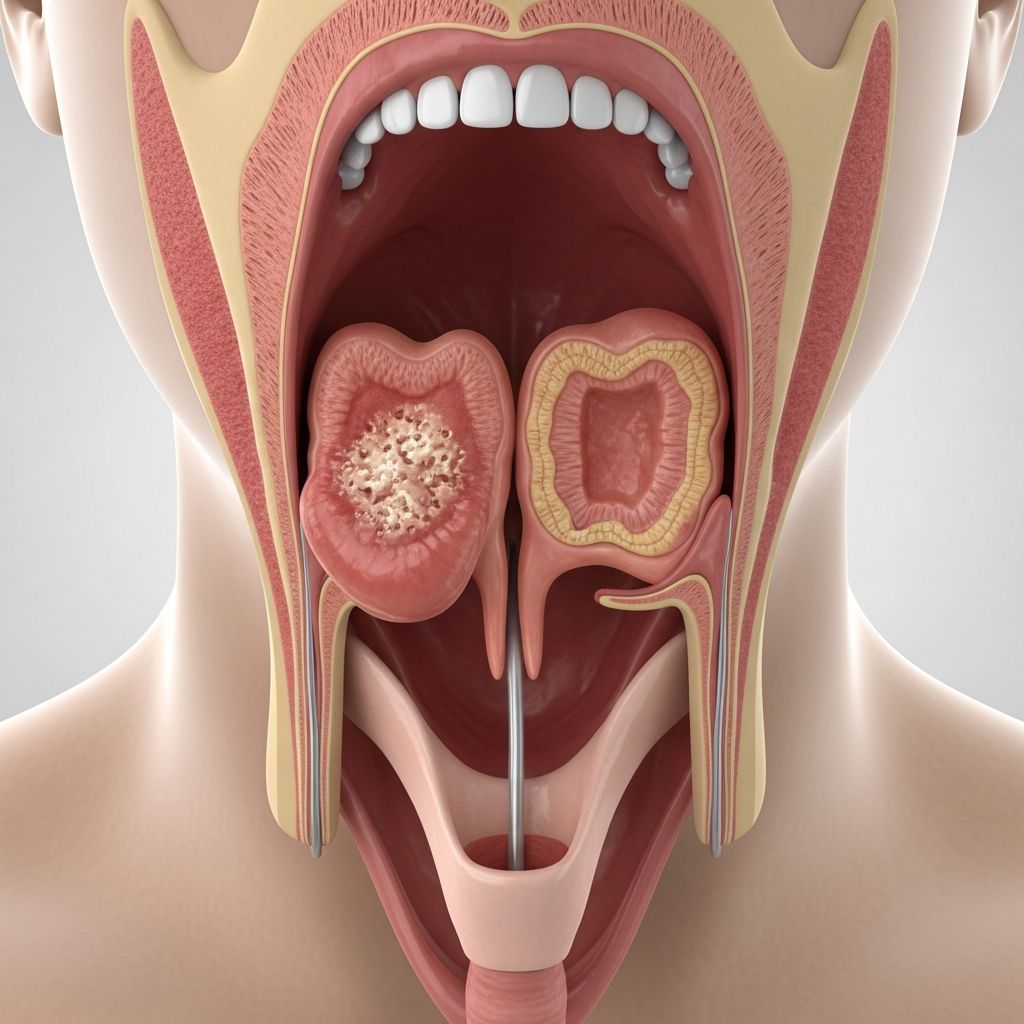
Tonsil cancer is a type of oropharyngeal cancer that develops in the tonsils, which are two oval-shaped pads located at the back of the mouth that play an important role in the body’s immune system. This form of throat cancer has become increasingly common, particularly in younger individuals, due to its association with human papillomavirus (HPV) infection. Understanding the symptoms and early warning signs of tonsil cancer is crucial for early detection and successful treatment outcomes.
Common Symptoms of Tonsil Cancer
Recognizing the symptoms of tonsil cancer is essential for prompt diagnosis. The most frequently reported symptoms include:
- Persistent sore throat that doesn’t resolve within a few days
- Difficulty swallowing (dysphagia), which may feel painful or uncomfortable
- A sensation that something is caught in the back of the throat
- One tonsil larger than the other, indicating asymmetrical swelling
- Swelling and pain in the neck, often from enlarged lymph nodes
- Earache or ear pain without an obvious infection
- Jaw stiffness or limited jaw movement
- A painless lump in the neck, which may be the first noticeable sign in some cases
Why Early Detection Matters
Tonsil cancer is often diagnosed late in its progression, meaning that by the time symptoms are detected, the cancer may have already spread to nearby lymph nodes in the neck and other areas of the body. This is why understanding these warning signs and seeking medical attention promptly is critical. The earlier tonsil cancer is detected, the better the prognosis and the more treatment options are available. Healthcare providers can often successfully treat tonsil cancer if they detect it before it spreads to other parts of the body.
What Are the Tonsils?
The tonsils are two oval-shaped pads located in the back of the mouth, positioned on either side of the throat. These lymphoid tissues serve as part of the body’s germ-fighting immune system, helping to defend against infections and pathogens. The tonsils contain specialized immune cells that work to prevent bacteria and viruses from entering the respiratory and digestive systems. When the tonsils become infected or inflamed, it results in a condition called tonsillitis, which is typically caused by viral or bacterial infections. However, tonsil cancer develops when the cells within the tonsils undergo malignant changes and begin to grow uncontrollably.
Tonsil Cancer vs. Tonsillitis: Key Differences
It’s important to distinguish between tonsil cancer and tonsillitis, as they present with similar initial symptoms but require very different treatment approaches. Tonsillitis is usually caused by viral or bacterial infections and typically develops suddenly. Tonsillitis symptoms include a sudden sore throat, swollen and red tonsils, and white spots on the tonsils. In contrast, tonsil cancer symptoms develop gradually and persist over a longer period. A key distinguishing feature is that tonsil cancer symptoms typically last for more than a few days and continue to worsen, whereas tonsillitis usually improves with rest and treatment within one to two weeks.
Related Stories



Risk Factors for Tonsil Cancer
Several factors can increase the risk of developing tonsil cancer. Understanding these risk factors can help individuals take preventive measures:
Human Papillomavirus (HPV) Infection
Human papillomavirus, commonly referred to as HPV, is one of the most significant risk factors for tonsil cancer. HPV is a common virus transmitted through sexual contact. For most people, HPV infection resolves on its own without causing any problems. However, in some individuals, HPV causes cellular changes that may eventually lead to cancer, including tonsil cancer. Tonsil cancer caused by HPV tends to occur at a younger age compared to cancers caused by tobacco and alcohol use, and these HPV-positive cancers are often more responsive to available treatments.
Tobacco Use
All forms of tobacco significantly increase the risk of tonsil cancer. This includes cigarettes, cigars, pipes, chewing tobacco, and snuff. The carcinogenic chemicals in tobacco can damage the DNA of tonsil cells over time, leading to malignant changes.
Alcohol Consumption
Frequent and heavy drinking increases the risk of tonsil cancer. When alcohol and tobacco are used together, the risk increases even further, as these substances can have a synergistic harmful effect on the cells lining the throat.
Age and Demographics
Traditionally, tonsil cancer was more common in older individuals with a history of tobacco and alcohol use. However, due to the increasing prevalence of HPV-related tonsil cancer, this disease now affects younger individuals as well, introducing a new demographic of patients with different risk profiles.
Understanding the Causes of Tonsil Cancer
Tonsil cancer develops when cells in the tonsils undergo changes in their DNA (deoxyribonucleic acid). DNA contains the instructions that tell cells how to function, grow, multiply, and die at appropriate times. In healthy cells, DNA provides instructions for controlled growth and multiplication at a set rate, with cells dying when they should. In cancer cells, DNA mutations give different instructions, telling cancer cells to multiply rapidly and continue living when they should die. This causes an accumulation of too many cells, which can form a mass called a tumor. Over time, this tumor can grow and invade healthy body tissue, and cancer cells may break away and spread to other parts of the body, a process known as metastasis.
When to See a Doctor
It’s important to make an appointment with a doctor, dentist, or other healthcare professional if you experience any symptoms that concern you. Pay particular attention if you have:
- A sore throat lasting longer than two to three weeks
- One tonsil noticeably larger than the other
- A lump or swelling in the neck that doesn’t go away
- Difficulty swallowing that persists
- Unexplained earache
- Jaw stiffness or limited mouth opening
- Any combination of throat symptoms lasting more than a few days
Diagnosis of Tonsil Cancer
If you experience persistent symptoms suggestive of tonsil cancer, your healthcare provider will perform a thorough evaluation. This typically includes a physical examination focusing on the throat and tonsils, during which the provider will look for abnormalities such as sores or unusual growths. A throat culture may be performed to rule out infections as a possible cause. If cancer is suspected, a biopsy may be taken, in which a small sample of tissue is removed and examined under a microscope for cancerous cells. If biopsy results show signs of tonsil cancer, your oncologist will likely order imaging tests to determine the extent of the cancer and whether it has spread to other areas of the body. These imaging tests may include CT scans, MRI scans, or PET scans.
Cancer Staging
Once tonsil cancer is diagnosed, healthcare providers will determine the cancer stage based on factors such as tumor location, size, whether cancerous cells are present in nearby lymph nodes, and whether the tumor is spreading to other parts of the body. Early-stage tonsil cancer is confined to the tonsils, while advanced or late-stage tonsil cancer involves lymph nodes and other areas of the body. Proper staging is essential for developing an appropriate treatment plan.
Treatment Options for Tonsil Cancer
The treatment approach for tonsil cancer depends on the size and location of the tumor, whether it has spread to other parts of the body, and the overall health of the patient. Possible treatments include:
Surgery
Surgical options may include transoral robotic surgery (TORS), which uses robotic assistance to remove the tumor through the mouth, or lymphadenectomy, which involves removing lymph nodes in the neck. These surgical approaches have different side effects and recovery periods.
Radiation Therapy
Radiation therapy uses high-energy rays to target and destroy cancer cells. It may be used alone or in combination with other treatments.
Chemotherapy
Chemotherapy drugs may be recommended when surgery or radiation therapy isn’t an option for tonsil cancer. Chemotherapy can slow down cancer growth and ease symptoms.
Survival Rates and Prognosis
The prognosis for tonsil cancer varies based on several factors, including whether the cancer is HPV-positive or HPV-negative and whether the tumor is spreading. Overall, 85% of people with tonsil cancer and HPV were alive five years after their diagnosis, indicating that many patients respond well to treatment, particularly those with HPV-related cancers.
Prevention and Risk Reduction
While you may not be able to completely prevent tonsil cancer, you can reduce your risk through several precautions:
- Avoid tobacco products in all forms, including cigarettes, cigars, pipes, and chewing tobacco
- Limit alcohol consumption to moderate levels or abstain entirely
- Consider the HPV vaccine, which can help prevent infection with human papillomavirus and may reduce the risk of HPV-related cancers
- Practice safe sexual habits to reduce the risk of HPV transmission
- Maintain regular healthcare appointments and report any persistent symptoms promptly
Managing Tonsil Cancer Symptoms and Treatment
If you’ve been diagnosed with tonsil cancer, managing symptoms and side effects during treatment is important. Some suggestions include:
- Eat soft, cool foods that are easy to swallow
- Stay hydrated by drinking plenty of water and other fluids
- Use pain management strategies as recommended by your healthcare provider
- Attend all follow-up appointments to monitor your progress
- Report any new or worsening symptoms to your healthcare team immediately
Frequently Asked Questions
Q: What is the most common symptom of tonsil cancer?
A: The most common symptom of tonsil cancer is a persistent sore throat that doesn’t go away, often lasting longer than a few days. Another common symptom is when one tonsil is noticeably swollen and larger than the other tonsil.
Q: Is tonsil cancer hereditary?
A: Tonsil cancer is not typically hereditary. However, certain risk factors such as HPV infection, tobacco use, and heavy alcohol consumption can increase your risk of developing the disease.
Q: How is tonsil cancer different from regular tonsillitis?
A: Tonsillitis is usually caused by viral or bacterial infections and develops suddenly with symptoms that typically improve within one to two weeks. Tonsil cancer develops gradually with symptoms that persist beyond a few days and continue to worsen over time.
Q: Can the HPV vaccine prevent tonsil cancer?
A: The HPV vaccine can help prevent infection with human papillomavirus and may reduce the risk of developing HPV-related cancers, including tonsil cancer. It’s recommended to discuss with your healthcare professional whether the HPV vaccine is appropriate for you.
Q: What should I do if I notice symptoms of tonsil cancer?
A: If you notice symptoms such as a persistent sore throat, difficulty swallowing, or a lump in your neck lasting more than a few days, schedule an appointment with your doctor, dentist, or healthcare professional promptly. Early detection significantly improves treatment outcomes.
Q: What is the survival rate for tonsil cancer?
A: Overall, 85% of people with tonsil cancer and HPV were alive five years after their diagnosis. Survival rates may vary based on factors such as whether the cancer is HPV-positive or HPV-negative and the stage at diagnosis.
References
- Tonsil Cancer: Symptoms and Causes — Mayo Clinic. 2024-11-27. https://www.mayoclinic.org/diseases-conditions/tonsil-cancer/symptoms-causes/syc-20367939
- Tonsil Cancer: Symptoms, Signs & Causes — Cleveland Clinic. https://my.clevelandclinic.org/health/diseases/21931-tonsil-cancer
- Oropharyngeal Cancer: Tonsil Cancer Overview — UC Health. https://www.uchealth.com/en/conditions/oropharyngeal-cancer
- Tonsil Cancer Information and Resources — Augusta Health. https://www.augustahealth.com/disease/tonsil-cancer/
- 12 Things to Know About Tonsil Cancer — MD Anderson Cancer Center. https://www.mdanderson.org/cancerwise/q-a–what-you-should.h00-158512467.html
Similar Articles








Read full bio of medha deb