Tonsil Stones: Symptoms, Causes, and Treatment
Complete guide to understanding tonsil stones, recognizing symptoms, and finding effective relief.
What Are Tonsil Stones?
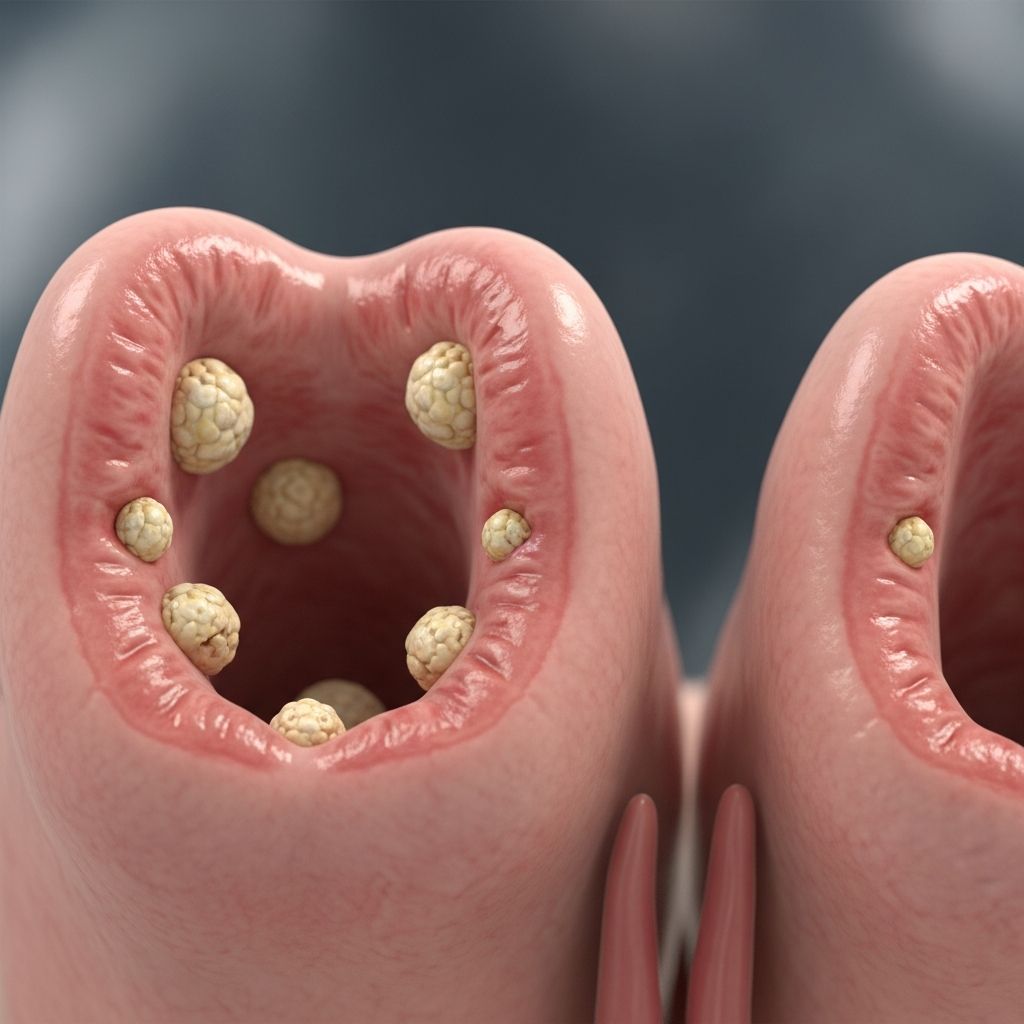
Tonsil stones, medically known as tonsilloliths, are small, hard lumps that form in the tiny pockets (called crypts) located on your tonsils. These formations are typically white, yellow, or pale gray in color and are usually about the size of a piece of gravel, though they can vary significantly in size. Understanding what tonsil stones are is the first step in recognizing and managing this common condition effectively.
The composition of tonsil stones includes calcium salts derived from saliva, along with dead cells, food debris, mucus, and bacteria. These components accumulate in the tonsillar crypts over time, eventually hardening into solid formations. It’s important to note that tonsil stones are not the same as tonsillitis—tonsillitis is an infection or inflammation of the tonsils themselves, whereas tonsil stones are solid lumps that form in the pockets of the tonsils.
Symptoms of Tonsil Stones
Many people with small tonsil stones experience no symptoms at all and may not even realize they have them. However, larger tonsil stones can produce a variety of uncomfortable symptoms. Understanding these symptoms can help you determine whether you should seek medical attention.
Common Symptoms Include:
- Bad Breath (Halitosis): One of the most common symptoms is persistent bad breath. This occurs because the bacteria and debris trapped in tonsil stones release volatile sulfur compounds that create an unpleasant odor. This bad breath often has a distinctive foul, sulfur-like quality.
- Difficulty Swallowing: Larger tonsil stones can obstruct the throat, making it difficult or uncomfortable to swallow. This symptom can be particularly bothersome when eating solid foods.
- Earache: Tonsil stones can sometimes cause ear pain, as the throat and ear are connected through various nerve pathways and structures.
- Sore Throat and Hoarseness: Many people experience throat irritation, soreness, or a hoarse voice when tonsil stones are present.
- Feeling of Something Stuck: A sensation that something is lodged in the back of your throat is a classic symptom of tonsil stones.
- Visible White or Yellow Stones: You may be able to see small white or yellow lumps in your tonsils, especially when looking in a mirror with good lighting.
- Ongoing Cough: The bacteria in tonsil stones can trigger a persistent, unexplained cough.
- Swollen Tonsils: While tonsil swelling can occur due to other causes, tonsil stones may also be associated with enlarged tonsils.
- Throat Infections: In some cases, tonsil stones may be linked to throat infections that are difficult to treat with antibiotics.
What Causes Tonsil Stones?
Tonsil stones develop through a straightforward process: bits of food, dead cells, and bacteria accumulate in the small pockets (crypts) of your tonsils. Over time, this debris hardens into solid formations. However, not everyone develops tonsil stones, which suggests that certain risk factors make some people more susceptible.
Risk Factors for Tonsil Stone Development:
- Poor Oral Hygiene: People who don’t maintain proper oral hygiene habits are more likely to develop tonsil stones.
- Frequent Tonsil Infections: Having a history of recurrent tonsil infections increases your risk of developing tonsil stones.
- Deep or Numerous Tonsillar Crypts: If you naturally have deeper pockets or more pronounced folds in your tonsils, you’re more susceptible to stone formation. The unique anatomy of the tonsils, with their crypts and folds, provides an ideal environment for debris to accumulate and harden.
- Smoking: Tobacco use is a documented risk factor for tonsil stone development.
- Large Tonsils: People with naturally large tonsils may be at higher risk, particularly if they have extensive crypts.
Complications of Tonsil Stones
While tonsil stones are usually harmless, especially when small, they can sometimes lead to complications that warrant professional attention. Understanding potential complications can help you know when to seek medical care.
Potential Complications:
- Chronic Bad Breath: The bacteria within tonsil stones produce sulfur compounds that cause persistent bad breath resistant to regular oral hygiene.
- Tooth Decay: The proliferation of bacteria within the stones may contribute to tooth decay.
- Significant Swelling and Inflammation: Large tonsil stones can damage tonsillar tissue, leading to substantial swelling and inflammation.
- Infection: Tonsil stones may trigger or exacerbate throat infections.
- Chronic Cough: The bacteria in tonsil stones can cause a persistent cough.
- Repeated Sore Throats: Tonsil stones may trigger repeated throat infections and soreness.
- Earache: Bacteria in the stones can radiate to the ear, causing pain.
- Need for Surgery: In cases where tonsil stones are linked to recurrent tonsil infections, surgical removal of the tonsils may be necessary.
Related Stories



Distinguishing Tonsil Stones from Other Conditions
Because tonsil stones can produce symptoms similar to other throat conditions, it’s important to understand how they differ from other common disorders.
Tonsil Stones vs. Strep Throat
While both conditions can cause a sore throat, they are quite different. Strep throat is a bacterial infection caused by Streptococcus that typically produces fever, red sores on the roof of the mouth, swollen lymph nodes, and significant systemic symptoms. Tonsil stones, by contrast, may cause irritation or mild swelling but will not generally cause a fever or other major systemic symptoms. Additionally, tonsil stones produce a characteristic foul sulfur-like odor that is not typically present with strep throat.
Tonsil Stones vs. Tonsil Cancer
Tonsil cancer is a serious condition that can cause blood in the mouth, sores that won’t heal, trouble swallowing, and a sore throat. While tonsil stones may cause some of these symptoms, they are benign formations and are not cancerous. If you have concerns about cancer, especially symptoms that persist despite treatment, consult a healthcare professional.
Treatment Options for Tonsil Stones
Treatment approaches for tonsil stones vary depending on whether symptoms are present and how bothersome they are. Many cases can be managed with self-care measures, while others may require professional intervention.
Self-Care and Home Remedies:
- Good Oral Hygiene: Regular brushing and flossing help prevent debris accumulation in tonsil crypts.
- Saltwater Gargles: Gargling with warm saltwater can help loosen and remove small tonsil stones and reduce inflammation.
- Mouthrinse: Using an effective germ-killing mouthrinse may help manage symptoms and reduce bacteria.
- Coughing or Gentle Pressure: Some people can dislodge small stones by coughing forcefully or applying gentle pressure to the tonsil area.
When to Seek Professional Help:
You should see a doctor if tonsil stones lead to ongoing symptoms that don’t improve with self-care. Professional intervention may be needed in these situations:
- Persistent bad breath that doesn’t improve with good oral hygiene
- A sore throat or feeling of something stuck in your throat
- Difficulty swallowing or ear pain that doesn’t improve
- Large or visible tonsil stones
- Pain or irritation in your throat
A healthcare professional can physically remove large tonsil stones or recommend additional treatment options such as antibiotics if infection is present.
Prevention of Tonsil Stones
While you cannot always prevent tonsil stones, especially if you have naturally deep crypts, several measures can reduce your risk of developing them.
Prevention Strategies:
- Maintain excellent oral hygiene through regular brushing and flossing
- Avoid smoking and tobacco products
- Treat throat infections promptly to reduce recurrent infections
- Gargle regularly with saltwater to keep the throat clean
- Stay hydrated to help prevent debris accumulation
- Consider using a water flosser to clean between teeth and gums
Frequently Asked Questions About Tonsil Stones
Q: Are tonsil stones contagious?
A: No, tonsil stones are not contagious. They form due to the buildup of bacteria and debris in your own tonsil crevices and cannot be passed to other people.
Q: Can tonsil stones go away on their own?
A: Small tonsil stones may dislodge and go away on their own, particularly if you maintain good oral hygiene and gargle regularly with saltwater. However, larger stones may require professional removal.
Q: Is it safe to try to remove tonsil stones myself?
A: While some people successfully remove small stones with gentle techniques, attempting to remove larger stones yourself can cause injury to the tonsil tissue. If you have persistent tonsil stones, consult a healthcare professional.
Q: Do all people with tonsil stones have symptoms?
A: No, many people have small tonsil stones and don’t experience any symptoms. You may not even know you have them unless they are large enough to cause discomfort or visible enough to see.
Q: Can tonsil stones cause serious health problems?
A: While tonsil stones are generally harmless, they can occasionally cause complications such as persistent bad breath, difficulty swallowing, or recurrent infections. In rare cases where they lead to repeated infections, surgical removal of the tonsils may be necessary.
Q: What does the bad breath from tonsil stones smell like?
A: The bad breath associated with tonsil stones typically has a distinctive foul, sulfur-like odor. This smell is caused by volatile sulfur compounds released by the bacteria trapped in the stones.
Q: How can I tell if I have tonsil stones?
A: You may see small white or yellow spots on your tonsils when you look in a mirror with good lighting. You may also experience symptoms such as bad breath, sore throat, or difficulty swallowing. If you suspect you have tonsil stones, consult a healthcare professional for confirmation.
Q: Can tonsil stones lead to tonsil removal surgery?
A: In most cases, tonsil stones do not require surgery. However, if tonsil stones are linked to frequent tonsil infections and other treatments haven’t been effective, your doctor may recommend surgical removal of the tonsils.
References
- Tonsil stones – symptoms, treatments and causes — Healthdirect Australia. 2024. https://www.healthdirect.gov.au/tonsil-stones
- Tonsil Stones Patient Information — American Academy of Family Physicians (AAFP). 2023. https://www.aafp.org/pubs/afp/issues/2023/0100/patient-information-tonsil-stones.html
- Tonsil Stones: Symptoms, Treatments, Prevention, Removal — Healthline Media. 2025. https://www.healthline.com/health/dental-and-oral-health/tonsil-stones
- Tonsil Stones: Causes, Symptoms, and Treatments — Listerine. 2025. https://www.listerine.com/bad-breath/tonsil-stones-causes-symptoms-treatments
- Tonsil stones usually harmless, but may require visit to ENT — UCLA Health. 2024. https://www.uclahealth.org/news/article/tonsil-stones-usually-harmless-may-require-visit-ent
Similar Articles








Read full bio of Sneha Tete