Tonsillectomy: Procedure Details and Recovery
Complete guide to tonsillectomy: why it's performed, what to expect, and recovery timeline.
What is a Tonsillectomy?
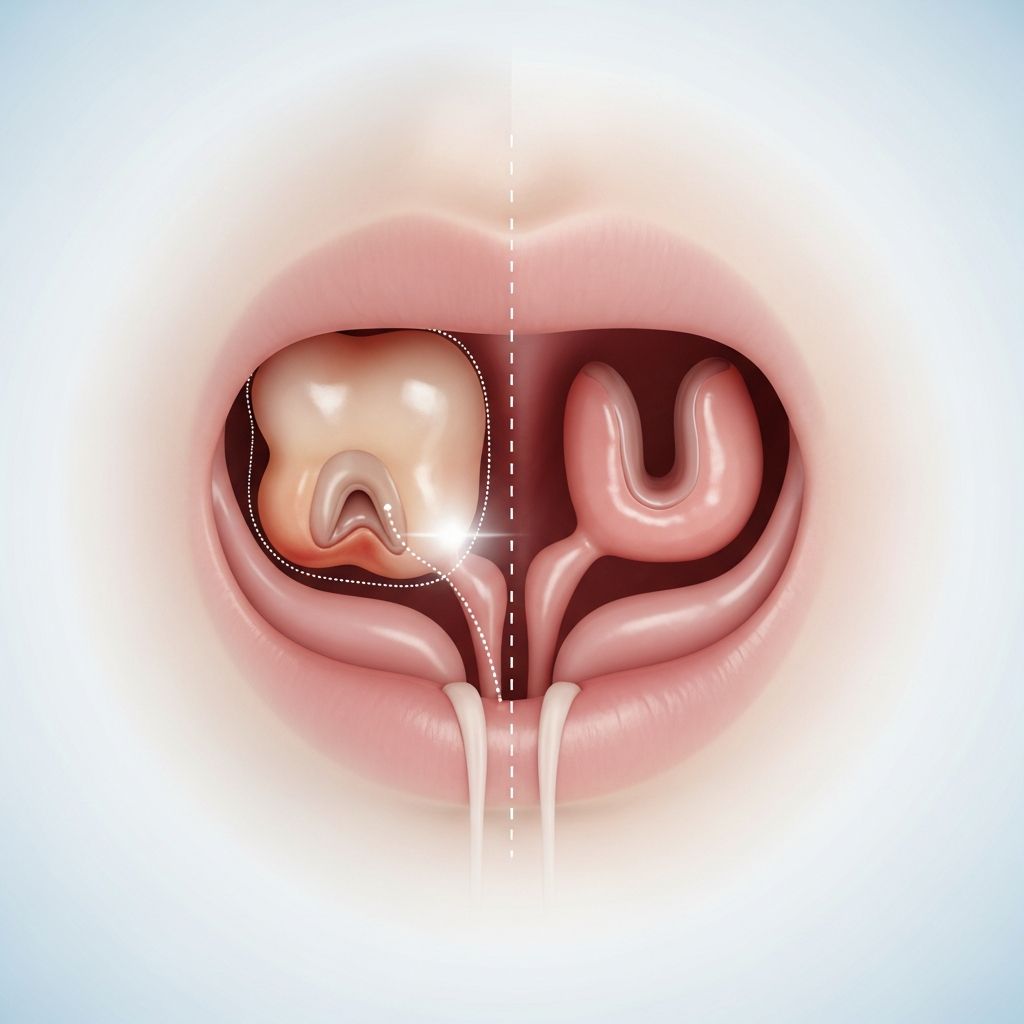
A tonsillectomy (pronounced “tahn-suh-LEK-tuh-me”) is the surgical removal of your tonsils, which are round, fleshy masses located in the back of your throat. Unless you’ve had them removed previously, you have two tonsils — one on each side of your throat. Your tonsils are part of your immune system and function similarly to lymph nodes. During a tonsillectomy, surgeons typically remove all portions of your tonsils, though some patients may only need a partial tonsillectomy depending on their specific condition.
While tonsillectomies are less common today than they were decades ago, surgeons in the United States still perform over 500,000 procedures annually. The procedure is straightforward, typically lasting 20 to 30 minutes, and can be performed on both children and adults who meet the medical criteria.
Why is a Tonsillectomy Performed?
Healthcare providers recommend tonsillectomy for two primary reasons: to treat sleep-related breathing issues and to address frequent infections. Understanding these indications can help you determine if the procedure might benefit your health.
Sleep-Related Breathing Disorders
Enlarged tonsils can obstruct the airway during sleep, leading to conditions such as sleep apnea and obstructive breathing patterns. These conditions can significantly impact sleep quality and overall health. When conservative treatments fail to resolve these breathing issues, a tonsillectomy may be recommended to restore normal airway function and improve sleep quality.
Chronic and Recurrent Infections
If you experience frequent sore throats, chronic tonsillitis, or recurrent throat infections, a tonsillectomy might provide lasting relief. When infections become chronic or significantly impact your quality of life despite antibiotic treatment, surgical removal of the tonsils can eliminate the source of infection and prevent future episodes.
Before Your Tonsillectomy Surgery
Proper preparation is essential for a successful surgical experience and smooth recovery. Your healthcare provider will guide you through specific preoperative instructions that you should follow closely.
Preoperative Evaluation
Before surgery, your healthcare provider will conduct a routine health check to ensure you’re healthy enough for the procedure. This may include:
- Physical examination of your throat and tonsils
- Blood tests to assess your overall health
- Bacterial culture tests if infection is suspected
- Imaging studies if necessary
- Review of your medical history and current medications
Preoperative Instructions
Your healthcare provider will provide detailed preoperative instructions that typically include fasting requirements, medication adjustments, and arrival times. It’s crucial to follow these guidelines precisely to ensure the procedure proceeds safely and smoothly.
The Tonsillectomy Procedure
Understanding what happens during your tonsillectomy can help reduce anxiety and prepare you for the experience.
Anesthesia and Comfort
Your healthcare provider will administer general anesthesia to keep you asleep and comfortable throughout the procedure. This means you won’t experience any pain or remember the surgery while it’s happening. Anesthesia also allows the surgical team to work efficiently without causing you discomfort.
Surgical Techniques
Surgeons use various methods to remove tonsils, and your surgeon will choose the most appropriate technique based on your specific situation:
- Electrocautery: Uses heat to remove tissue and cauterize blood vessels simultaneously
- Scalpel: A traditional sharp knife used to carefully remove tonsil tissue
- Laser technique: Uses laser heat to cut tissue and cauterize vessels, potentially reducing bleeding
- Vibration methods: Advanced techniques that use vibration technology for precise removal
Related Stories



Procedure Duration
In most cases, a tonsillectomy takes approximately 20 to 30 minutes to complete. However, depending on your specific anatomy and any complications, the procedure could take longer. Your surgical team will provide you with an estimated timeline before your surgery.
After Your Tonsillectomy
Immediate Recovery
After your tonsillectomy is complete, your medical team will transfer you to a recovery area where anesthesia wears off. During this time, your provider will:
- Monitor your vital signs, including blood pressure, heart rate, and blood oxygen levels
- Ensure you’re breathing comfortably without complications
- Watch for any immediate postoperative concerns
- Prepare you for discharge or overnight observation if necessary
Outpatient Status
Tonsillectomy is usually an outpatient procedure, meaning you can go home on the same day as surgery. You won’t need to spend the night in the hospital unless complications arise or your provider determines overnight observation is necessary. However, you’ll need someone to drive you home, as you shouldn’t operate a vehicle after anesthesia.
Tonsillectomy Recovery Timeline
Understanding the recovery process helps you prepare for what to expect after surgery. Recovery typically progresses as follows:
First Week
You’ll probably experience a very sore throat for approximately three days after surgery, with some discomfort potentially lasting up to two weeks. Your provider will prescribe pain medication to help manage discomfort. During this initial week, it’s important to:
- Take prescribed pain medication as directed
- Rest and avoid strenuous activities
- Stay home from work or school
- Limit talking if it causes discomfort
- Stay well-hydrated with soft foods and cool beverages
Two-Week Recovery Period
Complete healing typically occurs within 10 to 14 days, provided you follow postoperative care instructions carefully. A white coating over the surgical area is completely normal and represents a protective layer as the wound heals. This coating will fade gradually as healing progresses. Pain typically decreases significantly during the first week, and you’ll regain normal swallowing and sleeping abilities.
Return to Normal Activities
You’ll need to take it easy and avoid work or school for approximately 10 days. Heavy physical activity should be avoided during this recovery period. Most people can resume normal activities after two weeks, though you should follow your provider’s specific recommendations based on your individual recovery progress.
Benefits of Tonsillectomy
A tonsillectomy can offer numerous benefits that significantly improve your quality of life:
- Elimination of chronic throat infections and sore throats
- Improved sleep quality by restoring normal airway function
- Reduced snoring and sleep apnea symptoms
- Relief from recurrent strep throat infections
- Prevention of future complications from enlarged tonsils
- Improved overall health and wellbeing
- Better school or work attendance and performance
Risks and Complications
While complications are rare, it’s important to understand potential risks associated with any surgical procedure. Possible complications include:
- Bleeding: During or after surgery, though usually well-controlled
- Infection: Of the surgical wound, though uncommon
- Anesthesia reactions: Rare but possible adverse reactions to general anesthesia
- Throat pain: Prolonged discomfort lasting longer than expected
- Swallowing difficulties: Temporary challenges that typically resolve with time
- Voice changes: Rare and usually temporary alterations in voice quality
If you experience severe bleeding, difficulty breathing, persistent fever, or other concerning symptoms during recovery, contact your healthcare provider immediately.
Who Needs a Tonsillectomy?
While tonsillectomies are commonly performed on children, adults can also benefit from the procedure. Your healthcare provider may recommend a tonsillectomy if you have:
- Recurrent strep throat infections (typically 7 or more in one year)
- Chronic tonsillitis despite antibiotic treatment
- Sleep apnea or significant snoring caused by enlarged tonsils
- Breathing difficulties due to enlarged tonsils
- Recurrent middle ear infections related to tonsil enlargement
- Difficulty swallowing due to enlarged tonsils
Frequently Asked Questions
How long does a tonsillectomy take?
A typical tonsillectomy procedure takes approximately 20 to 30 minutes, though it may take longer in some cases depending on individual factors and the surgical technique used.
Is tonsillectomy an outpatient procedure?
Yes, in most cases tonsillectomy is an outpatient procedure, meaning you can go home the same day as surgery. However, your provider may recommend overnight observation if complications arise or if you have specific health conditions.
How long is recovery after tonsillectomy?
Complete recovery typically takes 10 to 14 days, with most people able to return to normal activities after two weeks. However, you should avoid strenuous activities and work or school for approximately 10 days initially.
Will I have pain after tonsillectomy?
Yes, you’ll likely experience throat soreness for about three days after surgery, with some discomfort potentially lasting up to two weeks. Your provider will prescribe pain medication to help manage this discomfort.
What should I eat after tonsillectomy?
Stick to soft, cool foods that are easy to swallow, such as ice cream, popsicles, yogurt, applesauce, and pudding. Avoid hard, spicy, or hot foods that could irritate your throat during recovery.
Can adults have a tonsillectomy?
Yes, adults can have a tonsillectomy if they have frequent infections, chronic tonsillitis, or breathing problems related to enlarged tonsils. The procedure is safe and effective for adults when medically indicated.
What is the white coating after tonsillectomy?
The white coating that appears after tonsillectomy is a normal protective layer over the wound as it heals. This coating will fade gradually as healing progresses and is not a sign of infection.
References
- Tonsillectomy: Procedure Details and Recovery — Cleveland Clinic. 2025. https://my.clevelandclinic.org/health/treatments/15605-tonsillectomy
- Tonsillectomy and Adenoidectomy for Children — University Hospitals. 2025. https://www.uhhospitals.org/health-information/health-and-wellness-library/article/tests-and-procedures-pediatric/tonsillectomy-and-adenoidectomy-in-children
- Tonsils: Anatomy, Definition & Function — Cleveland Clinic. 2025. https://my.clevelandclinic.org/health/body/23459-tonsils
- Tonsillitis: Symptoms, Causes & Treatment — Cleveland Clinic. 2025. https://my.clevelandclinic.org/health/diseases/21146-tonsillitis
- Tonsillectomy: The Complete 2025 Guide — Magrabi Health. 2025. https://www.magrabihealth.com/blog/tonsillectomy
Similar Articles








Read full bio of Sneha Tete