Tonsillectomy Surgery: Complete Guide to Procedure and Recovery
Understanding tonsil removal surgery, its indications, techniques, and what to expect during recovery.
Understanding the Basics of Tonsil Removal Surgery
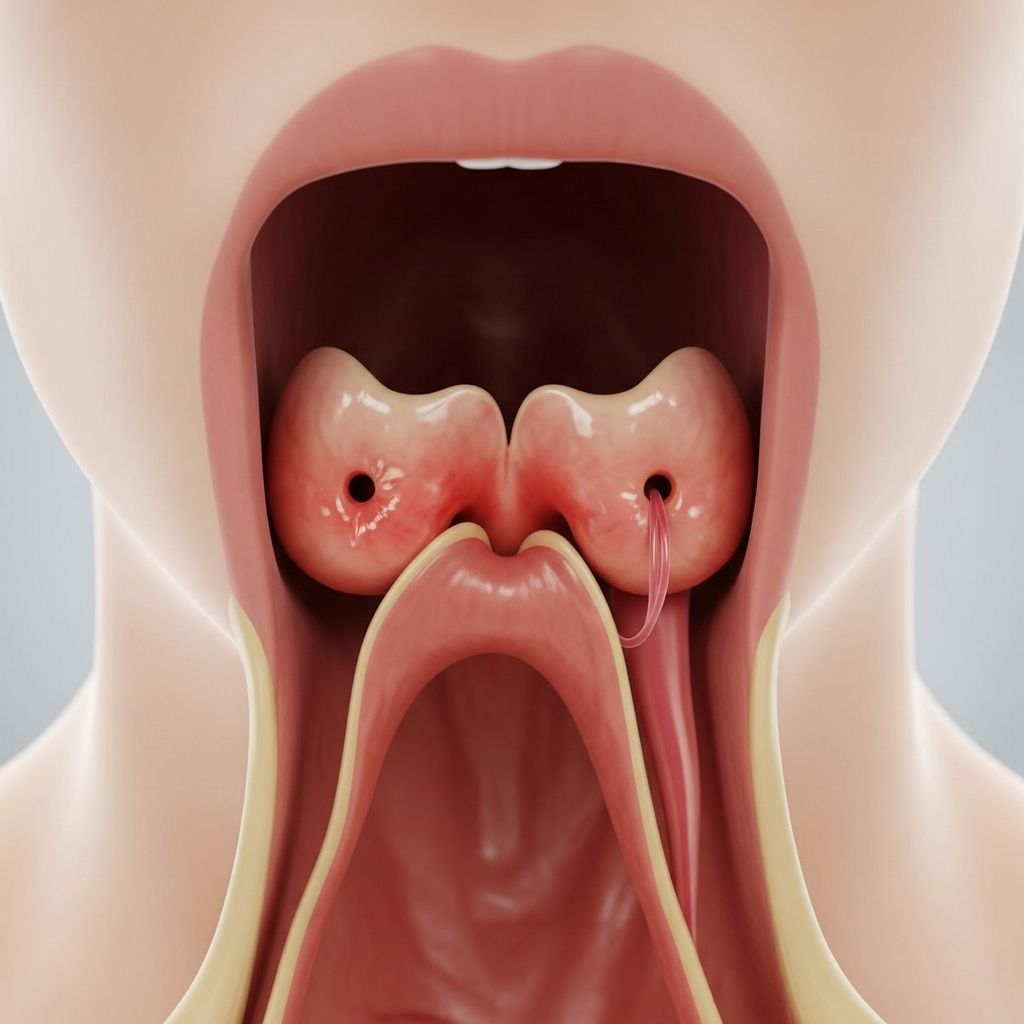
A tonsillectomy is a surgical procedure designed to remove the tonsils, which are lymphoid tissues located on both sides of the back of the throat. These fleshy masses play an important role in the immune system by helping to protect the body from infections. However, when tonsils become problematic—whether through chronic infection, obstruction of the airway, or other medical concerns—surgical removal becomes a viable treatment option.
The procedure remains one of the most commonly performed surgical interventions in children and young adults, though it is less frequently performed today than in previous decades. Medical advances have led to more conservative approaches to tonsillar disease, allowing for careful consideration of whether surgery is truly necessary in individual cases.
Medical Reasons for Tonsil Removal
Several clinical conditions warrant consideration of tonsillectomy. Understanding these indications helps patients and families make informed decisions about whether the procedure is appropriate for their situation.
Recurrent Throat Infections
One of the primary reasons for tonsillectomy is the treatment of recurrent tonsillitis, an infection of the tonsils that occurs repeatedly. Medical professionals typically consider tonsillectomy when a patient experiences frequent throat infections that significantly impact quality of life. Specific criteria help guide this decision, including infections that meet particular frequency thresholds over defined time periods.
Sleep-Related Breathing Difficulties
Enlarged tonsils can obstruct the airway during sleep, causing breathing disruptions that range from simple snoring to obstructive sleep apnea. This condition affects the quality of sleep and can lead to daytime fatigue, difficulty concentrating, and other secondary health concerns. Modern tonsillectomy practice increasingly focuses on addressing these breathing-related problems rather than infection alone.
Additional Clinical Indications
Beyond infection and breathing problems, tonsillectomy may be recommended for other conditions including:
- Significant asymmetry between the two tonsils, which may raise concern about underlying disease
- Suspected malignancy or other rare disease affecting the tonsils
- Bleeding complications arising from the tonsils
- Other structural problems caused by enlarged tonsils that affect normal function
Pre-Surgical Assessment and Preparation
Before proceeding with tonsillectomy, a comprehensive evaluation ensures the procedure is appropriate and helps optimize surgical outcomes. This process begins with detailed discussions between the patient or parents and the surgical team.
A thorough history gathering focuses on specific symptoms and patterns that may indicate tonsillar disease. The evaluation examines whether the patient experiences snoring, observed pauses in breathing during sleep, excessive daytime sleepiness or unusual activity levels, nighttime bed-wetting, concentration difficulties, and patterns of throat infections. Information about school absences and antibiotic usage provides additional context for decision-making.
Physical examination by the ear, nose, and throat specialist includes careful inspection of the oral cavity to assess the size of the tonsils and identify any signs of active infection. When indicated by clinical findings, additional imaging such as nasal endoscopy may help identify related problems with adenoid tissue.
Related Stories



Surgical Techniques and Approaches
Modern tonsillectomy can be performed using various surgical techniques, each with distinct advantages and considerations. The choice of method depends on individual patient factors and surgeon preference.
Traditional Complete Tonsillectomy
The traditional approach involves complete removal of both tonsils. Under general anesthesia, the surgeon carefully dissects the tonsil tissue from the underlying musculature in what is called the subcapsular plane. This technique maximizes the removal of lymphoid tissue, which reduces the risk of tissue regrowth and recurrent infection after surgery.
Intracapsular Technique
An alternative approach, called intracapsular tonsillectomy, involves removing the bulk of affected tonsil tissue while intentionally preserving a thin protective layer. This technique offers potential advantages in terms of reduced post-operative pain and complications, though it carries a small possibility that remaining tissue could re-grow or become infected, necessitating future surgery. However, such regrowth is relatively uncommon.
Surgical Instruments and Methods
The actual removal of tonsil tissue can be accomplished through several methods. Traditional scalpel dissection remains a standard approach, while modern techniques employ specialized instruments that use heat or sound waves to simultaneously remove tissue and control bleeding. These advanced instruments can reduce operative bleeding and offer certain advantages in post-operative pain management.
During the procedure, the surgeon uses instruments such as forceps to grasp each tonsil and specialized clamps or snares to remove the tissue. Bleeding control at the surgical site occurs through electrocauterization or through placement of clamps and ties.
The Surgical Experience
Understanding what happens during a tonsillectomy helps reduce anxiety for patients and families.
The operation takes place under general anesthesia, ensuring the patient remains asleep and comfortable throughout the procedure. This anesthesia is managed by an anesthesiologist who monitors the patient’s vital functions continuously.
The surgeon performs the surgery entirely through the mouth, with no external incisions or visible scarring. Specialized instruments maintain the airway and provide surgical access to the tonsils. The procedure typically requires 20 to 30 minutes, though some cases may take longer.
After removal of the tonsils, the surgical sites are allowed to heal naturally without stitches in most cases. The body’s natural healing processes gradually cover the surgical areas with new tissue.
Recovery Timeline and What to Expect
The recovery period following tonsillectomy spans approximately 10 to 14 days, though individual experiences vary.
Immediate Post-Operative Period
Following surgery, patients remain in a recovery room until they are fully awake and can breathe easily, cough, and swallow without difficulty. Most patients return home within several hours of the procedure, though some may require an overnight hospital stay for observation.
Early Recovery Phase
The initial days following surgery typically involve:
- Sore throat and discomfort when swallowing
- Possible referred ear pain
- Fatigue from the anesthetic and surgical stress
- Dietary modifications, typically starting with soft, cool foods
- Gradual return to normal diet as comfort improves
Extended Recovery
Full healing continues over the next two weeks as the surgical sites epithelialize. Patients gradually resume normal activities, with most individuals returning to school or work within this timeframe. However, strenuous physical activity may need to be restricted longer to prevent complications.
Surgical Complications and Risks
While tonsillectomy is generally considered safe, all surgical procedures carry potential risks that patients should understand.
Post-operative bleeding represents the most significant concern, occurring in approximately 2% of cases. This may manifest as bleeding from the surgical site immediately after surgery or, less commonly, several days later. Most bleeding episodes are minor and respond to conservative management, but severe bleeding requires emergency intervention.
Post-operative pain is commonly experienced and can be substantial, particularly with traditional complete tonsillectomy approaches. Inadequate pain control may lead to difficulty swallowing, reduced fluid intake, and dehydration—concerns that sometimes necessitate hospital readmission.
Intracapsular techniques generally produce less post-operative discomfort compared to traditional complete removal, though they carry the small risk of tissue regrowth.
Other potential complications, though uncommon, include infection, anesthesia reactions, and damage to surrounding structures. Discussing these risks with the surgical team helps patients make informed decisions and recognize warning signs requiring medical attention.
Comparative Approaches: Traditional versus Intracapsular Tonsillectomy
| Factor | Traditional Tonsillectomy | Intracapsular Tonsillectomy |
|---|---|---|
| Tissue Removal | Complete removal of both tonsils | Removal of affected tissue with protective layer remaining |
| Regrowth Risk | Minimal risk | Small possibility of regrowth |
| Post-Operative Pain | Typically more significant | Generally less severe |
| Bleeding Risk | Approximately 2% | Potentially lower |
| Recurrent Infection Risk | Decreased risk | Slightly increased compared to traditional |
Frequently Asked Questions
How long does the actual surgery take?
A typical tonsillectomy takes 20 to 30 minutes, though some procedures may require additional time depending on individual anatomy and complexity.
Will my child need to stay overnight in the hospital?
Most patients return home within a few hours of surgery. However, some children may remain overnight for observation, depending on their age, overall health, and surgeon preference.
When can normal activities resume?
The full recovery period extends 10 to 14 days. Return to school or light activities typically occurs within this timeframe, though strenuous physical activity should be avoided longer to reduce bleeding risks.
Is tonsillectomy still commonly performed?
While tonsillectomy remains a common surgical procedure, it is performed less frequently than in past decades. Modern medical practice uses more conservative approaches, reserving surgery for cases where medical management has proven insufficient or where specific clinical criteria are met.
What are the main reasons for tonsillectomy in children today?
The two primary indications are sleep-related breathing problems and recurrent throat infections. Sleep-disordered breathing, including obstructive sleep apnea, has become increasingly recognized as a significant reason for surgery.
Conclusion and Considerations
Tonsillectomy represents an important surgical option for patients suffering from specific tonsillar diseases, whether recurrent infections affecting quality of life or breathing obstruction during sleep. The decision to proceed with surgery should involve careful evaluation by a qualified otolaryngologist, clear discussion of benefits and risks, and consideration of alternative treatments.
Modern surgical techniques offer choices between complete and partial removal, allowing optimization based on individual patient circumstances. Understanding the surgical process, realistic recovery expectations, and potential complications empowers patients and families to make informed medical decisions and prepare appropriately for the procedure and its aftermath.
References
- Tonsillectomy — Florida Department of Health, Health Encyclopedia. https://quality.healthfinder.fl.gov/health-encyclopedia/HIE/1/003013
- Total Tonsillectomy: Indications, Technique, and Complications — CSurgeries Medical Education. https://csurgeries.com/video/total-tonsillectomy/
- Tonsillectomy — Rady Children’s Hospital-San Diego. https://www.rchsd.org/health-article/tonsillectomy/
- Tonsillectomy — Mayo Clinic. https://www.mayoclinic.org/tests-procedures/tonsillectomy/about/pac-20395141
- Tonsillectomy & Adenoidectomy — Nucleus Health, YouTube. https://www.youtube.com/watch?v=oM-8a4dGFVY
- Tonsillectomy — Children’s Hospital Colorado. https://www.childrenscolorado.org/doctors-and-departments/departments/ears-nose-and-throat/conditions-we-treat/tonsillectomy/
- Tonsillectomy: Procedure Details & Recovery — Cleveland Clinic. https://my.clevelandclinic.org/health/treatments/15605-tonsillectomy
Similar Articles








Read full bio of medha deb