Tonsillitis: Causes, Symptoms, Diagnosis & Treatment
Complete guide to tonsillitis: understanding symptoms, diagnosis methods, and effective treatment options.
What is Tonsillitis?
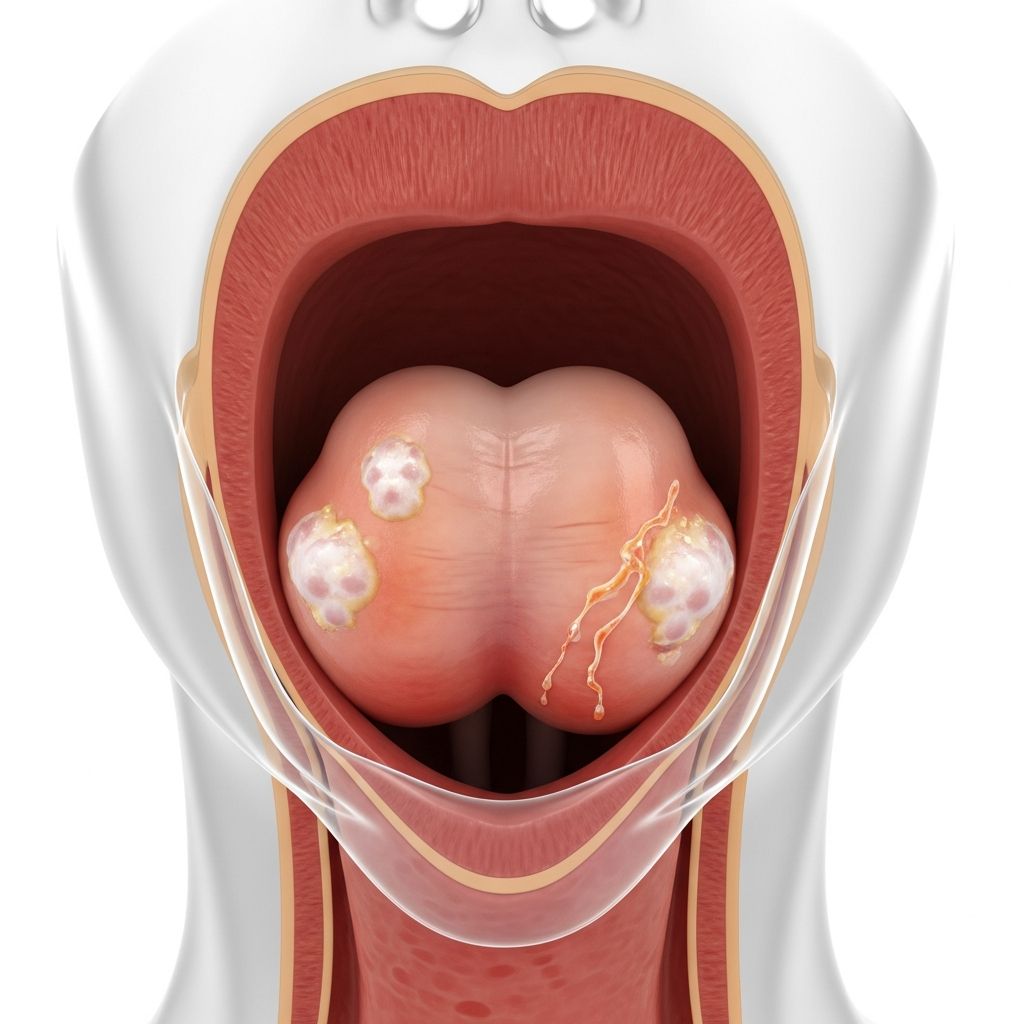
Tonsillitis is an infection of the tonsils, the two round, fleshy masses located in the back of your throat. These lymphoid tissues are part of your immune system and help fight infections by trapping germs and bacteria. When the tonsils become infected, they become inflamed, swollen, and may develop a painful condition commonly referred to as a sore throat. The medical term for this condition is tonsillopharyngitis, though most people simply call it a sore throat. Tonsillitis is a relatively common condition that affects people of all ages, though it’s particularly prevalent in children and young adults. Understanding the causes, symptoms, and treatment options can help you manage this condition effectively and know when to seek medical care.
Causes of Tonsillitis
Tonsillitis can be caused by either viral or bacterial infections, and the cause significantly impacts treatment decisions. Viral tonsillitis accounts for approximately 60-70% of cases and is typically caused by common viruses such as rhinovirus, influenza virus, adenovirus, and enterovirus. Bacterial tonsillitis is most commonly caused by group A beta-hemolytic streptococcus (also known as strep throat), though other bacteria like Streptococcus pneumoniae and Haemophilus influenzae can also be responsible. Certain populations are at higher risk for developing tonsillitis, including children aged 5 to 15 years, individuals in close contact with infected persons, and those with weakened immune systems. The infection spreads through respiratory droplets, making it contagious when an infected person coughs, sneezes, or shares food and beverages.
Symptoms and Signs of Tonsillitis
The symptoms of tonsillitis typically develop over several days and can vary depending on whether the infection is viral or bacterial. Common symptoms include:
- Sore throat and throat pain
- Difficulty swallowing (dysphagia) or pain when swallowing (odynophagia)
- Fever, typically above 38°C (100.4°F)
- Swollen and enlarged tonsils that may appear red or have white, yellow, or gray patches or coating
- Enlarged and tender anterior cervical lymph nodes in the neck
- Fatigue and general malaise
- Vocal changes such as a scratchy or throaty voice
- Headache and body aches
- In some cases, nausea or vomiting
Some patients may also experience a rash known as scarlatina, which may be linked to strep throat. In children, additional symptoms might include drooling, refusal to eat, and increased fussiness or irritability. Most viral cases resolve within 7 to 10 days, while bacterial infections may persist without treatment.
Diagnosis of Tonsillitis
Accurate diagnosis is essential for determining whether antibiotic treatment is necessary. Your healthcare provider will perform a comprehensive evaluation including a review of your symptoms and a physical examination. During the physical examination, the doctor will use a lighted instrument to examine your throat, ears, and nose, gently feel your neck to check for swollen glands, listen to your breathing with a stethoscope, and check your spleen to rule out conditions like mononucleosis.
Diagnostic Tests
If bacterial tonsillitis is suspected, your healthcare provider may order diagnostic tests to confirm the diagnosis:
- Rapid Antigen Detection Test (RADT): A quick test that can detect group A streptococcus within minutes
- Throat Culture: A cotton swab is used to collect a sample from the back of the throat, which is then examined in a laboratory to identify the presence of group A streptococcus bacteria or other pathogens
- Blood Tests: May be ordered to check for mononucleosis or other systemic infections
Centor Score for Clinical Assessment
The Centor Score is a clinical scoring system developed in 1981 to help assess the severity of symptoms and determine the likelihood of bacterial infection and the need for testing or antibiotics. The score is calculated by assigning one point for each of the following four criteria:
Related Stories



| Criterion | Points |
|---|---|
| Tonsillar exudate or swelling | 1 |
| Swollen, tender anterior cervical lymph nodes | 1 |
| Lack of cough | 1 |
| Fever (temperature > 38°C/100.4°F) | 1 |
| Total Score | 0-4 |
Based on the total Centor Score, the following recommendations apply:
- Score 0-1: Further testing is suggested, and antibiotics are not required
- Score 2-3: Rapid strep testing and a throat culture are indicated
- Score 4: Rapid strep testing/throat culture and empiric antibiotics are required
Treatment Options for Tonsillitis
The treatment approach depends on whether the tonsillitis is caused by a virus or bacteria. It’s crucial to follow your healthcare provider’s recommendations and complete all prescribed treatments to prevent complications and reduce the risk of antibiotic resistance.
Viral Tonsillitis Treatment
Viral tonsillitis cannot be treated with antibiotics, as antibiotics are ineffective against viruses. Instead, treatment focuses on symptom relief and supportive care. Most cases of viral tonsillitis resolve on their own within 7 to 10 days. At-home management strategies include:
- Getting adequate rest to allow your body to fight the infection
- Staying well-hydrated by drinking plenty of water, warm liquids, and broths
- Using over-the-counter pain relievers such as ibuprofen (Advil, Motrin) or acetaminophen (Tylenol)
- Using over-the-counter antipyretics like acetaminophen to reduce fever
- Gargling with warm salt water to soothe throat pain
- Consuming throat lozenges or hard candies (for adults and older children)
- Eating soft foods and avoiding spicy or hot foods that may irritate the throat
- Using a humidifier to add moisture to the air and ease throat discomfort
Bacterial Tonsillitis Treatment
If bacterial tonsillitis is confirmed, your healthcare provider will prescribe antibiotics to eliminate the infection. It is critical to take antibiotics exactly as prescribed and to complete the full course, even if you begin to feel better, as stopping early can allow the infection to return and contribute to antibiotic resistance.
First-Line Antibiotic Therapy
Penicillin is the first-line antibiotic treatment for group A streptococcus pharyngitis. The typical treatment regimen includes:
- Oral Penicillin: A 10-day oral course (brand names: Amoxil, Bactocil, Pipracil)
- Benzathine Penicillin G: A one-time intramuscular injection (brand name: Bicillin C-R)
Alternative Antibiotics for Penicillin Allergy
If you have a documented penicillin allergy, your healthcare provider may prescribe alternative antibiotics:
- Azithromycin: A 5-day oral course (brand names: Zithromax, Zmax)
- Cephalosporin: A 10-day oral course (brand names: Ancef, Keflex, Rocephin)
- Clindamycin: A 10-day oral course (brand names: Cleocin, Clindesse)
Your healthcare provider will select the most appropriate antibiotic based on your allergy history, the specific bacteria identified, and other personal health factors.
Symptomatic Relief Measures
Regardless of whether tonsillitis is viral or bacterial, the following measures can help alleviate symptoms:
- Pain management with NSAIDs or acetaminophen
- Adequate hydration and fluids
- Rest and reduced physical activity
- Throat lozenges and warm salt water gargles
- Soft diet and avoiding irritating foods
- Humidified environment
When is Tonsillectomy Recommended?
A tonsillectomy is a surgical procedure to remove the tonsils and is considered for patients with recurrent tonsillitis or chronic infections that do not respond to antibiotic treatment. Watchful waiting is typically preferred over tonsillectomy for recurrent tonsillitis if the episodes are less frequent than the thresholds listed below. Surgery may be recommended if you have:
- At least 7 episodes of tonsillitis in the past year
- At least 5 episodes per year in the past 2 years
- At least 3 episodes per year for 3 consecutive years
- Episodes that significantly impair quality of life or cause sleep-related breathing issues
- Bacterial tonsillitis that does not respond to antibiotic treatment
Each tonsillitis episode documented in the medical record must include at least one of the following: temperature ≥ 38.3°C (101°F), cervical adenopathy, tonsillar exudate, or a positive test for group A beta-hemolytic streptococcus.
Post-Tonsillectomy Recovery
After a tonsillectomy, patients may experience several post-operative symptoms that typically resolve within a few weeks. Common post-operative symptoms include:
- Throat pain (which may last up to 2 weeks and is often more pronounced in the morning)
- Throat pain and discomfort when swallowing
- Nausea or vomiting
- Dehydration
- Bleeding in the mouth (rare but requires immediate medical attention)
- Fever with temperature ≥ 38.3°C (101°F)
- Swelling and erythema at the surgical site
Proper post-operative care and follow-up with your healthcare provider are essential for a smooth recovery.
Complications of Untreated Tonsillitis
While most cases of tonsillitis resolve without complications, untreated or inadequately treated bacterial tonsillitis can lead to serious complications including abscess formation around the tonsils, rheumatic fever, post-streptococcal glomerulonephritis, and scarlet fever. These complications emphasize the importance of seeking prompt medical attention and completing prescribed antibiotic treatment.
Prevention Strategies
While you cannot always prevent tonsillitis, certain measures can reduce your risk of infection:
- Practice good hand hygiene by washing hands regularly and thoroughly
- Avoid close contact with people who have active infections
- Do not share food, beverages, or utensils with infected individuals
- Cover your mouth and nose when coughing or sneezing
- Maintain good overall health through proper nutrition, exercise, and adequate sleep
- Avoid smoking and secondhand smoke exposure
- Keep your immune system strong to better fight off infections
Frequently Asked Questions About Tonsillitis
Q: How long does tonsillitis last?
A: Viral tonsillitis typically resolves within 7 to 10 days with supportive care. Bacterial tonsillitis usually improves within 2 to 3 days of starting antibiotics and generally clears up after a week of treatment.
Q: Is tonsillitis contagious?
A: Yes, tonsillitis is contagious and spreads through respiratory droplets when an infected person coughs, sneezes, or shares food and beverages. People with bacterial tonsillitis are typically contagious for about 24 hours after starting antibiotics.
Q: Can tonsillitis be prevented?
A: While complete prevention is not always possible, you can reduce your risk by practicing good hand hygiene, avoiding close contact with infected persons, not sharing food or utensils, maintaining a strong immune system, and covering your mouth when coughing or sneezing.
Q: When should I see a doctor for tonsillitis?
A: You should seek medical attention if you have severe throat pain, difficulty swallowing, high fever, swollen tonsils with white or yellow coating, enlarged lymph nodes, or if symptoms persist beyond 10 days or worsen despite home care.
Q: Can antibiotics treat all cases of tonsillitis?
A: No, antibiotics only treat bacterial tonsillitis caused by group A streptococcus and other bacteria. Viral tonsillitis does not respond to antibiotics and requires supportive care only.
Q: What should I eat if I have tonsillitis?
A: Stick to soft, easy-to-swallow foods such as yogurt, ice cream, applesauce, mashed potatoes, soups, and smoothies. Avoid hard, spicy, hot, or acidic foods that may irritate your throat further.
References
- Tonsillitis Diagnosis — Nurse.com. Accessed December 1, 2025. https://www.nurse.com/clinical-guides/tonsillitis/
- Tonsilitis Treatment Hospital in Abu Dhabi: Causes & Symptoms — Cleveland Clinic Abu Dhabi. Accessed December 1, 2025. https://www.clevelandclinicabudhabi.ae/en/health-hub/health-resource/diseases-and-conditions/tonsilitis
- Tonsillitis and Tonsilloliths: Diagnosis and Management — American Academy of Family Physicians. 2023-01-01. https://www.aafp.org/pubs/afp/issues/2023/0100/tonsillitis-tonsilloliths.html
- Tonsillitis – Diagnosis & Treatment — Mayo Clinic. Accessed December 1, 2025. https://www.mayoclinic.org/diseases-conditions/tonsillitis/diagnosis-treatment/drc-20378483
- Tonsils: Anatomy, Definition & Function — Cleveland Clinic. Accessed December 1, 2025. https://my.clevelandclinic.org/health/body/23459-tonsils
Similar Articles








Read full bio of medha deb