Tonsillitis: Causes, Symptoms, and Treatment Options
Understanding throat inflammation: viral vs. bacterial causes and recovery strategies
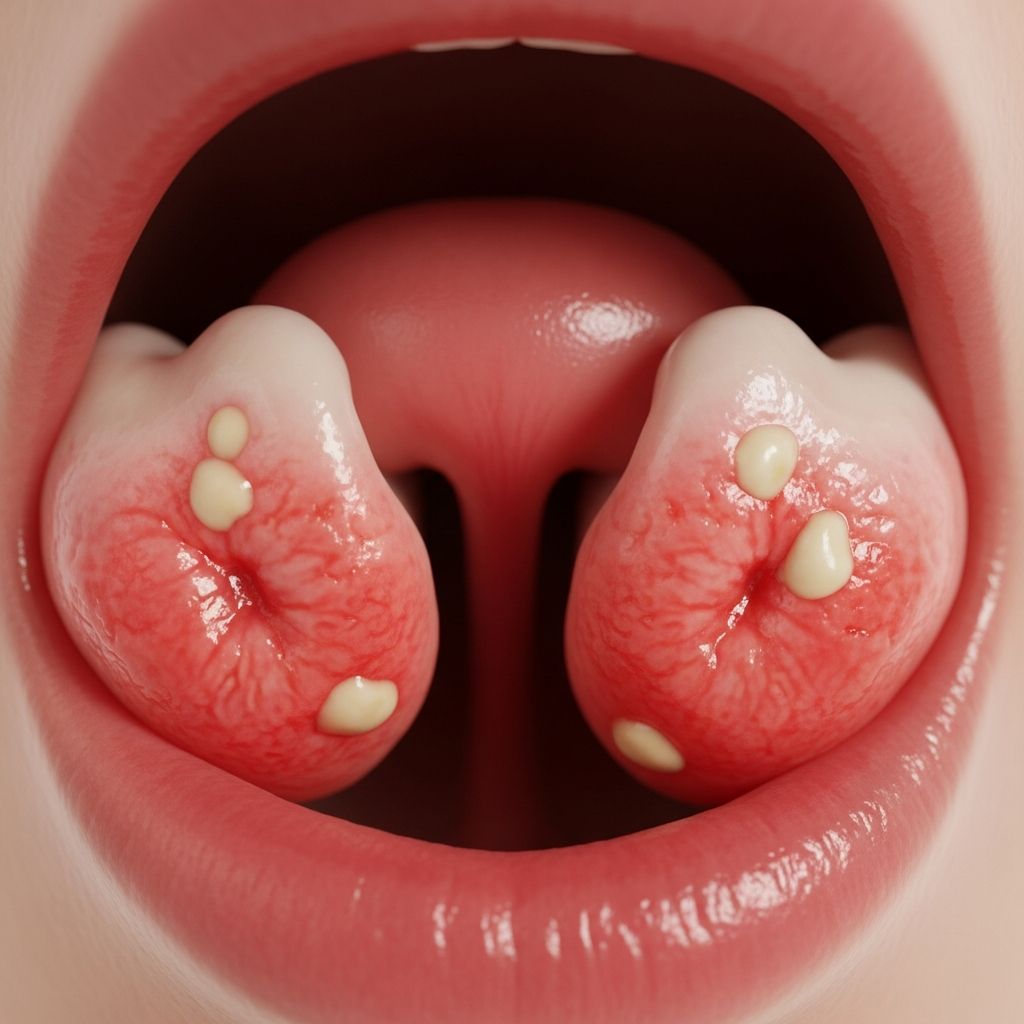
Tonsillitis represents one of the most common throat conditions affecting both children and adults. This inflammation of the tonsils—small, oval-shaped tissues located at the back of the throat—can range from mild discomfort to a serious condition requiring medical intervention. Understanding what causes tonsillitis, how to recognize its symptoms, and what treatment options are available can help you manage the condition effectively and know when to seek professional medical care.
Understanding the Immune Function of Your Tonsils
Before exploring tonsillitis itself, it helps to understand the role tonsils play in your body’s defense system. Tonsils serve as guardians of your respiratory and digestive tracts, acting as part of your lymphatic system. They work to filter out harmful pathogens—including viruses and bacteria—that enter through your mouth and nose. This protective role makes tonsils particularly vulnerable to infection, as they are constantly exposed to various microorganisms in the air and food we consume.
However, the protective capacity of tonsils changes over time. After puberty, the immune function of tonsils begins to decline, which explains why tonsillitis becomes less common in adults compared to children. Despite this natural decline, adults can still develop tonsillitis when exposed to significant pathogens or when immune function is compromised.
What Triggers Tonsillitis: Viral Versus Bacterial Causes
Tonsillitis develops when infectious agents—either viruses or bacteria—overwhelm the tonsil tissue and trigger an inflammatory response. Identifying the underlying cause is crucial because it determines the appropriate treatment strategy.
Viral Infections: The Most Common Culprit
Viral tonsillitis accounts for the majority of cases, representing approximately 70% to 95% of all tonsillitis infections. This predominance makes sense because viruses are more common in the environment than bacterial strains capable of infecting the throat. Multiple viruses can cause tonsillitis, including:
- Rhinoviruses (common cold viruses)
- Respiratory syncytial virus (RSV)
- Adenoviruses
- Influenza virus
- Epstein-Barr virus (EBV)
- Herpes simplex virus
- Parainfluenza viruses
- Enteroviruses
- Coronaviruses
- Cytomegalovirus
Viral tonsillitis typically manifests as part of a broader upper respiratory tract infection. Some viruses, particularly Epstein-Barr virus, may produce more severe or prolonged illness compared to other viral causes. The good news is that viral tonsillitis is generally less severe than bacterial variants and typically resolves on its own within a few days.
Bacterial Infections: When Antibiotics Become Necessary
While less common than viral infections, bacterial tonsillitis requires different management because these infections do not resolve without treatment. The primary bacterial culprit is Streptococcus pyogenes, also known as group A streptococcus (GAS), which is responsible for strep throat. Other bacteria, such as Staphylococcus aureus, can occasionally cause tonsil inflammation, though this is far less frequent.
Bacterial tonsillitis demands proper diagnosis and treatment because untreated strep throat can lead to serious complications affecting the heart, kidneys, and other organs.
Recognizing Tonsillitis: Symptoms and Signs
The symptoms of tonsillitis vary depending on whether the infection is viral or bacterial, though there is considerable overlap. Recognizing these signs helps determine when to seek medical attention.
Related Stories



Primary Symptoms
- Sore throat: This is typically the most prominent symptom, ranging from mild discomfort to severe pain that makes swallowing difficult
- Difficulty swallowing: May worsen when consuming food or liquids
- Fever: Often accompanies both viral and bacterial infections
- Red, swollen tonsils: Visual inflammation that may be obvious to the naked eye
- White or yellow coating: May appear on the tonsil surface, often a sign of bacterial infection
- Headache: Commonly occurs alongside throat symptoms
Secondary and Associated Symptoms
- Chills and body aches
- Loss of appetite due to throat discomfort
- Earache or ear pain
- Swollen lymph nodes in the neck and jaw
- Bad breath
- Scratchy, hoarse, or muffled voice
- Stiff neck in some cases
- Nausea, vomiting, or feeling unwell
- Skin rash in certain viral infections
- Mouth breathing, snoring, or sleep disturbances
In severe cases, tonsil swelling may become so pronounced that it obstructs the airway, making breathing difficult. This situation requires immediate medical evaluation and potentially hospitalization.
The Diagnostic Process: How Doctors Identify the Cause
Because viral and bacterial tonsillitis require different treatment approaches, accurate diagnosis is essential. Your healthcare provider will typically conduct a physical examination and may order diagnostic tests.
During examination, the doctor looks for characteristic signs such as the appearance of the tonsils, presence of exudate (white or yellow coating), swollen lymph nodes, and overall severity of inflammation. For suspected bacterial infections, particularly strep throat, rapid strep tests or throat cultures may be performed to confirm the diagnosis before prescribing antibiotics.
Treatment Approaches: From Home Care to Medical Intervention
Treatment strategy depends primarily on whether tonsillitis is caused by a virus or bacteria, as well as the severity of symptoms.
Supportive Care for All Cases
Regardless of the underlying cause, supportive measures form the foundation of tonsillitis management. These strategies help manage symptoms and support your body’s natural healing process:
- Rest: Allow your body adequate time to fight infection by getting sufficient sleep and limiting physical activity
- Hydration: Drink plenty of fluids including water, warm tea with honey and lemon, broth, and soup to maintain hydration and soothe the throat
- Soft foods: Consume foods that require minimal chewing and swallowing effort, such as ice cream, applesauce, flavored gelatin, yogurt, and mashed potatoes
- Throat soothing: Gargle with warm salt water several times daily to reduce inflammation and discomfort
- Pain management: Use over-the-counter pain relievers such as acetaminophen or ibuprofen as directed to manage fever and throat pain
- Throat lozenges and sprays: Over-the-counter products may provide temporary relief, though evidence for their effectiveness varies
- Humidity: Use a cool-mist humidifier to keep the air moist, which can ease throat irritation
- Avoid irritants: Keep the home environment free from cigarette smoke and harsh cleaning products that can further irritate the throat
Most viral tonsillitis cases resolve completely within a few days using only these supportive measures. Patients typically begin feeling better within 2 to 3 days even without specific medication.
Antibiotic Therapy for Bacterial Infections
When bacterial infection, particularly strep throat, is confirmed or strongly suspected, antibiotics become necessary. Antibiotics serve two critical purposes: they reduce symptom duration by approximately 16 hours and, more importantly, they prevent serious complications such as peritonsillar abscess and acute rheumatic fever.
The standard first-line treatment for group A streptococcus tonsillitis is penicillin V or amoxicillin, administered orally for a full 10-day course. Some patients receive a single intramuscular injection of penicillin instead. It is crucial to complete the entire antibiotic course even if symptoms improve after a few days, as premature discontinuation can lead to treatment failure and complications.
Patients typically experience symptom improvement within 2 to 3 days of starting antibiotics, though the full course must be completed to ensure complete bacterial elimination. Alternative antibiotics may be prescribed for patients with penicillin allergies.
When to Consider Surgical Intervention
Tonsillectomy—surgical removal of the tonsils—is considered for specific situations rather than as routine treatment. Surgery may be recommended when:
- Tonsillitis recurs frequently (defined as minimum 7 episodes in the previous year, or 5 episodes annually over 2 years, or 3 episodes annually over 3 years)
- Bacterial infections show resistance to antibiotic therapy
- Chronic tonsillitis causes ongoing symptoms
- Sleep apnea or breathing obstruction develops due to enlarged tonsils
- Difficulty swallowing significantly impacts nutrition or quality of life
- A peritonsillar abscess (pus pocket) requires drainage
Surgical decision-making should involve careful discussion with your healthcare provider, weighing the frequency and severity of infections against the risks and benefits of surgery.
Potential Complications: When Tonsillitis Becomes Serious
Most cases of tonsillitis resolve without serious consequences. However, certain complications can develop, particularly with untreated bacterial infections.
Peritonsillar Abscess
The most common suppurative complication of tonsillitis is peritonsillar abscess, also called quinsy. This condition develops when pus accumulates between the tonsillar capsule and the pharyngeal muscle. It typically presents with severe, often one-sided sore throat, difficulty opening the mouth (trismus), a muffled “hot potato” voice quality, and deviation of the uvula to one side. Treatment involves needle aspiration or incision and drainage combined with antibiotics and corticosteroids.
Systemic Complications
Untreated strep throat can lead to serious complications affecting other body systems, particularly acute rheumatic fever, which can cause permanent heart damage. Post-streptococcal glomerulonephritis, affecting kidney function, may also develop. These serious complications underscore the importance of proper diagnosis and treatment of bacterial tonsillitis.
Recovery Timeline and When to Seek Medical Care
Understanding what to expect helps you manage tonsillitis effectively and recognize when professional medical attention is necessary.
Viral tonsillitis typically resolves within 3 to 7 days with supportive care alone. Bacterial tonsillitis, when treated with antibiotics, generally clears within 10 days. However, contact your healthcare provider if symptoms worsen despite treatment, persist beyond one week, you experience severe difficulty breathing or swallowing, signs of dehydration develop, a high fever returns after initial improvement, or symptoms suggest complications such as severe one-sided pain.
Prevention Strategies
While not all cases of tonsillitis can be prevented, certain measures reduce infection risk. Practice good hand hygiene by washing hands frequently, avoid close contact with people who have active infections, do not share eating utensils or drinking glasses with others, and maintain overall health through adequate sleep, balanced nutrition, and stress management. If you have recurrent tonsillitis, discuss prevention strategies with your healthcare provider.
Frequently Asked Questions
Can you catch tonsillitis from someone else?
Yes, tonsillitis caused by contagious viruses and bacteria can spread through respiratory droplets when an infected person coughs or sneezes. The condition is most contagious during the first few days of illness.
How long does tonsillitis last?
Viral tonsillitis typically lasts 3 to 7 days, while bacterial tonsillitis treated with antibiotics usually resolves within 10 days. However, throat soreness may persist slightly longer in some cases.
Is tonsillitis ever life-threatening?
While tonsillitis itself is rarely life-threatening, severe cases with airway obstruction or untreated bacterial infections leading to serious complications can be serious. Seek immediate medical attention if breathing becomes severely compromised.
Should I take antibiotics for all cases of tonsillitis?
No. Antibiotics are only effective against bacterial infections and should not be used for viral tonsillitis. Taking antibiotics unnecessarily contributes to antibiotic resistance and may cause unnecessary side effects.
Can natural remedies cure tonsillitis?
Natural remedies and home care can effectively manage symptoms of viral tonsillitis, though they do not treat bacterial infections. Herbal remedies and zinc gluconate have shown inconsistent benefits and are not routinely recommended.
References
- Tonsillitis – StatPearls — National Center for Biotechnology Information (NCBI). 2024. https://www.ncbi.nlm.nih.gov/books/NBK544342/
- Tonsillitis in Adults — UMass Memorial Health. 2024. https://www.ummhealth.org/health-library/tonsillitis-in-adults
- Tonsillitis: Symptoms, Causes & Treatment — Cleveland Clinic. 2024. https://my.clevelandclinic.org/health/diseases/21146-tonsillitis
- Tonsillitis – Diagnosis & Treatment — Mayo Clinic. 2024. https://www.mayoclinic.org/diseases-conditions/tonsillitis/diagnosis-treatment/drc-20378483
- Tonsillitis – Symptoms & Causes — Mayo Clinic. 2024. https://www.mayoclinic.org/diseases-conditions/tonsillitis/symptoms-causes/syc-20378479
- Tonsillitis — NHS. 2024. https://www.nhs.uk/conditions/tonsillitis/
Similar Articles








Read full bio of medha deb