Tonsillitis Symptoms: 8 Common Signs to Spot Early
Recognize the signs of tonsillitis early: from sore throat and fever to swollen tonsils and when to seek medical help.
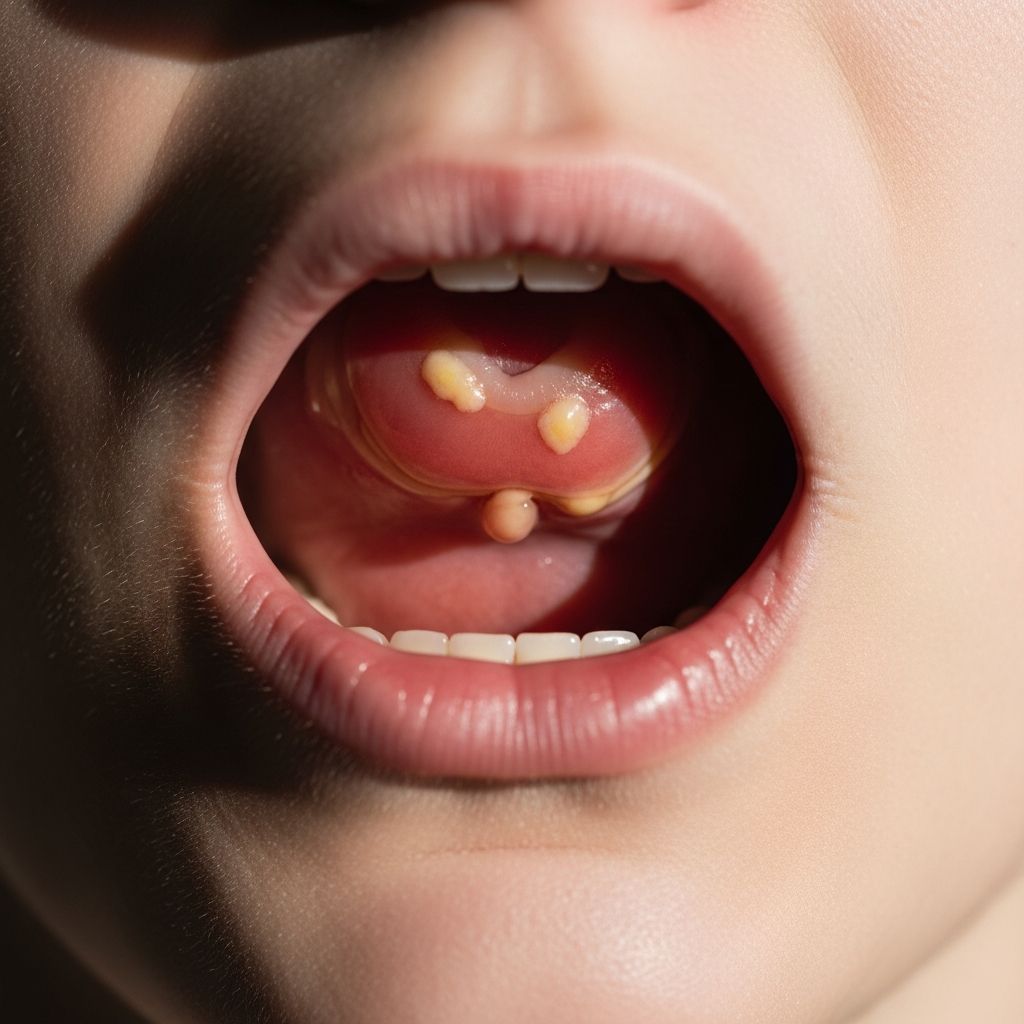
Tonsillitis is an inflammation of the tonsils, the two oval-shaped lymph tissues at the back of your throat that act as a first line of defense against germs entering through the mouth or nose. It most commonly affects children and adolescents but can occur at any age. Symptoms often develop suddenly and include a severe sore throat, fever, and swollen tonsils, making swallowing painful. Most cases are viral and resolve within a week, but bacterial infections like strep throat require antibiotics to prevent complications.
What Is Tonsillitis?
The tonsils are part of the immune system’s Waldeyer ring, helping trap bacteria and viruses. When infected, they become inflamed, red, and sometimes coated with white or yellow pus. Tonsillitis accounts for about 1.3% of outpatient visits worldwide and is especially prevalent in kids aged 5-15 due to close contact in schools. While the body usually fights it off, recurrent or untreated cases can lead to issues like abscesses or rheumatic fever.
Tonsillitis Symptoms
Symptoms of tonsillitis typically appear abruptly and can range from mild to severe. Common signs include:
- Sore throat: Often the first and most prominent symptom, feeling scratchy or like swallowing glass.
- Red, swollen tonsils: Tonsils appear enlarged and inflamed, sometimes with white or yellow patches or coating.
- Fever: Usually above 100.4°F (38°C), accompanied by chills.
- Painful swallowing (odynophagia): Makes eating and drinking difficult.
- Enlarged, tender lymph nodes in the neck: Swollen glands under the jaw or sides of the neck.
- Scratchy, muffled, or throaty voice: Known as a ‘hot potato’ voice in severe cases.
- Bad breath (halitosis): Due to bacterial overgrowth or debris on tonsils.
- Headache, stomachache, or neck pain: General malaise and body aches.
In young children who can’t verbalize discomfort, watch for:
- Drooling from painful swallowing.
- Refusal to eat.
- Increased fussiness or irritability.
Symptoms usually peak in 2-3 days and improve within 3-4 days for viral cases, but bacterial ones may linger up to 10 days without treatment.
Types of Tonsillitis
Tonsillitis is classified by duration and cause:
- Acute tonsillitis: Sudden onset, lasts less than 2 weeks. Most common type.
- Chronic tonsillitis: Persistent low-grade symptoms despite treatment, often with tonsil stones or recurrent infections.
- Recurrent tonsillitis: Multiple acute episodes (e.g., 7 in one year or 5 annually for 2 years), may warrant tonsillectomy.
By cause:
- Viral (70-95% of cases): Rhinovirus, adenovirus, Epstein-Barr virus (EBV/mononucleosis).
- Bacterial (5-30%): Group A Streptococcus (strep throat), Fusobacterium.
Causes of Tonsillitis
Tonsillitis results from viral or bacterial invasion of the tonsils. Viruses cause most cases, especially in children, while bacteria like Group A beta-hemolytic Streptococcus (GABHS) are more common in school-aged kids. Risk factors include:
- Age 5-15 years.
- Close contact (schools, daycare).
- Weakened immunity or exposure to secondhand smoke.
Strep throat, a bacterial form, spreads via respiratory droplets and lacks cough or runny nose, unlike viral infections.
Tonsillitis vs. Strep Throat
| Feature | Tonsillitis (General) | Strep Throat (Bacterial) |
|---|---|---|
| Symptoms | Sore throat, fever, swollen tonsils, possible cough | Sore throat, fever, no cough, white patches, rash possible |
| Cause | Mostly viral | Group A Strep bacteria |
| Diagnosis | Clinical exam, rapid strep test if needed | Rapid antigen test or throat culture |
| Treatment | Symptom relief | Antibiotics (e.g., penicillin) |
Related Stories



Strep throat requires antibiotics to prevent rheumatic fever, while viral tonsillitis does not.
When to See a Doctor
Seek medical care if symptoms persist beyond 48 hours or include high fever. Call a doctor for:
- Sore throat with fever.
- Painful swallowing lasting >24-48 hours.
- Extreme fatigue or fussiness in children.
Emergency care for:
- Trouble breathing.
- Excessive drooling or inability to swallow.
- Stiff neck or severe dehydration.
Diagnosis
Doctors diagnose via physical exam: checking for red tonsils, exudate, lymph nodes, and palatal petechiae. Tools include:
- Rapid strep test (results in minutes).
- Throat culture (gold standard, 24-48 hours).
- Centor criteria score for bacterial likelihood (fever, no cough, tender nodes, tonsillar exudate).
- Blood tests for mono or EBV if suspected.
Tonsillitis Treatment
Treatment depends on cause:
- Viral: Supportive care—rest, fluids, OTC pain relievers (ibuprofen/acetaminophen), throat lozenges, humidifier.
- Bacterial: Antibiotics like penicillin or amoxicillin for 10 days to reduce complications.
Home remedies:
- Gargle warm salt water.
- Stay hydrated with cool liquids.
- Soft foods, avoid irritants.
Recovery: 3-7 days for viral, 10 days for bacterial. Stay home until fever-free and swallowing improves.
Tonsillectomy
Surgical removal for recurrent cases (e.g., 7 episodes/year), chronic issues, or complications like sleep apnea. Not routine for most.
Complications
Untreated tonsillitis can lead to:
- Peritonsillar abscess (quinsy): Pus pocket beside tonsil; causes trismus, uvular deviation. Needs drainage/antibiotics.
- Obstructive sleep apnea: Enlarged tonsils block airway.
- Rheumatic fever: Autoimmune heart/joint damage from strep.
- Lemierre’s syndrome: Rare jugular vein thrombosis from Fusobacterium.
- Post-strep glomerulonephritis/arthritis: Kidney or joint inflammation.
Prevention
Prevent spread by:
- Washing hands frequently.
- Avoiding close contact with sick people.
- Not sharing utensils/food.
- Staying home when ill.
Vaccines for flu/HPV may indirectly help.
Frequently Asked Questions (FAQs)
How long does tonsillitis last?
Viral tonsillitis resolves in 3-7 days; bacterial takes up to 10 days with antibiotics.
Can adults get tonsillitis?
Yes, though less common than in children. Symptoms are similar.
Is tonsillitis contagious?
Yes, especially bacterial strep; spread via droplets. Isolate until 24 hours on antibiotics.
Can I get tonsillitis without tonsils?
No, but throat infections like strep can still occur.
What helps tonsillitis pain at home?
Rest, hydration, salt gargles, lozenges, and pain relievers.
References
- Tonsillitis – Symptoms & causes — Mayo Clinic. 2023-10-12. https://www.mayoclinic.org/diseases-conditions/tonsillitis/symptoms-causes/syc-20378479
- Pediatric tonsillitis — Children’s Health. 2024-05-15. https://www.childrens.com/specialties-services/conditions/tonsillitis
- Tonsillitis — StatPearls, NCBI Bookshelf, NIH. 2023-07-17. https://www.ncbi.nlm.nih.gov/books/NBK544342/
- Tonsillitis: Symptoms, Causes & Treatment — Cleveland Clinic. 2024-02-20. https://my.clevelandclinic.org/health/diseases/21146-tonsillitis
- Tonsillitis — ENT Health (American Academy of Otolaryngology). 2023-11-01. https://www.enthealth.org/conditions/tonsillitis/
Similar Articles








Read full bio of Sneha Tete