Tonsils: Anatomy, Function & When to Seek Help
Understanding your tonsils: anatomy, immune function, and when medical intervention is needed.
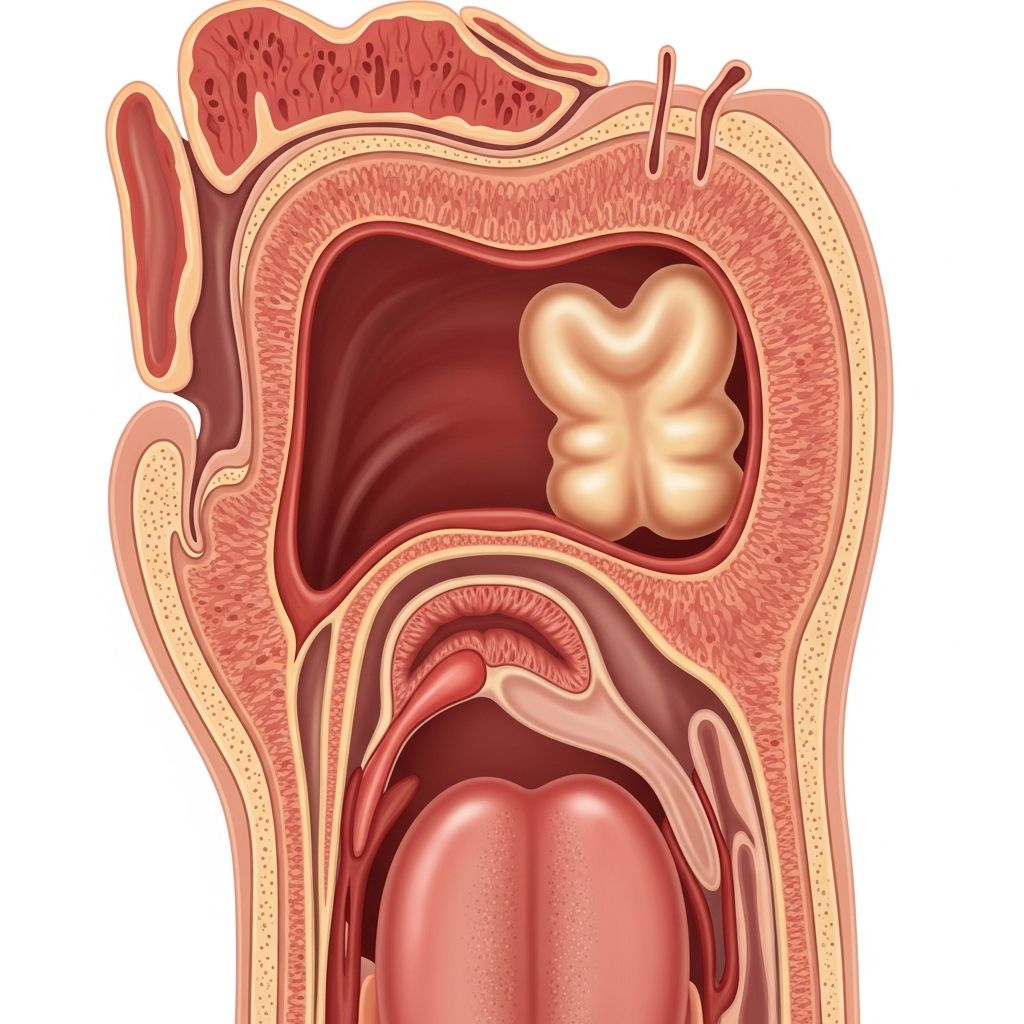
Your tonsils are two round, fleshy masses located in the back of your throat (pharynx). These small but important organs are part of your immune system and work similar to lymph nodes throughout your body. Most people don’t think much about their tonsils until they become problematic, but understanding their structure and function can help you recognize when something is wrong and when to seek medical attention.
What Are Tonsils?
Tonsils are specialized tissues composed of lymphoid material that form part of your body’s lymphatic system. You have two palatine tonsils, one on each side of the back of your throat, positioned between the palatoglossal and palatopharyngeal arches. These organs are covered with mucous membrane and contain numerous small pits called tonsillar crypts, which are natural indentations in the tissue surface.
The appearance of healthy tonsils can vary from person to person. They may be pale pink, and their size can range from barely visible to quite prominent. Some people are born with naturally larger tonsils, while others have smaller ones. This natural variation is completely normal and doesn’t necessarily indicate any health problem.
The Function of Your Tonsils
Your tonsils serve as your throat’s first line of defense against pathogens. They act as “germ-catchers,” working to protect you from bacteria and viruses that enter through your mouth and nose. When you breathe, swallow, or eat, these harmful microorganisms pass through your throat, and your tonsils help identify and neutralize these invaders before they can cause infection in your lower respiratory tract or digestive system.
Tonsils are populated with specialized white blood cells that recognize foreign substances and trigger immune responses. They produce antibodies that help your body fight infections and contribute to your overall immune function. This protective role is especially important during childhood, when your immune system is still developing and learning to recognize and fight various pathogens.
It’s important to note that removing your tonsils does not significantly impair your immune system. Research shows that people who have had their tonsils removed can still fight off infections effectively, as your body has many other mechanisms to combat germs, including other lymphoid tissues, white blood cells throughout your bloodstream, and various other immune defenses.
Common Tonsil Problems and Conditions
While tonsils are beneficial when functioning properly, they can sometimes become problematic. Several conditions can affect the tonsils, causing discomfort and requiring medical attention.
Tonsillitis
Tonsillitis is one of the most common tonsil conditions, occurring when your tonsils become infected and inflamed. This infection can be caused by either viral or bacterial pathogens. Symptoms of tonsillitis typically include a sore throat, fever, swollen lymph nodes, and difficulty swallowing. Some people may also experience ear pain, swollen glands, chills, and a white or yellow coating on the tonsils.
Tonsillitis cases are classified into three categories based on frequency and duration: acute cases (isolated incidents lasting 3-14 days), recurrent cases (multiple infections per year), and chronic cases (symptoms lasting more than 14 days). Most cases of tonsillitis resolve within about one week with appropriate treatment, which may include antibiotics if bacterial infection is confirmed, rest, fluids, and over-the-counter pain relievers.
Related Stories



Tonsil Stones
Tonsil stones, medically known as tonsilloliths, are small, pebble-like lumps that form in the tonsillar crypts. These stones develop when debris—including food particles, bacteria, fungi, and dead cells—becomes trapped in the small pits of your tonsils and then calcifies (hardens) over time. The composition of tonsil stones typically includes hardened minerals like calcium, food debris, and various microorganisms.
The most common symptom of tonsil stones is bad breath (halitosis), though they can also cause a sore throat, earache, cough, or throat discomfort. Fortunately, tonsil stones are rarely harmful and often don’t require treatment. You can usually remove them at home using gentle techniques, though your healthcare provider can remove them professionally if they’re causing significant discomfort or keep recurring. People who experience frequent tonsil infections are more likely to develop enlarged tonsillar crypts, which increases the risk of tonsil stone formation.
Recognizing When Your Tonsils Need Attention
Your healthcare provider may diagnose and treat various tonsil problems, from mild infections to chronic conditions requiring intervention. If you’re experiencing persistent sore throat, frequent infections, loud snoring, or other tonsil-related symptoms, it’s important to schedule an evaluation.
During your initial visit, your healthcare provider will examine your tonsils visually. They may perform a bacteria culture test and blood tests to determine if you’re fighting an infection. Additional imaging may be ordered if necessary to get a complete picture of your condition. These diagnostic tools help your provider determine the underlying cause of your symptoms and recommend appropriate treatment.
Treatment Options for Tonsil Problems
Treatment for tonsil problems depends on the specific condition and its severity. For infections, your healthcare provider might prescribe antibiotics or perform a drainage procedure to help clear the infection. Many tonsil conditions respond well to conservative treatment approaches, including rest, adequate hydration, throat lozenges, and over-the-counter pain relief medication.
When Surgery Becomes Necessary
If conservative treatments don’t resolve your tonsil problems, or if your symptoms become chronic and significantly impact your quality of life, your healthcare provider might recommend a tonsillectomy (surgical removal of the tonsils). This procedure is still performed frequently today, with surgeons in the United States performing over 500,000 tonsillectomies annually.
A tonsillectomy may be recommended for several reasons, including chronic or recurrent tonsillitis that doesn’t respond to antibiotics, severe sleep-related breathing issues caused by enlarged tonsils, or persistent symptoms that significantly affect daily functioning. Interestingly, tonsillectomies are not just for children—many adults also benefit from this procedure, particularly those who experience frequent sore throats or significant snoring.
The Tonsillectomy Procedure
If your healthcare provider recommends a tonsillectomy, here’s what you can expect:
Before Surgery
Before your tonsillectomy, your healthcare provider will conduct a routine check to ensure you’re healthy enough for surgery. You may be asked to provide blood tests and will receive detailed preoperative instructions that you should follow closely. These preparations help ensure the surgery goes smoothly and minimizes potential complications.
During the Procedure
During your tonsillectomy, you’ll receive general anesthesia to keep you asleep and comfortable throughout the procedure. You won’t feel any pain or remember what happens during surgery. Once you’re under anesthesia, your surgeon will remove your tonsils using one of several techniques. Modern surgeons have multiple options available, including electrocautery (using heat), scalpel (sharp knife), vibration techniques, or laser methods. Most tonsillectomies take approximately 20 to 30 minutes to complete, though some cases may take longer.
After Surgery
After your tonsillectomy is complete, you’ll be transferred to a recovery area where medical staff will monitor your vital signs—including blood pressure, heart rate, and blood oxygen levels—and ensure you have no postoperative complications. You’ll remain in the recovery area while the anesthesia wears off before being discharged home.
Tonsillectomy Recovery
Recovery from a tonsillectomy requires patience and self-care. You can expect to experience a very sore throat for approximately three days after surgery, with some discomfort potentially lasting up to two weeks. Your healthcare provider can prescribe medication to help manage pain and reduce swelling.
Common post-procedure symptoms include nausea, loss of appetite, general fatigue, and soreness in the throat, ears, neck, and jaw. A full recovery typically takes up to two weeks, though younger children often bounce back more quickly after several days. During your recovery period, you should take it easy, avoid work or school for about 10 days, and limit heavy physical activity.
If talking causes pain, it’s best to minimize conversation and let your voice rest. Many people find comfort in eating soft, cold foods like popsicles and ice cream during recovery, which also helps soothe the throat. An important consideration is that there’s an increased risk of bleeding after surgery, particularly within 7 to 10 days post-procedure, so you should rest during this period and consider using over-the-counter painkillers to relieve swelling and discomfort.
Impact on Your Immune System
Many people worry that removing their tonsils will negatively affect their immune system. However, research demonstrates that having a tonsillectomy doesn’t result in reduced immunity. In fact, some studies show that people who undergo tonsillectomy experience an improved immune response afterward. Your body has multiple layers of immune defense, and removing one component doesn’t compromise your ability to fight infections. Even after tonsil removal, the tissues in your throat can still become infected and sore, but your body has alternative mechanisms to combat these challenges.
When to Seek Medical Care
You should schedule an appointment with your healthcare provider if you experience:
- Persistent sore throat lasting more than a few weeks
- Frequent tonsil infections (multiple times per year)
- Severe difficulty swallowing
- Significant snoring or sleep-related breathing problems
- Enlarged tonsils affecting your quality of life
- Chronic bad breath despite good oral hygiene
- Recurrent tonsil stones causing discomfort
Frequently Asked Questions
Q: Can I get tonsillitis if I’ve had my tonsils removed?
A: No, you cannot get tonsillitis if your tonsils have been removed. However, the tissues in your throat can still become infected after a tonsillectomy, causing similar symptoms.
Q: At what age can someone have a tonsillectomy?
A: Tonsillectomies can be performed at various ages, from young children to adults. Your healthcare provider will evaluate your specific situation to determine if the procedure is appropriate and beneficial for you.
Q: How long does tonsillitis typically last?
A: Most cases of tonsillitis resolve within about one week with appropriate treatment. Acute cases typically last between 3-14 days, depending on whether the infection is viral or bacterial.
Q: Are tonsil stones dangerous?
A: Tonsil stones are rarely harmful. While they primarily cause bad breath, they can occasionally lead to mild discomfort or throat irritation. Most don’t require medical treatment.
Q: Will removing my tonsils affect my ability to taste or swallow?
A: Most people don’t experience significant changes in taste or swallowing after tonsillectomy. Any initial swallowing difficulty during recovery typically resolves as the throat heals.
Q: How can I prevent tonsil problems?
A: Maintain good oral hygiene, wash your hands frequently, avoid contact with people who have active infections, stay hydrated, and manage stress to support your immune system.
References
- Schedule a Tonsillectomy — Cleveland Clinic. 2024. https://my.clevelandclinic.org/services/schedule-tonsillectomy
- Tonsillectomy: Procedure Details and Recovery — Cleveland Clinic. 2022. https://my.clevelandclinic.org/health/treatments/15605-tonsillectomy
- Tonsillitis: Symptoms, Causes & Treatment — Cleveland Clinic. 2024. https://my.clevelandclinic.org/health/diseases/21146-tonsillitis
- Tonsil Stones: Symptoms, Causes, Removal & Treatment — Cleveland Clinic. 2024. https://my.clevelandclinic.org/health/diseases/21505-tonsil-stones
- All About Tonsils — Nutrition Health Review. 2024. https://nutritionhealthreview.com/body-basics/all-about-tonsils/
- Tonsils: Anatomy, Definition & Function — Cleveland Clinic. 2024. https://my.clevelandclinic.org/health/body/23459-tonsils
- Tonsil Stones — American Academy of Family Physicians. 2023. https://www.aafp.org/pubs/afp/issues/2023/0100/patient-information-tonsil-stones.html
Similar Articles








Read full bio of Sneha Tete