Too Many Supplements? 6 Signs Of Toxicity You Should Know
Discover the hidden risks of overdoing vitamin and mineral supplements and learn how to supplement safely for optimal health.
Too Many Supplements?
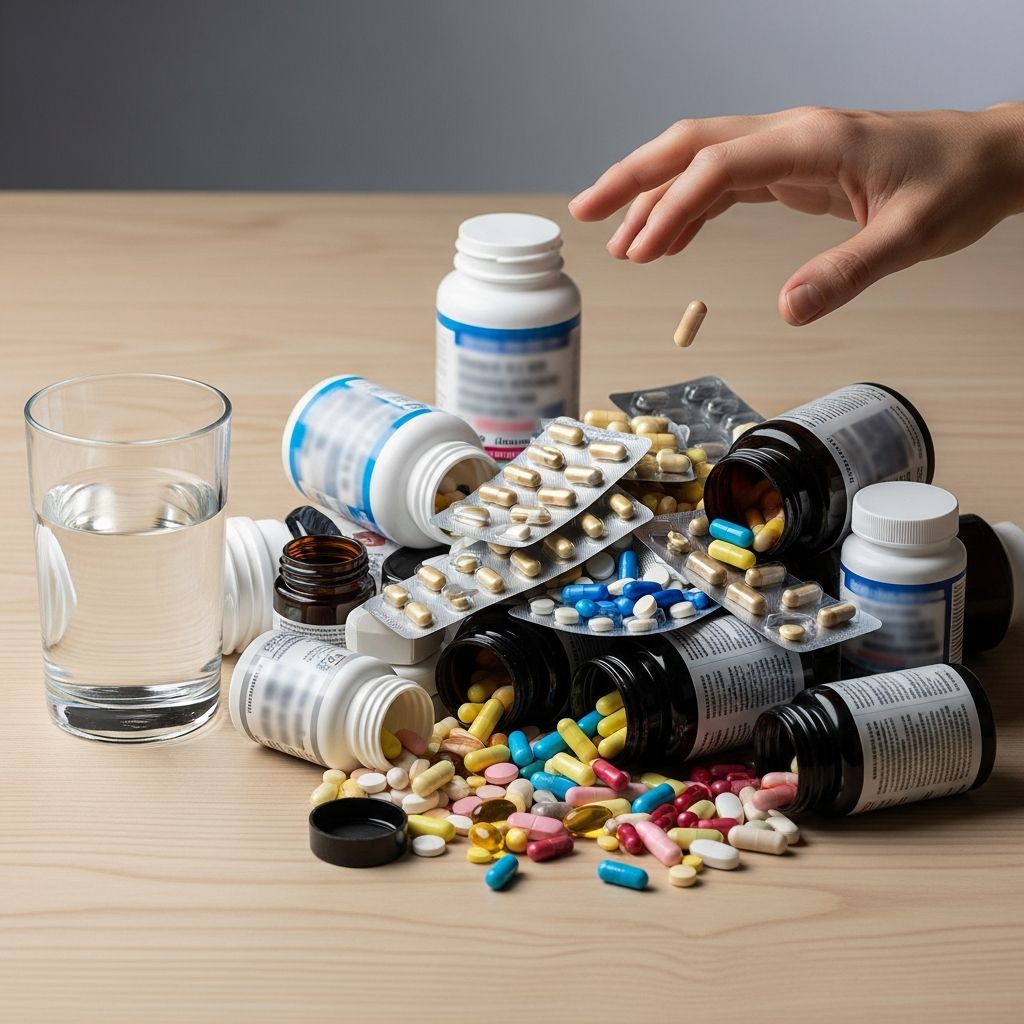
While vitamins and minerals are essential for health, taking too many supplements can lead to serious toxicity and adverse effects. Many people turn to supplements to fill nutritional gaps, but experts warn that excess intake—especially from high-dose products—carries significant risks that outweigh perceived benefits for most healthy individuals.
What Happens When You Take Too Many Supplements?
Supplement overuse, often called hypervitaminosis or mineral toxicity, occurs when blood levels of vitamins or minerals exceed safe limits, triggering harmful physiological responses. This is rarely caused by food but commonly by megadoses in pills, gummies, or powders. Common culprits include fat-soluble vitamins like A, D, E, and K, which accumulate in the body, and certain minerals like iron and selenium.
Symptoms range from mild gastrointestinal upset to severe organ damage. For instance, excess vitamin A can cause nausea, dizziness, and liver damage, while too much vitamin D leads to hypercalcemia—a dangerous buildup of calcium causing kidney stones and heart issues. A 2003 review highlighted that while multivitamins at recommended doses are generally safe, high intakes of specific nutrients pose toxicity risks.
6 Signs You’re Taking Too Many Supplements
- Unexplained digestive issues: Nausea, vomiting, diarrhea, or constipation often signal mineral overload, such as magnesium (>400 mg/day) or iron excess.
- Skin and hair changes: Brittle nails, hair loss, or dry skin may indicate selenium toxicity (>0.91 mg/day) or excess vitamin A.
- Fatigue and weakness: Hypercalcemia from vitamin D overdose causes muscle weakness and frequent urination.
- Nerve problems: Tingling, numbness, or peripheral neuropathy from high selenium or B6 doses.
- Bleeding or bruising: Excess vitamin E interferes with blood clotting.
- Kidney pain or stones: Calcium buildup from vitamin D toxicity strains kidneys.
If you notice these signs, stop supplements immediately and consult a healthcare provider. Blood tests can confirm elevated nutrient levels.
Which Supplements Are Most Likely to Cause Problems?
Not all supplements are equally risky. Fat-soluble vitamins (A, D, E, K) store in fat tissues, increasing overdose potential compared to water-soluble ones like C and B vitamins, which are excreted more easily. Minerals also vary in toxicity profiles.
| Nutrient | Toxicity Threshold | Common Side Effects |
|---|---|---|
| Vitamin A | >10,000 IU/day | Liver damage, birth defects, vision loss |
| Vitamin D | >4,000 IU/day | Hypercalcemia, kidney stones, nausea |
| Vitamin E | >1,000 mg/day | Bleeding risk, prostate cancer risk |
| Iron | >45 mg/day | Constipation, organ damage in overload |
| Zinc | >40 mg/day | Nausea, copper deficiency |
| Selenium | >0.91 mg/day | Brittle hair/nails, neuropathy |
Data adapted from NIH and CMAJ reviews. Always check labels against Dietary Reference Intakes (DRIs) from health authorities.
Who Is Most at Risk of Supplement Overdose?
- Older adults: Reduced kidney function impairs clearance of excesses.
- People with chronic conditions: Kidney disease or hemochromatosis amplifies mineral risks.
- Multisupplement users: Combining products leads to unintended high doses.
- Smokers: Beta-carotene supplements increase lung cancer risk.
- Pregnant individuals: Excess vitamin A risks fetal harm.
The FDA notes that interactions with medications—like blood thinners and vitamin K—compound dangers. Always disclose supplements to your doctor.
Understanding Supplement Labels and Safe Doses
FDA-regulated Supplement Facts panels list serving sizes, ingredients, and % Daily Value (%DV). However, the FDA does not pre-approve supplements for safety or efficacy; manufacturers self-regulate. Look for third-party testing seals like USP or NSF to verify purity.
Safe upper limits (ULs) are set by bodies like the National Institutes of Health:
- Vitamin D: 4,000 IU/day for adults.
- Vitamin C: 2,000 mg/day.
- Folate: 1,000 mcg/day.
Exceeding ULs regularly invites toxicity. Multivitamins typically stay below ULs, but “mega-dose” products do not.
The Role of Food vs. Supplements in Nutrition
Whole foods provide balanced nutrients with fiber, phytochemicals, and better absorption than isolated supplements. The FDA emphasizes: “Supplements should not replace a varied diet.” For example, dietary vitamin D from fish or fortified milk rarely causes toxicity, unlike supplements.
Exceptions include targeted use: folic acid for pregnancy (400 mcg/day) or vitamin D for deficiency. A balanced diet—fruits, veggies, lean proteins, whole grains—meets most needs.
Expert Tips: How to Supplement Safely
- Assess your diet first: Track intake via apps to identify true gaps.
- Get tested: Bloodwork reveals deficiencies before supplementing.
- Start low: Choose 100% DV multis; avoid megadoses.
- One at a time: Introduce new supplements separately to monitor effects.
- Consult professionals: Doctors, dietitians can personalize advice.
- Buy quality: Opt for GMP-certified products; avoid hype-driven claims.
Report adverse events to FDA MedWatch.
Frequently Asked Questions (FAQs)
Can you overdose on multivitamins?
Daily multis at recommended doses are unlikely to cause overdose, but multiple daily servings or combinations can exceed safe limits for vitamins A and D.
Is vitamin D toxicity common?
Rare, but rising with high-dose trends. Limit to 4,000 IU/day unless prescribed; sun and food sources are safer.
Do natural supplements have fewer risks?
No—”natural” doesn’t mean safe. High doses of any form can toxify.
Should I cycle supplements?
Not necessary for most; focus on diet. Cycle only if advised for specific nutrients.
Bottom Line
Supplements enhance—not replace—a nutrient-rich diet. Prioritize food, test for needs, and heed limits to avoid the pitfalls of too many supplements. When in doubt, seek expert guidance for personalized nutrition.
References
- Too much of a good thing? Toxic effects of vitamin and mineral supplements — Eric Wooltorton, CMAJ. 2003-07-08. https://pmc.ncbi.nlm.nih.gov/articles/PMC164945/
- FDA 101: Dietary Supplements — U.S. Food and Drug Administration. 2023. https://www.fda.gov/consumers/consumer-updates/fda-101-dietary-supplements
- Vitamin D toxicity: What if you get too much? — Mayo Clinic. 2024-05-15. https://www.mayoclinic.org/healthy-lifestyle/nutrition-and-healthy-eating/expert-answers/vitamin-d-toxicity/faq-20058108
Similar Articles






Read full bio of Sneha Tete