Tooth Decay, Caries, and Cavities in Children
Understanding tooth decay in children: causes, symptoms, prevention, and treatment options for parents.
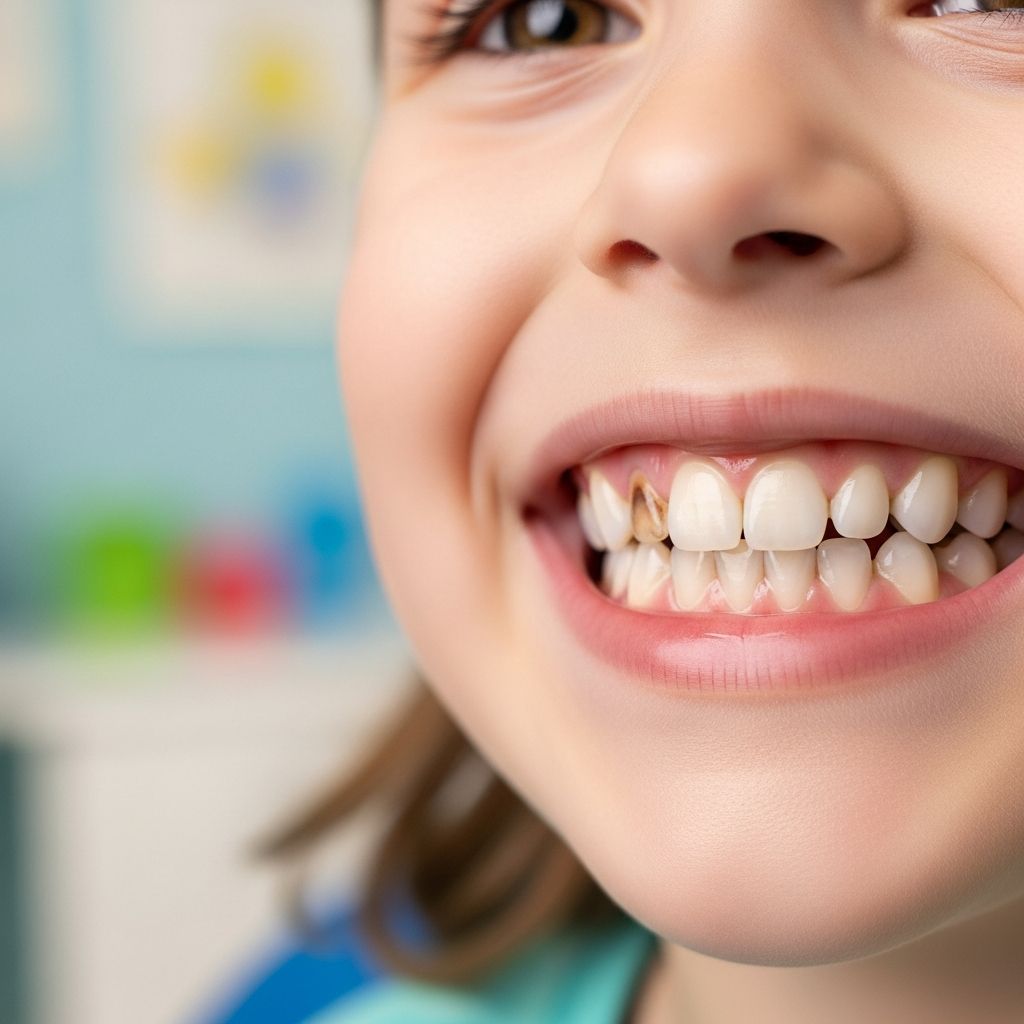
Tooth decay is one of the most prevalent chronic diseases affecting children today, impacting their overall health, nutrition, and development. Understanding the causes, recognizing early warning signs, and implementing effective prevention strategies are essential for parents and caregivers who want to protect their children’s dental health. This comprehensive guide explores everything parents need to know about tooth decay, caries, and cavities in children, from the underlying causes to available treatment options.
What Is Tooth Decay?
Tooth decay, also known as dental caries or cavities, occurs when the hard outer surface of a tooth, called the enamel, breaks down or becomes damaged. The enamel is the protective layer that shields the tooth from bacteria and acids that can cause decay. When this enamel is compromised, the tooth becomes vulnerable to cavities and other serious dental problems. Unfortunately, the damage to tooth enamel is irreversible, meaning that once decay has begun, professional dental intervention is necessary to restore the tooth and prevent further deterioration.
The process of tooth decay begins at the microscopic level. Bacteria in the mouth produce acids when they consume sugars and starches from food and beverages. These acids attack the tooth enamel, creating tiny holes or weak spots that gradually expand into larger cavities if left untreated. The progression from minor decay to a significant cavity can happen surprisingly quickly in children, particularly because their baby teeth have thinner enamel than adult teeth.
Understanding the Causes of Tooth Decay in Children
Multiple factors contribute to the development of tooth decay in children. Understanding these risk factors empowers parents to take proactive steps in protecting their children’s teeth. The primary causes include dietary habits, oral hygiene practices, fluoride exposure, and structural characteristics of children’s teeth.
Poor Oral Hygiene Practices
Inadequate brushing technique is one of the most significant contributors to tooth decay in children. Many children have not yet developed the motor skills and coordination necessary to brush their teeth effectively. Young children often lack the precision to reach every surface of their teeth, particularly the back molars where decay frequently develops. Parents should supervise and assist children with brushing until approximately age six or seven, using a gentle technique and ensuring that all tooth surfaces are cleaned. The recommended approach is to brush twice daily with a soft-bristled toothbrush and fluoride toothpaste, using a two-minute brushing session.
Dietary Factors and Sugar Consumption
Diet plays a crucial role in cavity formation. Tooth decay occurs when foods containing carbohydrates—particularly sugars and starches—remain on the teeth. Common culprits include milk, soda, fruit juices, raisins, candy, cake, cereals, and bread. When bacteria in the mouth encounter these substances, they produce acids that attack tooth enamel. Frequent consumption of sugary drinks, especially when consumed between meals, significantly increases cavity risk. Additionally, putting babies to bed with bottles containing milk or juice creates a prolonged exposure to sugar, leading to what is commonly called “baby bottle decay” or “early childhood caries.”
Insufficient Fluoride Exposure
Related Stories



Fluoride is a naturally occurring mineral that strengthens tooth enamel and helps prevent decay. Children who live in areas with fluoridated tap water have substantially fewer cavities than those whose water supply lacks fluoride. Similarly, using fluoride toothpaste during brushing significantly reduces cavity risk. However, not all children have equal access to fluoridated water or fluoride products, creating disparities in dental health outcomes. Dentists often recommend fluoride varnishes or supplemental fluoride treatments for children at higher risk of developing cavities.
Structural Characteristics of Baby Teeth
Baby teeth are inherently more susceptible to rapid cavity development than permanent adult teeth. The enamel on baby teeth is noticeably thinner than that on adult teeth, allowing bacteria to penetrate more quickly. Additionally, the nerve chamber in baby teeth is proportionally larger, meaning infections can reach the nerve more rapidly. These structural differences mean that cavities in baby teeth progress faster and may require more extensive treatment than cavities in adult teeth.
Recognizing Symptoms of Tooth Decay in Children
Early detection of tooth decay is vital because treatment is more manageable, less invasive, and less anxiety-inducing when caught in the early stages. However, identifying cavities in young children can be challenging because small children often cannot effectively communicate pain or discomfort. Additionally, decay typically causes no pain until it reaches the inner pulp of the tooth, at which point the damage is already significant. Parents and caregivers should watch for the following warning signs:
- White spots on the teeth (often the first visible sign of decay)
- Dark or brown spots on the tooth surface
- Visible pits or holes in the teeth
- Increased fussiness or unusual mood swings without other explanation
- Lethargy or lack of energy
- Avoidance of eating or selective eating patterns
- Tooth sensitivity when consuming hot or cold liquids
- Holding or rubbing the face or jaw area
- Complaints of tooth pain
- Swelling around the mouth area or facial swelling
As a parent or caregiver, trust your instincts. If you notice behavioral changes or suspect your child is experiencing dental discomfort, schedule an appointment with a pediatric dentist as soon as possible. Early intervention can prevent decay from progressing to a stage requiring more extensive treatment.
Prevention Strategies for Childhood Cavities
Prevention is always preferable to treatment. Implementing effective prevention strategies from infancy can significantly reduce your child’s cavity risk and establish lifelong healthy dental habits.
Establishing an Early Dental Care Routine
Dental care should begin before teeth even erupt. Starting at birth, parents should wipe their baby’s gums after feedings with a clean, damp cloth. This practice removes bacteria and establishes the foundation for good oral hygiene. Once the first tooth appears, typically around six months of age, children should be taken to the dentist. Most pediatric dentists recommend scheduling the first dental visit by age one year or when the first tooth erupts, whichever comes first.
Proper Brushing Techniques
Supervise brushing until children are approximately six years old to ensure proper technique. Use a pea-sized amount of fluoride toothpaste for children under three years old, and a slightly larger amount for older children. Brush twice daily for two minutes, ensuring all tooth surfaces are cleaned, including the back molars where cavities frequently develop. Choose a soft-bristled toothbrush designed for children, and make brushing a positive, fun experience to encourage compliance.
Dietary Modifications
Limit sugary foods and beverages, and avoid putting babies to bed with bottles containing milk or juice. Instead, offer water, plain milk, or 100% fruit juice in limited quantities. If fruit juice is offered, dilute it with water and limit consumption to four ounces daily. Avoid frequent snacking between meals, as this provides continuous food for cavity-causing bacteria.
Professional Preventative Treatments
Dental professionals offer several preventative treatments that can significantly reduce cavity risk. Dental sealants are thin, transparent plastic coatings applied to the chewing surfaces of back teeth, particularly the molars. These sealants fill grooves and fissures that are difficult to clean with a toothbrush, creating a protective barrier against decay-causing bacteria. Fluoride varnishes are professional-strength fluoride treatments applied to the tooth surface to strengthen enamel and prevent decay. Both treatments are quick, painless, and highly effective preventative measures.
Treatment Options for Childhood Cavities
If tooth decay is detected, several treatment options may be considered depending on the severity and location of the cavity. Early detection often allows for simpler, less invasive treatments.
Dental Fillings
Dental fillings are the most common treatment for cavities in children. When decay is detected, the dentist removes the decayed portion of the tooth and fills the resulting space with a tooth-colored composite resin material. This material not only restores the tooth’s function but also stops the decay from progressing further. The procedure is typically quick and relatively painless, and the composite material can be matched to the natural color of the tooth for an aesthetic appearance.
Pulpotomy
A pulpotomy may be necessary when decay has progressed to the inner pulp of the tooth. This procedure, sometimes called a “baby root canal,” is similar to a root canal but less extensive and specifically designed for children’s primary teeth. During a pulpotomy, only a small portion of the inner pulp is removed, and medicated packing material is placed inside the tooth before it is sealed with a tooth-colored filling. This treatment eliminates pain and infection while preserving the tooth structure and allowing it to function normally until it naturally falls out.
Tooth Extraction
In cases where decay is so extensive that the tooth cannot be saved, extraction may be necessary. However, extraction is typically considered a last resort because baby teeth serve important functions in guiding the eruption of permanent teeth and maintaining proper jaw spacing. When extraction is necessary, dentists may recommend a space maintainer to prevent neighboring teeth from shifting into the gap.
Preventative Treatments at the Dental Office
Beyond treating existing cavities, dentists offer preventative treatments to protect teeth from future decay. Fluoride varnishes strengthen enamel and are particularly beneficial for high-risk children. Dental sealants protect the vulnerable chewing surfaces of back teeth by creating a barrier against bacteria and acids. These preventative measures are quick, painless office procedures that can significantly reduce the likelihood of future cavity development.
The Importance of Regular Dental Visits
Regular dental check-ups are essential for monitoring your child’s oral health and catching problems early. Most pediatric dentists recommend scheduling dental visits every six months, or more frequently for children at higher risk of developing cavities. During these visits, the dentist can identify early signs of decay, provide professional cleanings, apply preventative treatments, and offer personalized guidance on home care practices tailored to your child’s specific needs.
Complications of Untreated Tooth Decay
Leaving cavities untreated can lead to serious complications that extend beyond dental problems. Infections caused by untreated cavities can spread to the jawbone or bloodstream, potentially causing systemic health problems. Pain from advanced decay can interfere with eating and nutrition, impacting growth and development. Additionally, premature tooth loss can affect speech development and the proper alignment of permanent teeth. These complications underscore the importance of early detection and prompt treatment.
Frequently Asked Questions About Childhood Cavities
Q: At what age should I start taking my child to the dentist?
A: Schedule your child’s first dental visit by age one year or when their first tooth erupts, whichever comes first. Early dental care helps establish healthy habits and allows the dentist to monitor your child’s oral development.
Q: Why do cavities develop so quickly in baby teeth?
A: Baby teeth have thinner enamel than adult teeth, and the nerve chamber is proportionally larger. This means bacteria can penetrate the enamel more quickly, and infections can reach the nerve faster than in adult teeth.
Q: Can cavities in baby teeth affect permanent teeth?
A: Yes, infections from untreated cavities in baby teeth can damage the developing permanent teeth. Additionally, premature loss of baby teeth can affect the proper alignment of permanent teeth as they erupt.
Q: What is the best fluoride toothpaste for my child?
A: For children under three years old, use a pea-sized amount of fluoride toothpaste. For older children, any fluoride toothpaste designed for children is appropriate. Always supervise young children to prevent swallowing toothpaste.
Q: How can I make my child more willing to practice good oral hygiene?
A: Make brushing and flossing fun by using flavored toothpaste, letting your child choose a colorful toothbrush, creating a routine, and praising their efforts. Modeling good oral hygiene habits yourself also encourages children to follow suit.
Q: Are dental sealants safe for children?
A: Yes, dental sealants are safe and highly effective at preventing cavities on the chewing surfaces of back teeth. They are typically applied to permanent molars when they erupt, usually around age six.
Q: What should I do if my child has a toothache?
A: Schedule a dental appointment as soon as possible. In the meantime, you can give your child age-appropriate pain relief medication and avoid very hot or cold foods. Do not delay seeking professional dental care, as pain often indicates advanced decay.
References
- Tooth Decay in Kids: Signs of Cavities and Treatment Options — Absolute Dental. Accessed December 1, 2025. https://www.absolutedental.com/blog/tooth-decay-in-kids-signs-of-cavities-and-treatment-options/
- Cavities In Baby Teeth: Why Some Kids Get Them — RamGopal Dental, citing Johns Hopkins Medicine. Accessed December 1, 2025. https://www.ramgopaldental.com/cavities-in-baby-teeth-why-some-kids-get-them/
- Early Childhood Caries — American Academy of Pediatric Dentistry. 2014. https://www.aapd.org/
- Fluoridation Statistics — Centers for Disease Control and Prevention (CDC). Updated 2024. https://www.cdc.gov/oralhealthdata/index.html
- Pediatric Oral Health Prevention Strategies — U.S. Department of Health and Human Services, National Institute of Dental and Craniofacial Research. https://www.nidcr.nih.gov/
- Easy Kids Dentist Tips for a Healthy Smile Routine — Kids Teeth of Kentucky. Accessed December 1, 2025. https://kidsteethofky.com/blog/easy-kids-dentist-tips-for-a-healthy-smile-routine/
Similar Articles








Read full bio of medha deb