Tooth Discoloration: Causes, Types & Treatment
Understanding tooth discoloration: causes, prevention strategies, and effective treatment options.
Understanding Tooth Discoloration
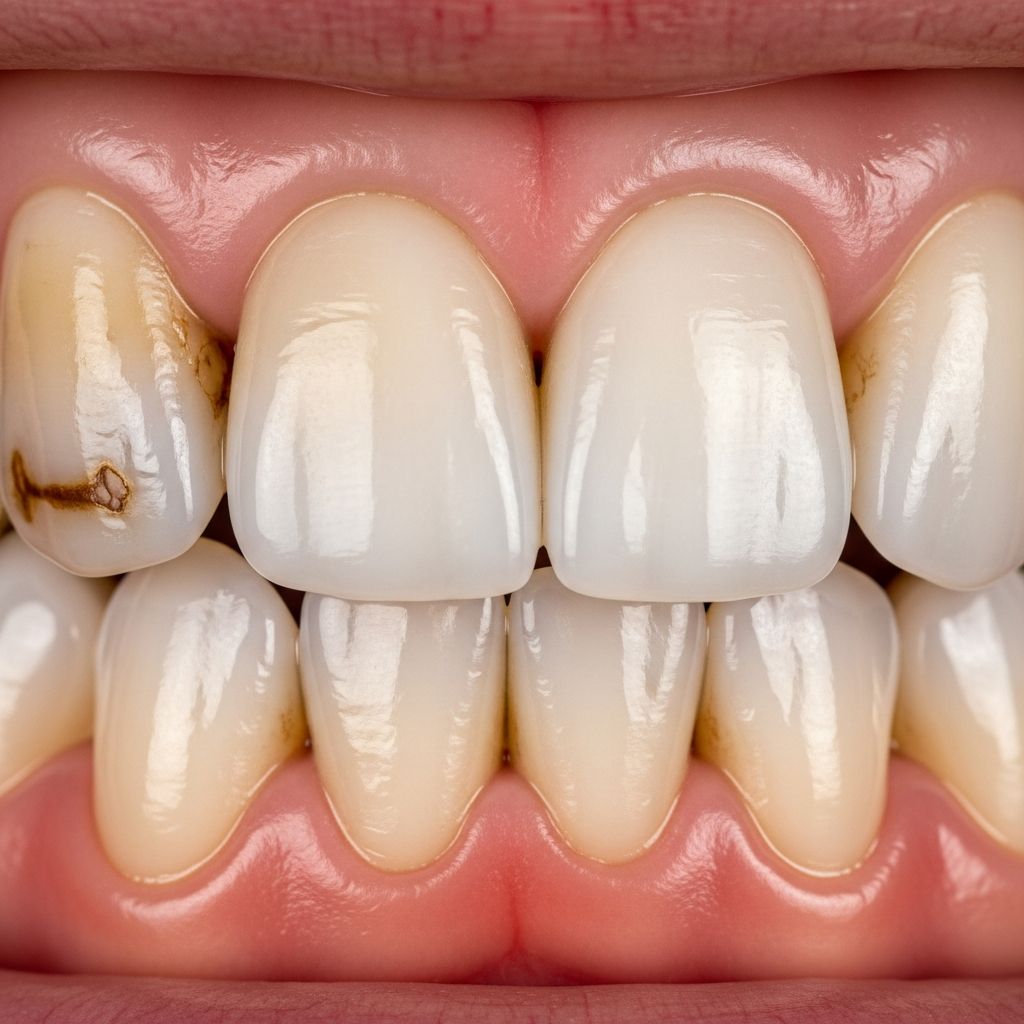
Tooth discoloration is a common dental concern that affects people of all ages and backgrounds. When the color of your teeth changes and they don’t appear as bright or white as they should, this condition is known as tooth discoloration. Your teeth may darken, change from white to different colors, or develop white or dark spots in specific areas. While tooth discoloration is often primarily a cosmetic concern, understanding its causes and treatment options can help you maintain a healthier, more attractive smile.
The main issues for discoloration are typically what we eat and drink, aging, and tooth injuries. According to dental professionals, tooth discoloration can happen to anyone for a variety of reasons, and it’s often caused by pigmented food and beverages as well as tobacco products like cigarettes, cigars, or chewing tobacco.
Types of Tooth Discoloration
Tooth discoloration can be categorized into three main types based on where the staining occurs and what causes it. Understanding these categories can help you identify the best treatment approach for your specific situation.
Extrinsic Discoloration
Extrinsic tooth discoloration occurs when stains affect only the tooth enamel, or the outer surface of the tooth. This type of discoloration is caused by external factors that come into contact with your teeth. The most common causes of extrinsic stains include food, beverages, and tobacco products. Because extrinsic stains are only on the surface of your teeth, they are typically easier to remove or reduce with teeth whitening products or professional whitening procedures.
Intrinsic Discoloration
Intrinsic tooth discoloration is more complex because the stain is located within the tooth itself, making it more resistant to over-the-counter whitening products. This type of stain often appears grayish in color. Causes of intrinsic stains include certain medications, trauma or injury to a tooth, tooth decay, excessive fluoride exposure, and genetic factors. Because intrinsic stains are embedded within the tooth structure, they typically require professional dental treatment for significant improvement.
Age-Related Discoloration
As you age, the enamel on your teeth naturally begins to wear away, which often results in a yellow appearance. Age-related discoloration may be caused by both extrinsic and intrinsic factors combined. Your teeth can become more brittle with age, allowing staining and yellowing to occur more easily. This type of discoloration is a natural part of aging, but there are treatments available to help minimize its appearance.
Common Causes of Tooth Discoloration
Understanding what causes tooth discoloration can help you take preventive steps to maintain your smile’s brightness and address issues early.
Food, Drink, and Tobacco
Certain types of food and drink can move into the outer layers of your tooth structure and stain your teeth. Some of the most common tooth staining culprits include:
- Red sauces
- Red wine
- Tea
- Coffee
- Chocolate
- Dark-colored berries
Tobacco use in the form of cigarettes or chewing tobacco can also cause significant tooth discoloration. Research shows there is a higher prevalence of tooth discoloration in smokers compared to non-smokers. Additionally, studies have found a higher level of dissatisfaction among smokers with how they look, based on the appearance of their teeth.
Related Stories



An acidic environment in your mouth can make your enamel more prone to discoloration. Beverages like tea, coffee, cola, and red wine are particularly problematic because they combine staining pigments with acidity that weakens tooth enamel.
Age and Tooth Injury
As you age, your teeth can become more brittle, allowing staining or yellowing to occur more easily. When tooth injuries are the root of the problem, sometimes only the damaged tooth will darken. Trauma from falls or accidents can cause discoloration, particularly in young children whose teeth are still developing.
Medications and Antibiotics
Certain medications are known to cause tooth discoloration. The antibiotic tetracycline and doxycycline are particularly well-known for causing permanent tooth discoloration when given to children whose teeth are still developing (before age 8). According to the Food and Drug Administration, there is a direct link between taking tetracycline antibiotics as a child and permanent tooth discoloration.
Other medications that can cause teeth discoloration include mouth rinses and washes containing chlorhexidine and cetylpyridinium chloride, antihistamines like Benadryl, antipsychotic drugs, and medications for high blood pressure.
Fluoride Overexposure
Too much fluoride can produce white spots on your teeth, a condition known as dental fluorosis. This occurs when children consistently ingest too much fluoride while their permanent teeth are still forming under their gums. This can happen through drinking heavily fluoridated water, formula, or swallowing large amounts of fluoride toothpaste.
Poor Oral Hygiene
Not brushing, flossing, and rinsing enough to remove plaque and stain-producing substances can lead to tooth discoloration. Poor oral hygiene increases the risk of tartar buildup and brown stains on teeth. Additionally, a diet that’s high in simple sugars and chronic dry mouth can contribute to tooth discoloration.
Dental Materials and Decay
Some of the materials used in dentistry, such as amalgam restorations, especially those containing silver sulfide, can cast a gray-black color to teeth. Untreated tooth decay can also cause discoloration. A cavity can cause a white spot on your tooth that turns darker as it becomes more advanced.
Other Health Conditions
Several diseases that affect enamel (the hard surface of the teeth) and dentin (the underlying material under enamel) can lead to tooth discoloration. Treatments for certain conditions can also affect tooth color. For example, head and neck radiation and chemotherapy can cause teeth discoloration. In addition, certain infections in pregnant mothers can lead to tooth discoloration in their babies by affecting enamel development. Health conditions such as liver disease, celiac disease, calcium deficiency, eating disorders, and metabolic diseases can also cause teeth discoloration.
Tooth Discoloration by Color
The color of your tooth discoloration can provide clues about its underlying cause. Understanding these color patterns can help you and your dentist identify the best treatment approach.
Yellow Discoloration
People who smoke or use chewing tobacco often develop yellow staining on their teeth. Yellow discoloration can also be caused by beverages like tea, coffee, or red wine, a diet that’s high in simple sugars, certain medications, poor oral hygiene, and chronic dry mouth. As you age, the white enamel surface of your teeth may wear down, causing the yellow core of your teeth to become more visible.
Brown Discoloration
Brown spots or discoloration can have many causes. Some of the most common causes include tobacco use, beverages like tea, coffee, cola, and red wine, dark-colored fruits like blueberries, blackberries, and pomegranates, untreated tooth decay, and tartar buildup. Poor brushing habits that lead to tooth decay may also cause teeth to turn brown.
White Spots or Discoloration
A cavity can cause a white spot on your tooth that turns darker as it becomes more advanced. Too much fluoride can also produce white spots on your teeth, a condition called fluorosis. This happens when teeth come into contact with too much fluoride from drinking water or excess use of fluoride rinses or toothpastes.
Black Discoloration
A black spot or stain can be caused by an advanced dental cavity, fillings and crowns that contain silver sulfide, or liquid iron supplements. Tooth decay or tooth pulp necrosis may turn your teeth grayish or black. Chewing betel nuts can also turn teeth black, and exposure to minerals like iron, manganese, or silver in industrial settings or from supplements may create a black line on your teeth.
Purple Discoloration
Red wine and purple-colored beverages can stain the enamel of your teeth with a purple undertone. Patients who regularly consume wine tend to have more of a purple undertone to their teeth.
When to See Your Dentist
If only one tooth is discolored, it may be due to a cavity or an injury to the inside of your tooth. The sooner these types of issues get treated by your dentist, the better the outcome will likely be. To keep your teeth in good health, see your dentist twice a year for routine exams. It’s often during these appointments that problems are discovered. When treatment is done early, it can help prevent the issue from becoming more complicated.
Treatment and Prevention
Stains that appear on the surface of your teeth can usually be removed or reduced with teeth whitening products or procedures. These can be done by your dentist or you can try at-home products. Professional whitening treatments tend to be more effective for intrinsic stains, while at-home products work well for extrinsic stains.
To prevent tooth discoloration, maintain good oral hygiene by brushing and flossing regularly, limit consumption of staining foods and beverages, avoid tobacco products, and visit your dentist regularly for professional cleanings and checkups.
Frequently Asked Questions
Q: Can tooth discoloration be prevented?
A: Many types of tooth discoloration can be prevented or minimized by maintaining good oral hygiene, limiting consumption of staining foods and beverages, avoiding tobacco products, and visiting your dentist regularly for professional cleanings and checkups.
Q: Is tooth discoloration a sign of a serious health problem?
A: While most tooth discoloration doesn’t signal a serious health issue, it can sometimes indicate underlying problems like tooth decay or cavities. If you notice sudden discoloration or discoloration of a single tooth, consult your dentist to rule out any underlying dental problems.
Q: What’s the difference between professional and at-home whitening?
A: Professional whitening treatments performed by your dentist tend to be more effective and faster-acting than at-home products. Professional treatments are particularly effective for intrinsic stains, while at-home products work well for extrinsic stains on the tooth surface.
Q: How long does tooth discoloration treatment last?
A: The longevity of whitening treatments depends on the method used and your lifestyle habits. Professional treatments may last several months to a year, while at-home treatments may require more frequent applications. Avoiding staining foods, beverages, and tobacco can help results last longer.
Q: Can children develop tooth discoloration?
A: Yes, children can develop tooth discoloration from various causes, including trauma to developing teeth, excessive fluoride exposure, certain medications like tetracycline antibiotics, and staining foods and beverages.
References
- Tooth Discoloration: Causes, Prevention, How to Remove Stains — Healthline. 2024. https://www.healthline.com/health/tooth-discoloration
- Tooth Discoloration: Causes, Types, Treatments, and Prevention — WebMD. 2024. https://www.webmd.com/oral-health/tooth-discoloration
- Fluorosis: Symptoms, Causes & Treatment — Cleveland Clinic. 2024. https://my.clevelandclinic.org/health/diseases/23227-fluorosis
- Cavities (Tooth Decay): Symptoms, Causes & Treatment — Cleveland Clinic. 2024. https://my.clevelandclinic.org/health/diseases/10946-cavities
- Food and Drug Administration (FDA) – Tetracycline and Tooth Staining — U.S. Food and Drug Administration. https://www.fda.gov
Similar Articles








Read full bio of medha deb