Tooth Enamel: Structure, Function & Protection
Complete guide to understanding tooth enamel, its functions, and how to protect it.
Understanding Tooth Enamel: The Foundation of Dental Health
Tooth enamel is the hardest substance in the human body, surpassing even bone in durability and strength. This remarkable protective layer covers the visible crown of your teeth above the gumline, serving as your mouth’s first line of defense against decay, sensitivity, and structural damage. Despite its crucial role in oral health, many people don’t fully understand what tooth enamel is, how it functions, or why protecting it should be a priority. This comprehensive guide explores everything you need to know about tooth enamel, from its molecular composition to practical strategies for maintaining its integrity throughout your lifetime.
What Is Tooth Enamel? Composition and Structure
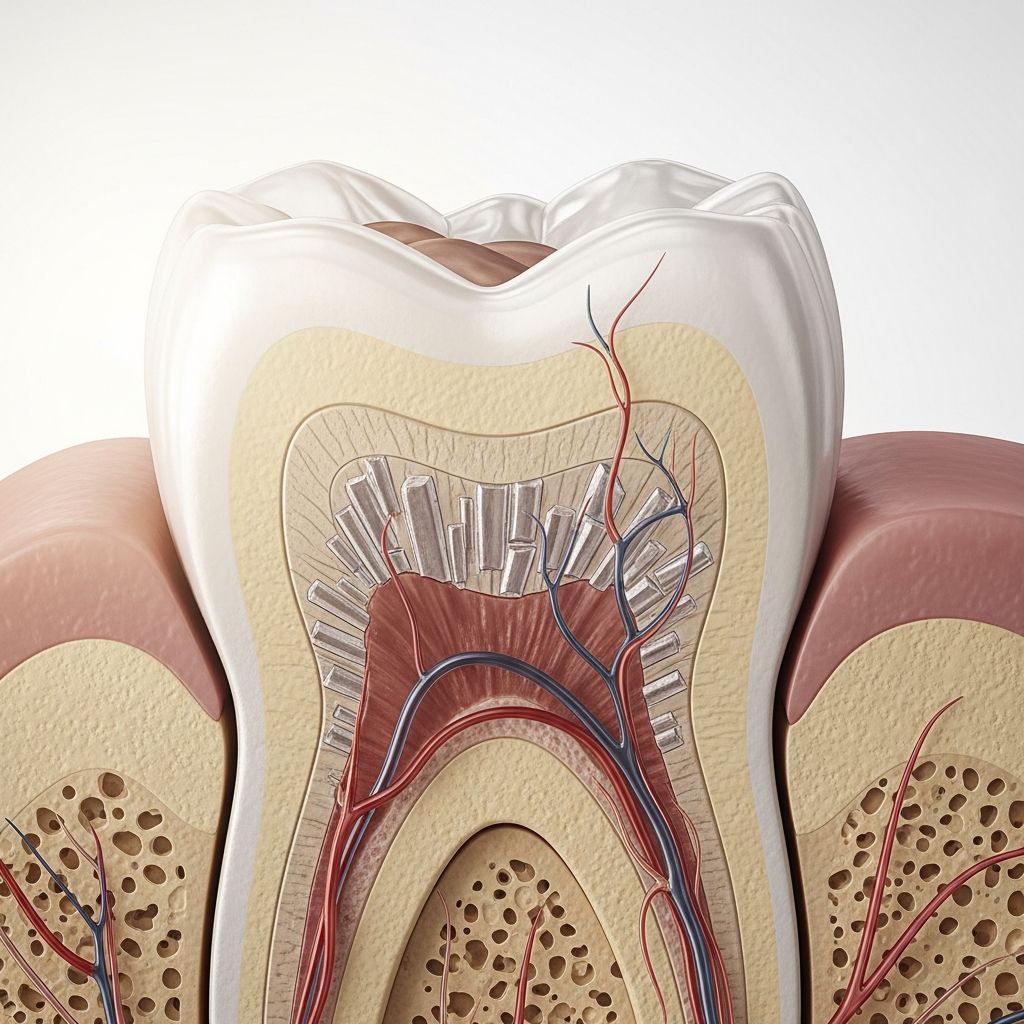
Tooth enamel is the outermost layer of your teeth, composed of a highly mineralized crystalline substance that gives it exceptional hardness. The primary component of enamel is hydroxyapatite, a crystalline form of calcium phosphate that provides both strength and durability to your teeth. Understanding the composition of enamel helps explain why it’s so effective at protecting your teeth and why its loss can be so problematic.
The mineral composition of tooth enamel breaks down as follows:
| Component | Percentage |
|---|---|
| Minerals (calcium and phosphorus) | 96% |
| Water | 4% |
| Proteins | 1% |
This high mineral content—approximately 95 percent mineral composition overall—is what distinguishes enamel from other tissues in your body. For comparison, cementum and bone are only about 65 percent mineral, making enamel significantly denser and harder. The remaining 5 percent consists of water and organic proteins, which contribute to enamel’s overall structure and flexibility.
Key Characteristics of Tooth Enamel
Hardness: Enamel is the hardest tissue in the human body, providing exceptional protection against physical forces. This hardness allows your teeth to withstand years of chewing, biting, and grinding without breaking down—under normal circumstances.
Translucency: While enamel itself is somewhat translucent, it doesn’t determine your tooth color. The underlying dentin layer beneath the enamel is responsible for the primary color of your teeth. This is why teeth can appear more yellow as enamel thins, since the darker dentin becomes more visible.
Non-Living Tissue: Unlike many other parts of your body, enamel does not contain living cells and cannot regenerate once damaged. This fundamental characteristic makes enamel protection critically important—damage to enamel is permanent and requires professional intervention to restore function.
The Functions of Tooth Enamel
Tooth enamel serves multiple essential functions that contribute directly to your oral health and overall well-being. Understanding these functions demonstrates why maintaining enamel integrity should be a cornerstone of your dental care routine.
Protection Against Decay
The primary function of enamel is to act as a protective barrier that shields the sensitive inner layers of your teeth—the dentin and pulp—from bacteria and acids. Cavity-causing bacteria in your mouth produce acids as a byproduct of metabolizing sugars and carbohydrates. When enamel is strong and intact, it prevents these acids from reaching the underlying dentin and pulp, thereby preventing cavities and tooth decay. This protective barrier is your first and most important defense against dental disease.
Resistance to Wear and Tear
Your teeth endure tremendous force every day. When you chew, bite, and grind your teeth, enamel withstands these mechanical forces without breaking down. This resistance to wear is possible because of enamel’s exceptional hardness and crystalline structure. Without this protective layer, your teeth would quickly wear down from normal use and become susceptible to structural failure.
Related Stories



Prevention of Tooth Sensitivity
Beneath the enamel lies the dentin, a porous tissue layer that contains microscopic tubules leading directly to the nerves within your tooth. By covering this nerve-rich dentin, enamel prevents tooth sensitivity to hot, cold, and sweet foods and beverages. When enamel erodes and dentin becomes exposed, these stimuli can trigger sharp pain or discomfort, a condition commonly referred to as sensitive teeth.
Guarding Against Stains
While enamel can become stained by certain foods, drinks, and lifestyle habits, it provides initial protection against discoloration. The smooth, protective surface of healthy enamel makes it more resistant to staining compounds than exposed dentin would be. This is why maintaining strong enamel contributes to keeping your smile bright and white.
Causes of Tooth Enamel Loss
Enamel erosion occurs when acids and other factors wear away the enamel surface over time. Understanding the causes of enamel loss is essential for implementing effective prevention strategies and protecting your teeth for the long term.
Dietary Habits
One of the most significant contributors to enamel erosion is dietary choices. Acidic foods and beverages are particularly damaging to enamel. Common culprits include:
– Citrus fruits and juices (oranges, lemons, limes, grapefruit)
– Soda and carbonated beverages
– Sports drinks and energy drinks
– Wine and acidic alcoholic beverages
– Tomato-based products
– Vinegar and pickled foods
When you consume these acidic foods and drinks, the acid directly weakens enamel by demineralizing the crystalline structure. Additionally, sugary foods and drinks feed the bacteria in your mouth that produce their own acids, creating a double threat to enamel health.
Poor Oral Hygiene
Inadequate brushing and flossing allow plaque to accumulate on your teeth. Plaque is a sticky film of bacteria that produces acids as a byproduct of metabolism. When plaque isn’t removed through proper oral hygiene, these bacteria continuously attack your enamel, leading to erosion and decay.
Dry Mouth (Xerostomia)
Saliva plays a crucial protective role in your mouth by naturally neutralizing acids and helping to remineralize enamel. When saliva production is reduced—a condition called xerostomia or dry mouth—the protective effects of saliva are diminished, and enamel becomes more vulnerable to erosion. Dry mouth can result from medications, medical conditions, or cancer treatments.
Teeth Grinding (Bruxism)
Grinding or clenching your teeth, whether during the day or while sleeping, applies excessive mechanical force to enamel. Over time, this grinding can wear down enamel and cause visible damage to tooth surfaces. Bruxism is often triggered by stress, anxiety, or sleep disorders.
Acid Reflux and GERD
Gastroesophageal reflux disease (GERD) and chronic acid reflux expose your teeth to stomach acid, which is extremely corrosive to enamel. When stomach acid repeatedly contacts your teeth, it can cause significant erosion over time.
Signs and Symptoms of Enamel Erosion
Recognizing the early signs of enamel erosion allows you to take corrective action before significant damage occurs. Common indicators that your enamel may be eroding include:
– Increased tooth sensitivity to hot, cold, or sweet stimuli
– Visible discoloration or yellowing of teeth as dentin becomes more visible
– Rough or irregular edges on teeth
– Frequent cavities or recurring decay
– Transparency or translucency at the edges of front teeth
– Indentations or cupping on the surface of teeth
In severe cases of enamel erosion, structural damage may lead to cracks or chips in your teeth. These advanced cases often require restorative treatments such as crowns or veneers to protect the affected teeth and restore their function and appearance.
Can Tooth Enamel Be Restored?
One of the most important facts about tooth enamel is that lost enamel cannot be fully restored or regenerated. Because enamel lacks living cells, your body cannot naturally rebuild it once it’s been removed or significantly eroded. However, this doesn’t mean that nothing can be done to strengthen weakened enamel and prevent further damage.
Remineralization: Strengthening Weakened Enamel
While complete restoration of lost enamel isn’t possible, weakened areas can be strengthened through a process called remineralization. Remineralization occurs when minerals like calcium and phosphate are redeposited onto the tooth surface, hardening and strengthening the enamel structure. Fluoride plays a key role in this process by attracting these minerals and helping them bond to weakened enamel.
Fluoride Treatments
Fluoride is highly effective for early-stage enamel erosion and works by strengthening enamel and preventing further erosion. Fluoride treatments are available in multiple forms:
| Fluoride Form | Description |
|---|---|
| Gels | Applied directly to teeth for concentrated fluoride dose |
| Varnishes | Protective coating that hardens on teeth for extended protection |
| Toothpastes | Everyday fluoride application during regular brushing |
Professional fluoride treatments applied by a dentist provide higher concentrations than over-the-counter products and are particularly beneficial for individuals with significant enamel erosion.
Restorative Dental Procedures
For more advanced cases of enamel erosion, restorative procedures may be necessary to restore tooth structure and protect underlying dentin. Common options include:
– Dental crowns: Custom-made caps that cover damaged teeth and restore their appearance and function
– Veneers: Thin shells bonded to the front of teeth to improve appearance and provide protection
– Composite bonding: Tooth-colored resin applied to repair chips, cracks, and erosion
How to Protect Your Tooth Enamel
Prevention is always better than treatment when it comes to tooth enamel. By implementing protective strategies, you can significantly reduce your risk of enamel erosion and maintain strong, healthy teeth throughout your life.
Dietary Modifications
Limit consumption of acidic foods and beverages. When you do consume them, drink them through a straw to minimize contact with your teeth. Rinse your mouth with water afterward to neutralize acids. Avoid sipping acidic drinks slowly throughout the day, as this prolongs acid exposure.
Proper Oral Hygiene
Brush your teeth twice daily with a soft-bristled toothbrush and fluoride toothpaste. Wait at least 30 minutes after consuming acidic foods before brushing, as the enamel is temporarily softened and more susceptible to damage from brushing. Floss daily to remove plaque and food particles from between teeth.
Use Enamel-Strengthening Products
Select toothpastes specifically formulated for enamel protection and remineralization. These products contain higher concentrations of fluoride and minerals like calcium and phosphate that help strengthen weakened enamel. Enamel-strengthening toothpastes are designed to protect against everyday acids without requiring abrasive action.
Address Underlying Conditions
If you suffer from dry mouth, acid reflux, or bruxism, work with your healthcare provider to manage these conditions. Treatment of the underlying cause helps prevent further enamel damage.
Frequently Asked Questions About Tooth Enamel
Q: How do I know if my enamel is completely gone?
A: Signs of advanced enamel loss include severe sensitivity to hot or cold foods, significant yellowing or discoloration of teeth, rough or uneven tooth edges, and frequent cavities. Once enamel is completely gone in an area, you’ll see the underlying yellowish dentin. Consult your dentist for professional evaluation and treatment options.
Q: What is the best toothpaste for protecting enamel?
A: Use a toothpaste containing fluoride and specifically formulated for enamel protection. Products designed for sensitive teeth often include enamel-strengthening ingredients. Your dentist can recommend the best option based on your individual needs and risk factors for erosion.
Q: Can I reverse enamel erosion?
A: While lost enamel cannot be completely restored, early-stage erosion can be halted and weakened enamel can be strengthened through remineralization with fluoride treatments. Advanced erosion may require restorative procedures like crowns or bonding to protect teeth and restore function.
Q: How long does it take for enamel to erode?
A: The rate of enamel erosion varies based on the severity and frequency of acid exposure, individual saliva composition, and oral hygiene practices. Some people may experience noticeable erosion within months of poor habits, while others may take years. Early intervention is key to preventing advanced damage.
Q: Is enamel erosion reversible with home remedies?
A: Home remedies cannot restore lost enamel, but proper oral care can prevent further erosion and strengthen weakened enamel. Professional fluoride treatments from your dentist are more effective than over-the-counter products for treating existing erosion.
Conclusion: Protecting Your Smile
Tooth enamel is an irreplaceable protective layer that shields your teeth from decay, sensitivity, and structural damage. As the hardest substance in the human body, enamel is remarkably durable—but it’s not indestructible. Once lost, it cannot be regenerated by your body, making prevention the most important strategy for maintaining optimal oral health.
By understanding what tooth enamel is, recognizing the factors that damage it, and implementing protective strategies, you can preserve your enamel and maintain a healthy, beautiful smile throughout your lifetime. Regular dental checkups, proper oral hygiene, dietary modifications, and the use of fluoride products work together to strengthen your enamel and protect your teeth from erosion. If you notice signs of enamel erosion, consult your dentist promptly to discuss treatment options and develop a personalized plan for protecting your remaining enamel.
References
- What is Tooth Enamel? Function and Care — Alpine Dental NJ. 2024. https://www.alpinedentalnj.com/blog/tooth-enamel
- What is Enamel and How to Protect It? — Sola Dental Spa. 2024. https://www.soladentalspa.com/blog/what-is-enamel-and-how-to-protect-it
- The Parts of The Tooth: What Are Your Teeth Made Of? — Pronamel. 2024. https://www.pronamel.us/tooth-enamel/what-are-teeth-made-of/
- Tooth Erosion: Stages, Causes & Treatment — Cleveland Clinic. 2024. https://my.clevelandclinic.org/health/diseases/tooth-erosion
- What Is Tooth Enamel and Why Does It Need Protection? — Wellnesse. 2024. https://wellnesse.com/blogs/hydroxyapatite-toothpaste/enamel-protection-strategies-integrating-mineral-toothpastes-into-your-routine
- Teeth: Anatomy, Types, Function & Care — Cleveland Clinic. 2024. https://my.clevelandclinic.org/health/body/24655-teeth
Similar Articles








Read full bio of medha deb