Tooth Extraction: Surgery & Healing Guide
Complete guide to tooth extraction procedures, recovery, and post-operative care.
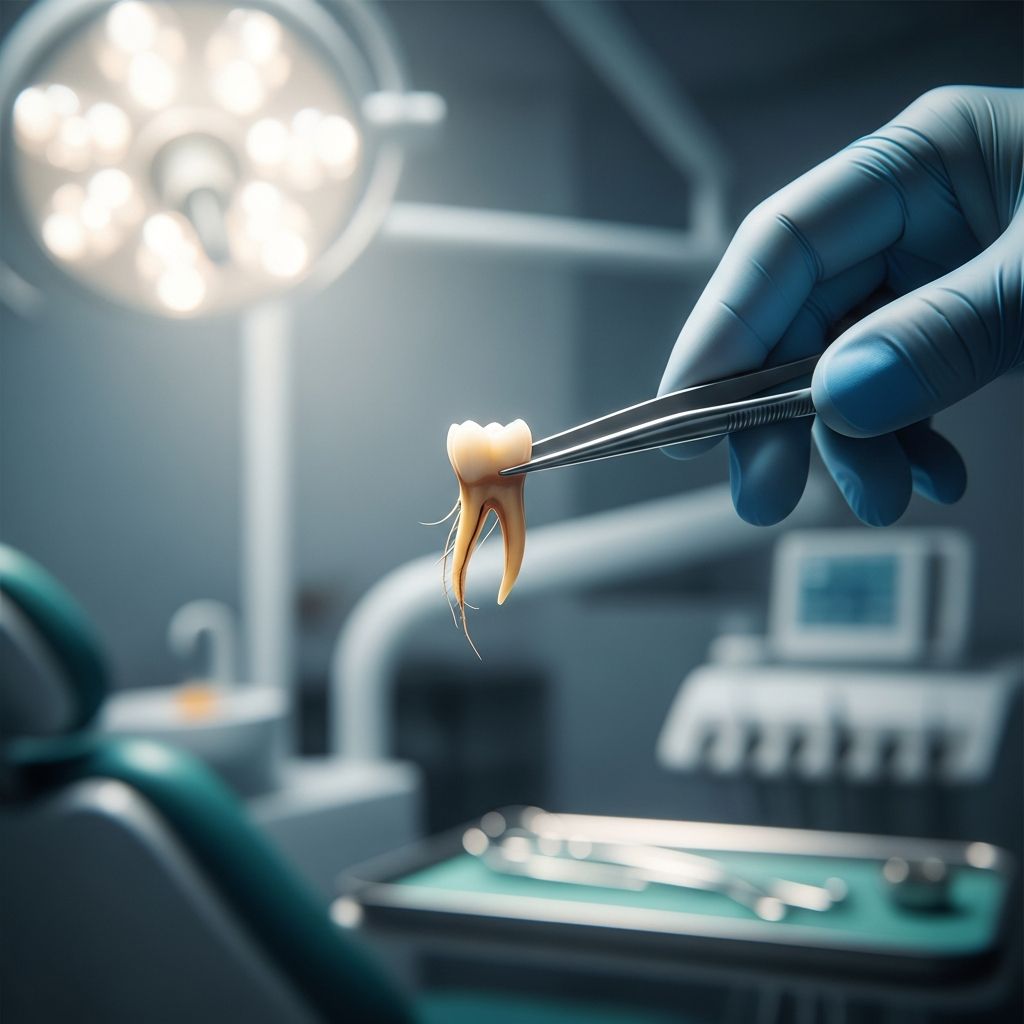
Understanding Tooth Extraction: A Complete Guide
A tooth extraction is a surgical procedure to remove a tooth from its socket in the jawbone. While dentists always prioritize preserving natural teeth whenever possible, extraction becomes necessary in certain situations where the tooth cannot be saved through other restorative treatments. This procedure is one of the most common dental surgeries performed today, and understanding what to expect can help ease any concerns you may have about undergoing this treatment.
When Is Tooth Extraction Necessary?
Your dentist or oral surgeon may recommend tooth extraction for several important reasons. Understanding why extraction might be recommended helps you make informed decisions about your oral health and treatment options.
Common Reasons for Tooth Extraction
- Severe Tooth Decay: When a tooth has extensive decay that cannot be treated with a filling or crown, extraction may be the best option to prevent further complications and protect your overall oral health.
- Advanced Gum Disease: Periodontal disease can weaken the tissues and bone supporting your teeth, making extraction necessary to prevent the spread of infection.
- Dental Trauma: Teeth that have been severely damaged from injury or accident may be beyond repair and require removal.
- Impacted Wisdom Teeth: Wisdom teeth that are trapped in the jaw or partially erupted can cause pain, infection, and crowding, necessitating surgical extraction.
- Orthodontic Treatment: Sometimes teeth need to be extracted to create sufficient space for proper tooth alignment during orthodontic treatment with braces.
- Crowding: When there is insufficient space in your mouth, extraction of one or more teeth may be necessary to allow for proper positioning of remaining teeth.
- Infection Risk: A tooth that poses a future risk of infection or has failed to heal after root canal therapy may need to be removed.
Types of Tooth Extraction Procedures
There are two primary methods of tooth extraction, each designed for different situations based on the tooth’s accessibility and condition. Your oral surgeon will determine which approach is most appropriate for your specific case.
Simple Extraction
A simple extraction is performed on teeth that are visible and easily accessible in the mouth. This procedure is typically used for teeth that have fully erupted above the gum line and are structurally intact. During a simple extraction, your dentist will first numb the area with local anesthesia to ensure your comfort. Using specialized dental instruments called elevators and forceps, the dentist will gently rock the tooth back and forth to loosen it from the periodontal ligament and bone. You may feel pressure during this process, but you should not experience pain due to the anesthetic. Once sufficiently loosened, the tooth is carefully lifted and removed from its socket. This procedure typically takes less time than surgical extraction and is often performed in a standard dental office setting.
Surgical Extraction
Surgical extraction is a more complex procedure necessary for teeth that cannot be easily accessed or removed through simple extraction. This type of extraction is commonly required for impacted wisdom teeth, teeth that have broken below the gum line, or teeth that have not fully erupted. During a surgical extraction, your oral surgeon will make a small incision in the gum tissue to access the tooth. In some cases, a small amount of bone covering the tooth may need to be removed to facilitate access. The tooth may also be sectioned into smaller pieces to allow for easier removal while minimizing trauma to surrounding tissues. After the tooth is removed, the incision is typically closed with stitches, and gauze is placed in the empty socket to control bleeding. Surgical extractions often require sedation to keep you comfortable throughout the procedure.
Pre-Procedure Preparation
Proper preparation before your tooth extraction is essential for ensuring a smooth procedure and optimal healing. Your oral surgeon will provide specific pre-operative instructions tailored to your individual situation.
Important Pre-Extraction Steps
- Schedule a comprehensive consultation to discuss your medical history and current medications
- Arrange for transportation, as you may receive sedation and will need someone to drive you home
- If sedation is planned, follow fasting instructions (typically nothing to eat or drink after midnight)
- Wear comfortable, loose-fitting clothing on the day of your procedure
- Avoid smoking and alcohol for several days before extraction
- Continue taking essential medications unless instructed otherwise by your surgeon
- Brush and floss gently before your appointment
Related Stories



What to Expect During the Procedure
Understanding the step-by-step process of tooth extraction can help reduce anxiety and prepare you mentally for the experience. The procedure typically follows a predictable pattern, though individual experiences may vary depending on the tooth’s complexity and your specific situation.
The Extraction Process
When you arrive for your appointment, your dental team will review your medical history and discuss anesthesia options. You’ll receive local anesthesia to numb the area, and depending on your preference and the complexity of the extraction, additional sedation options such as nitrous oxide (laughing gas), IV sedation, or general anesthesia may be offered. Once you’re comfortable, your surgeon will begin the extraction using appropriate techniques for your specific situation.
For simple extractions, the tooth will be loosened using elevators, then grasped with forceps and gently rocked to separate it from the surrounding bone and ligament. The entire process is designed to minimize trauma to adjacent tissues. For surgical extractions, your surgeon will make a small incision, potentially remove overlying bone, and use specialized instruments to carefully extract the tooth or tooth fragments. Throughout the procedure, your comfort is the priority, and you may receive additional anesthetic if needed.
Removing one tooth typically takes between 30 and 60 minutes, though extractions of multiple teeth or particularly complex cases may require additional time. After the tooth is removed, your surgeon will thoroughly clean the socket, may place bone grafting material if indicated, and then close any incisions with stitches.
Anesthesia and Sedation Options
Modern dentistry offers several anesthesia options to ensure you remain comfortable and pain-free throughout your extraction procedure. Your surgeon will discuss these options during your consultation and recommend the most appropriate choice based on your needs and preferences.
| Anesthesia Type | Description | Best For |
|---|---|---|
| Local Anesthesia | Numbs only the extraction site; you remain fully awake and alert | Simple extractions; patients who prefer minimal sedation |
| Nitrous Oxide (Laughing Gas) | Mild sedative that promotes relaxation while keeping you conscious | Patients with moderate anxiety about dental procedures |
| IV Sedation | Administered through a vein; produces deep relaxation and minimal memory of procedure | Complex extractions; patients with significant dental anxiety |
| General Anesthesia | Complete unconsciousness; typically reserved for complex surgical cases | Multiple extractions; particularly difficult surgical cases |
Recovery and Healing Process
The recovery period after tooth extraction varies depending on the complexity of the procedure and your individual healing ability. Most people recover within a week, though complete bone healing takes several months. Understanding the typical recovery timeline helps you plan appropriately and recognize normal healing progression.
Immediate Post-Operative Period
Immediately after your extraction, you may experience mild discomfort, slight bleeding, and swelling. Your surgeon will provide detailed instructions for at-home care, which typically include keeping gauze in place for the first hour and biting gently to help control bleeding. You must arrange for an adult family member or friend to take you home if you received sedation, as driving is not safe immediately following the procedure.
First Week of Recovery
During the first few days, swelling and discomfort are normal and typically peak around the second or third day. Apply ice packs to the outside of your face for 15 minutes on and 15 minutes off during the first 24 hours to minimize swelling. After 24 hours, switch to warm compresses if needed. Take prescribed pain medications as directed, and over-the-counter pain relievers like ibuprofen can help manage discomfort. Avoid strenuous activity, heavy lifting, and intense exercise during this period.
Ongoing Healing
By the end of the first week, most extraction sites are well on their way to healing. However, complete bone healing takes several months. During the healing process, avoid disturbing the extraction site, smoking, using straws, and consuming alcohol, especially while taking pain medications. A normal healing socket will gradually fill with bone tissue and eventually become level with the surrounding gum line.
Important Aftercare Instructions
Following your surgeon’s aftercare instructions is crucial for promoting proper healing and preventing complications. Proper care significantly reduces your risk of infection and promotes faster recovery.
Do’s and Don’ts for Optimal Healing
Do: Keep the extraction site clean by gently rinsing with warm salt water starting 24 hours after extraction. Take all prescribed antibiotics as directed. Continue taking essential medications unless instructed otherwise. Use prescribed or over-the-counter pain relievers as needed. Apply ice initially, then warm compresses as appropriate. Rest and elevate your head while sleeping. Eat soft, cool foods like yogurt, pudding, and smoothies. Stay hydrated by drinking plenty of water.
Don’t: Avoid smoking for at least 72 hours after extraction, as it significantly impairs healing. Don’t use straws for at least a week, as the suction can dislodge the blood clot. Avoid alcohol, especially when taking pain medications. Don’t eat hard, hot, spicy, or sticky foods that could irritate the extraction site. Refrain from rinsing, spitting forcefully, or touching the extraction site for the first 24 hours. Don’t engage in strenuous exercise or heavy lifting for at least 3-5 days. Avoid breathing through your mouth excessively, as dry socket can result from air hitting the extraction site.
Tooth Extraction Benefits for Oral Health
While extraction is typically considered a last resort, removing a severely damaged or diseased tooth offers important benefits for your overall oral health. Tooth extraction reduces harmful bacteria that can damage adjacent teeth and gums. Left untreated, a decayed or damaged tooth can cause infection, bone loss, and a host of other complications that affect not only your smile but potentially your systemic health as well. Removing your affected tooth gives you the best chance for long-term oral health and prevents the spread of infection to other teeth and tissues.
Replacing Your Extracted Tooth
After extraction and proper healing, you have several options for replacing your missing tooth. These options help maintain the alignment of your remaining teeth, preserve facial structure, and restore proper chewing function. Your dental team can discuss which replacement option is best suited to your specific situation.
Tooth Replacement Options
- Dental Implants: A surgically placed titanium post that serves as a replacement root, topped with a custom crown for a natural appearance and function
- Dental Bridges: A prosthetic tooth anchored to adjacent natural teeth, providing a fixed replacement solution
- Partial Dentures: A removable prosthetic that replaces one or more missing teeth
- Complete Dentures: A full set of prosthetic teeth for patients missing multiple or all teeth
When to Contact Your Oral Surgeon
While some discomfort and swelling are normal after extraction, certain symptoms may indicate complications requiring immediate attention. Contact your surgeon if you experience excessive bleeding that doesn’t stop after 30 minutes of gentle pressure, severe pain not controlled by prescribed medication, signs of infection such as fever, pus, or increasing swelling after the third day, difficulty swallowing or breathing, or a foul odor or taste from the extraction site beyond normal healing.
Frequently Asked Questions About Tooth Extraction
Q: Is tooth extraction painful?
A: Modern dentistry ensures a pain-free experience with local anesthesia or sedation. You’ll remain comfortable throughout the procedure. Some pressure or slight discomfort may be felt, but actual pain should not occur. Post-operative discomfort is manageable with prescribed or over-the-counter pain medications.
Q: How long does a tooth extraction take?
A: Removing a single tooth typically takes between 30 and 60 minutes. The exact duration depends on the tooth’s location, complexity, and whether it requires surgical extraction. Multiple extractions or particularly difficult cases may require additional time.
Q: How long is the recovery period?
A: Most people recover within a week, though recovery timelines vary based on extraction complexity. Complete bone healing takes several months, but you can typically return to normal activities within a week. Your surgeon will provide specific guidance based on your procedure.
Q: What should I eat after tooth extraction?
A: Stick to soft, cool foods like yogurt, pudding, smoothies, and applesauce for the first few days. As healing progresses, gradually introduce other soft foods. Avoid hot, hard, spicy, or sticky foods that could irritate the extraction site.
Q: Can I smoke after tooth extraction?
A: Smoking should be avoided for at least 72 hours after extraction, as it significantly impairs healing and increases infection risk. Ideally, refrain from smoking for at least one week or longer for optimal healing.
Q: What is dry socket and how can I prevent it?
A: Dry socket occurs when the blood clot that forms after extraction becomes dislodged, exposing the bone beneath. Prevent it by avoiding straws, smoking, vigorous rinsing, and forceful spitting for at least a week after extraction.
Q: When can I resume normal activities after extraction?
A: You can typically return to light activities within a few days, but avoid strenuous exercise and heavy lifting for at least 3-5 days. Your specific timeline depends on the extraction’s complexity and your individual healing progress.
References
- Tooth Extraction: Surgery & Healing — Cleveland Clinic. 2024. https://my.clevelandclinic.org/health/treatments/22120-tooth-extraction
- Wisdom Teeth Removal: Procedure & Recovery — Cleveland Clinic. 2024. https://my.clevelandclinic.org/health/treatments/22119-wisdom-teeth-removal
- Oral Surgery: Uses, Procedures & Recovery — Cleveland Clinic. 2024. https://my.clevelandclinic.org/health/procedures/oral-surgery
- What To Do After Wisdom Teeth Removal — Health Cleveland Clinic. 2024. https://health.clevelandclinic.org/wisdom-teeth-recovery
- Dentistry & Oral Surgery — Cleveland Clinic. 2024. https://my.clevelandclinic.org/departments/head-neck/depts/dentistry-oral-surgery
Similar Articles








Read full bio of Sneha Tete