Tooth Pain Causes: 6 Common Triggers, Symptoms & Relief Tips
Discover the most common causes of tooth pain, from decay to grinding, and learn when to seek dental care for relief.
Tooth pain, often described as a throbbing or sharp ache, affects millions and can disrupt daily life, eating, sleep, and work. It ranks among the top reasons for outpatient visits, with toothaches being the most prevalent dental issue experienced by 26% of U.S. adults in recent months. Common culprits include poor oral hygiene leading to decay or infection, but factors like injury or genetics also play roles. Understanding these causes helps in early intervention to prevent complications like abscesses or tooth loss. This article details the primary triggers, symptoms, and remedies based on dental expertise.
What Causes Tooth Pain?
Tooth pain arises when nerves in the teeth or surrounding tissues become irritated or inflamed. Bacteria from plaque produce acids that erode enamel, exposing sensitive dentin. Other triggers involve mechanical stress, infection, or structural issues. Persistent pain signals the need for professional evaluation, as home remedies offer only temporary relief. Studies show toothache sufferers often delay dental care despite high pain intensity comparable to backaches, opting instead for over-the-counter meds or self-advice.
1. Tooth Decay
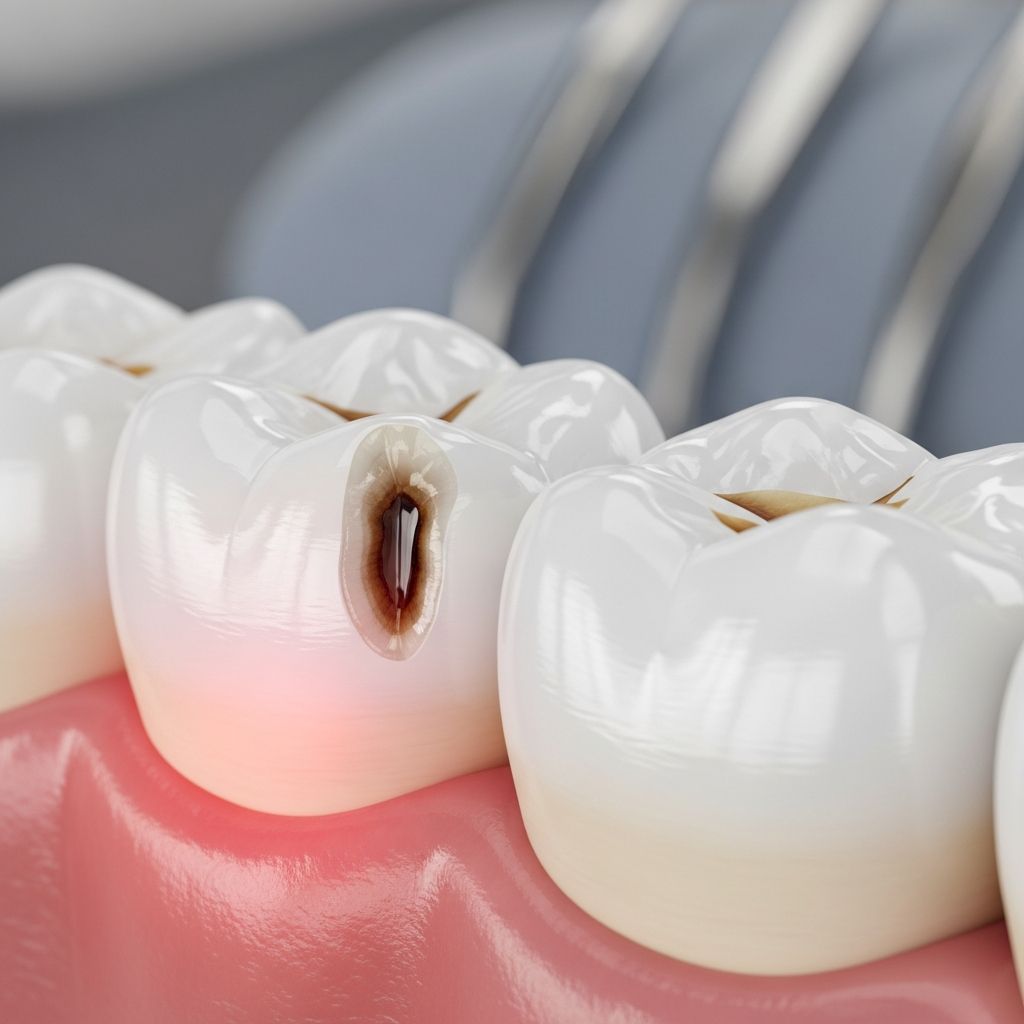
**Tooth decay**, the world’s most prevalent disease, tops the list of tooth pain causes. Bacteria in the mouth feed on sugars and carbs from food, producing acids that demineralize enamel. Without saliva or fluoride to remineralize, cavities form, exposing nerves and causing sensitivity to hot, cold, or sweets. If untreated, decay reaches the pulp, leading to infection and abscesses with severe, radiating pain. Age increases risk, as enamel thins, demanding stricter hygiene. Symptoms include visible holes, discoloration, and sharp pain during eating. Prevention: Brush twice daily with fluoride toothpaste, floss, and limit sugary intake. Treatment involves fillings, crowns, or root canals.
- Key risk factors: Poor brushing, frequent snacking, dry mouth.
- Progression: Enamel erosion → dentin exposure → pulp infection.
- Stats: Up to 90% of adults have experienced decay-related pain.
2. Receding Gums
Receding gums expose tooth roots, which lack protective enamel, triggering sharp pain from temperature or touch. Caused by plaque buildup inflaming gums (gingivitis), it progresses to periodontitis with bone loss if ignored. Bleeding gums signal early stages; advanced recession reveals sensitive roots. Hot/cold drinks or sweets exacerbate the zinging sensation. Brush at a 45-degree angle to the gumline to reduce bacteria. Professional cleanings and scaling halt progression; severe cases need grafts.
- Warning signs: Loose teeth, persistent bad breath, gum pockets.
- Reversible if caught early via improved hygiene.
- Impact: Increases decay and tooth loss risk by 50%.
3. Tooth Trauma
Tooth trauma from accidents, sports injuries, or bites causes immediate or delayed pain. Cracks, chips, or fractures expose pulp, leading to inflammation. Pain may emerge days or years later as nerves die. Bruxism or hard foods compound damage. Symptoms: Swelling, discoloration, sensitivity. Immediate care preserves the tooth—splinting or root canals. Wear mouthguards for prevention.
- Common in kids and athletes; 20% of injuries untreated initially.
- Delayed pain from silent nerve damage.
4. Teeth Grinding (Bruxism)
Teeth grinding, often stress-induced during sleep, wears enamel and strains the jaw, causing TMD pain. Wake with headaches, sore muscles, or diffuse toothache. High anxiety links to nocturnal clenching. Custom nightguards protect teeth; stress management (therapy, exercise) reduces episodes. Untreated, it leads to cracks and sensitivity.
Related Stories



- Symptoms: Worn teeth, jaw clicks, facial pain.
- Affects 10-30% of adults; women more prone.
5. Wisdom Teeth
Impacted wisdom teeth erupt painfully between ages 18-25, trapping food and bacteria in gum pockets, causing pericoronitis—inflammation or infection. Crooked positioning disrupts bite, inflaming adjacent teeth. Pain radiates to ear/jaw; swelling common. X-rays confirm position; extraction recommended if problematic. Full eruption without issues is rare.
- Risks: Cavities in neighboring teeth, cysts.
- 60% of adults need removal.
6. Heredity and Other Factors
Hereditary thin enamel or poor cementum sealing causes inherent sensitivity. No cure, but desensitizing toothpaste or fluoride varnish helps. Other contributors: Sinus infections mimicking tooth pain, cracks from chewing ice, or abscesses from prior decay. Twitter data reveals toothaches match backache intensity, yet only 10% seek dental care promptly, favoring meds despite risks.
Tooth Pain Relief at Home
While awaiting dental visits, rinse with warm saltwater, apply clove oil for numbing, or use OTC pain relievers like ibuprofen. Cold compresses reduce swelling. Avoid extremes in temperature/food. These soothe but don’t heal underlying issues—delays worsen outcomes.
| Method | Effectiveness | Cautions |
|---|---|---|
| Saltwater rinse | Reduces bacteria | Not for open wounds |
| Clove oil | Numbs nerves | Dilute to avoid burns |
| Ibuprofen | Anti-inflammatory | Follow dosage; consult doctor |
When to See a Dentist for Tooth Pain
Seek immediate care for swelling, fever, pus (abscess signs), or pain lasting over 2 days. Trauma, severe grinding, or wisdom issues warrant urgent visits. Early action prevents extractions—30-54% delay care, risking complications. Regular checkups catch issues silently brewing.
Prevention Tips for Tooth Pain
Maintain hygiene: Brush 2x/day, floss daily, use antimicrobial mouthwash. Limit sugars/acids; chew sugar-free gum for saliva flow. Nightguards for grinders; sealants for kids. Bi-annual dental visits monitor risks.
- Fluoride strengthens enamel.
- Balanced diet supports gum health.
- Quit smoking to prevent recession.
Frequently Asked Questions (FAQs)
Why does my tooth hurt when I drink cold water?
Exposed dentin from decay, recession, or cracks lets cold stimulate nerves. See a dentist for protection.
Can stress cause tooth pain?
Yes, via grinding leading to wear and TMD. Manage stress and use guards.
Is tooth pain always a cavity?
No—trauma, gums, or wisdom teeth also cause it. Diagnosis needed.
How long ignore toothache before dentist?
Never more than 1-2 days; infections spread fast.
Do sensitivity toothpastes work permanently?
Temporarily block tubules; professional treatments last longer.
References
- Six Common Causes of Tooth Pain — University of Utah Health. 2023-05-11. https://healthcare.utah.edu/healthfeed/2023/05/six-common-causes-of-tooth-pain
- Tweeting About Pain: Toothache compared to Backache, Earache, and Headache — National Library of Medicine (PMC). 2015-04-28. https://pmc.ncbi.nlm.nih.gov/articles/PMC4430082/
- Oral Health Basics — Centers for Disease Control and Prevention (CDC). 2024-08-15. https://www.cdc.gov/oralhealth/basics/index.html
- Periodontal Disease — National Institute of Dental and Craniofacial Research (NIDCR). 2023-11-01. https://www.nidcr.nih.gov/health-info/periodontal-disease
- Bruxism (Teeth Grinding) — Mayo Clinic. 2025-02-10. https://www.mayoclinic.org/diseases-conditions/bruxism/symptoms-causes/syc-20356047
Similar Articles








Read full bio of medha deb