Toothache: Symptoms, Causes & Treatment Options
Understanding toothaches: Learn about causes, symptoms, and effective treatment options.
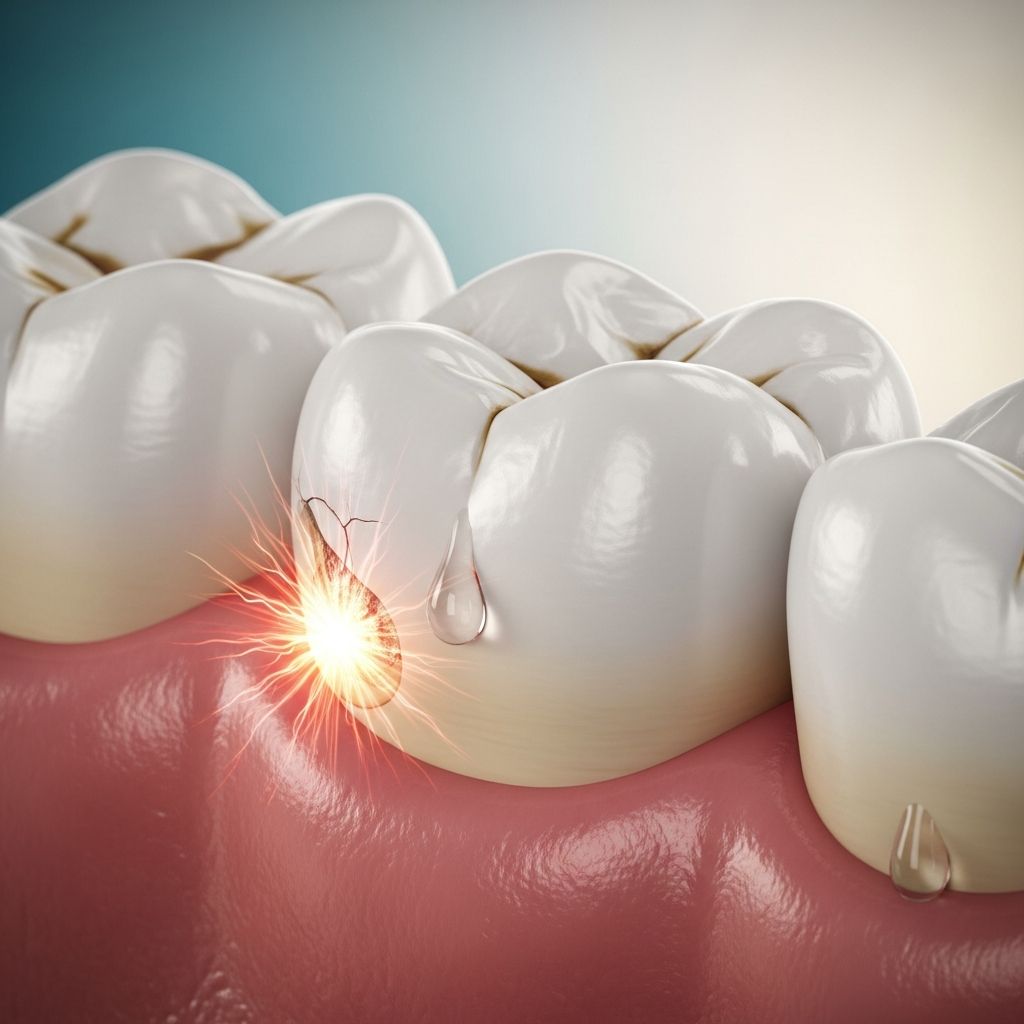
Understanding Toothaches: A Complete Guide
A toothache can range from a minor annoyance that disappears within a day or two to a severe, persistent pain that significantly disrupts your daily life. While some toothaches may resolve on their own, others indicate a serious dental problem requiring professional intervention. Understanding the nature of your tooth pain, its underlying causes, and appropriate treatment options is essential for maintaining your oral health and preventing complications.
Tooth pain originates from various sources, including trapped food particles, broken teeth, bacterial infections, or temporary gum irritation. While minor cases of gum inflammation can often be managed at home, serious toothaches stemming from cavities, infections, or other dental conditions typically require professional dental treatment to resolve completely.
What Is a Toothache?
A toothache refers to any pain occurring in or around a tooth. The severity can vary considerably, ranging from a dull, mild discomfort that’s barely noticeable to intense, debilitating pain that interferes with eating, sleeping, and concentration. The type and intensity of pain can provide important clues about the underlying cause and the urgency of treatment needed.
Minor toothaches often result from temporary conditions affecting the gums or tooth surface, while severe toothaches typically indicate underlying dental issues such as decay, infection, or structural damage that won’t improve without professional treatment.
Common Causes of Toothaches
Toothaches develop for numerous reasons, some requiring immediate attention and others resolving spontaneously:
Temporary Causes
Temporary gum irritation represents one of the most common causes of mild toothache. This irritation may occur from biting into something hard, such as popcorn hulls, hard candy, or ice, which can irritate the soft tissues surrounding your tooth. In these cases, the discomfort typically subsides within a day or two without intervention.
Serious Dental Conditions
More severe toothaches generally stem from underlying dental problems including cavities, broken or cracked teeth, bacterial infections, and abscess formation. Cavities develop when decay penetrates tooth structure, creating pain when the decay reaches deeper layers. A fractured or broken tooth exposes the sensitive inner layers of the tooth, causing significant discomfort. Bacterial infections can spread to the tooth pulp, causing inflammation and severe pain. Dental abscesses—pockets of pus resulting from bacterial infection in the gums—present as red, swollen bumps and cause considerable pain.
Symptoms of a Toothache
Recognizing toothache symptoms helps determine the severity and appropriate response. Common symptoms include:
Mild Symptoms: Slight discomfort when chewing or pressure sensitivity in a specific area of your mouth.
Moderate Symptoms: Persistent ache or throbbing sensation in or around a tooth, sensitivity to hot or cold foods and beverages, and mild swelling of the gum around the affected tooth.
Severe Symptoms: Intense, sharp pain that radiates to the jaw, ear, or neck; significant swelling of the face, jaw, or gums; difficulty chewing or opening your mouth; and general discomfort affecting your daily activities.
When to Seek Emergency Care
Related Stories



Certain toothache symptoms warrant immediate professional attention. Contact your dentist right away if you experience severe toothache lasting longer than a day or two, increasing pain intensity, or visible swelling.
Seek emergency care immediately if your toothache accompanies fever and chills, indicating a potential serious infection. Though rare, dental infections can spread beyond your mouth to other areas of your body, including your brain and bloodstream, potentially causing life-threatening complications. Other emergency symptoms include significant facial swelling, difficulty swallowing, or signs of systemic infection.
Diagnosing the Cause
Your dentist will perform a comprehensive examination to determine the cause of your toothache. This process includes:
Visual Examination: Your dentist will inspect the affected tooth and surrounding tissues, looking for visible signs of decay, discoloration, or damage.
Symptom Assessment: You’ll be asked detailed questions about when the pain started, its intensity, whether it’s constant or intermittent, what triggers or relieves the pain, and whether you’ve experienced any recent trauma to the tooth.
Dental X-rays: X-ray imaging allows your dentist to visualize structures beneath your gums, revealing decay, cracks, abscesses, or infections not visible during a visual examination. X-rays are particularly important for diagnosing problems affecting the tooth root or bone.
Treatment Options for Toothaches
Treatment depends on the underlying cause and severity of your condition. Your dentist will recommend the most appropriate option for your specific situation.
Temporary Pain Management
While waiting to see your dentist, over-the-counter pain relievers can reduce discomfort. Common options include acetaminophen and ibuprofen, which help manage pain and reduce inflammation temporarily. However, these medications only mask symptoms; they don’t address the underlying problem.
Ice Therapy: Applying ice to the affected area helps shrink blood vessels and reduce pain and inflammation. Wrap a bag of ice or frozen vegetables in a clean towel, then hold it against your outside jaw for approximately 20 minutes. Repeat several times daily for optimal relief.
Professional Dental Treatments
Dental Fillings: For small cavities or minor tooth fractures, your dentist will remove the damaged tooth portion and fill the void with durable filling material. This procedure stops decay progression and restores tooth function.
Dental Crowns: Larger cavities or fractures may require a dental crown—a tooth-shaped cap that fits over your entire tooth. Crowns strengthen the tooth and reduce the risk of further damage or decay.
Inlays and Onlays: When a cavity or crack is too large for a simple filling but doesn’t warrant a full crown, your dentist may recommend an inlay or onlay. This custom ceramic restoration fits into your tooth precisely, similar to a puzzle piece.
Root Canal Therapy: If bacteria from a cavity or crack penetrate your tooth pulp, you’ll need a root canal procedure. This treatment removes inflamed nerves, blood vessels, and connective tissues from inside your tooth. Your dentist then cleans the inner tooth surfaces and fills the pulp chamber and root canals with filling material. Most patients require a crown to protect and strengthen the tooth afterward.
Antibiotics: If infection is present, your dentist may prescribe antibiotics to eliminate bacterial infection. However, antibiotics only provide temporary relief; treating the underlying issue is essential to prevent infection recurrence.
Can Toothaches Go Away on Their Own?
Some toothaches do resolve without treatment. For example, if irritated gums result from biting into something hard, discomfort typically subsides within one to two days. However, true toothaches originating from the tooth itself—such as those caused by cavities, infections, or structural damage—usually indicate a problem requiring professional treatment.
If your toothache persists for longer than a day or two, you should contact your dentist. Early treatment prevents problems from worsening and helps avoid more serious complications and pain.
Preventing Toothaches
While you can’t always prevent toothaches, several measures reduce your risk significantly:
– Practice excellent oral hygiene by brushing twice daily with fluoride toothpaste and flossing daily
– Visit your dentist regularly for professional cleanings and examinations
– Limit sugary foods and beverages that promote cavity development
– Avoid chewing on hard objects such as ice, hard candy, or pen caps
– Wear a mouthguard if you play contact sports to prevent tooth trauma
– Address teeth grinding by wearing a night guard if recommended by your dentist
– Use proper brushing and flossing techniques to avoid damaging your gums
When Should You See a Dentist?
You should schedule a dental appointment if you develop:
– Toothache lasting longer than one to two days
– Severe tooth pain
– Fever accompanying your toothache
– Difficulty opening your mouth or swallowing
– Swelling in your face, jaw, or gums
– Visible damage to your tooth
Treating dental issues early prevents them from worsening and helps avoid more serious complications requiring extensive treatment.
Recovery After Dental Treatment
After receiving dental treatment for your toothache, your tooth should improve significantly. Some temporary sensitivity is normal, and it may take a few days to feel completely back to normal. Follow your dentist’s post-treatment instructions carefully, which may include avoiding certain foods, using prescribed mouthwash, and taking recommended pain relievers if needed.
Frequently Asked Questions
Q: How long does a toothache typically last?
A: This depends on the underlying cause. Minor toothaches from temporary gum irritation usually resolve within one to two days. However, toothaches resulting from cavities, infections, or structural damage persist until you receive professional treatment.
Q: Can I treat a toothache completely at home?
A: Home remedies like ice therapy and over-the-counter pain relievers provide temporary relief for mild discomfort, but they don’t address underlying dental problems. Serious toothaches require professional dental treatment for permanent resolution.
Q: What’s the difference between a toothache and tooth sensitivity?
A: A toothache refers to pain originating from the tooth or surrounding tissues, while tooth sensitivity causes sharp pain specifically when exposed to hot, cold, or sweet stimuli. Tooth sensitivity may indicate enamel loss or gum recession.
Q: Is a toothache accompanied by fever always an emergency?
A: Yes. A toothache combined with fever and chills suggests a serious bacterial infection that requires immediate professional attention to prevent the infection from spreading to other areas of your body.
Q: How can I prevent toothaches from recurring?
A: Maintain excellent oral hygiene, visit your dentist regularly for check-ups and cleanings, limit sugary foods and drinks, avoid chewing on hard objects, and address any dental issues promptly when they arise.
Q: Should I wait to see my dentist if my toothache goes away?
A: Even if pain subsides, you should still see your dentist. Pain reduction doesn’t mean the underlying problem has resolved—it may simply mean the nerve has temporarily become less irritated. Untreated dental problems typically worsen over time.
References
- Toothache: Symptoms, Causes & Remedies — Cleveland Clinic. 2023-04-11. https://my.clevelandclinic.org/health/diseases/10957-toothache
- Tooth Abscess: Symptoms, Causes & Treatments — Cleveland Clinic. https://my.clevelandclinic.org/health/diseases/10943-abscessed-tooth
- Cavities (Tooth Decay): Symptoms, Causes & Treatment — Cleveland Clinic. https://my.clevelandclinic.org/health/diseases/10946-cavities
- Sensitive Teeth: Causes, Treatment & Prevention — Cleveland Clinic. 2025-07-03. https://my.clevelandclinic.org/health/symptoms/10954-teeth-sensitivity
- Oral Hygiene: Best Practices & Instructions for Good Routine — Cleveland Clinic. https://my.clevelandclinic.org/health/treatments/16914-oral-hygiene
Similar Articles








Read full bio of medha deb