Toothache Symptoms: What They Mean And When To See A Dentist
Recognize toothache symptoms early: from sharp pain to swelling, learn causes, when to seek help, and home remedies for relief.
A
toothache
is a painful sensation in or around a tooth, often signaling an underlying dental issue that requires prompt attention. Characterized by throbbing, sharp, or persistent discomfort, toothache symptoms can range from mild sensitivity to severe pain disrupting daily life. Early recognition of these symptoms is crucial for preventing complications like infections or tooth loss.What Causes a Toothache?
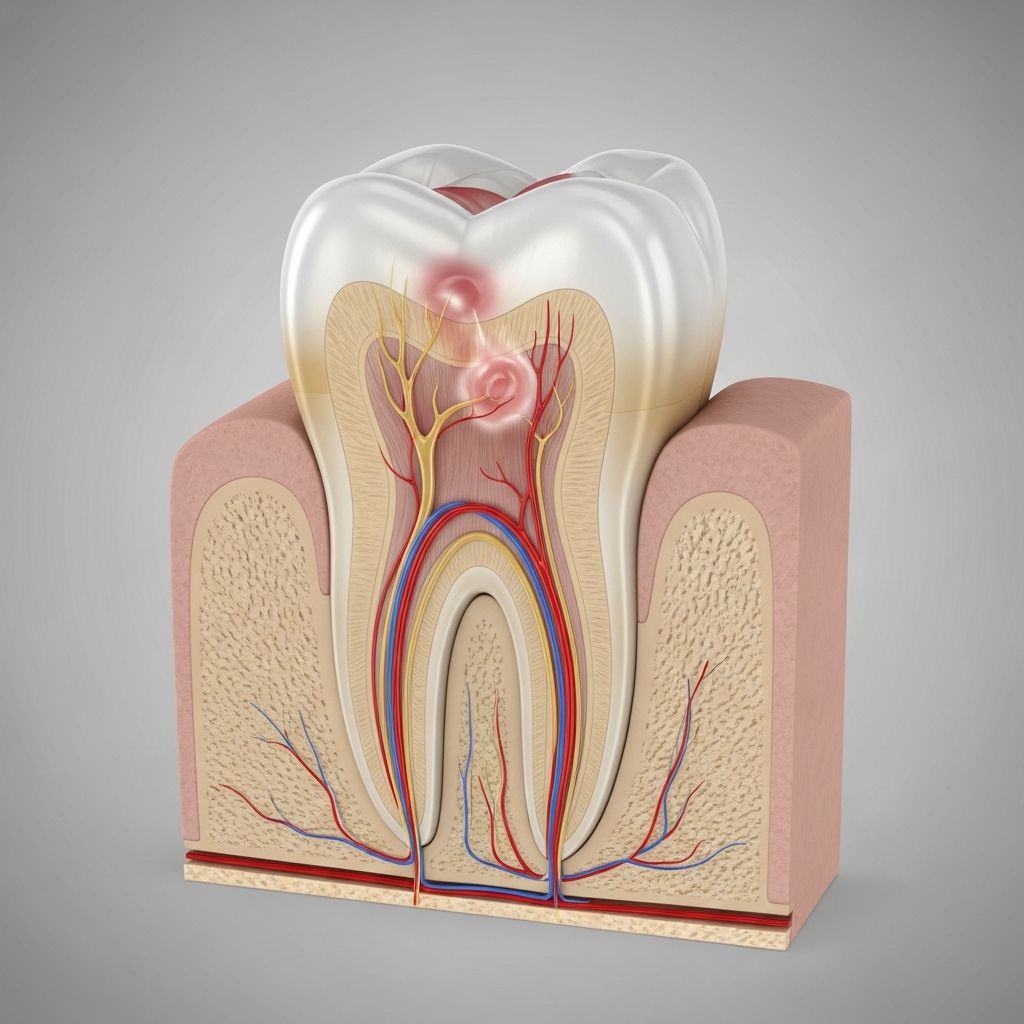
Toothaches stem from irritation of the tooth’s nerves in the pulp, the central core containing blood vessels and nerves. Common triggers include dental decay, trauma, or infections. Key causes encompass:
- Cavities and enamel erosion: Bacteria erode enamel, exposing sensitive dentin and causing pain, especially with hot, cold, or sweet foods.
- Dental injuries: Cracks, chips, or trauma from biting hard objects like popcorn kernels irritate nerves.
- Gum disease (periodontitis): Inflammation and infection of gums lead to swelling, bleeding, and tooth pain.
- Wisdom teeth eruption: Impacted third molars push against other teeth, causing jaw and tooth discomfort.
- Teeth grinding (bruxism): Nighttime grinding wears enamel and cracks teeth, exacerbated by stress or bite misalignments.
- Non-dental causes: Sinus infections press on upper tooth roots, TMJ disorders radiate pain to teeth, or nerve issues like trigeminal neuralgia mimic toothaches.
Foods high in sugar or acidity accelerate enamel breakdown, heightening sensitivity risks. Unlike fleeting discomfort, persistent pain indicates deeper issues like pulp inflammation or abscesses.
Common Toothache Symptoms
Toothache symptoms vary in intensity but often involve localized pain worsening with stimuli. Primary signs include:
- Throbbing or sharp pain: Dull ache escalating to severe, stabbing sensations lasting over 15 seconds after triggers.
- Sensitivity to temperature: Intense pain from hot, cold, sweet, or acidic items, signaling enamel loss or pulp exposure.
- Pain when chewing or biting: Pressure on affected teeth aggravates nerve irritation, common in cracks or abscesses.
- Jaw, ear, or headache pain: Radiating discomfort to cheeks, neck, or head due to inflammation spread.
- Swelling and bleeding: Gum inflammation, pus discharge, or facial swelling indicating infection.
- Fever or bad breath: Systemic signs of abscess or advanced decay.
Symptoms may start mildly but intensify with inflammation. Tapping the tooth can provoke pain if infected, even if it looks normal. Non-odontogenic pain feels constant, throbbing across the jaw, unlike localized dental pain.
How Bad Is a Toothache?
Toothache severity determines urgency. Pain scales from mild (fleeting sensitivity) to severe (unbearable throbbing with swelling). Use this table to assess:
| Severity Level | Symptoms | Action Needed |
|---|---|---|
| Mild | Brief sensitivity to hot/cold; no swelling | Home remedies; monitor 1-2 days |
| Moderate | Persistent ache when chewing; gum tenderness | Over-the-counter pain relief; dentist if no improvement |
| Severe | Intense throbbing, swelling, fever, difficulty opening mouth | Immediate dental care |
Severe pain often ties to pulpitis (pulp inflammation) or abscesses, requiring professional intervention. Non-dental pain may present as electric shocks or burning, triggered by touch or talking.
Types of Tooth Pain
Tooth pain manifests differently based on the cause:
- Acute odontogenic pain: Sudden, excruciating, localized to one tooth; sensitive to stimuli; from caries or trauma.
- Chronic dull ache: Persistent low-level throb from grinding or gum disease.
- Radiating pain: Spreads to jaw/face from TMJ, sinuses, or neuralgia.
- Pulsating pain: Throbbing with heartbeat, common in abscesses.
Distinguishing types aids diagnosis: dental pain worsens with chewing/hot-cold; non-dental is constant or triggered unusually.
Non-Dental Causes of Tooth Pain
Related Stories



Not all tooth-like pain originates from teeth. Consider these when dental exams are clear:
- Trigeminal neuralgia: Severe, jolt-like facial pain mimicking toothache, from nerve compression.
- Sinusitis: Pressure on upper molars during congestion or bending.
- TMJ disorders: Jaw joint issues from clenching, causing referred tooth pain.
- Other: Ear infections, cluster headaches, or rarely, heart issues radiating to jaw.
Red flags include pain post-dental treatment, sudden onset, or with headaches/visual changes—prompt medical evaluation.
When to See a Dentist for Toothache
Seek immediate care if pain lasts over 1-2 days, prevents mouth opening, or accompanies swelling/fever. Urgent signs:
- Pain unresponsive to OTC meds.
- Swelling spreading to face/neck.
- Loose teeth or pus drainage.
- Difficulty breathing/swallowing.
Even mild pain persisting warrants a check for hidden decay. Primary care can rule out non-dental causes initially.
Toothache Relief and Home Remedies
For minor toothaches, try these while awaiting dental care:
- Pain relievers: Ibuprofen or acetaminophen reduce inflammation.
- Cold compress: Apply to cheek for swelling.
- Saltwater rinse: Gargle to clean and soothe gums.
- Clove oil: Natural anesthetic on cotton ball.
- Avoid triggers: Hot/cold/sweet foods.
Continue brushing/flossing to prevent worsening, despite discomfort. Topical gels provide temporary numbness. Severe cases need antibiotics or root canals.
Prevention of Toothaches
Prevent toothaches through daily habits:
- Brush twice daily with fluoride toothpaste.
- Floss to remove plaque.
- Limit sugary/acidic foods.
- Wear mouthguards for grinding/sports.
- Regular dental checkups catch issues early.
Frequently Asked Questions (FAQs)
Q: How long should a toothache last before seeing a dentist?
A: Consult a dentist if pain persists beyond 1-2 days or worsens.
Q: Can sinus issues cause tooth pain?
A: Yes, sinus pressure affects upper teeth roots, worsening with congestion.
Q: Is teeth grinding a common toothache cause?
A: Yes, bruxism erodes enamel and cracks teeth, especially at night.
Q: What home remedy works fastest for toothache?
A: Ibuprofen and cold compresses offer quick inflammation relief.
Q: Does a normal-looking tooth mean no problem?
A: No, tapping may reveal hidden infection.
References
- Toothache: Causes, Symptoms, & Triggers — Orajel. Accessed 2026. https://www.orajel.com/en/resource-center/toothache-pain-relief/symptoms-and-causes-of-toothaches
- When Tooth Pain Isn’t Dental: Beyond the Dentist — Banner Health. Accessed 2026. https://www.bannerhealth.com/healthcareblog/teach-me/when-tooth-pain-is-not-a-dental-problem
- Managing tooth pain in general practice — PMC – NIH. 2019-05-31. https://pmc.ncbi.nlm.nih.gov/articles/PMC6535452/
Similar Articles








Read full bio of Sneha Tete