Top 4 Reasons Why You’re Not Sleeping Through the Night
Discover the science behind nighttime awakenings and learn evidence-based strategies to improve sleep quality.
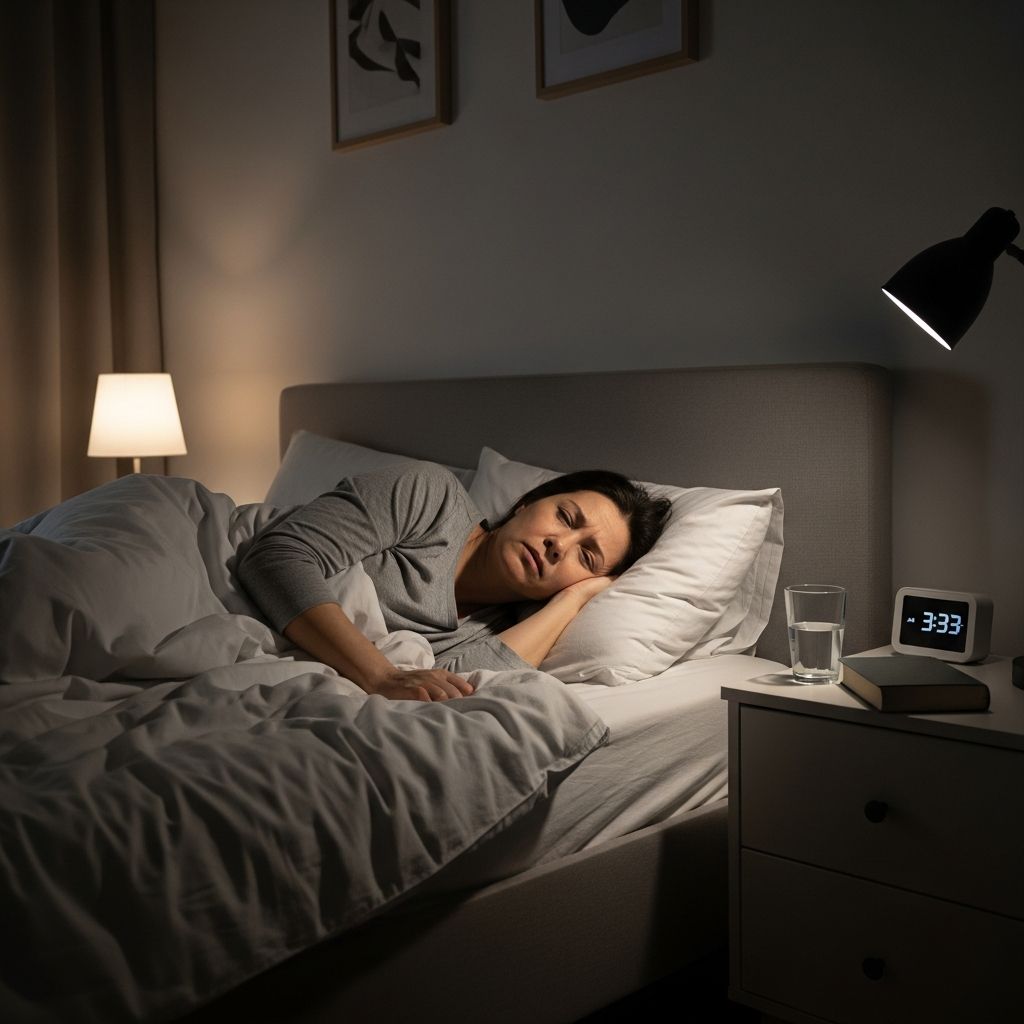
Quality sleep is fundamental to overall health and well-being, yet millions of people struggle with nighttime awakenings that fragment their rest and leave them feeling exhausted. While many focus on getting enough total hours of sleep, the ability to maintain continuous sleep throughout the night is equally important for physical restoration and mental clarity. Understanding why you wake up during the night is the first step toward achieving the restorative sleep your body needs to function optimally.
Research from Harvard Medical School and other leading institutions demonstrates that insufficient or interrupted sleep increases the risk of developing serious medical conditions, including obesity, diabetes, cardiovascular disease, and compromised immune function. More than one-third of Americans fail to meet the recommended seven-hour minimum nightly sleep, with many experiencing multiple nighttime awakenings. The quality and continuity of sleep matter as much as duration, and addressing the underlying causes of nighttime disruptions can significantly improve both sleep architecture and overall health outcomes.
Understanding Sleep Disruption and Its Health Impact
Sleep disruption affects more than just how you feel the next morning. Continuous nighttime awakenings prevent your body from completing full sleep cycles, which are essential for tissue repair, muscle growth, and protein synthesis—processes that occur almost exclusively during sleep. When you repeatedly wake during the night, your brain cannot progress through the deeper, more restorative stages of sleep where most of these critical processes occur.
Major restorative functions in the body depend on uninterrupted sleep to recover from the wear and tear of daily life. Fragmented sleep reduces the effectiveness of these restoration processes, leading to increased inflammation, weakened immune response, and elevated stress hormones. Over time, chronic sleep disruption contributes to the development of metabolic disorders, cardiovascular disease, and accelerated biological aging.
Reason #1: Sleep Apnea and Breathing Disorders
One of the most common yet frequently undiagnosed reasons for nighttime awakenings is obstructive sleep apnea (OSA), a condition where breathing repeatedly stops and starts during sleep. These interruptions trigger arousals that force you awake, often so briefly you don’t consciously remember them, yet they fragment your sleep architecture and prevent deep rest.
During sleep apnea events, the muscles in your throat relax excessively, narrowing or blocking your airway. Your brain responds by jolting you awake just enough to resume breathing, creating a cycle that can occur dozens or even hundreds of times per night. Each arousal, no matter how brief, prevents you from maintaining the continuous sleep necessary for full restorative benefits.
Common symptoms of sleep apnea include:
- Loud snoring or gasping sounds during sleep
- Witnessed breathing pauses by a sleep partner
- Excessive daytime sleepiness despite seemingly adequate sleep duration
- Morning headaches or dry mouth upon waking
- Frequent nighttime awakenings or restless sleep
- Difficulty concentrating during the day
- Mood changes or irritability
Research from Harvard institutions has documented strong connections between sleep apnea and increased cardiovascular disease risk, including hypertension, stroke, coronary heart disease, and irregular heartbeat. If you suspect you have sleep apnea, professional evaluation through sleep testing is essential, as effective treatments like continuous positive airway pressure (CPAP) therapy can dramatically improve both sleep quality and long-term health outcomes.
Reason #2: Circadian Rhythm Disruption
Your body’s internal clock, known as the circadian rhythm, regulates when you feel alert and when you feel sleepy. This biological timing system evolved over millions of years and responds primarily to light exposure. When your circadian rhythm is disrupted, you may struggle to stay asleep throughout the night, even if you’re physically tired.
Modern life disrupts circadian rhythms in multiple ways. Artificial lighting, particularly the blue light emitted by phones and screens, signals your brain that it’s daytime when it’s actually evening. This suppresses melatonin production, the hormone that promotes sleep. Irregular sleep schedules, shift work, jet lag, and late-night light exposure all contribute to circadian misalignment, making it difficult to maintain continuous sleep.
Factors that disrupt circadian rhythm include:
- Irregular sleep and wake times
- Exposure to bright light in the evening hours
- Blue light from electronic devices before bed
- Shift work or jobs requiring variable hours
- Frequent travel across time zones
- Aging, which naturally fragments sleep patterns
- Seasonal changes affecting light exposure
To support your circadian rhythm, establish consistent sleep and wake times, even on weekends. Expose yourself to bright light in the morning to reinforce your body’s natural timing, and minimize light exposure in the evening. Consider blue light filters on devices or wearing blue light-blocking glasses after sunset. These simple adjustments can significantly improve your ability to maintain continuous sleep throughout the night.
Reason #3: Medications and Substance Use
Many common medications can interfere with sleep quality and continuity, causing frequent awakenings that disrupt your rest. Additionally, caffeine, alcohol, and nicotine—substances many people use daily—can fragment sleep architecture and prevent you from sleeping through the night.
Medications that commonly affect sleep include antidepressants, blood pressure medications, corticosteroids, and stimulants used to treat attention-deficit disorders. Some people don’t realize their medication is contributing to sleep disruption until they discuss sleep quality with their healthcare provider. It’s important to review all medications and supplements with your doctor to understand their potential effects on sleep.
Substances that disrupt nighttime sleep:
- Caffeine (effects can last 5-8 hours after consumption)
- Alcohol (disrupts sleep architecture despite initial drowsiness)
- Nicotine (acts as a stimulant)
- Certain prescription medications
- Energy drinks and caffeinated sodas
- Excessive fluid intake before bed
Timing matters significantly with these substances. Consuming caffeine after mid-afternoon can interfere with sleep onset and continuity, even in people who don’t consciously feel caffeinated. While alcohol may initially make you drowsy, it metabolizes during the night and causes frequent awakenings in the second half of sleep. Never discontinue medications without consulting your healthcare provider, but do discuss sleep disruption as a potential side effect that might be managed through timing adjustments or alternative medications.
Reason #4: Stress, Anxiety, and Racing Thoughts
Psychological factors represent another major category of sleep disruption. Stress and anxiety activate your nervous system, keeping your mind alert and preventing the mental quiet necessary for continuous sleep. When you’re anxious or worried, your brain remains in a heightened state of vigilance, making it easy to wake and difficult to return to sleep.
The relationship between stress and sleep is bidirectional: poor sleep increases stress sensitivity, and stress impairs sleep quality. This creates a cycle where nighttime awakenings generate anxiety about not sleeping, which further disrupts sleep. Many people find themselves stuck in this pattern, waking at the same time each night as their anxious thoughts resurface.
Common mental and emotional factors affecting sleep continuity:
- Work-related stress and deadlines
- Relationship difficulties
- Financial worries
- Health anxiety
- Rumination and racing thoughts
- Anticipatory anxiety about upcoming events
- Unresolved emotional conflicts
Cognitive-behavioral therapy for insomnia (CBT-I) has demonstrated strong effectiveness in addressing stress-related sleep disruption. This evidence-based approach helps you identify thought patterns that maintain sleep problems and develop new, healthier sleep behaviors. Relaxation techniques, meditation, deep breathing exercises, and mindfulness practice can also significantly reduce nighttime anxiety and improve sleep continuity.
Comprehensive Sleep Hygiene for Uninterrupted Rest
Regardless of the specific cause of your nighttime awakenings, implementing proper sleep hygiene practices creates an optimal environment for continuous sleep. Sleep experts consistently emphasize that quality sleep depends on establishing consistent habits and creating a sleep-conducive environment.
Key sleep hygiene recommendations include:
- Maintain consistent sleep and wake times, ideally seven days a week
- Keep your bedroom cool (around 65-68°F), dark, and quiet
- Invest in a comfortable mattress and pillows appropriate for your sleep position
- Remove electronic devices from the bedroom or silence notifications
- Avoid screens for 30-60 minutes before bed
- Limit caffeine consumption after mid-afternoon
- Avoid large meals, alcohol, and vigorous exercise close to bedtime
- Get natural light exposure in the morning
- Exercise regularly, but not within three hours of bedtime
- Consider relaxation techniques before bed
The Role of Sleep Duration and Quality
While this article focuses on nighttime awakenings, it’s worth noting that sleep duration and sleep continuity are complementary factors. Research indicates that adults generally need seven or more hours of sleep per night, with individual variation based on age, health status, and other factors. However, seven hours of fragmented sleep with multiple awakenings provides less restorative benefit than six hours of continuous, high-quality sleep.
The key is finding your personal optimal sleep range and ensuring that sleep is as continuous as possible. Most sleep scientists recommend aiming for seven to nine hours, but the quality and continuity of that sleep are equally important as the total duration. If you’re waking frequently, addressing the underlying causes will improve both sleep quality and overall health outcomes more effectively than simply trying to spend more time in bed.
When to Seek Professional Help
If nighttime awakenings persist despite implementing good sleep hygiene practices, professional evaluation is warranted. Sleep medicine specialists can conduct comprehensive assessments, including sleep studies when appropriate, to identify underlying causes like sleep apnea, restless leg syndrome, or periodic limb movement disorder.
Contact a healthcare provider if you experience:
- Frequent awakenings occurring most nights
- Difficulty returning to sleep after waking
- Excessive daytime sleepiness despite adequate time in bed
- Loud snoring or witnessed breathing pauses
- Persistent insomnia lasting more than a few weeks
- Sleep disruption affecting work or daily functioning
Frequently Asked Questions
Q: Is it normal to wake up during the night?
A: Brief awakenings are normal, but if you’re waking multiple times per night or having difficulty returning to sleep, it may indicate an underlying sleep issue worth addressing with improved sleep hygiene or professional evaluation.
Q: How long should it take to fall back asleep?
A: Most sleep experts recommend that if you haven’t fallen back asleep within 20 minutes, get out of bed and do a quiet, non-stimulating activity until you feel drowsy enough to return to bed. This prevents your brain from associating bed with wakefulness and anxiety.
Q: Can sleep apnea be treated without a CPAP machine?
A: While CPAP is the gold standard treatment, alternatives include positional therapy, oral appliances, lifestyle modifications, and in some cases, surgical interventions. Discuss options with a sleep specialist.
Q: Does age affect nighttime awakenings?
A: Yes, aging naturally fragments sleep patterns and increases the likelihood of nighttime awakenings. However, frequent disruptions should not be accepted as inevitable; many causes are treatable regardless of age.
Q: How quickly can sleep hygiene changes improve sleep?
A: Some changes show immediate effects, while others take two to four weeks to demonstrate full benefit. Consistency is more important than expecting overnight transformation.
References
- Sleep and Health – Division of Sleep Medicine — Harvard University. 2024. https://sleep.hms.harvard.edu/education-training/public-education/sleep-and-health-education-program/sleep-health-education-86
- How Much Sleep Do You Really Need? A Harvard Professor Weighs In — Fortune Magazine. October 30, 2025. https://fortune.com/2025/10/30/harvard-professor-how-much-sleep-do-you-really-need-8-hours/
- The Harvard Medical School Guide to a Good Night’s Sleep — PubMed Central, National Center for Biotechnology Information. https://pmc.ncbi.nlm.nih.gov/articles/PMC2542497/
- American Academy of Sleep Medicine — Official sleep recommendations for adults. https://aasm.org
- Mayo Clinic Sleep Disorders Center — Guidelines for healthy sleep duration and quality. https://www.mayoclinic.org/healthy-lifestyle/adult-health/expert-answers/how-many-hours-of-sleep-are-enough/faq-20057898
- Sleep Deprivation and Disease Risk — National Institutes of Health. https://www.nih.gov/news-events/news-releases/study-shows-sleep-deprivation-increases-risk-disease
Similar Articles








Read full bio of medha deb