Top 5 Ways to Reduce Crippling Hand Pain
Effective strategies to manage and reduce chronic hand pain and regain functionality.
Hand pain is one of the most debilitating conditions that can significantly impact your quality of life and ability to perform everyday tasks. Whether you’re typing at a desk, preparing meals, or simply holding a coffee cup, chronic hand pain can transform routine activities into sources of frustration and discomfort. Understanding the most effective strategies to manage and reduce hand pain is essential for anyone suffering from this condition. This comprehensive guide explores five proven methods to alleviate crippling hand pain and help you regain functionality and independence.
Understanding Hand Pain
Hand pain can stem from numerous causes, with arthritis being the most common culprit affecting millions of people worldwide. Both osteoarthritis and rheumatoid arthritis can cause inflammation, pain, and swelling in the hand joints, severely limiting mobility and dexterity. Other causes include repetitive strain injuries, carpal tunnel syndrome, tendinitis, and traumatic injuries. Regardless of the underlying cause, the impact on daily life can be profound, making effective pain management strategies crucial for maintaining quality of life.
Method 1: Rest and Activity Modification
One of the first and most important steps in managing hand pain is providing adequate rest to the affected area. Resting your hands allows the damaged tissues to begin the healing process without further aggravation. This doesn’t necessarily mean complete immobilization, but rather avoiding activities that strain your hands, such as gripping, squeezing, or repetitive motions that exacerbate your symptoms.
Activity modification is a key component of rest therapy. You should identify which specific movements or activities trigger your pain and either avoid them temporarily or modify how you perform them. For instance, if typing causes pain, take frequent breaks and adjust your keyboard height. If gripping tools is problematic, use ergonomic grips or ask for assistance. Listening to your body and respecting its limitations during the healing process is essential for long-term recovery.
Many cases of hand pain that result from overuse or minor injuries can heal on their own with proper rest. However, if your pain persists beyond a few weeks or is severe from the onset, consulting a healthcare professional is important to rule out serious underlying conditions.
Method 2: Heat and Cold Therapy
Applying heat and cold to affected areas of your hand provides significant relief and can be done easily at home. These simple yet effective therapies work through different mechanisms to address various aspects of hand pain.
Cold therapy is most effective immediately following an injury or during acute inflammation. Cold packs reduce blood flow to the area, which decreases swelling, inflammation, and pain associated with acute hand conditions. Applying a cold pack for 15 minutes at a time can numb the area and provide temporary relief. This method is particularly beneficial for conditions like sprains, strains, and acute flare-ups of arthritis.
Heat therapy works differently by increasing blood circulation and relaxing muscles and tissues. Heat decreases stiffness and is particularly beneficial for chronic hand pain and arthritis-related discomfort. Applying a heating pad or taking a warm bath for 15 minutes can help loosen tight joints and reduce the pain associated with chronic conditions. Many people find that starting their day with heat therapy makes morning stiffness more manageable.
The key is understanding when to use each method. Generally, use cold for acute injuries and inflammation, and heat for chronic pain and stiffness. Some people benefit from alternating between heat and cold therapies, a technique known as contrast therapy, which can optimize circulation and reduce inflammation.
Related Stories



Method 3: Over-the-Counter Anti-Inflammatory Medications
Non-steroidal anti-inflammatory drugs (NSAIDs) such as Motrin, Advil, and Aleve are commonly used to manage hand pain and reduce inflammation. These medications work by inhibiting the production of prostaglandins, which are hormone-like substances that cause inflammation and pain in the body.
When taken as directed, over-the-counter NSAIDs can significantly reduce pain and swelling, allowing you to participate more comfortably in daily activities and physical therapy. However, it’s important to follow dosage instructions carefully and not exceed recommended limits, as prolonged use of NSAIDs can lead to gastrointestinal issues and other side effects.
For individuals who cannot tolerate NSAIDs due to allergies or sensitivities, acetaminophen (Tylenol) is an alternative option, though it primarily addresses pain without the anti-inflammatory benefits. Always consult with your healthcare provider before starting any medication regimen, especially if you have existing health conditions or take other medications that could interact with NSAIDs.
Method 4: Physical Therapy and Hand Exercises
Physical therapy is one of the most effective long-term strategies for managing hand pain and improving function. A physical therapist can design a personalized exercise program tailored to your specific condition and pain level, helping you regain strength, flexibility, and range of motion in your hands.
Gentle hand exercises can be performed at home and have proven benefits for hand pain management. One simple yet effective exercise involves slowly closing your fingers into a fist and then slowly straightening them back out. This gentle movement promotes flexibility and reduces stiffness without overloading the joints. It’s important to perform these exercises slowly and deliberately, stopping immediately if you experience sharp pain.
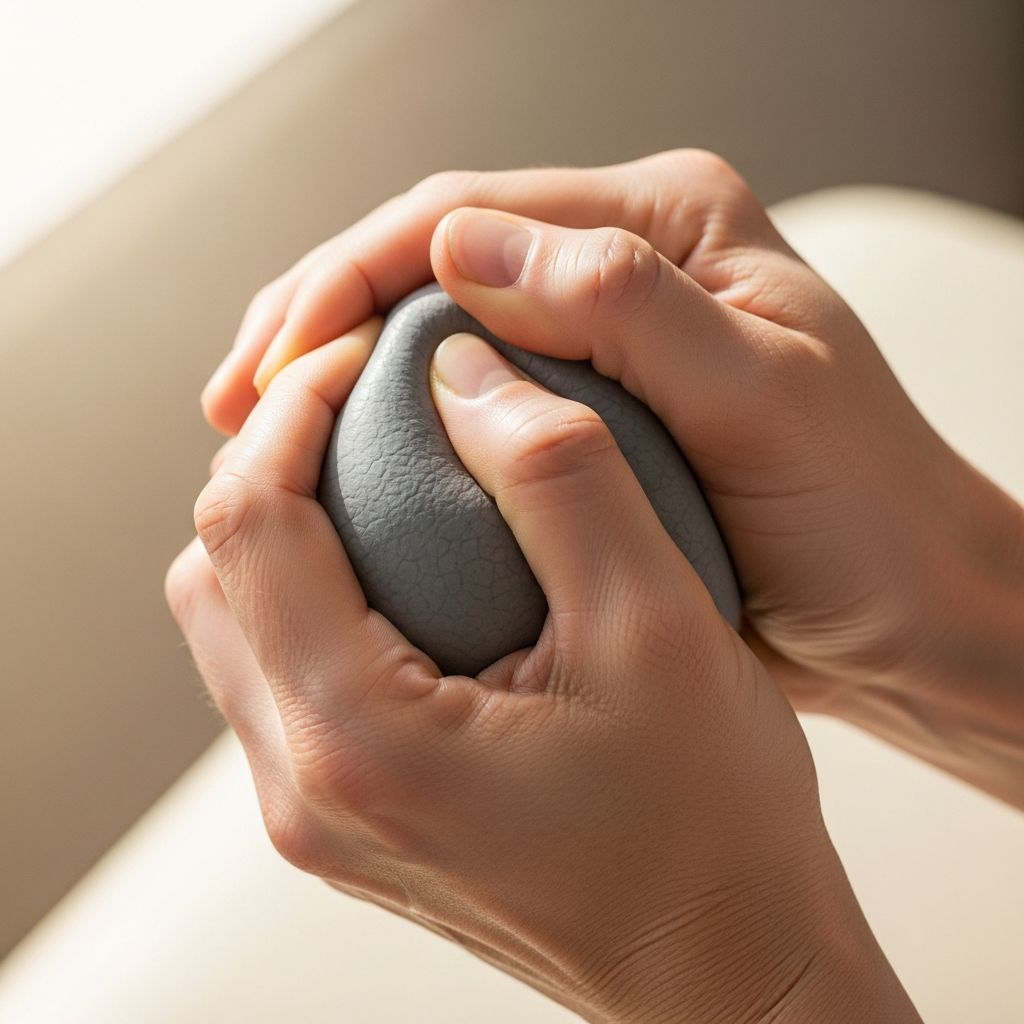
Other beneficial exercises include finger stretches, where you gently pull each finger back to stretch the hand muscles; making a claw hand by bending your fingers at the middle joint while keeping the lower joints straight; and resistance exercises using therapy putty or balls to gradually build strength. Most physical therapy programs include a combination of stretching, strengthening, and functional training exercises.
The benefits of physical therapy extend beyond just pain relief. Regular exercise improves circulation, maintains joint mobility, prevents muscle atrophy, and can help prevent future injuries. Many people find that consistent physical therapy reduces their reliance on pain medications and improves their overall hand function and quality of life.
Method 5: Advanced Medical Interventions
When conservative treatments such as rest, heat and cold therapy, medications, and physical therapy fail to provide adequate relief, more advanced medical interventions may be necessary. These treatments should be administered by qualified pain specialists and can provide significant relief for chronic hand pain.
Splinting and Bracing
A pain specialist can recommend and fit appropriate splints or braces to immobilize and support your hand. These devices reduce pain and inflammation by preventing movement of the affected joints and tissues, allowing them to heal. Splints can be particularly helpful for conditions like carpal tunnel syndrome, arthritis, and tendinitis.
Steroid Injections
Corticosteroid injections delivered by a specially trained pain medicine doctor can significantly reduce hand pain and swelling when other treatments have been unsuccessful. These injections work by reducing inflammation directly at the site of the problem. The benefits of steroid injections can last for several weeks to months, allowing patients to participate more actively in physical therapy and other rehabilitation efforts. Steroid injections should be used judiciously, as repeated injections over time may have diminishing returns and potential side effects.
Platelet-Rich Plasma (PRP) Therapy
An innovative treatment option, platelet-rich plasma therapy involves injecting your own blood platelets and growth factors into damaged hand tissue. This regenerative medicine approach accelerates the natural healing process by providing concentrated healing factors directly to the injured area. PRP therapy has shown promise in treating various hand conditions and may be particularly beneficial for conditions involving tendon or ligament damage.
Orthopedic Surgery
When all conservative and minimally invasive treatments fail to provide relief, orthopedic surgery may be necessary. A hand surgeon can perform procedures to repair damaged joints, remove scar tissue, or address structural problems causing hand pain. While surgery is typically considered a last resort, it can provide significant long-term relief for appropriate candidates.
Creating Your Hand Pain Management Plan
The most effective approach to managing crippling hand pain is often a combination of multiple strategies tailored to your specific condition. Most experts recommend starting with conservative treatments such as rest, heat and cold therapy, and over-the-counter medications. If these initial approaches provide insufficient relief within a few weeks, consulting with a pain specialist is advisable.
A qualified pain physician can accurately diagnose the cause of your hand pain through physical examination, blood tests, imaging studies such as X-rays, ultrasound, or MRI, and other diagnostic tools. Based on this diagnosis, they can recommend a personalized treatment plan that may incorporate physical therapy, more advanced interventions, or surgical referrals if necessary.
Treatment Comparison Table
| Treatment Method | Cost | Time to Relief | Duration of Effect | Best For |
|---|---|---|---|---|
| Rest and Activity Modification | Free | Days to weeks | Ongoing | Minor strains, early intervention |
| Heat and Cold Therapy | Low ($) | Immediate to hours | Hours to days | Acute and chronic inflammation |
| Over-the-Counter Medications | Low ($) | 30-60 minutes | 4-8 hours | General pain and inflammation |
| Physical Therapy | Moderate ($$) | Weeks | Long-term | Improving function and strength |
| Steroid Injections | Moderate to High ($$$) | Days | Weeks to months | Significant inflammation |
| PRP Therapy | High ($$$) | Weeks | Months to longer | Tissue damage and healing |
| Orthopedic Surgery | Very High ($$$$) | Weeks post-op | Potentially permanent | Structural problems |
When to Seek Professional Help
While many cases of hand pain can be managed with home remedies and over-the-counter treatments, certain situations warrant professional medical evaluation. You should consider visiting a healthcare provider if:
- Pain is severe or significantly impacts daily functioning
- Pain persists for more than a few weeks despite conservative treatment
- You notice signs of infection, such as redness, warmth, or pus
- Hand pain is accompanied by numbness or tingling that may indicate nerve compression
- You experience sudden loss of hand function or strength
- The affected hand is visibly swollen, deformed, or discolored
Frequently Asked Questions (FAQs)
Q: How long should I rest my hand before seeking medical attention?
A: If your hand pain is mild to moderate and results from overuse, try conservative treatment with rest, ice, and over-the-counter medications for one to two weeks. If pain persists beyond this period or is severe from the onset, consult a healthcare professional promptly.
Q: Can I use heat and cold therapy simultaneously?
A: Contrast therapy, which alternates between heat and cold, can be beneficial for some people. However, avoid applying them at the same time. Instead, apply one therapy, allow the skin to return to normal temperature, and then apply the other therapy.
Q: Are NSAIDs safe for long-term use?
A: While NSAIDs are generally safe when used as directed for short periods, long-term use can lead to gastrointestinal issues, kidney problems, and increased cardiovascular risk. Discuss long-term pain management options with your healthcare provider.
Q: How often should I perform hand exercises?
A: Most physical therapists recommend performing hand exercises daily, typically two to three times per day for 5-10 minutes each session. However, the specific frequency and duration should be based on your individual condition and professional recommendations.
Q: Do steroid injections provide permanent relief?
A: Steroid injections typically provide temporary relief lasting from several weeks to a few months. The duration varies depending on the condition and individual response. Multiple injections over extended periods should be discussed with your healthcare provider due to potential cumulative effects.
Q: Is PRP therapy covered by insurance?
A: PRP therapy coverage varies by insurance provider and the specific condition being treated. Some insurance plans may cover it for certain conditions, while others consider it experimental. Contact your insurance provider to discuss coverage options.
Q: Can hand exercises prevent arthritis?
A: While hand exercises cannot prevent arthritis development, they can help maintain joint health, improve flexibility, and reduce pain symptoms if arthritis develops. Regular exercise and maintaining a healthy lifestyle are beneficial preventive strategies.
Conclusion
Crippling hand pain significantly impacts quality of life, but multiple effective treatment options are available. Starting with conservative approaches such as rest, heat and cold therapy, and over-the-counter medications often provides relief for mild to moderate pain. Physical therapy and hand exercises are essential for long-term management and improving function. When these initial treatments prove insufficient, advanced medical interventions such as steroid injections, PRP therapy, or surgical options can provide additional relief. The key to effective hand pain management is developing a personalized treatment plan with a qualified healthcare professional, starting with the most conservative approaches and progressing to more advanced interventions only when necessary. By taking action early and exploring these various treatment options, you can reduce pain, restore function, and reclaim your quality of life.
References
- Hand Pain Treatment: Advice From a Pain Specialist — Pain Treatment Specialists. 2025. https://www.paintreatmentspecialists.com/hand-pain-treatment/
- Osteoarthritis Overview — National Institute of Arthritis and Musculoskeletal and Skin Diseases (NIAMS), National Institutes of Health. 2024. https://www.niams.nih.gov/health-topics/osteoarthritis
- Rheumatoid Arthritis Information — Centers for Disease Control and Prevention (CDC). 2024. https://www.cdc.gov/arthritis/basics/rheumatoid-arthritis.html
- Physical Therapy for Hand and Wrist Pain — American Physical Therapy Association (APTA). 2024. https://www.apta.org/
- Over-the-Counter Pain Relievers: How to Use Them Safely — U.S. Food and Drug Administration (FDA). 2024. https://www.fda.gov/drugs
Similar Articles








Read full bio of medha deb