Top Fiber-Rich Foods for Good Gut Bacteria
Boost your gut health with these top fiber-rich foods that nourish beneficial bacteria and promote digestive wellness.
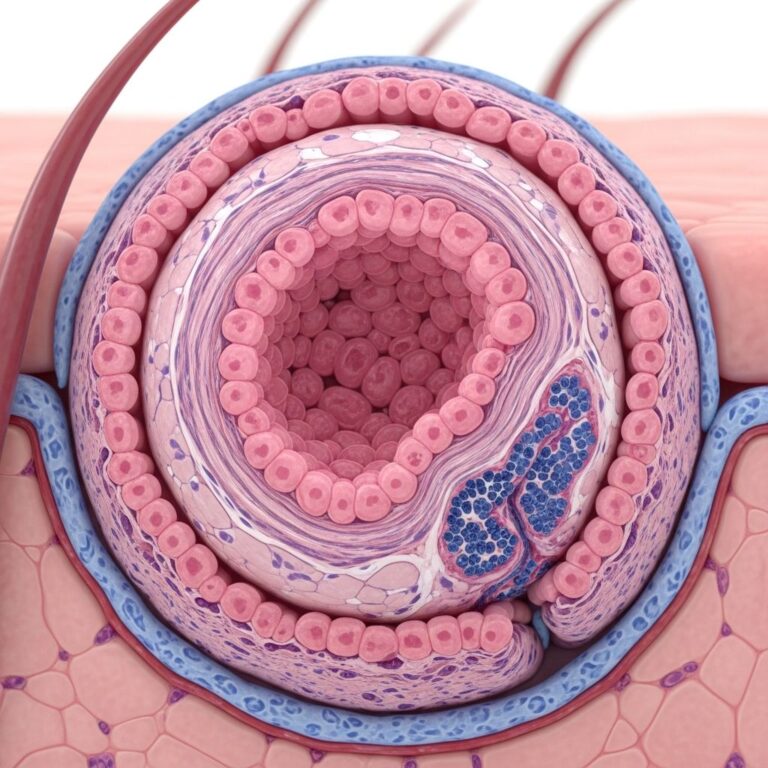
Your gut microbiome—the community of trillions of microorganisms living in your digestive tract—plays a crucial role in digestion, immunity, and even mental health. Dietary fiber acts as a prebiotic, providing fuel for beneficial bacteria like Bifidobacterium and Lactobacillus spp., which produce short-chain fatty acids such as butyrate to support gut lining integrity and reduce inflammation. A systematic review of 64 randomized trials showed that increased fiber intake, especially fructans and galactooligosaccharides, significantly boosts these bacteria and fecal butyrate levels compared to low-fiber diets. This article explores the top fiber-rich foods, their benefits, and how to incorporate them into your diet for optimal gut health.
What Is Fiber and Why Does It Matter for Gut Bacteria?
Dietary fiber refers to indigestible plant components that resist digestion in the small intestine and reach the colon, where gut bacteria ferment them. Soluble fibers dissolve in water to form a gel-like substance, while insoluble fibers add bulk to stool. Both types feed the microbiome, but certain prebiotic fibers like inulin, fructooligosaccharides (FOS), and galactooligosaccharides (GOS) are selectively fermented by beneficial bacteria.
Research indicates that fiber-rich diets shift beta diversity in the gut microbiota, increasing abundances of Faecalibacterium, Ruminococcus, and Roseburia species, which are linked to reduced inflammation and better metabolic health. Harvard studies highlight that high-fiber foods from vegetables and whole grains lower LDL cholesterol, aid weight control, and foster a healthy microbiome, potentially reducing risks of heart disease, type 2 diabetes, and cancers. Low-fiber diets, common in industrialized nations, deplete fiber-degrading microbes, leading to incomplete fermentation and poorer diversity. Even low doses (under 5g) of prebiotic fibers can spark fermentation, with no dose-dependent differences in Bifidobacterium abundance.
How Much Fiber Do You Need Daily?
The recommended daily fiber intake is 25g for women and 38g for men, yet most people consume only 15g. Intervention trials show cutoff thresholds vary: bifidobacteria increase at 7-11.7g/day for some fibers, with dose-dependent effects for inulin, resistant starch (RS), and arabinoxylan oligosaccharides (AXOS). Gradually increase intake to avoid bloating, pairing with fermented foods like yogurt for probiotics that complement prebiotics.
Top 12 Fiber-Rich Foods for Gut Health
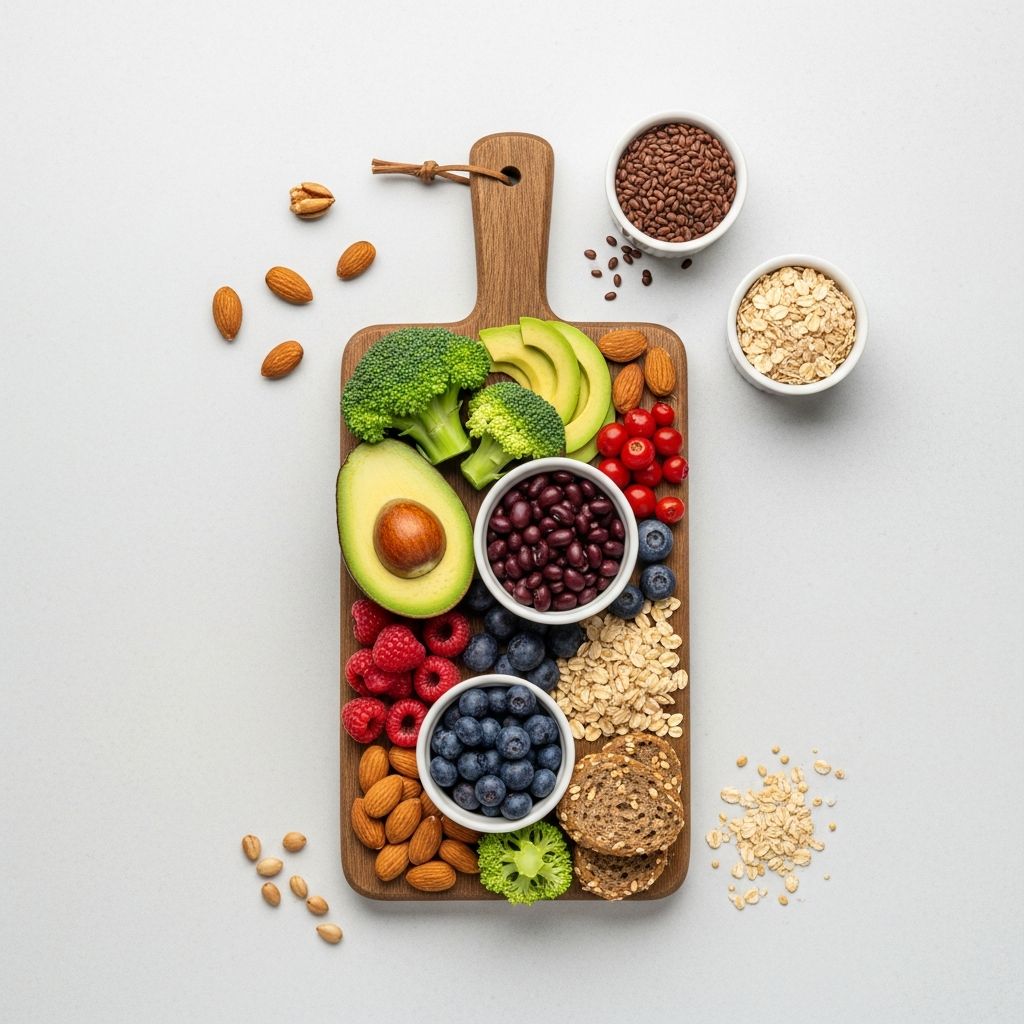
These foods were selected for their high fiber content, prebiotic potential, and evidence-based microbiome benefits. Each provides at least 3g fiber per serving, with details on types and tips.
1. Raspberries (8g fiber per cup)
Raspberries top the list with 8g fiber per cup, rich in soluble pectin and insoluble fibers that promote butyrate production. Their polyphenols enhance Bifidobacterium growth, supporting regularity and reducing gut inflammation. Add to smoothies or yogurt for a prebiotic boost.
2. Pears (5.5g fiber per medium fruit)
A medium pear delivers 5.5g fiber, mostly pectin in the skin, which ferments into short-chain fatty acids. Studies link pectin to increased Lactobacillus and microbiome diversity. Eat skin-on for maximum benefits.
3. Apples (4.5g fiber per medium fruit)
Apples provide 4.5g fiber, including pectin that selectively feeds beneficial bacteria. Polyphenols in apples correlate with higher Faecalibacterium prausnitzii levels. Slice into salads or bake for snacks.
Related Stories



4. Lentils (15.6g fiber per cup cooked)
Cooked lentils offer 15.6g fiber per cup, blending galactans and resistant starch that boost Bifidobacterium and Ruminococcus. Versatile in soups and curries, they also stabilize blood sugar.
5. Artichokes (10.3g fiber per medium)
Artichokes contain 10.3g fiber, loaded with inulin—a proven prebiotic increasing Bifidobacterium from 0.6% to 3% in low-fiber consumers. Steam or roast for side dishes.
6. Black Beans (15g fiber per cup cooked)
Black beans pack 15g fiber per cup, with galactooligosaccharides fermented by Lactobacillus. Use in tacos or salads; their resistant starch doubles Faecalibacterium abundance.
7. Chia Seeds (10g fiber per 2 tbsp)
Two tablespoons of chia seeds yield 10g soluble fiber, forming a gel that slows digestion and feeds butyrate-producers. Omega-3s add anti-inflammatory effects. Soak in overnight oats.
8. Broccoli (5g fiber per cup cooked)
One cup cooked broccoli has 5g fiber, including glucosinolates that support diverse microbiota. It promotes Roseburia spp., linked to gut barrier health. Stir-fry or steam.
9. Sweet Potatoes (4g fiber per medium)
A medium sweet potato provides 4g fiber, rich in resistant starch after cooling, elevating Ruminococcus bromii and butyrate. Bake or mash post-cooking.
10. Avocados (10g fiber per fruit)
One avocado delivers 10g fiber, mostly soluble, fostering Akkermansia for metabolic health. Monounsaturated fats enhance absorption. Spread on toast.
11. Oats (4g fiber per ½ cup dry)
Half-cup dry oats contain 4g beta-glucan fiber, a prebiotic increasing Bifidobacterium. It lowers cholesterol via microbiome modulation. Choose steel-cut for best results.
12. Almonds (3.5g fiber per oz)
An ounce of almonds gives 3.5g fiber, with skins providing polyphenols that boost beneficial bacteria. Chew well for fermentation. Snack or top yogurt.
Fiber Types and Their Microbiome Effects
| Fiber Type | Food Sources | Gut Bacteria Boosted | Key Benefits |
|---|---|---|---|
| Fructans/Inulin | Artichokes, onions | Bifidobacterium, Lactobacillus | Butyrate production, prebiotic |
| Galactooligosaccharides | Lentils, beans | Lactobacillus | Increased diversity |
| Resistant Starch | Sweet potatoes, lentils | Faecalibacterium, Ruminococcus | Anti-inflammatory |
| Pectin | Apples, pears | Bifidobacterium | Gut barrier support |
This table summarizes fiber types from high-credibility studies, showing selective effects on microbiota.
Tips for Incorporating More Fiber
- Start slow: Add 5g daily to prevent gas.
- Pair with water: Fiber absorbs liquid for smooth transit.
- Diversify sources: Mix fruits, veggies, legumes for broad prebiotic effects.
- Combine with fermented foods: Yogurt or kimchi adds probiotics.
- Focus on whole foods: Supplements lack synergies of food matrices.
Potential Challenges and Solutions
Sudden fiber increases can cause bloating due to rapid fermentation. Stanford research found short-term high-fiber diets stabilize but don’t always boost diversity without microbial adaptation. Solution: Gradually ramp up over weeks and consider probiotic pairing. Those with IBS should consult doctors, as FODMAPs in some fibers may trigger symptoms.
Frequently Asked Questions (FAQs)
What are the best prebiotic fibers for gut bacteria?
Fructans, GOS, and resistant starch excel, significantly raising Bifidobacterium and Lactobacillus per meta-analyses.
Can too much fiber harm the gut?
Excess can cause discomfort if ramped too quickly, but balanced intake supports health without diversity loss.
Do fiber supplements work like food?
Supplements increase beneficial bacteria more reliably than foods in trials, but whole foods provide additional nutrients.
How long for fiber to impact microbiome?
Changes appear in 1-2 weeks, stabilizing longer-term.
Is fiber intake dose-dependent?
Low doses (<5g) suffice for fermentation; cutoffs vary by type (e.g., 7.2g for diabetes benefits).
References
- Certain types of fiber may be more beneficial for the gut microbiome than others — Gut Microbiota for Health. 2023-06-12. https://www.gutmicrobiotaforhealth.com/certain-types-of-fiber-may-be-more-beneficial-for-the-gut-microbiome-than-others/
- Fiber and fermented foods may aid microbiome, overall health — Harvard T.H. Chan School of Public Health. 2023-04-26. https://hsph.harvard.edu/news/fiber-fermented-food-microbiome/
- Dietary Fiber Intake and Gut Microbiota in Human Health — PMC / National Library of Medicine. 2022-12-22. https://pmc.ncbi.nlm.nih.gov/articles/PMC9787832/
- Fermented-food diet increases microbiome diversity, decreases inflammation — Stanford Medicine. 2021-07-12. https://med.stanford.edu/news/all-news/2021/07/fermented-food-diet-increases-microbiome-diversity-lowers-inflammation.html
Similar Articles








Read full bio of medha deb