Top High-Fiber Foods You Need in Your Life
Boost your health with these top high-fiber foods that support digestion, heart health, weight management, and more for optimal wellness.
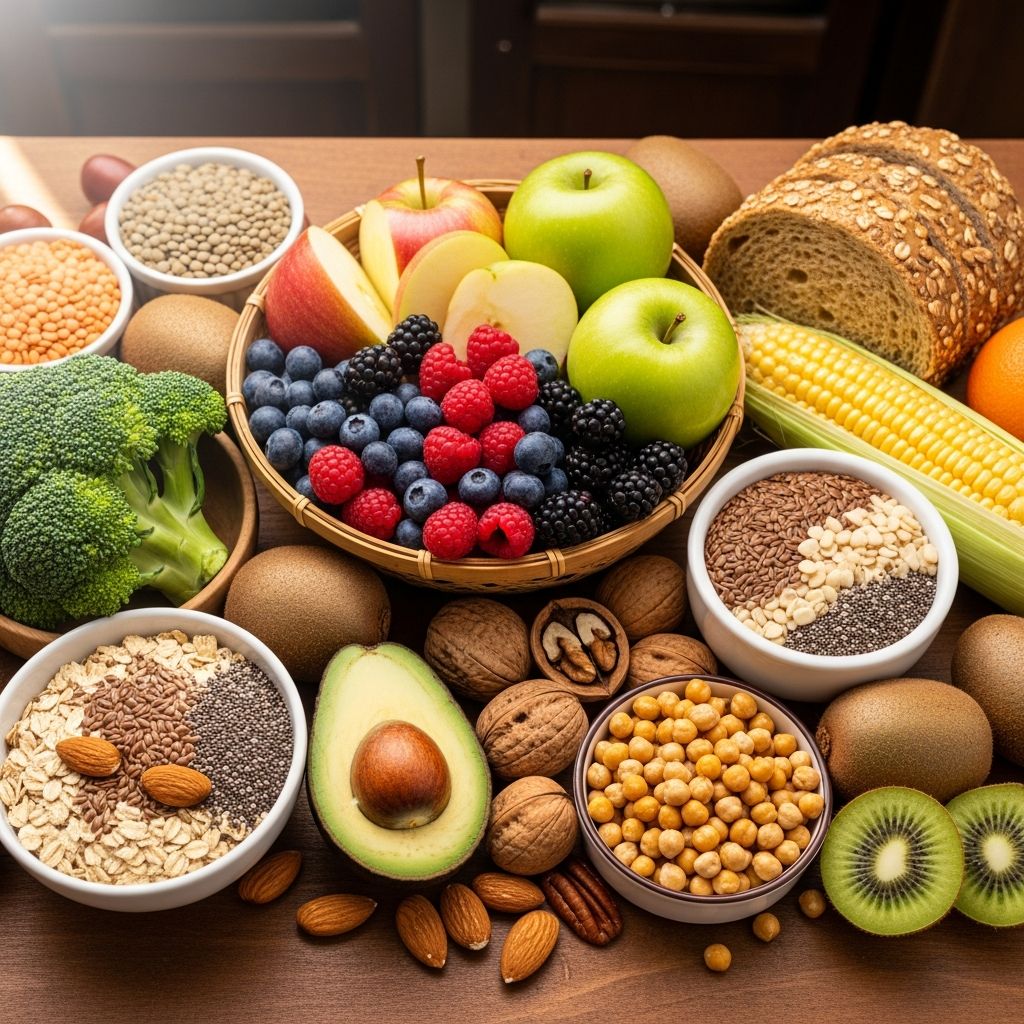
Dietary fiber is a crucial nutrient that supports numerous aspects of health, yet most people fall short of recommended intakes. Adults should aim for 25-38 grams of fiber daily, depending on age and sex, but studies show less than 10% of Americans meet this goal. High-fiber foods promote digestive regularity, help manage weight, lower cholesterol, and stabilize blood sugar levels. This article explores the types of fiber, key health benefits, and the top high-fiber foods across categories to incorporate into your diet.
What Is Fiber and Why Do You Need It?
Fiber refers to the indigestible parts of plant foods that pass through the digestive system relatively intact. It comes in two main forms: soluble fiber, which dissolves in water to form a gel-like substance, and insoluble fiber, which adds bulk to stool without dissolving. Soluble fiber, found in foods like oats, beans, apples, and carrots, helps lower blood cholesterol and glucose levels by slowing sugar absorption. Insoluble fiber, present in whole grains, vegetables, and wheat bran, speeds up stool passage to prevent constipation.
Both types contribute to a healthy gut microbiome, fostering diverse bacteria that support immunity and reduce inflammation. Gradually increasing fiber intake prevents side effects like bloating, and pairing it with adequate water enhances benefits.
Health Benefits of High-Fiber Foods
Consuming sufficient fiber yields wide-ranging advantages backed by research from authoritative sources.
- Regulates Bowel Movements: Fiber bulks up stool and promotes regularity, alleviating constipation and diarrhea while reducing risks of diverticulitis, hemorrhoids, and IBS.
- Lowers Cholesterol: Soluble fiber binds to cholesterol in the digestive system, reducing LDL (bad) cholesterol levels and supporting heart health.
- Controls Blood Sugar: By slowing digestion, fiber prevents spikes, benefiting diabetes management and lowering type 2 diabetes risk.
- Aids Weight Management: High-fiber foods are filling, helping you eat less without feeling hungry, which supports healthy weight maintenance.
- Supports Heart Health: Fiber reduces blood pressure, inflammation, and metabolic syndrome risks, while improving HDL (good) cholesterol.
- Promotes Gut Health: It nourishes beneficial gut bacteria, potentially lowering colorectal cancer risk.
These benefits underscore why high-fiber diets are linked to improved metabolism and reduced chronic disease risks.
How Much Fiber Do You Need Daily?
The National Institutes of Health and Dietary Guidelines recommend women consume 25 grams and men 38 grams of fiber daily, with adjustments for age (21-25g for younger adults, up to 30g for older men). Children and teens need 19-38 grams based on age. Most people get only 15 grams, highlighting the need for intentional inclusion of fiber-rich foods. Track intake using apps or food labels, and increase gradually to avoid discomfort.
Top High-Fiber Fruits
Fruits are delicious, nutrient-dense sources of fiber, often with skin or seeds providing the most benefits. Aim for 2 cups daily to meet half your fiber needs.
| Fruit | Serving Size | Fiber (grams) |
|---|---|---|
| Raspberries | 1 cup | 8 |
| Pears (with skin) | 1 medium | 5.5 |
| Apples (with skin) | 1 medium | 4.5 |
| Bananas | 1 medium | 3 |
| Avocados | 1/2 medium | 4.6 |
| Guava | 1 cup | 9 |
| Prunes | 4 prunes | ~5 |
| Strawberries | 1.25 cups | 1.7 (soluble) |
Eat fruits with skin for maximum fiber; berries and citrus are rich in soluble fiber for cholesterol control.
Top High-Fiber Vegetables
Vegetables provide insoluble fiber for bulk and regularity. Include a variety steamed, roasted, or raw.
- Artichokes: 7g per medium—excellent for liver health too.
- Broccoli (boiled): 5g per cup—rich in vitamins.
- Squash: 6.5g per cup.
- Brussels Sprouts: High in fiber and antioxidants.
- Green Leafy Vegetables (spinach, kale): Promote gut health.
- Carrots (raw): 1.5g per medium, with soluble fiber.
Related Stories



Potatoes and sweet potatoes with skins add substantial fiber.
Top High-Fiber Grains
Whole grains offer sustained energy and insoluble fiber. Choose unprocessed options.
| Grain | Serving Size | Fiber (grams) |
|---|---|---|
| Quinoa (cooked) | 1 cup | 5 |
| Whole Wheat Spaghetti | 1 cup | 6 |
| Brown Rice (cooked) | 1 cup | 3.5 |
| Bran Cereal | 3/4 cup | 5.5 |
| Oatmeal | 1 cup cooked | 4 (soluble-rich) |
Barley and wild rice are also stellar choices.
Top High-Fiber Legumes, Nuts, and Seeds
These powerhouses pack the most fiber per serving.
- Chickpeas: 24.4g per cup cooked—versatile for hummus or salads.
- Beans (black, kidney): 15g per cup—protein bonus.
- Almonds: 3.5g per ounce.
- Pistachios: 3g per ounce.
- Lentils: High in both fibers.
Legumes combine soluble and insoluble fiber for comprehensive benefits.
Tips for Increasing Fiber Intake
Start slow: Add 5g daily, drink plenty of water. Swap refined grains for whole, snack on fruits/nuts, and load plates with veggies. Recipes like bean soups, oat smoothies, or raspberry parfaits make it easy.
Frequently Asked Questions (FAQs)
What happens if you eat too much fiber too quickly?
Sudden increases can cause gas, bloating, or cramps. Gradually ramp up and stay hydrated.
Are fiber supplements as good as whole foods?
Whole foods provide vitamins, minerals, and antioxidants supplements lack. Prioritize food sources.
Can high-fiber diets help with weight loss?
Yes, by promoting fullness and reducing calorie intake without hunger.
Which fiber is best for constipation?
Insoluble fiber from grains and veggies adds bulk for easier bowel movements.
Do all fruits have high fiber?
No, but raspberries (8g/cup), pears (5.5g), and guava top the list; eat skins for more.
References
- Health Benefits of Eating High-Fiber Foods — Catholic Health Long Island. 2023. https://www.catholichealthli.org/blog/health-benefits-eating-high-fiber-foods
- Benefits Of Fiber-Rich Foods For Weight Loss — Obesity Medicine Association. 2023. https://obesitymedicine.org/blog/benefits-of-fiber-rich-foods-for-weight-loss/
- 16 High-Fiber Fruits That Can Improve Your Gut Health — GoodRx. 2024. https://www.goodrx.com/well-being/gut-health/high-fiber-fruits
- High-Fiber Foods — HelpGuide.org. 2024. https://www.helpguide.org/wellness/nutrition/high-fiber-foods
- 7 Benefits of Fiber That Should Convince You to Eat Enough of It — Houston Methodist. 2022-09-07. https://www.houstonmethodist.org/blog/articles/2022/sep/7-benefits-of-fiber-that-should-convince-you-to-eat-enough-of-it/
- High-Fiber Foods — National Cancer Institute (cancer.gov). 2023. https://www.cancer.gov/about-cancer/treatment/side-effects/nutrition/high-fiber-foods
- Eye on Nutrition: Fiber — USDA WIC Works. 2023. https://wicworks.fns.usda.gov/resources/eye-nutrition-fiber
Similar Articles








Read full bio of medha deb