Top Ingredients For Eczema Relief: 7 Clinically Backed Options
Discover proven natural and therapeutic ingredients that soothe, hydrate, and protect eczema-prone skin from flare-ups effectively.
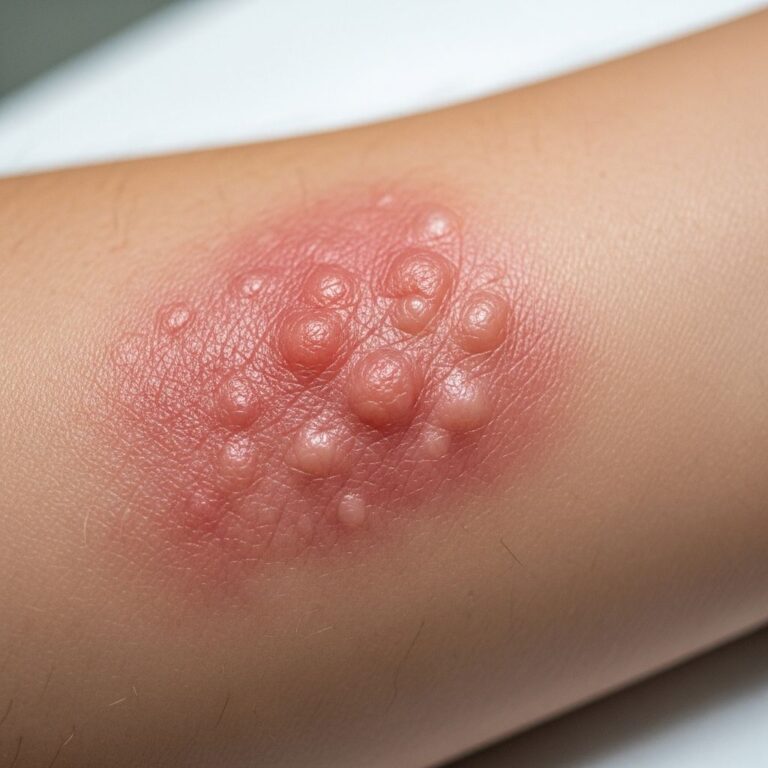
Eczema, a chronic condition characterized by dry, itchy, and inflamed skin, affects millions worldwide. Managing it requires a targeted approach focused on repairing the skin’s natural barrier, locking in moisture, and minimizing irritation. Certain ingredients stand out for their ability to calm symptoms and promote healing without causing further aggravation. This guide delves into the most effective ones, explaining their mechanisms, benefits, and practical applications in daily routines.
Understanding Eczema and Skin Barrier Function
The skin barrier acts as the body’s first line of defense, preventing water loss and blocking harmful substances. In eczema sufferers, this barrier is compromised, leading to dryness, cracking, and increased susceptibility to irritants. Restoring it involves ingredients that replenish lipids, attract moisture, and provide protective layers. Research supports the use of gentle, barrier-supporting components over harsh treatments.
Key Beneficial Ingredients
Selecting the right ingredients can transform eczema management. Below, we highlight top performers backed by clinical evidence and dermatological recommendations.
Colloidal Oatmeal: Nature’s Soothing Agent
Finely milled oats, known as colloidal oatmeal, have been a staple in skin care for centuries. This ingredient excels at reducing itchiness and inflammation during flare-ups. It creates a semi-permeable barrier on the skin, retaining moisture while allowing the skin to breathe. Anti-oxidant properties further protect against environmental stressors. Studies involving thousands of patients confirm its efficacy in diverse skin types.
- Best uses: Bath soaks, creams, and lotions applied post-shower.
- Application tip: Add to lukewarm bathwater for 10-15 minutes to envelop the body in relief.
Ceramides: Rebuilding the Barrier
Ceramides are fatty molecules that constitute about 50% of the skin’s lipid matrix. Eczema often depletes them, causing transepidermal water loss. Supplementing with ceramides, such as ceramide-3, restores this structure, enhancing hydration and resilience against allergens. Products enriched with them are clinically proven to soothe and protect.
- Best uses: Daily moisturizers and body creams.
- Application tip: Apply within three minutes of bathing to seal in moisture.
Shea Butter: Deep Nourishment
Derived from the shea tree nut, this emollient delivers essential fatty acids and vitamins A and E. Its anti-inflammatory effects make it ideal for cracked, inflamed patches. The thick consistency forms an occlusive layer, preventing moisture escape and shielding from irritants.
- Best uses: Ointments and balms for localized dry areas.
- Application tip: Warm a small amount between palms before applying for better absorption.
Hyaluronic Acid: Ultimate Hydrator
A humectant powerhouse, hyaluronic acid binds water molecules—up to 1,000 times its weight—drawing them into the skin layers. This combats the intense dryness hallmark of eczema, plumping the skin and reducing flakiness. Foams and serums with this ingredient have shown relief in mild to moderate cases.
- Best uses: Lightweight serums under heavier moisturizers.
- Application tip: Use on damp skin for maximum hydration pull.
Coconut Oil: Antimicrobial Moisture Lock
Rich in lauric acid, coconut oil offers anti-inflammatory and antibacterial benefits, aiding in infection prevention common in scratched eczema skin. It penetrates deeply, softening hardened areas while forming a protective film.
Related Stories



- Best uses: Virgin, cold-pressed oil as an overnight treatment.
- Application tip: Patch test first, as rare sensitivities occur.
Aloe Vera: Cooling Healer
The gel from aloe leaves provides polysaccharides that promote wound healing and reduce redness. Its cooling sensation instantly alleviates itch, with anti-bacterial compounds supporting skin recovery.
- Best uses: Gels for spot treatments on inflamed areas.
- Application tip: Choose 99% pure formulations without alcohol.
Licorice Extract: Anti-Inflammatory Powerhouse
Glycyrrhizin in licorice root calms redness and itching while fading post-inflammatory hyperpigmentation. It’s particularly useful for sensitive, reactive skin.
- Best uses: Serums and creams for facial eczema.
- Application tip: Combine with ceramides for enhanced effects.
Product Recommendations and Comparisons
Choosing products involves scanning labels for these ingredients in high concentrations, ideally in the first five spots. Here’s a comparison table of popular options:
| Product | Key Ingredients | Best For | Texture |
|---|---|---|---|
| Eucerin Eczema Relief Cream | Colloidal Oatmeal, Ceramide-3, Licorice Extract | Daily body use | Cream |
| Aveeno Eczema Therapy Cream | Colloidal Oatmeal, Ceramides | Itch relief | Rich lotion |
| Generic Shea Butter Balm | Shea Butter, Coconut Oil | Overnight occlusion | Ointment |
These selections prioritize steroid-free, NEA-accepted formulas for broad safety.
Ingredients to Steer Clear Of
Even beneficial products can harm if contaminated with irritants. Prioritize fragrance-free options.
- Fragrances: Natural or synthetic scents trigger flares in most eczema skin.
- Sulfates and Parabens: Strip natural oils, worsening dryness.
- Lanolin: Allergies affect a subset of users.
- Urea and Retinoids: Irritate and damage the barrier.
Building an Effective Skincare Routine
Consistency is key. Start with a gentle cleanser, pat dry, apply humectants like hyaluronic acid, follow with ceramide-rich moisturizers, and occlude with shea or petrolatum at night. Weekly oatmeal baths enhance results. Lifestyle factors—hydration, stress reduction, and humidity control—amplify benefits.
Frequently Asked Questions (FAQs)
What is the fastest way to relieve an eczema flare-up?
Apply a thick layer of petroleum jelly or ceramide cream immediately after a cool compress to lock in moisture and soothe inflammation.
Can I use essential oils for eczema?
Avoid them; even diluted, they often irritate sensitive skin. Stick to proven, simple ingredients.
Are natural ingredients always safer for eczema?
Not necessarily—test patch new products and consult dermatologists, as ‘natural’ can still provoke reactions.
How often should I moisturize?
At least twice daily, plus after every water exposure, to maintain the barrier.
Do ceramides work for all eczema types?
Yes, they address the core barrier dysfunction across atopic dermatitis variants.
Long-Term Management Strategies
Beyond topicals, wet wrap therapy with emollients overnight intensifies hydration. Dietary anti-inflammatories like omega-3s support from within. Track triggers via journals to personalize care. For severe cases, combine with prescribed topicals under medical guidance.
Empowering yourself with knowledge of these ingredients fosters better control over eczema, leading to clearer, more comfortable skin.
References
- Top Ingredients for Eczema Relief — Natural Image Skin Center. 2023. https://naturalimageskincenter.com/top-ingredients-for-eczema-relief/
- Eucerin Eczema Relief Products — Eucerin. 2024-08-18. https://www.eucerinus.com/products/eczema-relief
- Aveeno Eczema Therapy Daily Moisturizing Cream — Aveeno. 2024. https://www.aveeno.com/products/eczema-therapy-daily-moisturizing-cream
- Emollients for Eczema — National Eczema Society. 2024. https://eczema.org/information-and-advice/treatments-for-eczema/emollients/
- Best and Worst Cosmetic Ingredients for Eczema — WebMD. 2024. https://www.webmd.com/skin-problems-and-treatments/eczema/ss/slideshow-best-and-worst-cosmetic-ingredients-for-eczema
Similar Articles








Read full bio of Sneha Tete