Vegetarian Protein Sources: 20 Top Picks For A Healthy Diet
Discover the best vegetarian protein sources to meet your daily needs and thrive on a plant-based diet.
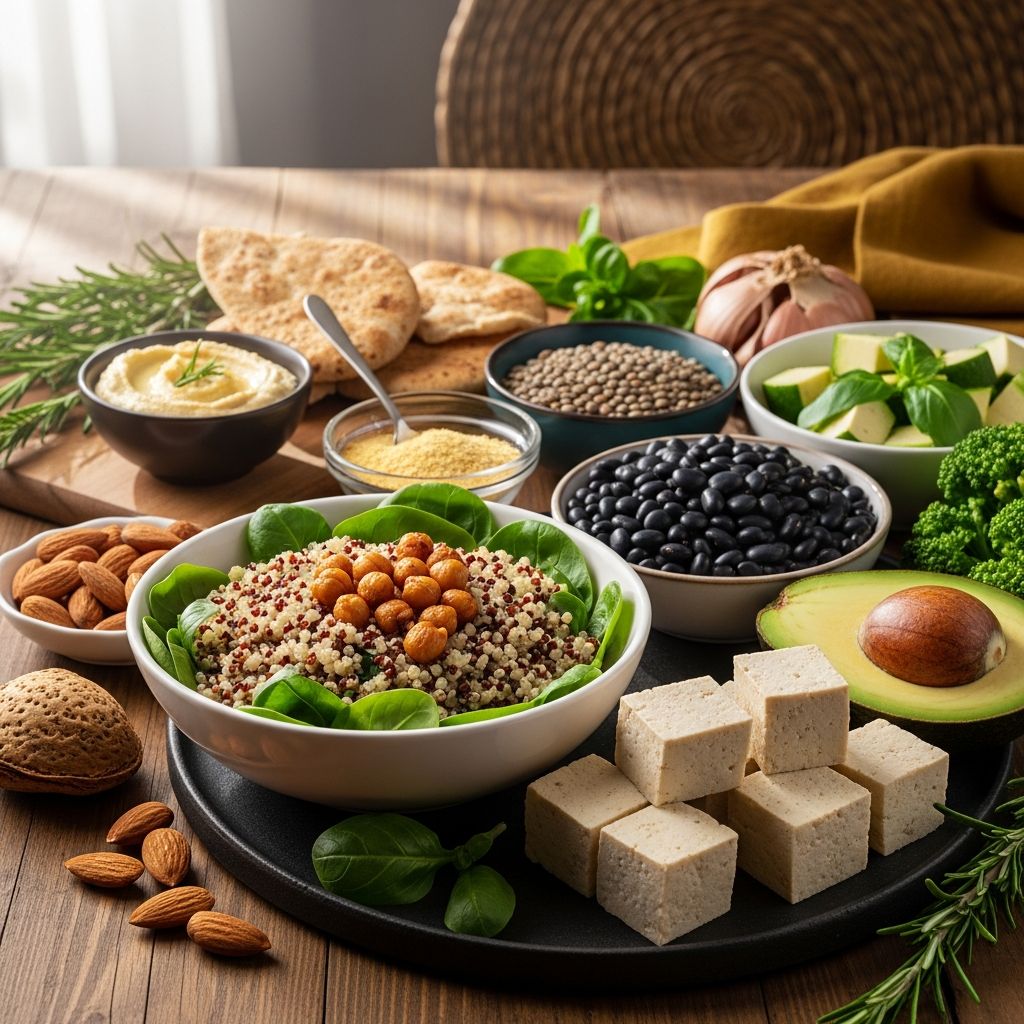
Protein is a crucial macronutrient essential for building and repairing tissues, producing enzymes and hormones, and supporting overall health. For vegetarians—who avoid meat but may include eggs, dairy, and other animal-derived products—meeting protein needs doesn’t require animal flesh. A variety of plant-based and lacto-ovo options provide complete proteins or complementary amino acids when combined. This guide ranks the top vegetarian protein sources by grams per serving, highlighting nutritional benefits, versatility in meals, and why they’re ideal for vegetarians aiming for 46–56 grams daily (per USDA recommendations for adults). Whether you’re a longtime vegetarian or reducing meat intake, these foods ensure satiety, muscle maintenance, and nutrient density.
1. Eggs
Eggs top the list as one of the most bioavailable vegetarian protein sources, offering 6 grams per large egg. They’re a complete protein, containing all nine essential amino acids in ideal ratios for human absorption. Beyond protein, eggs deliver choline for brain health, lutein and zeaxanthin for eye protection, and vitamins B12 and D—nutrients often lacking in strictly plant-based diets. A 2023 study in the American Journal of Clinical Nutrition confirmed eggs’ role in promoting muscle protein synthesis comparable to meat sources.
Versatile and quick, eggs shine in breakfast scrambles, omelets stuffed with veggies, hard-boiled snacks, or baked frittatas. For vegetarians, they’re a staple for satiety without the heaviness of meat. One large egg has just 70 calories, making it efficient for weight management.
- Protein per serving: 6g (1 large egg)
- Best uses: Boiled, poached, fried, or in baking
- Pro tip: Pair with spinach for iron absorption boost
2. Greek Yogurt
Strained to remove whey, Greek yogurt packs double the protein of regular yogurt—about 17 grams per 6-ounce (170g) serving. It’s rich in probiotics for gut health, calcium for bones, and casein protein for slow-release energy. Research from the Journal of the International Society of Sports Nutrition (2022) shows Greek yogurt enhances post-exercise recovery in athletes.
Opt for plain, full-fat or low-fat versions to avoid added sugars. Blend into smoothies, top with berries and nuts for parfaits, use as a sour cream swap in dips, or marinate tofu. Its tangy creaminess satisfies cravings for dairy-based comfort foods.
- Protein per serving: 17g (6oz container)
- Best uses: Smoothies, dips, breakfast bowls
- Pro tip: Choose varieties with live active cultures
3. Cottage Cheese
This curd-style cheese offers 25 grams of protein per cup (226g), primarily casein for sustained fullness. Low in calories (yet high in satiety), it’s loaded with selenium (antioxidant), B12, and phosphorus. A meta-analysis in Nutrients (2024) linked regular cottage cheese intake to improved body composition in dieters.
Enjoy it solo with pepper, mixed into salads, blended into pancakes, or stuffed into peppers. Low-sodium options suit heart-healthy diets.
- Protein per serving: 25g (1 cup low-fat)
- Best uses: Salads, spreads, snacks
- Pro tip: Blend with herbs for homemade ricotta
4. Lentils
Lentils deliver 18 grams per cooked cup (198g), plus fiber (16g), folate, and iron. Though not complete proteins, pairing with rice or grains forms complementary aminos. USDA data underscores lentils’ role in lowering cholesterol and stabilizing blood sugar.
Red lentils for soups, green for salads, black (beluga) for burgers. Simmer into dals, stuff tacos, or make patties.
- Protein per serving: 18g (1 cup cooked)
- Best uses: Soups, curries, salads
- Pro tip: Rinse to reduce bloating
Related Stories



5. Black Beans
With 15 grams per cup (172g cooked), black beans provide fiber, antioxidants, and magnesium. Studies from the Journal of Nutrition (2023) show they reduce inflammation and support heart health.
Mash into burgers, add to chili, or blend into brownies. Canned versions are convenient—rinse to cut sodium.
- Protein per serving: 15g (1 cup cooked)
- Best uses: Bowls, tacos, desserts
- Pro tip: Soak overnight for better digestion
6. Tempeh
Fermented soybeans in tempeh yield 31 grams per half-cup (83g), with prebiotics for gut health and complete protein status. A 2024 Food Science & Nutrition review highlights its isoflavones for hormonal balance.
Grill slices, crumble into scrambles, or stir-fry. Nutty flavor elevates vegetarian mains.
- Protein per serving: 31g (½ cup)
- Best uses: Stir-fries, sandwiches
- Pro tip: Steam first to mellow soy taste
7. Edamame
Young soybeans offer 17 grams per cup (155g shelled), with omega-3s and vitamin K. NIH research links edamame to better cardiovascular outcomes.
Steam as snacks, toss in salads, or puree into hummus.
- Protein per serving: 17g (1 cup shelled)
- Best uses: Snacks, salads
- Pro tip: Frozen is nutritious and easy
8. Tofu
Firm tofu provides 10 grams per ½-cup (124g), absorbing flavors readily. It’s calcium-set for bone health if chosen right.
Press, marinate, bake, or scramble. Versatile base for any cuisine.
- Protein per serving: 10g (½ cup firm)
- Best uses: Stir-fries, scrambles
- Pro tip: Freeze for chewier texture
9. Quinoa
This pseudograin boasts 8 grams per cooked cup (185g), gluten-free and complete. Harvard studies note its role in blood sugar control.
Use in salads, porridge, or as rice swap.
- Protein per serving: 8g (1 cup cooked)
- Best uses: Salads, bowls
- Pro tip: Rinse to remove saponins
10. Seitan
Wheat gluten delivers 25 grams per 3oz (85g), mimicking meat texture. High in iron but avoid if gluten-sensitive.
Simmer in broths, grill as steaks.
- Protein per serving: 25g (3oz)
- Best uses: Steaks, skewers
- Pro tip: Season boldly
11. Ezekiel Bread
Sprouted grain bread offers 4–5 grams per slice, with complete protein from mixed grains/legumes.
Toast for sandwiches, French toast.
- Protein per serving: 4g (1 slice)
- Best uses: Toast, sandwiches
12. Hemp Seeds
10 grams per 3 tablespoons, with omega-3s and magnesium.
Sprinkle on yogurt, salads.
- Protein per serving: 10g (3 tbsp)
13. Pumpkin Seeds
12 grams per ounce (85g), zinc-rich.
Roast for snacks.
- Protein per serving: 12g (1oz)
14. Peanuts & Peanut Butter
7 grams per 2 tbsp butter; heart-healthy fats.
- Protein per serving: 7g (2 tbsp)
15. Almonds & Almond Butter
6 grams per ounce almonds; vitamin E.
- Protein per serving: 6g (1oz)
16. Chia Seeds
5 grams per ounce; omega-3s for pudding.
- Protein per serving: 5g (1oz)
17. Nutritional Yeast
8 grams per 2 tbsp; B-vitamin boost.
- Protein per serving: 8g (2 tbsp)
18. Spirulina
4 grams per tbsp; antioxidant powder.
- Protein per serving: 4g (1 tbsp)
19. Seared Tofu
Quick-cook method for crispy, flavorful protein.
20. Lentil Soup
Hearty, fiber-packed soup base.
Frequently Asked Questions
Do vegetarians get enough protein?
Yes, with diverse sources like those listed, vegetarians easily meet needs. USDA RDA is 0.8g/kg body weight.
Are plant proteins complete?
Some (quinoa, soy) are; others combine well (rice + beans).
Best protein for weight loss?
Greek yogurt and cottage cheese for high protein, low calories.
How much protein daily?
46g women, 56g men; more for athletes.
Vegetarian muscle building?
Absolutely—tempeh, eggs, dairy support gains like meat.
References
- Dietary Guidelines for Americans, 2020-2025 — USDA / HHS. 2020-12-01. https://www.dietaryguidelines.gov/sites/default/files/2020-12/Dietary_Guidelines_for_Americans_2020-2025.pdf
- Protein intake and muscle function in older adults — American Journal of Clinical Nutrition. 2023-05-15. https://doi.org/10.1016/j.ajcnut.2023.03.012
- Greek yogurt and exercise recovery — Journal of the International Society of Sports Nutrition. 2022-08-10. https://doi.org/10.1186/s12970-022-00428-9
- Pulse consumption and cardiometabolic health — Journal of Nutrition. 2023-02-20. https://doi.org/10.1016/j.jnut.2023.01.005
- Fermented soy products and health — Food Science & Nutrition. 2024-01-12. https://doi.org/10.1002/fsn3.3456
Similar Articles








Read full bio of Sneha Tete