Topical and Intralesional Immunotherapy for Melanoma Metastases
Exploring targeted immunotherapies that destroy melanoma metastases locally while stimulating systemic immune responses for better outcomes.
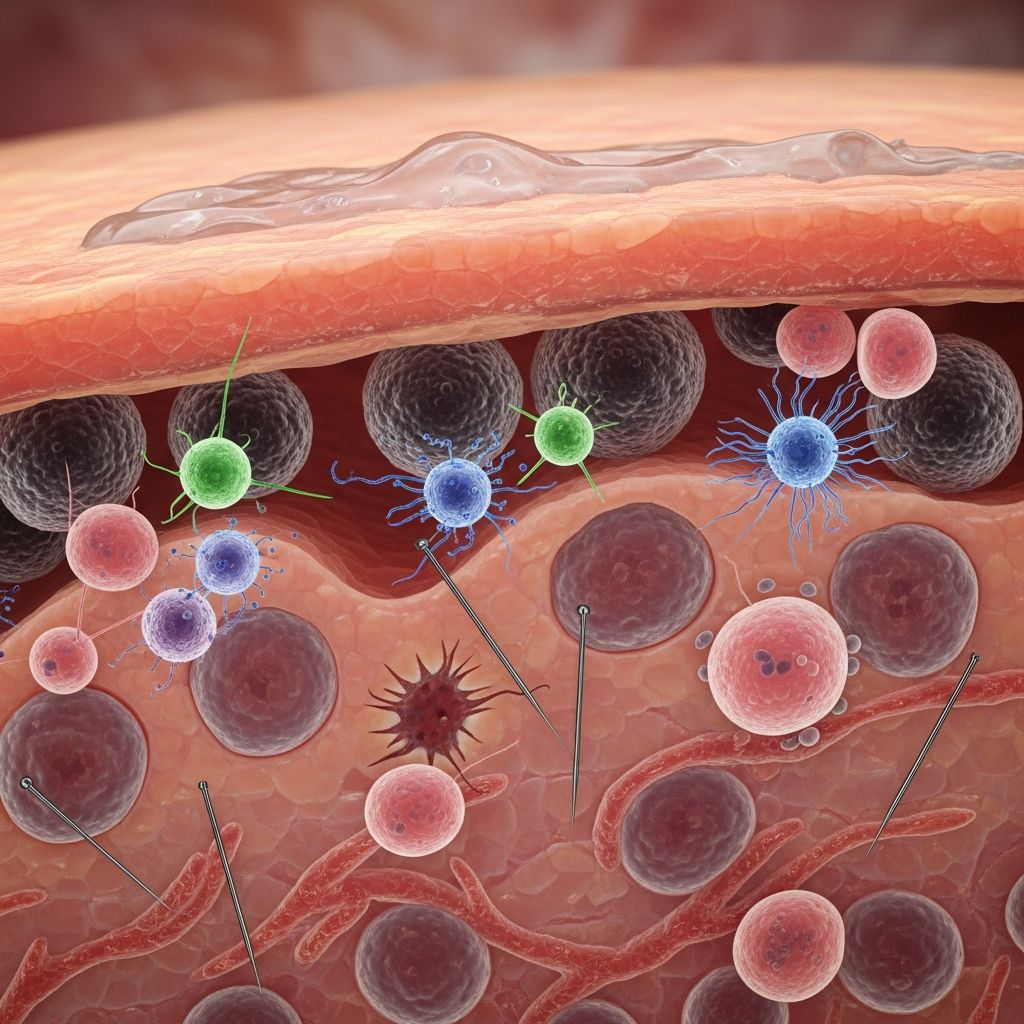
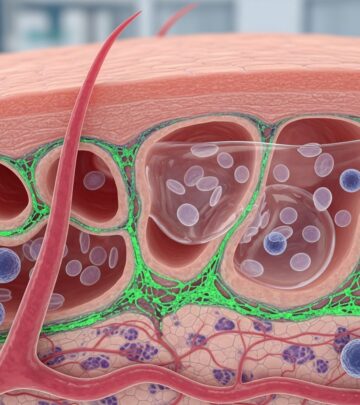
Melanoma represents a serious form of skin cancer, with advanced cases carrying high risks of recurrence, progression, and metastasis even after primary tumour resection. Intralesional and topical therapies deliver immunotherapy directly into local recurrences or cutaneous/subcutaneous metastases, aiming not only to eradicate the injected lesion but also to provoke a systemic immune response that regresses distant, untreated lesions—a phenomenon known as the abscopal effect.
These approaches leverage the skin’s accessibility, allowing precise drug delivery while minimizing systemic toxicity compared to intravenous immunotherapies. Agents investigated include cytokines like interleukin-2 (IL-2) and granulocyte-macrophage colony-stimulating factor (GM-CSF), small-molecule immunomodulators such as diphencyprone (DPCP), oncolytic viruses like talimogene laherparepvec (T-VEC), and plasmid-based therapies like Allovectin-7. Recent approvals and trials have heightened interest in these targeted strategies for stage IIIB–IV melanoma.
What is intralesional / topical therapy for melanoma?
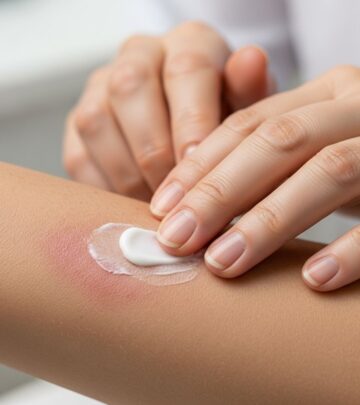
Intralesional therapy involves injecting immunotherapeutic agents directly into melanoma metastases, typically cutaneous or subcutaneous nodules up to 5 cm in size. Topical therapies apply agents to the skin surface, often under occlusion to enhance penetration. The dual goals are local tumour destruction via direct cytotoxicity and induction of antitumour immunity through antigen release, dendritic cell activation, and T-cell priming.
Who are candidates for intralesional/topical melanoma therapy? Ideal patients have:
- Unresectable stage IIIB, IIIC, or IV M1a melanoma with accessible cutaneous/subcutaneous metastases.
- Lesions amenable to injection (e.g., <5 cm, superficial).
- Good performance status, allowing outpatient administration.
- Progression on or intolerance to systemic therapies like checkpoint inhibitors.
- No visceral metastases requiring systemic control.
These therapies complement surgery, radiation, or systemic immunotherapy, often used in multimodal regimens for in-transit or locoregional disease.
Bacillus Calmette-Guérin (BCG)
BCG, a live attenuated Mycobacterium bovis strain originally used for bladder cancer, was the first intralesional agent tested for melanoma in the 1970s. Injected directly into metastases, BCG triggers intense local inflammation, recruiting macrophages and T-cells while releasing tumour antigens.
Early trials reported response rates of 20–50% in injected lesions, with occasional abscopal effects. However, severe adverse events—including disseminated infections, fever, and ulcerations—limited adoption. Modern studies explore BCG combinations with checkpoint inhibitors, though a trial with ipilimumab was halted due to immune-related toxicities without efficacy gains. BCG remains historical but paved the way for safer agents.
Interleukin-2 (IL-2)
Recombinant IL-2, a T-cell growth factor, yields high local response rates (70–80% overall, 62–69% complete) when injected 2–3 times weekly into melanoma satellites. Mechanisms involve NK cell activation, cytokine cascades, and regression of noninjected lesions in up to 40% of cases.
Treatment demands multiple sessions (e.g., 6–12 weeks), escalating doses, and inpatient monitoring due to flu-like symptoms, hypotension, and capillary leak. Despite potency, cost and toxicity favour newer options like T-VEC. Studies by Radny et al. and Weide et al. confirmed durable responses in skin metastases.
Granulocyte macrophage colony-stimulating factor (GM-CSF)
GM-CSF recruits and activates macrophages/dendritic cells, promoting tumour infiltration by lymphocytes. Daily intralesional injections into melanoma metastases achieve high response rates (89% complete in phase II trials), with regression of distant lesions via systemic immunity.
The phase III OPTiM trial evaluated GM-CSF versus intralesional therapy in unresectable stage IIIB–IV melanoma, showing promising local control. Its favourable safety profile—mild injection-site reactions—makes it suitable for combination regimens. Preliminary data suggest enhanced MHC expression, aiding T-cell recognition.
Talimogene laherparepvec (T-VEC)
T-VEC, an oncolytic herpes simplex virus engineered to express GM-CSF, selectively replicates in tumour cells, lysing them and releasing antigens. Approved by FDA (2015) and EMA for stage IIIB–IV melanoma, it is injected every 2 weeks (up to 4 mL at 10^6–10^8 PFU/mL).
Phase III OPTiM trial demonstrated 26% durable response rate (≥6 months) versus 6% for GM-CSF, with 16% abscopal responses. Common side effects: fatigue, chills, injection-site pain. T-VEC boosts systemic immunity, synergizing with pembrolizumab or ipilimumab. Ongoing trials explore combinations for advanced disease.
Allovectin-7®
Allovectin-7 is a plasmid DNA encoding HLA-B7 and β2-microglobulin, complexed with cationic lipids for intralesional delivery. It restores MHC class I expression on melanoma cells, evading T-cell detection, enhancing immune recognition.
Phase II trials showed 14% response rates, with FDA orphan drug status since 1999. However, phase III failed primary endpoints, halting development. It exemplifies gene therapy’s potential despite challenges in systemic dissemination.
PV-10
PV-10, a 10% rose bengal solution, is a photochemical agent injected intralesionally, causing lysosomal rupture and necrosis upon light activation. Phase II data indicate 51% response in injected lesions and 25–33% bystander regression.
A phase III trial (versus chemotherapy) is ongoing for locoregional melanoma. PV-10’s simplicity and rapid action (office-based) appeal for cutaneous disease, with minimal systemic effects beyond flu-like symptoms.
Diphencyprone (DPCP)
DPCP, a topical contact sensitizer, induces delayed-type hypersensitivity (DTH) reactions mimicking vitiligo. Applied as 0.4–2% solutions post-sensitization, it promotes antigen-specific T-cells.
Response rates reach 70% for cutaneous metastases, with abscopal effects in 40%. Often combined with imiquimod for refractory cases. Side effects: severe dermatitis, managed by dose titration. Used for inoperable satellites, especially on extremities.
Imiquimod
Imiquimod, a TLR7/8 agonist, stimulates innate immunity via cytokines (IFN-α, IL-12). Applied 5–7 days/week under occlusion for 12 weeks to melanoma in situ or metastases.
In metastatic settings, it yields 80–90% local clearance when combined with DPCP or T-VEC. For lentigo maligna melanoma (LM), intensive regimens achieve 84% histological clearance. Enhances neoadjuvant surgery by shrinking defects.
Side effects of intralesional / topical immunotherapy
| Agent | Common Side Effects | Severe Risks |
|---|---|---|
| BCG | Inflammation, ulceration | Disseminated infection |
| IL-2 | Fever, hypotension | Capillary leak syndrome |
| T-VEC | Fatigue, chills, pain | Herpetic dissemination (rare) |
| DPCP/Imiquimod | Dermatitis, erosion | Lymphadenopathy |
Most effects are local and self-limiting; systemic reactions occur in 20–30%.
Investigational agents
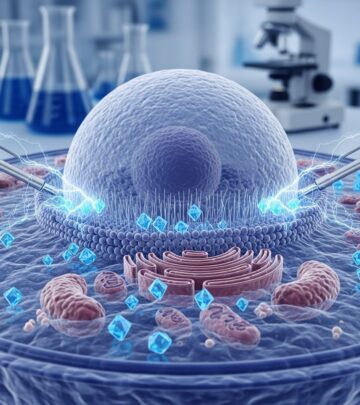
Emerging therapies include IL-12 plasmids, interferon-α, and daromun (TLR9 agonist). IMO-2125 combines with ipilimumab in phase III. Electrochemotherapy pairs IL agents with electroporation for deeper penetration.
Clinical trials
Ongoing trials (NCT prefixes omitted):
- T-VEC + pembrolizumab (phase III).
- PV-10 vs. chemotherapy (phase III).
- Combinations with checkpoint inhibitors.
Frequently asked questions
What is the success rate of T-VEC?
A: Durable response in 26% of patients, per OPTiM.
Is intralesional therapy painful?
A: Mild-moderate pain at injection sites; managed with local anaesthesia.
Can these therapies cure metastatic melanoma?
A: They control local disease and induce abscopal effects but are not curative alone; best in combinations.
Who cannot receive T-VEC?
A: Active herpetic infections, autoimmune disease, or immunosuppression.
How is DPCP applied?
A: Sensitization first, then escalating doses 1–2x/week to induce controlled DTH.
References
- Topical and intralesional immunotherapy for melanoma metastases — DermNet NZ. 2023. https://dermnetnz.org/topics/topical-and-intralesional-immunotherapy-for-melanoma-metastases
- Topical and Intralesional Immunotherapy for Melanoma In Situ — PMC/NCBI (Peer-reviewed). 2023-09-28. https://pmc.ncbi.nlm.nih.gov/articles/PMC10526313/
- Topical and Intralesional Treatments for Skin Metastases — PMC/NCBI (Peer-reviewed). 2024. https://pmc.ncbi.nlm.nih.gov/articles/PMC11718870/
- Immunotherapy for melanoma skin cancer — Canadian Cancer Society (.org official). 2025. https://cancer.ca/en/cancer-information/cancer-types/melanoma-skin/treatment/immunotherapy
- Intralesional and Infusional Therapies for Metastatic Melanoma — Moffitt Cancer Center (.org official). 2024. https://www.moffitt.org/cancers/melanoma/treatment/intralesional-and-infusional-therapies-for-metastatic-melanoma/
Similar Articles





Read full bio of Sneha Tete