Topical Anti-Inflammatory Painkillers: Uses, Side-Effects
Effective relief for muscle pain, sprains, strains, and arthritis with fewer side effects than oral medications.
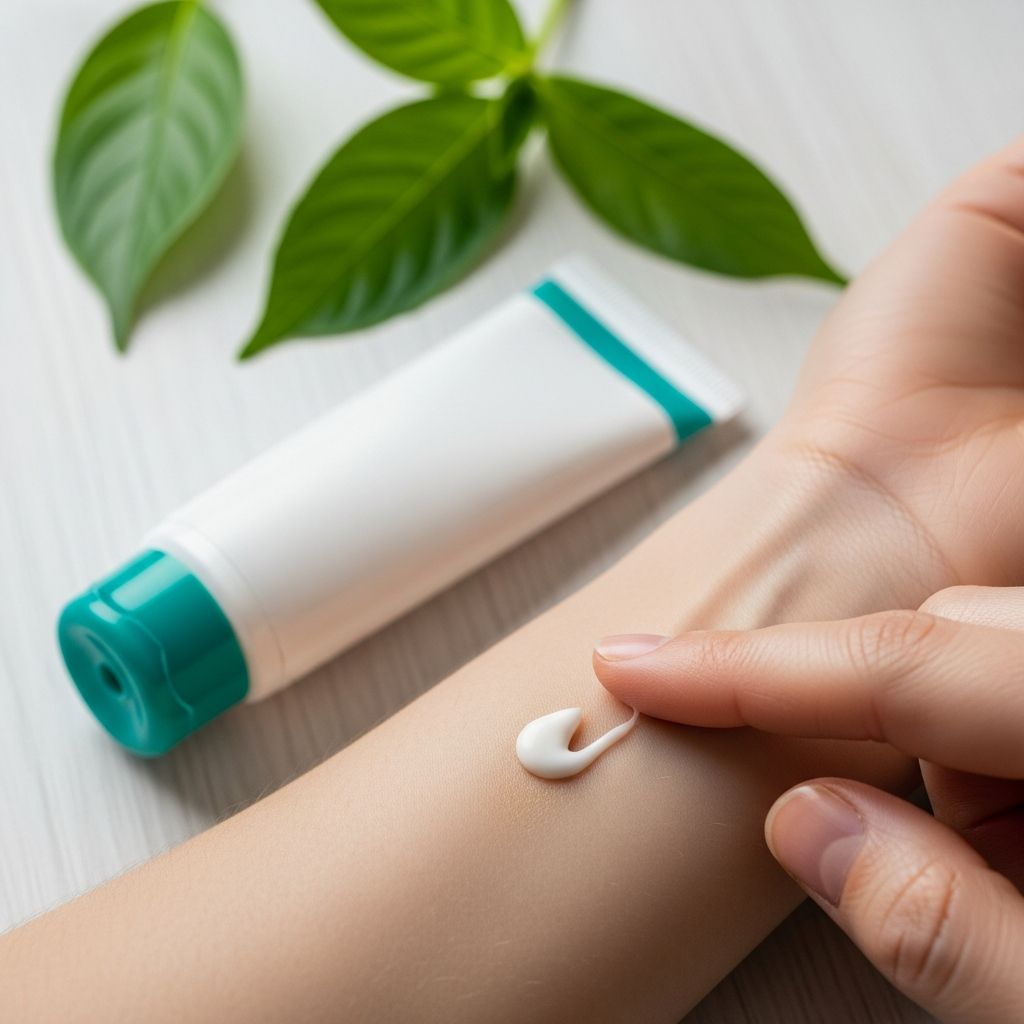
Topical anti-inflammatory painkillers offer targeted relief for muscle pains, sprains, strains, and arthritis symptoms. These medications, applied directly to the skin, reduce pain and inflammation locally with fewer systemic side effects compared to oral options.
What are anti-inflammatory painkillers?
Anti-inflammatory painkillers, known as non-steroidal anti-inflammatory drugs (NSAIDs), alleviate pain from muscle issues, sprains, strains, and arthritis. They are available in oral forms (tablets, capsules, liquids), injections, or topical applications such as gels, sprays, foams, or patches.
Topical versions contain active ingredients like ibuprofen, diclofenac, felbinac, ketoprofen, or piroxicam. Unlike oral NSAIDs that affect the entire body, topical ones absorb through the skin to target the applied area, minimizing widespread exposure.
These products work by inhibiting cyclooxygenase (COX-1 and COX-2) enzymes, reducing prostaglandin production that causes inflammation and pain. Gels like diclofenac and ketoprofen show high efficacy for short-term use in acute musculoskeletal (MSK) conditions.
Other topical creams, such as capsaicin-based ones, address muscle strains but are distinct from NSAID topicals. For oral or injected NSAIDs, refer to separate resources on systemic anti-inflammatories.
When are topical anti-inflammatory painkillers usually prescribed?
Healthcare providers prescribe topical anti-inflammatories for acute muscular pains, sprains, strains, and osteoarthritis pain in accessible joints like knees or hands. They serve as an alternative to oral NSAIDs, especially for patients at risk of gastrointestinal or cardiovascular side effects.
- Sprains and strains: Immediate relief for soft tissue injuries.
- Muscle aches: Localized soreness from overuse or injury.
- Osteoarthritis: Knee or hand joint pain, where superficial application is effective.
- Tendonitis: Inflammation in tendons.
They pair well with non-drug therapies like ice, heat, or TENS machines. Elderly patients over 65 or those with stomach/heart risks benefit most, avoiding oral NSAID complications.
How well do topical anti-inflammatory painkillers work?
Clinical evidence confirms topical NSAIDs outperform placebos for acute MSK pain, providing relief comparable to oral NSAIDs but with superior safety profiles. Systematic reviews highlight diclofenac gels/patches and ketoprofen as top performers for osteoarthritis and strains.
Strength-of-Recommendation Taxonomy (SORT) rates topical NSAIDs as level A for decreasing MSK pain, based on multiple trials showing reduced pain and improved function. They excel for superficial joints (hands, knees, elbows, ankles) but less so for deeper areas like back/neck.
| Condition | Effectiveness | Best Formulations | SORT Level |
|---|---|---|---|
| Sprains/Strains | High (short-term) | Diclofenac gel, Ibuprofen, Ketoprofen | A |
| Osteoarthritis (knee/hand) | Comparable to oral | Diclofenac patches | A |
| Rotator Cuff Pain | Moderate (prolonged use) | Nitroglycerin (alternative) | A |
| Back/Neck Pain | Limited | Not recommended | C |
Studies indicate 2-week use yields optimal results, with gels absorbing efficiently for local action.
Types of topical anti-inflammatory painkillers
Available over-the-counter or prescription, common types include:
Related Stories



- Ibuprofen gels (e.g., Nurofen): Widely used for strains.
- Diclofenac (e.g., Voltaren, Voltarol): Gels, patches; highly effective for OA.
- Ketoprofen: Gels for acute injuries.
- Felbinac and Piroxicam: Foams or sprays for targeted relief.
Formulations vary: gels for precise application, sprays for hard-to-reach areas, patches for sustained release.
How to use topical anti-inflammatory painkillers
Apply a thin layer 2-4 times daily to clean, dry skin over the painful area. Gently rub in until absorbed; wash hands afterward unless treating hands.
- Avoid broken skin, eyes, mouth, or mucous membranes.
- Use lowest effective dose for shortest time (up to 2 weeks for acute pain).
- Do not cover with bandages unless specified (occlusive dressings enhance absorption).
- Combine with physiotherapy or rest for best outcomes.
For osteoarthritis, consistent application (e.g., 4g diclofenac gel 4x/day) maximizes benefits.
Who can and cannot use topical anti-inflammatory painkillers
Suitable for most adults and children over 12-16 (check product). Avoid if:
- Allergic to NSAIDs/aspirin.
- History of asthma triggered by NSAIDs.
- Pregnant (especially 3rd trimester) or breastfeeding—consult doctor.
- Known NSAID skin reactions.
Caution in renal impairment, heart failure, or with other NSAIDs.
Dosage and how often to use topical anti-inflammatory painkillers
Follow label/package instructions. Typical: 2-4 applications/day, max 7-14 days without advice. Do not exceed recommended amount to prevent systemic absorption.
Side-effects of topical anti-inflammatory painkillers
Fewer than oral NSAIDs; mainly local skin reactions (rash, itching, redness in 10-20% users). Rare systemic effects if overused.
- Common (>1/100): Skin irritation.
- Rare: Allergic reactions, bronchospasm.
- Very rare: GI upset if large areas/large doses.
SORT evidence supports low risk profile.
Alternatives to topical anti-inflammatory painkillers
- Paracetamol for mild pain.
- Capsaicin or menthol creams.
- Traumeel ointment (SORT B for MSK).
- Cabbage leaf wraps (SORT B).
- Topical lidocaine for neuropathic pain (SORT A).
- Non-drug: Ice/heat, TENS.
Frequently Asked Questions (FAQs)
Are topical NSAIDs as effective as oral ones?
Yes, for localized pain like knee OA or strains, with fewer side effects.
Can I use them long-term?
Not typically; limit to 2 weeks. Consult for chronic use.
Are they safe during pregnancy?
Avoid in late pregnancy; check with doctor.
Do they stain clothes?
Some gels may; apply sparingly.
Can children use them?
Over age 12-16, per product guidelines.
This article is part of the Painkillers series, covering strong painkillers, anti-inflammatory tablets, hot/cold therapy, and TENS machines.
References
- Topical Anti-inflammatory Painkillers: Uses & Side-Effects — Patient.info. 2023-10-15. https://patient.info/treatment-medication/painkillers/topical-anti-inflammatory-painkillers
- Making Sense of Topical Pain Relief Options — PubMed Central/NIH. 2024-05-20. https://pmc.ncbi.nlm.nih.gov/articles/PMC11556579/
- Anti-Inflammatory Creams for Pain Relief — GoodRx. 2025-01-10. https://www.goodrx.com/classes/nsaids/topical-nsaids-pain-inflammation-need-to-know
- Topical NSAIDs Offer Joint Pain Relief — Arthritis Foundation. 2024-08-05. https://www.arthritis.org/drug-guide/medication-topics/topical-nsaids-offer-joint-pain-relief
- Topical Nonsteroidal Anti-inflammatory Drugs (NSAIDs) — DynaMed. 2025-11-12. https://www.dynamed.com/drug-review/topical-nonsteroidal-anti-inflammatory-drugs-nsaids/updates
Similar Articles








Read full bio of medha deb