Topical Antifungal Medications: Types, Uses, and Effectiveness
Complete guide to topical antifungal treatments for fungal skin infections and nail conditions.
Understanding Topical Antifungal Medications
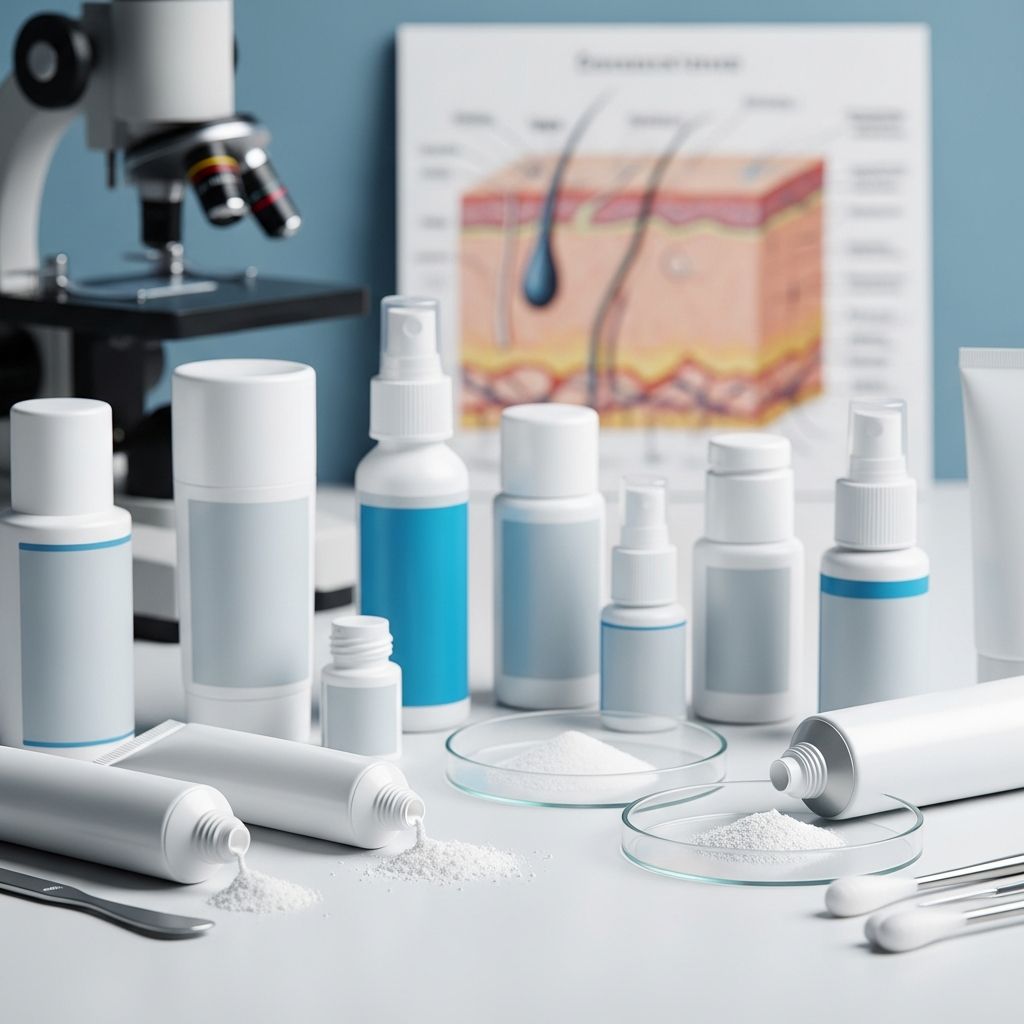
A topical antifungal medication is a preparation applied directly to the skin surface to treat fungal infections. These medications come in various formulations, including creams, solutions, lotions, powders, gels, sprays, and lacquers. Topical antifungals are among the most accessible treatment options for fungal infections, as many can be obtained over the counter without a doctor’s prescription. They represent a first-line treatment approach for localized fungal infections and remain an essential component of dermatological therapy.
Types of Fungal Infections Treated
Topical antifungal medications are designed to target two primary categories of fungal pathogens: dermatophytes and yeasts. Many antifungal medications effectively treat both types, while others demonstrate specificity to one category or the other. Understanding which type of fungus is responsible for an infection helps determine the most appropriate treatment approach.
Dermatophytes are the most common cause of superficial fungal infections, affecting the skin, hair, and nails. Yeast infections, often caused by Candida species, primarily affect moist areas of the body. Some topical antifungals work equally well against both organisms, providing broad-spectrum coverage, while specialized formulations may be optimized for specific fungal types.
Formulations and Application Methods
The diversity of topical antifungal formulations allows healthcare providers and patients to select the most appropriate delivery system for the affected area. Each formulation offers distinct advantages:
- Creams — Ideal for skin folds and areas requiring occlusion; provide moisturization
- Solutions — Excellent for scalp and interdigital areas; dry quickly
- Powders — Best for moisture control in skin folds and prevention
- Gels — Non-greasy option suitable for face and hairy areas
- Sprays — Convenient for larger surface areas and hard-to-reach locations
- Lacquers — Specialized formulation for nail plate infections
General Treatment Guidelines
Topical antifungals are generally applied to the affected area twice daily for two to four weeks, with application extending several centimeters beyond the visible infection onto normal skin. This margin is crucial for eliminating subclinical infection and preventing recurrence. Treatment should continue for one to two weeks after the last visible rash has cleared, as fungal spores may persist even when clinical symptoms resolve.
While topical antifungals can often cure localized infections, recurrence is common, necessitating repeated treatment courses. Patient adherence to the full treatment duration is essential, as premature discontinuation frequently leads to treatment failure and infection relapse.
Antifungal Shampoos
Antifungal shampoos represent a specialized category of topical antifungals primarily used to treat dandruff and seborrheic dermatitis. However, they also serve as adjunctive therapy for tinea capitis (scalp ringworm) and scalp psoriasis. The most effective antifungal shampoo ingredients include ketoconazole, miconazole, and ciclopirox (Stieprox® liquid), though many commercial dandruff shampoos possess inherent antifungal properties.
These shampoos work by reducing fungal colonization on the scalp and managing inflammation associated with fungal infections. Regular use can prevent recurrence of scalp conditions and improve overall scalp health.
Related Stories



Treatment of Nail Infections
Fungal nail infections require specialized topical preparations distinct from those used for skin infections. Two primary approaches exist for topical nail treatment: managing nail fold infections (paronychia) and treating nail plate infections (onychomycosis).
Nail Fold Infections (Paronychia)
Antiseptic and antifungal preparations control infections of the nail fold region and should be applied two or three times daily for several months. These preparations often combine antifungal and antiseptic properties to address both fungal and bacterial colonization common in paronychia.
Nail Plate Infections (Onychomycosis)
Distal onychomycosis, the most common form of nail fungal infection, can be treated with antifungal lacquer applied once or twice weekly. The treatment protocol requires careful nail preparation: the nail plate must be cleaned and roughened with an emery board before lacquer application. Additional lacquer should be applied under the nail edge to ensure adequate medication penetration.
Treatment of nail infections demands significant patience, as therapy must continue for a year or longer due to slow nail growth rates, particularly in older individuals. Nail polish is not recommended during treatment, as it may interfere with medication efficacy, although this interaction remains unproven.
Oral Preparation Infections
Topical antifungals for oral candidiasis come in various formulations including lozenges, suspensions, and rinses. These preparations work locally to reduce fungal burden in the oral cavity and are particularly useful for managing thrush in immunocompromised patients or those receiving systemic antibiotics.
Vaginal Infections
Topical antifungal preparations designed for vaginal use include creams and suppositories, typically containing clotrimazole or miconazole. These formulations are applied intravaginally for specified durations, commonly three to seven days depending on formulation strength. Over-the-counter availability of these products has improved access to treatment for vulvovaginal candidiasis.
Combination Antifungal Products
To enhance efficacy or address multiple factors in fungal infections, manufacturers combine topical antifungals with other active ingredients.
Antifungal Plus Steroid Combinations
Antifungal creams are sometimes combined with topical steroids to reduce inflammation and pruritus. However, caution is necessary: strong topical steroids can mask fungal infections and, being non-curative, may result in more extensive infection (tinea incognito) and adverse effects such as cutaneous atrophy. These combinations should be used judiciously and only under medical guidance.
Oral and Topical Combinations
Topical antifungals may be sold with oral antifungal medications, such as fluconazole capsules in combination with clotrimazole cream. This approach can enhance efficacy for extensive infections by combining systemic and local therapy.
Specific Topical Antifungal Agents
Several classes of topical antifungals demonstrate distinct mechanisms and clinical applications:
Azole Antifungals
Miconazole and clotrimazole are among the most commonly prescribed topical azole antifungals. These agents are fungistatic, meaning they inhibit fungal growth rather than directly destroying fungal cells. Miconazole cream 2% is typically applied twice daily and should continue for ten days after symptom resolution. Clotrimazole is applied similarly until inflammatory symptoms disappear or for a maximum of two weeks. Other azole options include econazole and ketoconazole. Topical azoles are generally well tolerated with adverse events primarily consisting of localized skin reactions such as irritation and hypersensitivity reactions.
Allylamine Antifungals
Terbinafine represents the allylamine class and is reported to be more effective than azole antifungals for fungal infections. This superior efficacy stems from its fungicidal action—it actively destroys fungal cells—in contrast to the fungistatic nature of azoles. Topical terbinafine is typically applied once daily for one week and can be repeated as necessary. Like azoles, terbinafine is generally well tolerated with adverse effects limited to local irritation and hypersensitivity reactions.
Other Effective Agents
Ketoconazole, an imidazole medicine, treats fungal infections by binding to fungal p450 enzymes and preventing ergosterol synthesis[10]. Ciclopirox (Stieprox® liquid) is particularly effective in shampoo formulations for scalp conditions.
When Oral Antifungals Are Necessary
While topical antifungals effectively treat many localized infections, oral antifungal medications may be required if the infection is extensive or severe, or if it resists topical therapy. Specific indications for oral treatment include:
- Extensive or severe fungal infections
- Infections resistant to topical antifungal therapy
- Scalp infections (tinea capitis)
- Nail infections (onychomycosis)
- Deep dermatophyte infections
- Infections in immunocompromised patients
For tinea pedis (athlete’s foot), patients with moccasin, vesicular, or ulcerative presentation, or those with persistent infection despite topical treatment, may require oral therapy. When oral treatment is necessary, terbinafine 250 mg once daily for two to six weeks is recommended, as it has demonstrated superior efficacy compared to itraconazole and produces fewer drug interactions.
Treatment Duration and Patient Education
Understanding treatment duration remains crucial for successful outcomes. Recurrence of fungal infections after topical antifungal use is common and often results from patient discontinuation of treatment shortly after symptom resolution. Patient education emphasizing completion of the full treatment course is essential for preventing relapse.
Patients must understand that visible symptom improvement does not indicate cure, and premature treatment discontinuation allows residual fungal elements to proliferate. Healthcare providers should counsel patients that even after symptoms resolve, treatment must continue for the specified duration to eliminate subclinical infection.
Antifungal Drug Resistance
Antifungal drug resistance has become an emerging concern in recent years, affecting both topical and oral allylamine and triazole antifungals. This resistance is particularly problematic in the Indian subcontinent. Extensive therapy-resistant dermatophyte infection should prompt investigation for possible resistance.
Where available, fungal culture and estimation of drug minimum inhibitory concentration should guide medication selection. Previously, acquired resistance of dermatophyte fungi to antifungal medications was considered exceptionally rare, but changing epidemiological patterns now warrant heightened vigilance. Healthcare providers treating infections that fail to respond to standard therapy should consider resistance as a possible etiology.
Efficacy and Limitations
While topical antifungals demonstrate effectiveness for localized infections, important limitations exist. Topical antifungals show limited efficacy for certain conditions, such as atopic dermatitis, where antifungal medications are insufficient for managing the disease. Both topical and oral antifungals demonstrated inconsistent efficacy in some applications and posed higher risks of systemic adverse events when used systemically.
For extensive nail infections, systemic therapy often proves more effective than topical treatment alone. Terbinafine, when administered orally, achieves reported cure rates of 70% for toenails and 80% for fingernails, though recurrence remains common. However, topical antifungals can be curative when specific conditions are met: proper diagnosis, appropriate selection of agent, adequate treatment duration, and good patient adherence.
Safety and Tolerability
Topical antifungals are generally safe when used as directed. Adverse events are relatively rare and typically involve localized skin reactions such as irritation and hypersensitivity reactions. The low systemic absorption of most topical antifungals minimizes risks of systemic toxicity. However, when combined with topical steroids, careful monitoring is necessary to prevent steroid-related adverse effects including cutaneous atrophy.
Frequently Asked Questions
Q: Can topical antifungals be purchased without a prescription?
A: Yes, many topical antifungal medications are available over the counter without a doctor’s prescription. However, for persistent infections or nail involvement, professional evaluation is recommended to confirm diagnosis and ensure appropriate treatment selection.
Q: How long should topical antifungal treatment continue after symptoms disappear?
A: Treatment should continue for one to two weeks after the last visible rash has cleared. This extended duration ensures complete elimination of fungal elements and prevents recurrence.
Q: Why is treatment failure and recurrence common with topical antifungals?
A: Recurrence is often due to patients discontinuing treatment shortly after symptoms appear to have resolved. Incomplete treatment allows residual fungal spores to proliferate, leading to infection relapse. Full adherence to the recommended duration is essential.
Q: Is topical terbinafine more effective than clotrimazole or miconazole?
A: Yes, allylamine antifungals such as terbinafine are generally reported to be more effective than azole antifungals like miconazole and clotrimazole for fungal infections. This is because terbinafine has fungicidal action (destroys fungal cells) whereas azoles are fungistatic (inhibit growth).
Q: When should patients switch to oral antifungal treatment?
A: Patients with extensive or severe infections, those with persistent infections despite topical therapy, or those with nail or scalp involvement typically require oral antifungal treatment. A healthcare provider should make this determination based on infection characteristics and response to topical therapy.
References
- Topical antifungal medications — DermNet. 2024. https://dermnetnz.org/topics/topical-antifungal-medication
- Tinea pedis: not just the curse of the athlete — Best Practice Journal (BPAC), December 2014. https://bpac.org.nz/BPJ/2014/December/tinea-pedis.aspx
- Preventing long term relapsing tinea unguium with topical anti-fungal therapy — National Center for Biotechnology Information (NCBI), 2009. https://pmc.ncbi.nlm.nih.gov/articles/PMC2647914/
- Spotlight on Terbinafine — Medsafe (New Zealand Medicines and Medical Devices Authority), December 2018. https://www.medsafe.govt.nz/profs/PUArticles/December%202018/Spotlight%20on%20Terbinafine.htm
- Antifungal Drug Resistance: Background, Species, Outlook — DermNet. 2024. https://dermnetnz.org/topics/antifungal-drug-resistance
- Limited Evidence Supporting the Efficacy of Antifungals for Atopic Dermatitis — Dermatology Times, 2023. https://www.dermatologytimes.com/view/limited-evidence-supporting-the-efficacy-of-antifungals-for-atopic-dermatitis
- Ketoconazole — DermNet. 2024. https://dermnetnz.org/topics/ketoconazole
Similar Articles








Read full bio of medha deb